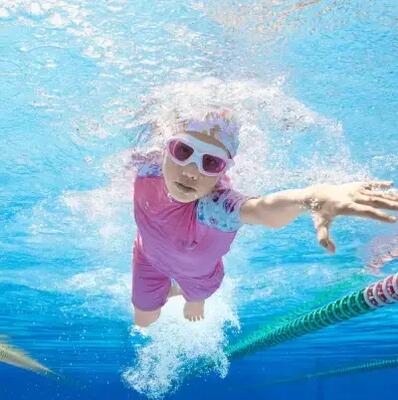
Junior players
A size 4 ball is easier to catch and shoot with smaller hands, which builds confidence early.
The right netball suits your age, your court and the way you train. We'll help you pick the size, grip and build that make passing and shooting feel natural.
Options from our netball range, plus kit for training nights.
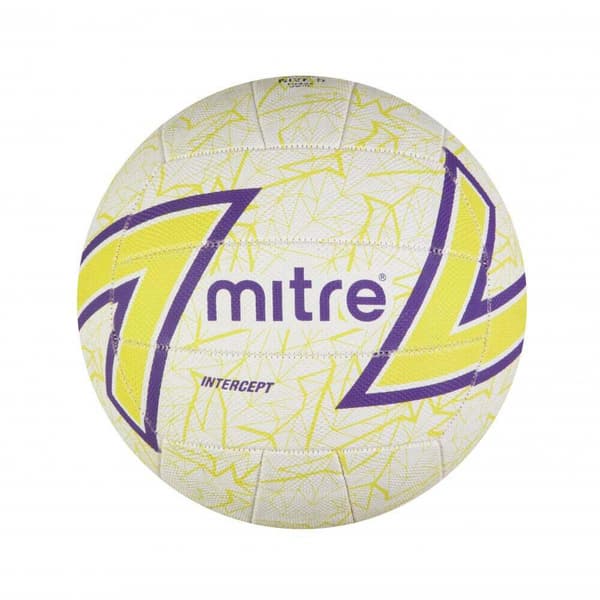
Smaller size 4 balls for junior hands and programs.
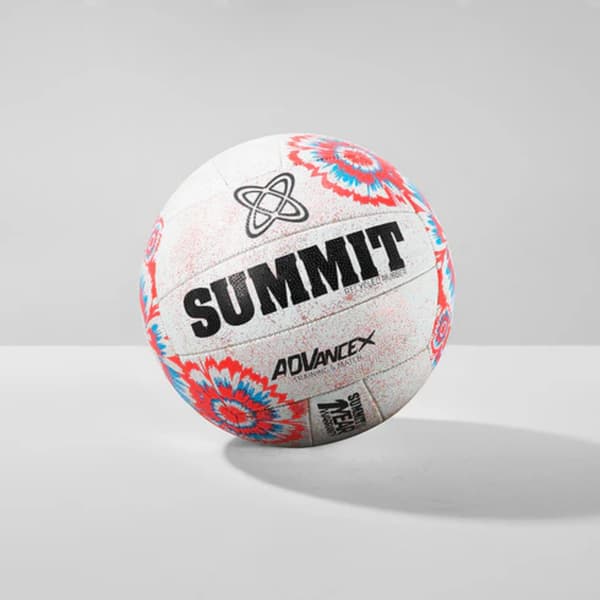
Size 5 match balls with a soft, grippy feel.
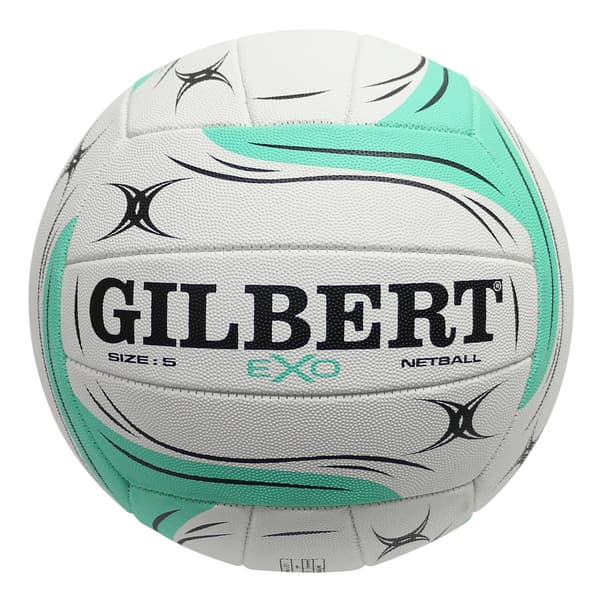
Tough size 5 trainers built for regular sessions.
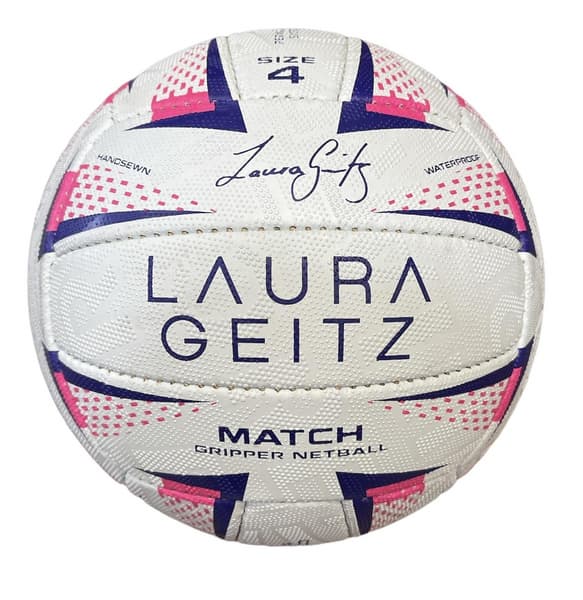
Hand-sewn gripper balls for damp outdoor courts.
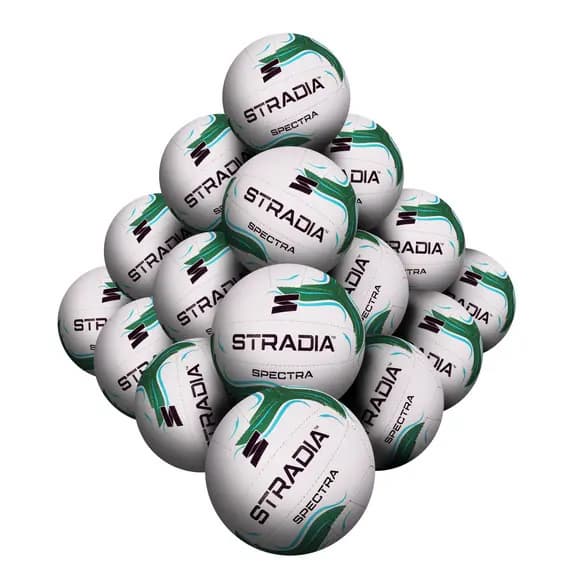
Packs of 10 or 20 balls for clubs and schools.
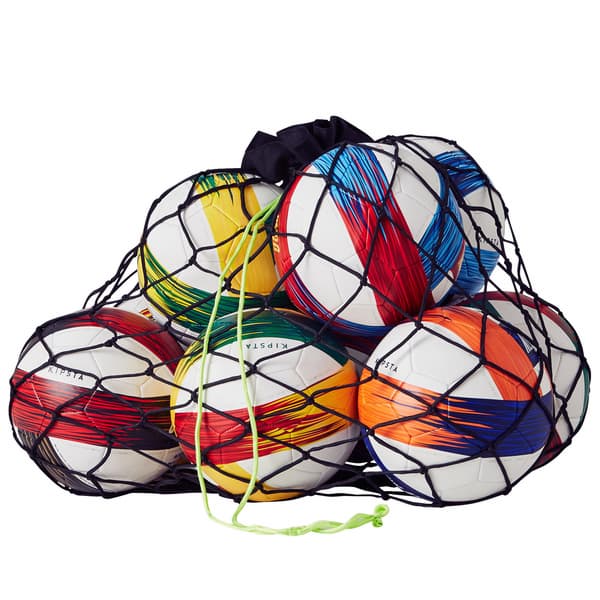
Ball bags, pumps and needles for training nights.
Junior programs commonly use a smaller size 4 ball, and most players move up to a size 5 at around 11. If you're unsure, check with your club or association before you buy.
Outdoor courts are rough on a ball's surface, so a durable rubber ball lasts longer there. Indoors, a softer, grippier match ball gives you a nicer feel on the catch.
Raised or textured panels help the ball stick to your fingers on quick passes and shots. Gripper balls are a good pick for damp evenings or sweaty hands.
A training ball takes the knocks of drills week after week, while a match ball is about feel and consistency on game day. Many players keep one of each.
A size 4 ball is easier to catch and shoot with smaller hands, which builds confidence early.
A size 5 match ball for games, plus a tough trainer for the backyard ring.
Multi-ball packs keep every player busy in drills, and a ball bag keeps them together.
| Ball | Best for | Tip |
|---|---|---|
| Size 4 ball | Junior players | Check your club's age guide |
| Size 5 match ball | Games from about age 11 | Save it for game day |
| Training ball | Drills and backyard practice | Durable rubber suits outdoor courts |
| Gripper ball | Damp or sweaty conditions | Textured panels help the catch |
| Club ball pack | Teams, schools and coaches | One ball per player speeds up drills |
| Ball bag | Carrying several balls | Check pressure before each session |
Junior programs commonly use a size 4 ball, which is a little smaller and lighter, so it's easier to catch and shoot. Most players move up to the standard size 5 at around 11. Age guides can vary between programs, so it's worth checking with your club or association before you buy.
Senior and older junior games are played with a size 5 ball. If you're buying a ball to practise for games, a size 5 lets you get used to the same weight and feel you'll have on match day. Younger players in modified programs often use a size 4.
Most netballs can be used on both, but the surface makes a difference to how long a ball lasts. Rough outdoor courts wear the outer layer faster, so a durable rubber training ball is a good choice there. Indoors, a softer match ball with more grip gives a nicer feel on the catch.
If you only want one ball, a durable training ball is a practical choice for backyard rings and drills. A match ball is built more for feel and grip, and many players save it for games so it stays in good condition. Keen players and coaches often keep one of each.
Check it before each session by bouncing it and pressing it with your thumbs. If it feels soft, top it up with a ball pump, wetting the needle first so it slides into the valve without damage. Follow any pressure guide printed on the ball, and avoid over-inflating, which can make it hard to catch.
Pick the size and grip that suit your game, then add the rest of your team gear from our range.
Free delivery on orders over $150. Members get our lifetime warranty.