Gym regulars
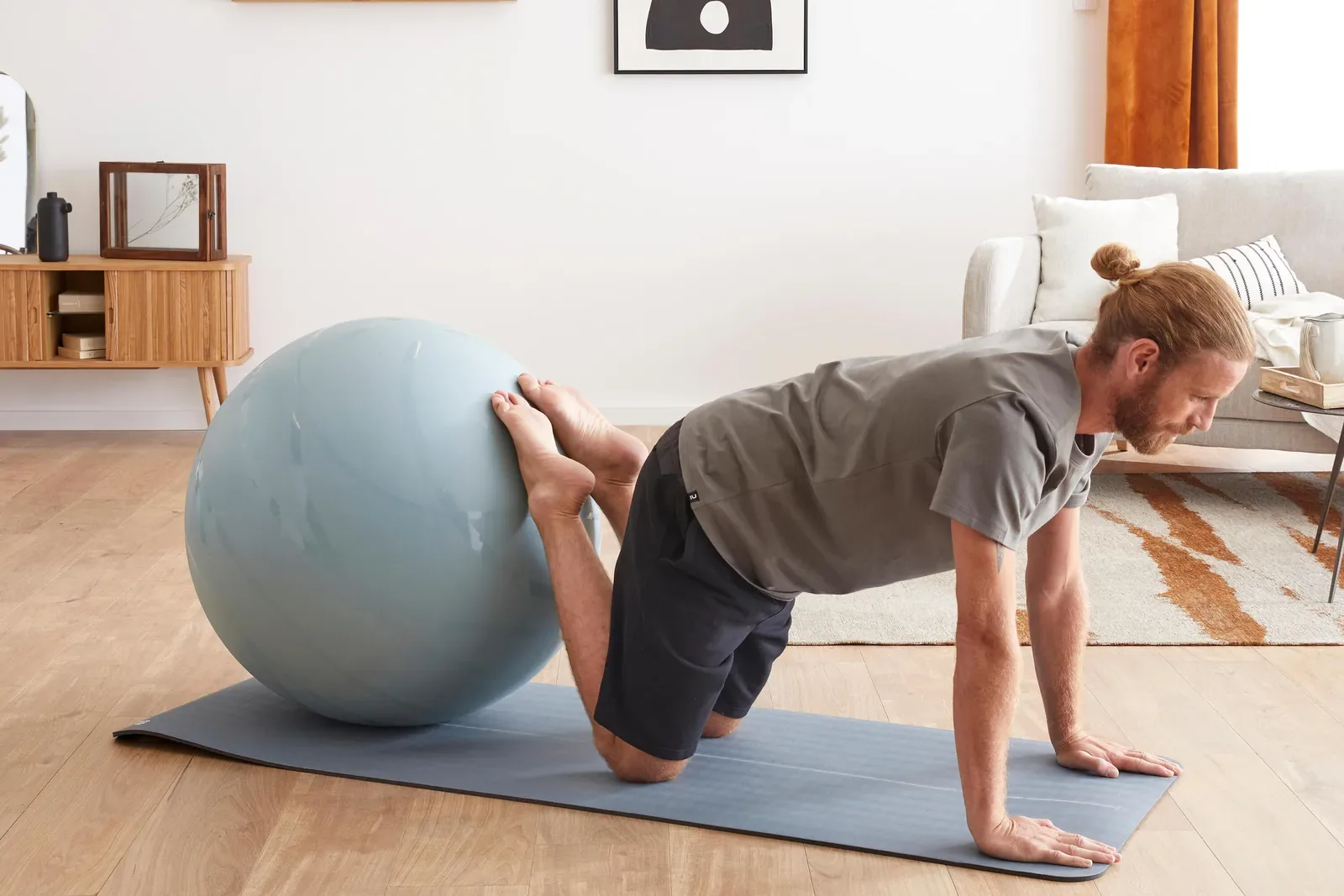
A roller and a ball cover most of the body after strength sessions.
A few good recovery tools can help you feel looser between sessions and readier for the next one. Here's what we would keep at home, and how to use each one sensibly.
The recovery basics we would reach for, in order.
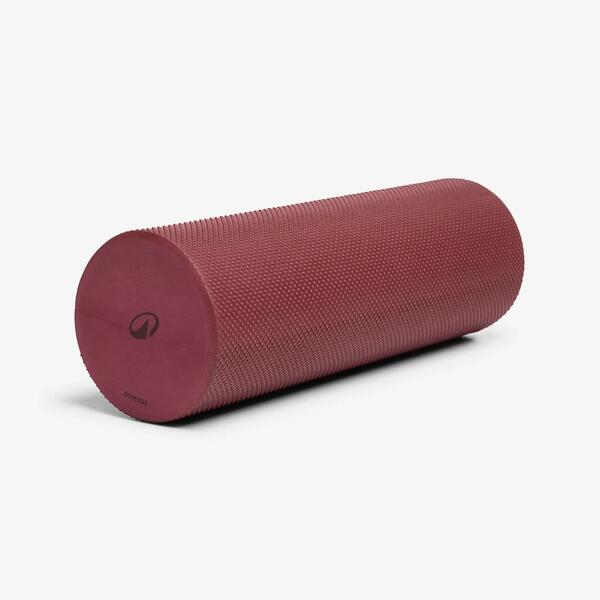
Foam rollers in different lengths, densities and textures.
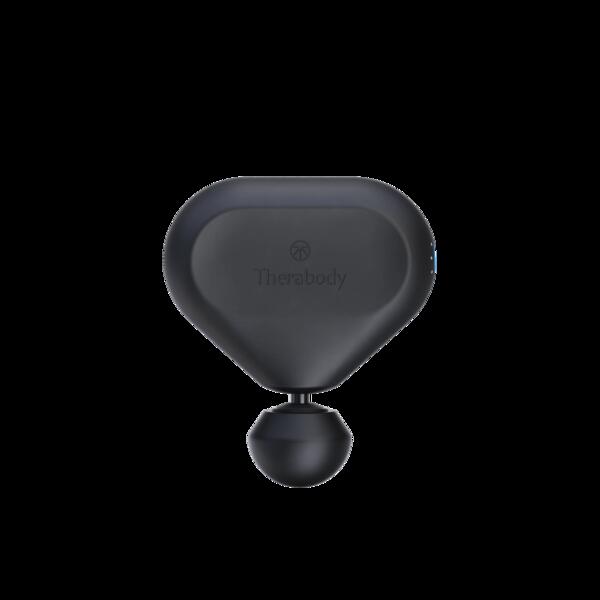
Handheld percussion massagers, from compact to full size.
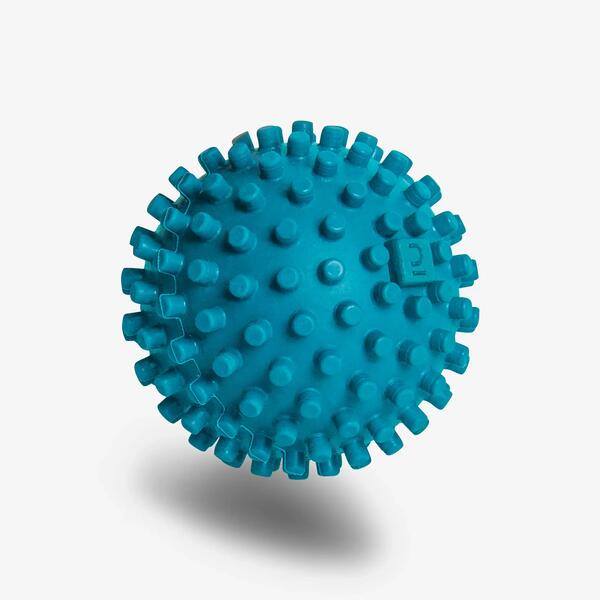
Massage balls for feet, glutes and hard-to-reach spots.
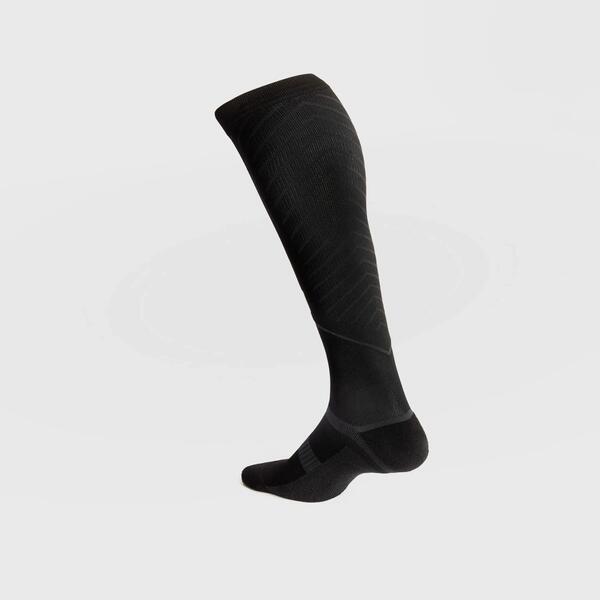
Compression socks and sleeves many people wear after training.
Handheld tools and electric massagers for neck and back.
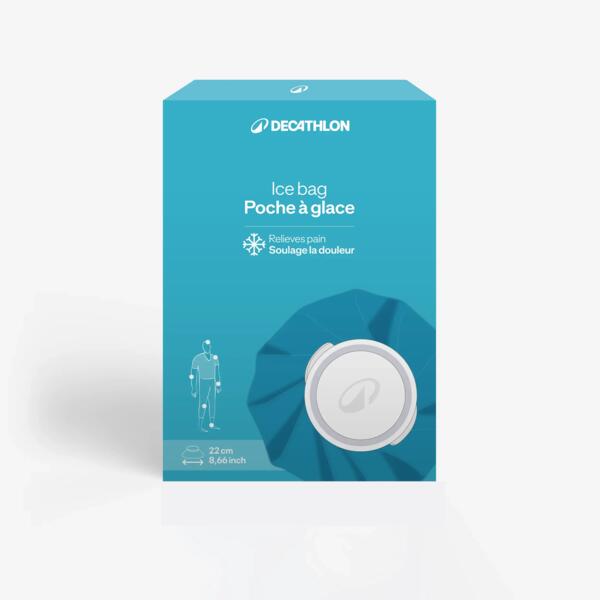
Ice bags and gel packs to cool tired spots.
Softer rollers and balls feel gentler, while firmer or textured ones press deeper. If you haven't rolled before, start soft and work up.
A long roller covers the back and legs in one go, a short one packs away easily, and a small ball reaches feet and glutes. Pick the shape that matches where you feel tight.
Recovery tools should feel like firm pressure, not pain. Avoid rolling over joints, bones or injured areas, and see a GP or physio if pain lingers.
The tools you can reach are the ones you'll use. A short roller, a ball and a compact massage gun fit in a drawer or a gym bag.
A roller and a ball cover most of the body after strength sessions.
Many people like a foam roller and compression socks for their legs after longer efforts.
Simple tools at home help you feel ready for the week after a big game.
| Item | Why it helps | Tip |
|---|---|---|
| Foam roller | Covers big areas like legs and back | Roll slowly and keep breathing |
| Massage gun | Quick, targeted massage | Keep it moving and skip bony areas |
| Massage ball | Reaches feet, glutes and shoulders | Lean against a wall for upper-back spots |
| Compression socks | Easy to wear after training | Check the size guide for a snug fit |
| Handheld massager | Self massage for neck and back | Start on a gentle setting |
| Cold pack | Cools a small, tired area | Wrap it in a cloth first |
For most people, a foam roller. It covers large muscle groups, needs no charging and suits beginners. Add a massage ball for smaller spots, then consider a massage gun if you want something quicker or more targeted.
A few minutes is plenty for most people. Roll slowly over each area, pause on spots that feel tight and keep breathing steadily. Rolling should feel like firm pressure, not pain, so ease off if it hurts.
They do different jobs. A foam roller suits big areas and is simple to use, while a massage gun makes it easier to work on specific spots with less effort. Many people use both, and if you have an injury or a medical condition, check with a GP or physio before using a massage gun.
Many people find compression socks make their legs feel fresher after long runs, walks or flights, and they're easy to wear. Results vary from person to person, so treat them as a comfort choice rather than a fix. Choose your size with the product's size guide, and take them off if they feel too tight or cause tingling.
Recovery tools are for everyday tightness, not injuries. If you have pain that lingers, swelling, numbness or pain that changes how you move, see a GP or physio. They can work out what's going on and suggest what's right for you.
Start with one or two tools you'll use often and build from there. The rest of our health range is here when you need it.
Free delivery on orders over $150. Members get our lifetime warranty.