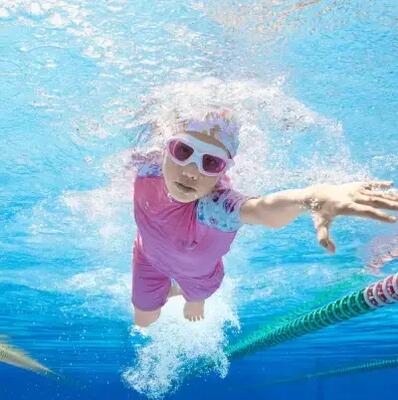
Complete beginners
Start with gloves, wraps and a mouthguard, then add shin guards once your gym introduces partner work.
Your first muay thai class needs less kit than you might think. Here is what we suggest bringing, what most gyms will lend you, and how to choose gear that fits well and lasts.
The ranges we would check first, in order of priority.
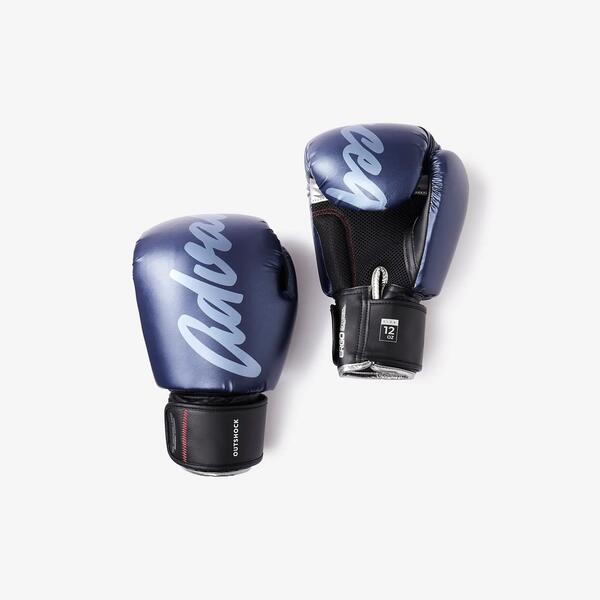
Training, sparring and bag gloves, with some muay thai styles.
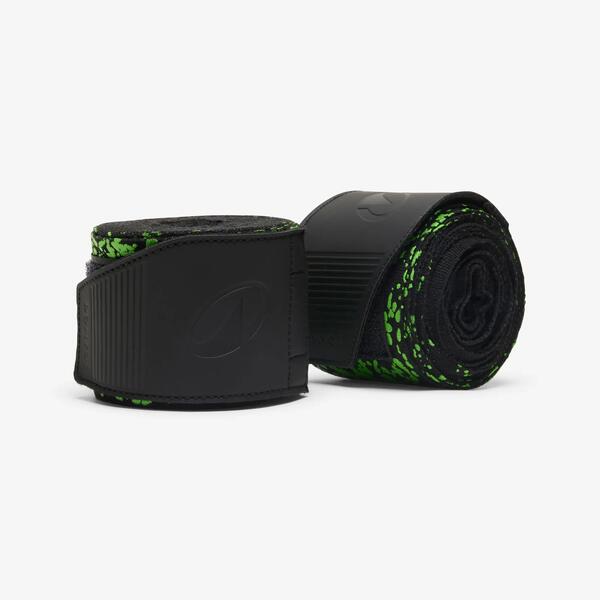
Wraps in several lengths, some bundled with a skipping rope.
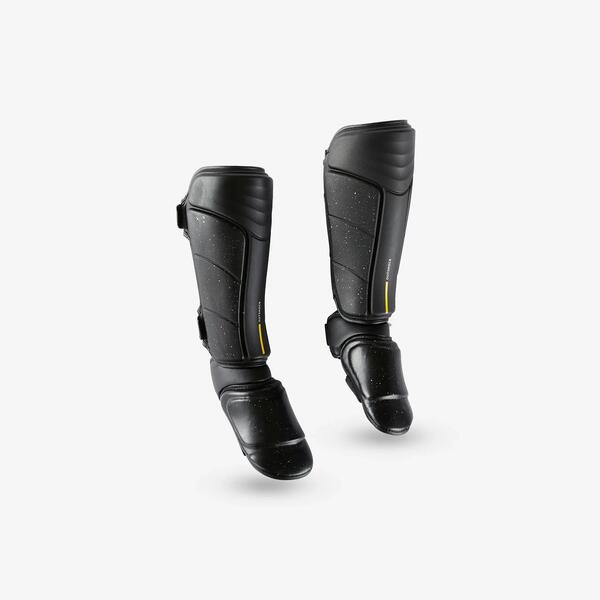
Mouthguards, headguards, groin guards and shin guards in one place.
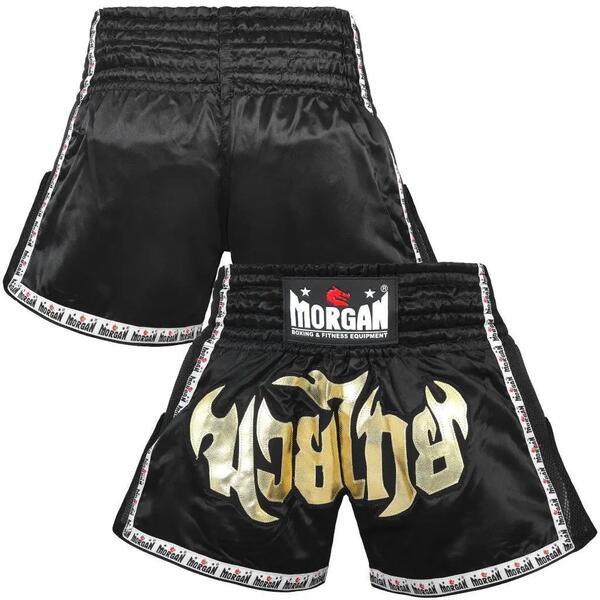
Muay thai, MMA and boxing shorts, plus shoes and uniforms.
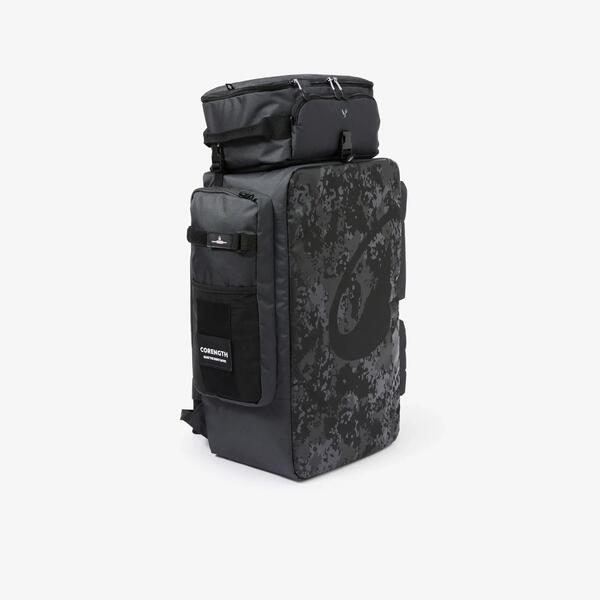
Sports bags and a backpack with room for your kit.
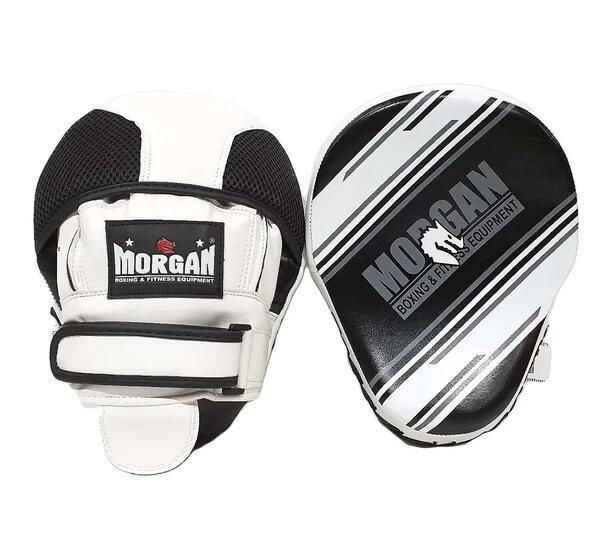
Focus pads and punch mitts for partner and coach drills.
Most adults train in 12 to 16 oz gloves, and heavier gloves are common for sparring or larger hands. Muay thai gloves often have a shorter cuff for wrist movement in the clinch, but a well-fitting boxing glove is fine to start. Ask your coach what weight your gym prefers.
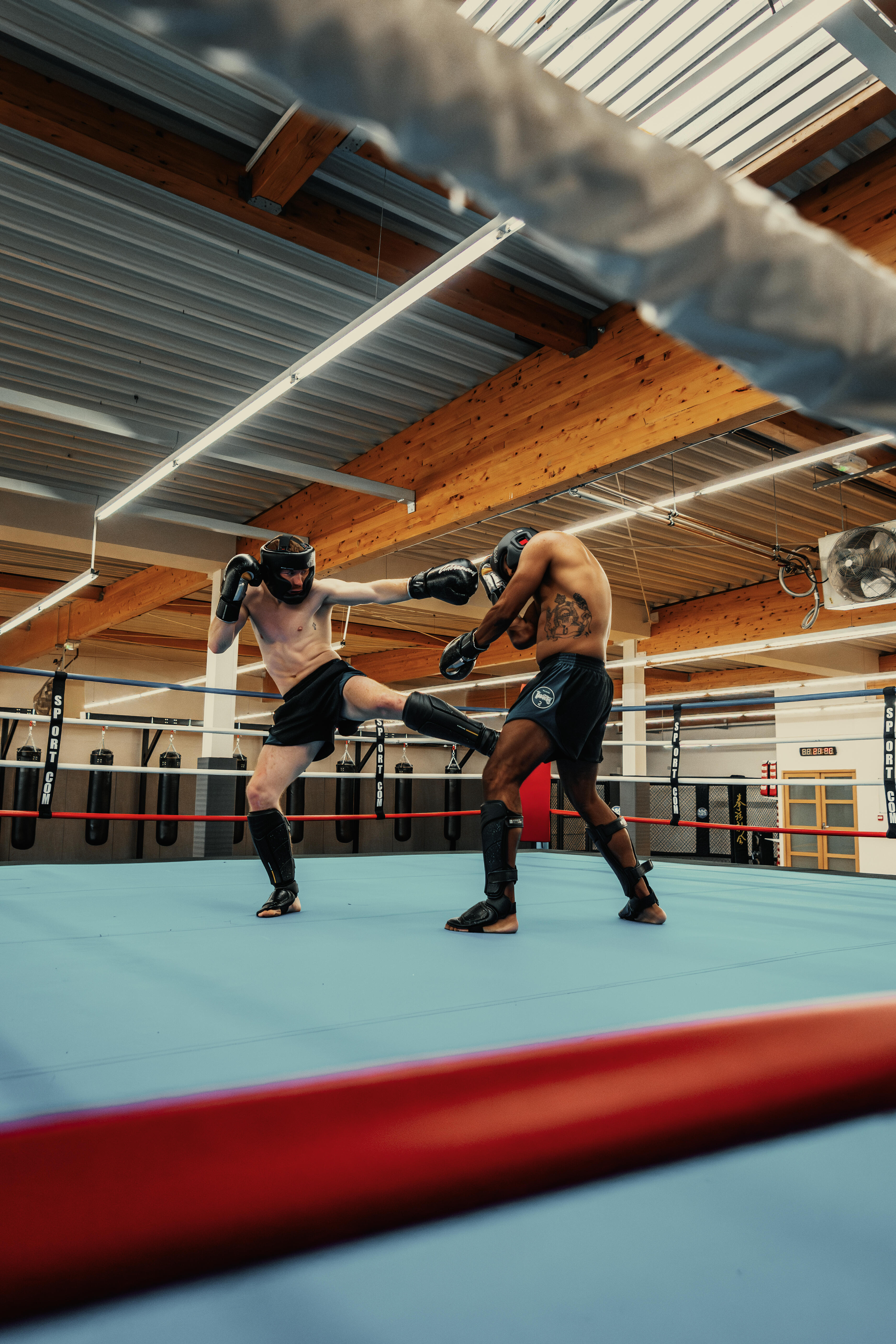
Look for guards that cover the shin and the top of the foot, since that is where kicks land. They should sit snugly and not twist round when you move. Lighter sock-style guards suit drills, while firmer strap-on guards give more cover for sparring.
A boil-and-bite guard is the usual starting point. Mould it carefully following the instructions so it holds onto your top teeth without you clenching. If it drops when you open your mouth, refit it or try another size.
Wraps protect the knuckles and steady the wrist under your gloves. Around 4 to 4.5 metres covers most adult hands with a few passes over the wrist. Shorter wraps suit smaller hands or quick bag sessions.
Start with gloves, wraps and a mouthguard, then add shin guards once your gym introduces partner work.
Your gloves, wraps and mouthguard carry over. Shin guards and loose shorts are the main additions.
Many gloves and guards come in junior sizes. Check the gym's age rules and fit kit to the child, not to grow into.
| Item | Why it matters | Tip |
|---|---|---|
| Gloves | Protect your hands and your partner on pads and bags | Borrow first, then buy once you know the weight you like |
| Hand wraps | Support the wrist and knuckles under the glove | Learn one wrapping method and use it every session |
| Mouthguard | Protects teeth once any contact starts | Mould it at home before your first class |
| Shin guards | Cushion kicks and checks in partner drills | Bring them once your coach says sparring has started |
| Groin guard | Recommended protection for knees and kicks in clinch work | Choose one that sits flat under shorts |
| Shorts | Wide legs let you kick and knee freely | Any loose training shorts work at first |
| Water bottle and towel | Classes are hot and sweaty | Fill up before class so you are not queueing at the tap |
| Gear bag | Keeps damp kit separate from the rest of your day | Unpack it as soon as you get home |
For a first session you usually only need comfortable training shorts, a T-shirt, a water bottle and a towel, since most gyms train barefoot and lend gloves to newcomers. If you plan to keep going, your own hand wraps and gloves are the first things worth buying, followed by a mouthguard. Shin guards and a groin guard come next, once your coach starts partner drills or light sparring. Check with the gym before you go, as some ask beginners to bring their own wraps.
Gloves are sized by weight in ounces, and most adults train with 12 to 16 oz. Lighter gloves feel quicker on pads, while heavier ones add padding for sparring, which is why many gyms ask for 14 or 16 oz once contact begins. Shin guards are usually sized by height or shin length, so check the size guide on the product and aim for a guard that covers from just below the knee to the top of the foot without sliding. If you are between sizes, try both on with wraps or socks as you would train in them.
Sweat trapped inside gloves and guards is what causes most of the smell, so drying is the key habit. Take everything out of your bag as soon as you get home, open the gloves up and let them air dry, and wash your wraps after every session. Wipe the inside of gloves and shin guards with a damp cloth now and then, and keep your mouthguard rinsed and dry in its case. Fresh wraps under your gloves also go a long way to keeping them clean.
Most gyms have pads, kick shields and heavy bags for everyone to use, and many keep a few pairs of loan gloves and shin guards for new students. Loan gear is handy for trying the sport, but shared gloves can be sweaty and may not fit your hands well, so most people buy their own fairly soon. Personal items such as a mouthguard, wraps and a groin guard are almost always your own. Every gym is different, so it is worth asking what they supply when you book your first class.
Yes, especially as a beginner. Muay thai gloves tend to have a slightly shorter, more flexible cuff and an even spread of padding, which helps when you catch kicks or work in the clinch, but a well-fitting boxing glove of the right weight will do the job on pads and bags. Many gloves are designed for both sports, and you will see some labelled for boxing, kickboxing and muay thai together. If you get serious about the sport, try a dedicated muay thai pair and see which you prefer.
Start with the basics, ask your coach what the gym lends, and build your kit as your training grows. We will be here when you need the next piece.
Free delivery on orders over $150. Members get our lifetime warranty.