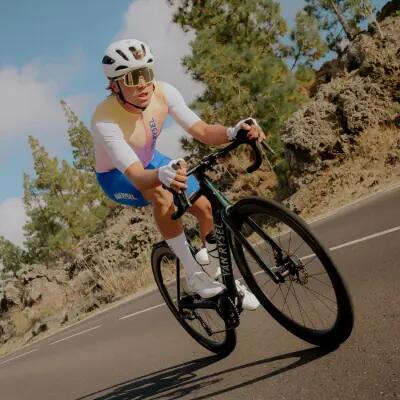
Trail and cross-country riders
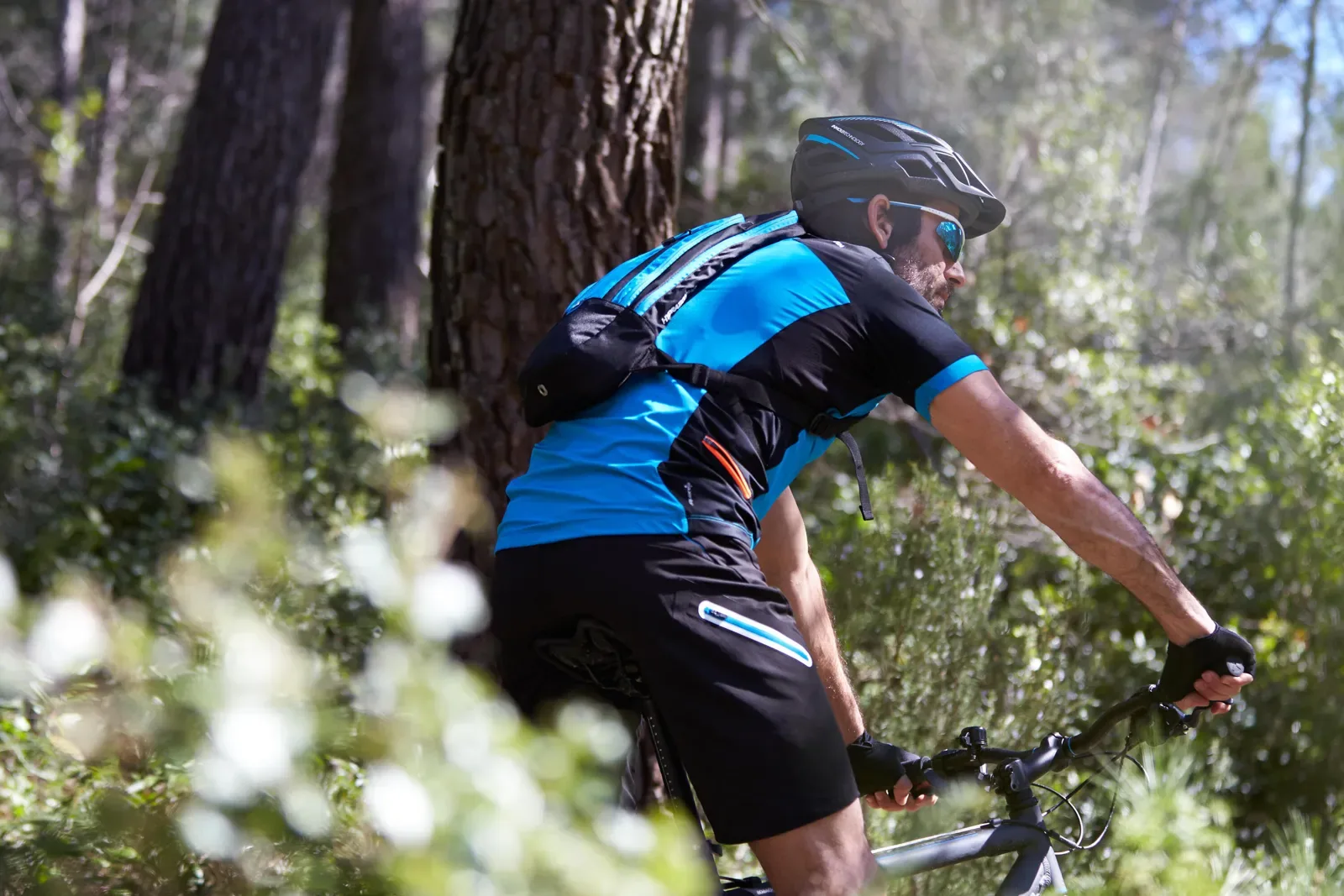
A good helmet, full-finger gloves and glasses cover most days. Add light knee pads once the trails get rockier.
Trails are more fun when a small spill stays small. Here is the protective gear we rate for mountain biking in Australia, what each piece does and how to pick the right level for the way you ride.
Six layers of protection, from the one you never skip.
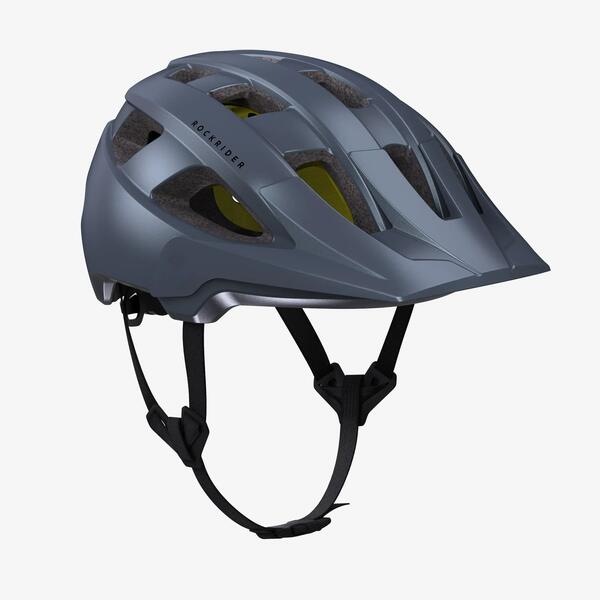
Helmets for the trail, including MIPS options.
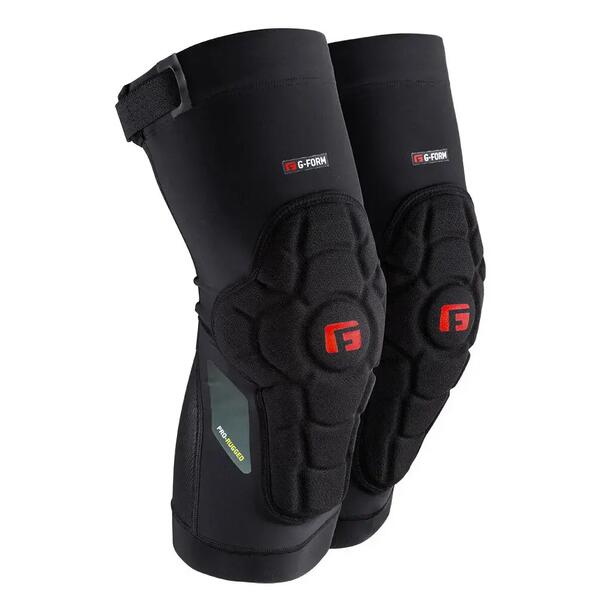
Knee pads and elbow guards for rough descents.
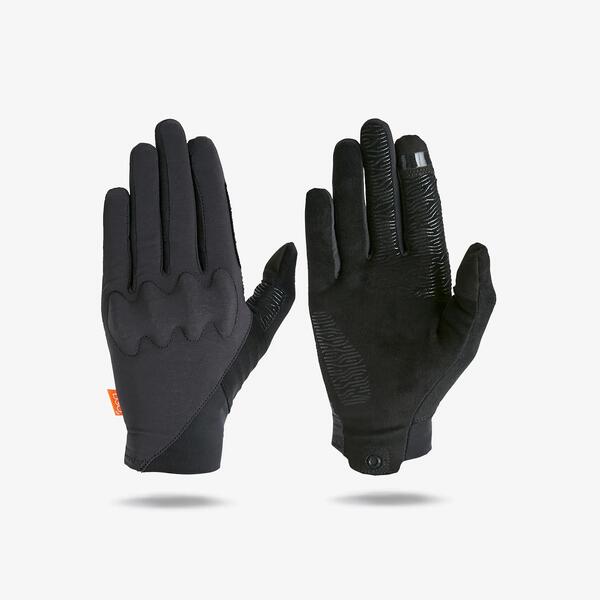
Full-finger gloves for grip and palm protection.
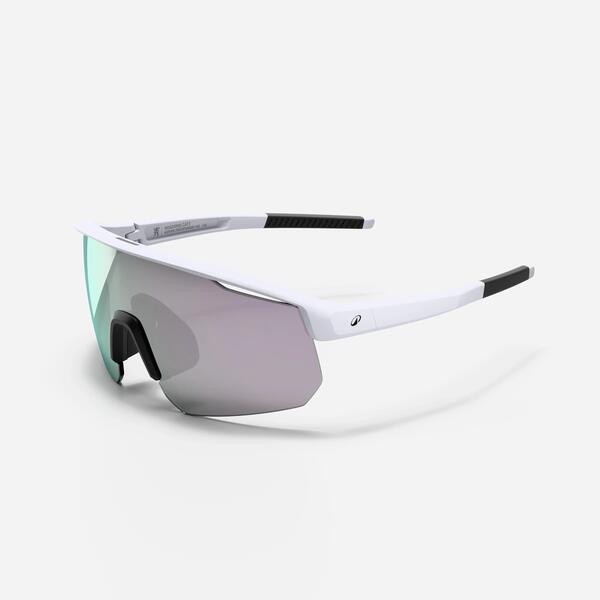
Sunglasses to shield your eyes on the trail.
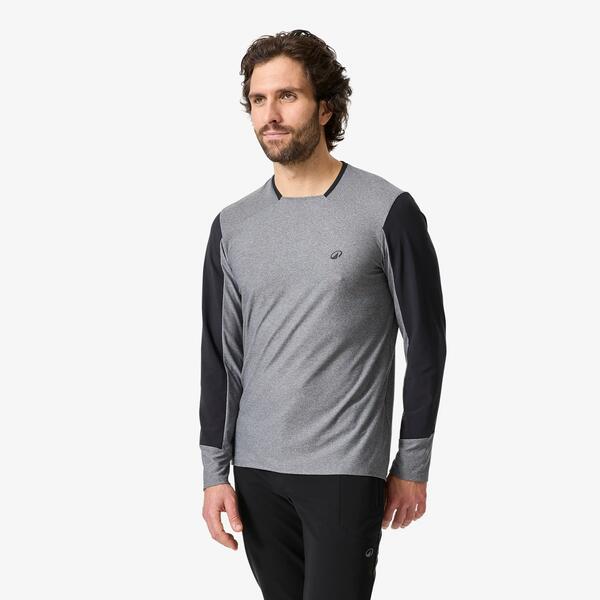
Jerseys and shorts that cover skin on the trail.
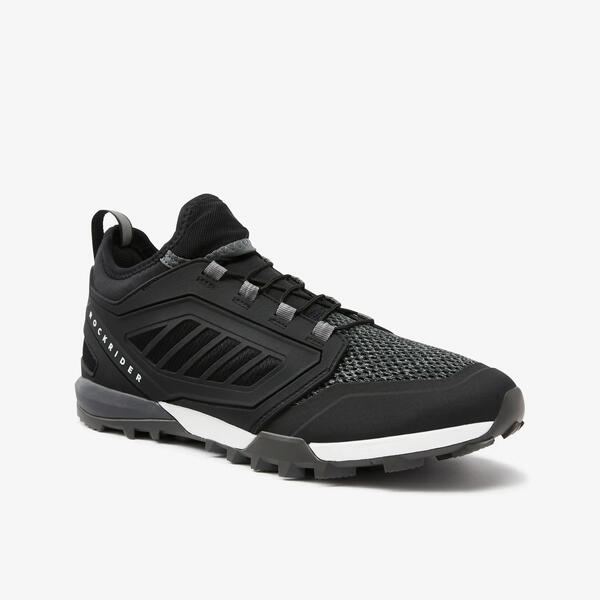
Grippy shoes and socks for pedals and pushes.
A helmet only works if it sits level and stays put when you shake your head. Measure around your head just above the eyebrows, then use the dial or straps to fine-tune. A visor helps keep sun and low branches off your face.
Soft, flexible knee pads suit long climbs and flowing trails because you can pedal in them all day. Bulkier guards with harder shells make more sense for steep, rocky descents and bike parks. Try them on with your riding shorts to check they do not slip.
Hands go down first in most falls, so full-finger gloves are worth it even in summer. Look for a snug fit with no spare fabric at the fingertips, since bunching affects your brake feel. Padding over the knuckles adds a little extra protection on tight, scrubby trails.
Dust, grit and flicking branches are part of trail riding. Choose glasses that wrap around and sit firmly when you look down at the trail. Lighter or photochromic lenses help when you ride in and out of tree shade.
A good helmet, full-finger gloves and glasses cover most days. Add light knee pads once the trails get rockier.
Plan on knee and elbow guards as standard. A tougher helmet and long sleeves add protection where crashes tend to be faster.
Start with a helmet, gloves and knee pads. They build confidence while skills catch up with the terrain.
| Gear | What it protects | Our tip |
|---|---|---|
| Helmet | Head | Replace it after any hard impact, even if it looks fine. |
| Knee pads | Knees and shins | Pull them on before you leave the car park, not at the trail head. |
| Elbow guards | Elbows and forearms | Worth adding for steeper, rockier trails and bike parks. |
| Gloves | Palms and fingers | Full-finger styles protect better than mitts in a fall. |
| Glasses | Eyes | Wraparound frames keep out dust and flicking twigs. |
| Long-sleeved jersey | Arms and shoulders | A light layer helps against scrapes and sun. |
A well-fitted helmet is the one item you should never ride without, and helmets are generally required by law when riding in Australia (check your state's road rules for details). After that, full-finger gloves and glasses are the next most useful pieces for most riders. Knee pads come next, then elbow guards as the trails get steeper and faster.
Not always, but many riders wear them because knees take a lot of knocks in a fall. Light, flexible pads are comfortable enough to pedal in all day, so they suit trail riding well. If you mostly ride smooth fire roads, you may decide to skip them, but they are a good idea while you are learning.
It should sit level, about two fingers above your eyebrows, and stay in place when you shake your head with the straps done up. The side straps should form a V just below your ears, with room for one or two fingers under the chin strap. If it rocks or presses on one spot, try another size or model.
Replace it after any crash where your head hits the ground, even if you cannot see damage, because the foam inside may already be compressed. Also check the manufacturer's guidance on age, since materials can break down over time. Cracks, dents or a broken fit system are clear signs it is time for a new one.
For steep, rocky or fast trails they are a sensible addition, because elbows often hit the ground when you fall sideways. For smoother riding, many people find a long-sleeved jersey is enough. Lighter guards are easier to forget you are wearing, so comfort is a good guide.
Get the essentials sorted and you can focus on the fun part. Explore our full mountain biking range for bikes, kit and spares.
Free delivery on orders over $150. Members get our lifetime warranty.