Desk-bound days
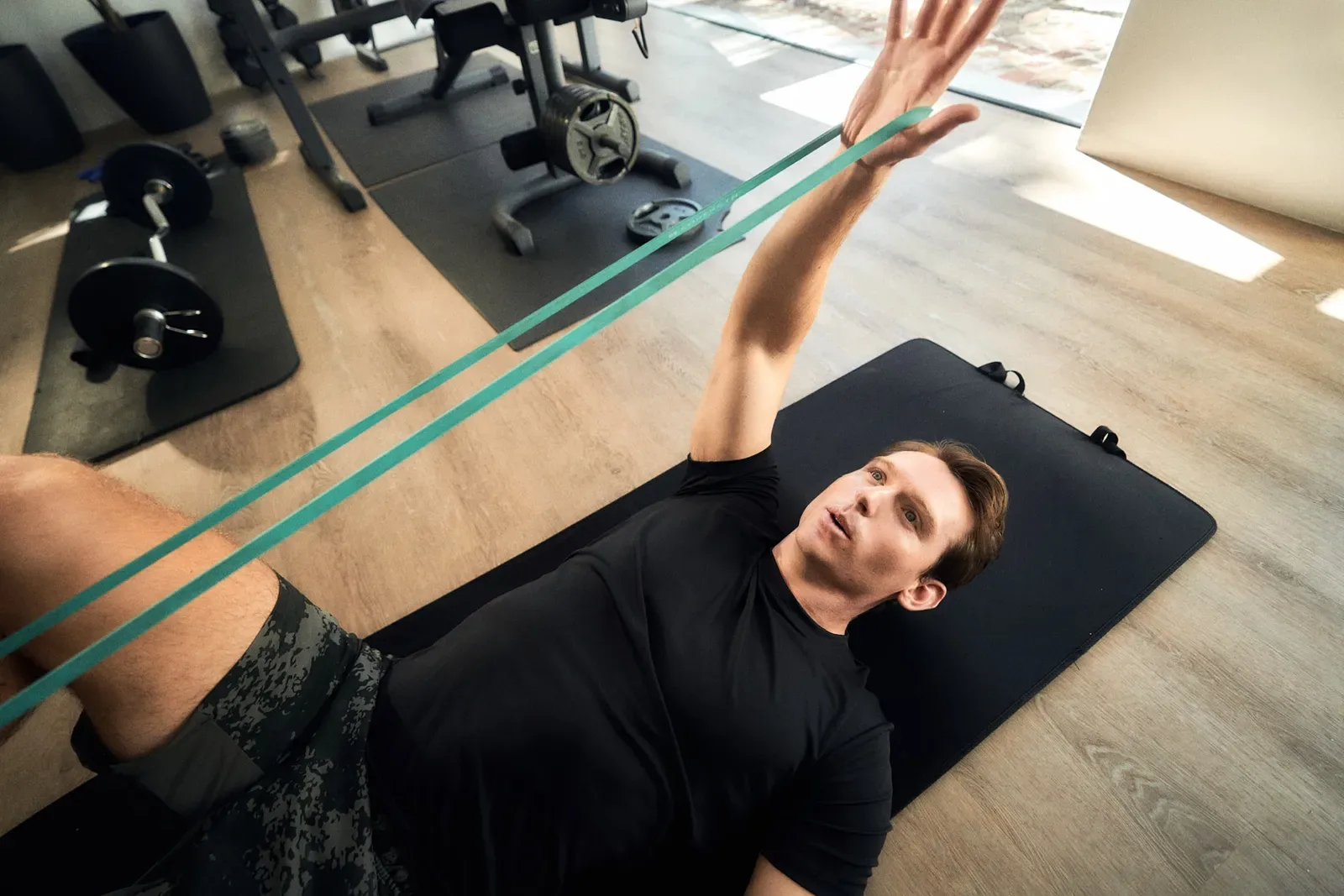
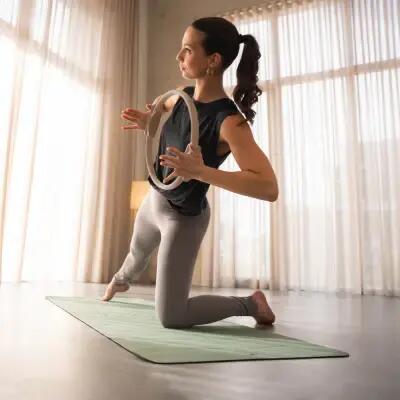
You sit a lot and want simple tools to loosen up your hips, back and shoulders.
Moving well makes everyday life and training feel easier. Here is the mobility and stretching equipment we rate for home, from foam rollers to yoga straps, and how to use it gently and often.
Six ranges for rolling, stretching and balance work.
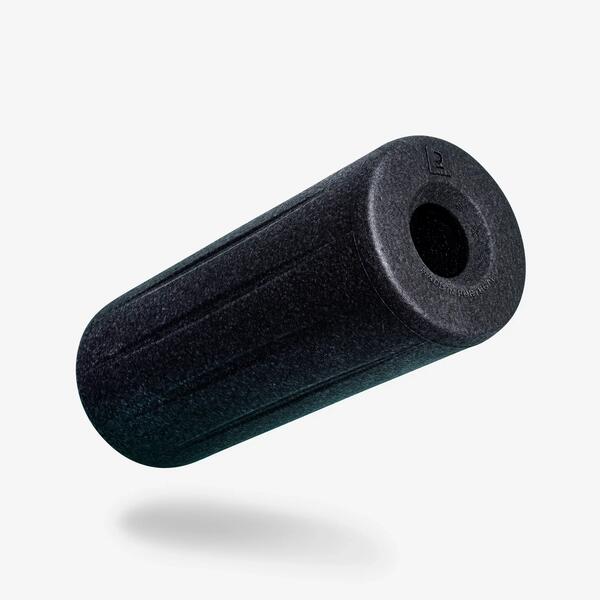
Soft to firm rollers, including textured and vibrating options.
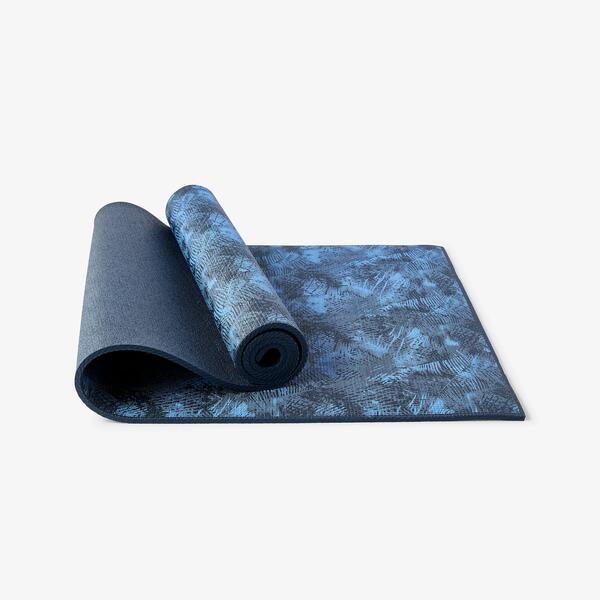
Grippy mats in a range of thicknesses for floor stretches.
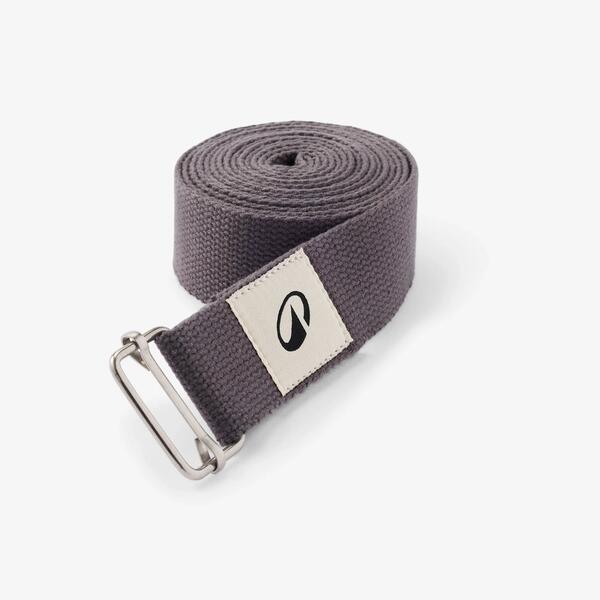
Blocks and straps that bring stretches within comfortable reach.
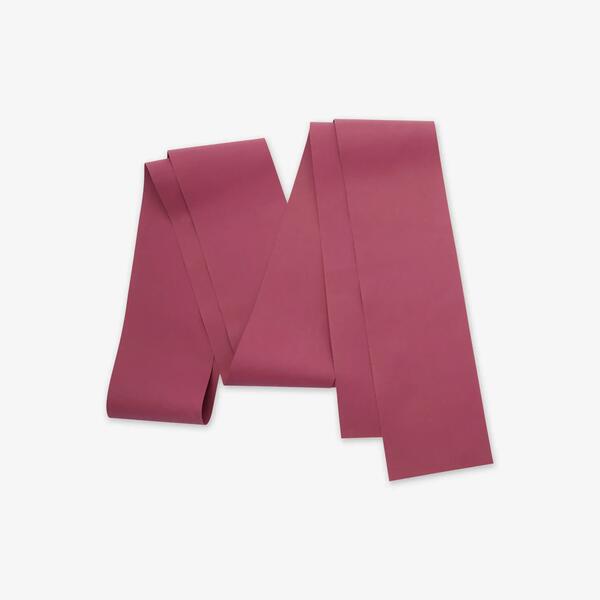
Light to strong bands for assisted stretches and gentle strength.
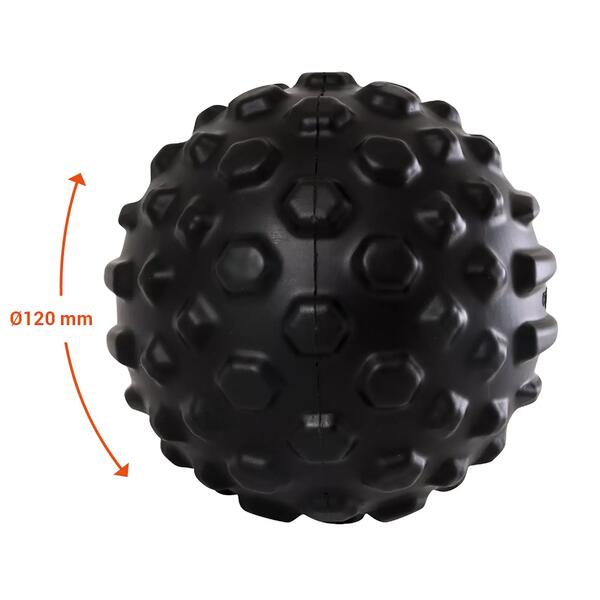
Massage balls and handheld tools for feet, back and shoulders.
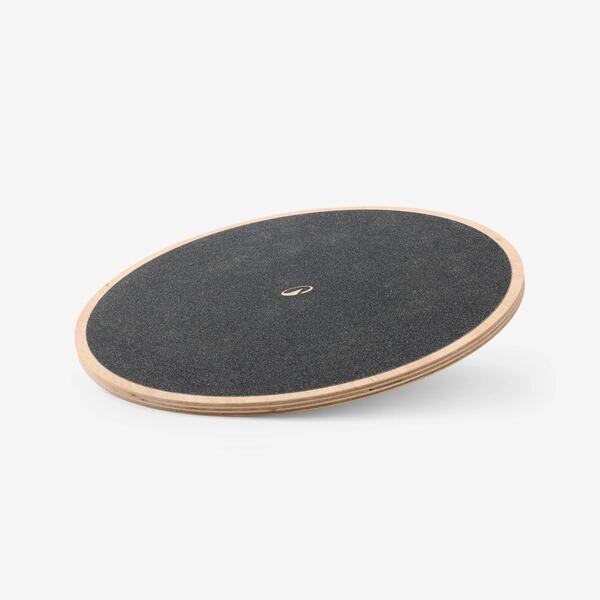
Balance boards, cushions and Swiss balls for stability work.
A softer roller or ball is kinder when you are starting out or have tender spots. Firmer and textured options press deeper and suit people used to the feeling. If you are unsure, start softer and work up.
If you cannot comfortably reach your feet, a strap bridges the gap without forcing the stretch. Blocks bring the floor closer in standing and seated positions. Both help you hold a good position while flexibility builds.
Short daily sessions are easier to keep up than one long session a week. Keep your kit where you can see it, like beside the couch. A few minutes after training or before bed adds up.
Stretching and rolling should feel like mild tension, never sharp pain. Breathe slowly and ease off if something hurts. If you are recovering from an injury or pregnant, check with a health professional first.
You sit a lot and want simple tools to loosen up your hips, back and shoulders.
You run, ride or lift and want a short routine for before and after sessions.
You are starting to stretch and want props that make positions easier to reach.
| Item | Why it matters | Tip |
|---|---|---|
| Foam roller | Covers larger areas like calves, thighs and upper back | Move slowly and pause on tight spots |
| Massage ball | Reaches smaller spots like feet and around the shoulder blades | Lean into a wall to control the pressure |
| Yoga mat | Gives grip and cushioning for floor stretches | A thicker mat is kinder on knees |
| Yoga strap | Extends your reach in hamstring and shoulder stretches | Keep breathing slowly as you hold the stretch |
| Yoga block | Brings the floor closer in standing and seated positions | Start at the tallest height and lower it over time |
| Resistance band | Adds gentle help or resistance to mobility drills | Choose a light band first |
| Balance board | Challenges stability through ankles and hips | Stand near a wall or bench for support |
A foam roller, a massage ball, a yoga mat and a strap cover most needs. The roller and ball help with tight muscles, while the mat and strap make stretching more comfortable. Add a band or a balance board once you have a routine you enjoy.
If you are starting out, a softer roller is usually more comfortable and easier to relax on. Firmer or textured rollers press deeper and suit people who are used to the sensation. Either way, roll slowly and keep the pressure at a level you can breathe through.
Many people do gentle, moving stretches as part of a warm-up and longer held stretches afterwards or on rest days. Both have a place, so choose what helps you feel ready and recover. If you have a specific goal or an injury, a physiotherapist or coach can tailor a routine for you.
Short, regular sessions tend to work better than occasional long ones. Even a few minutes on most days can help you feel looser over time. Listen to your body and take it easier on days when you feel sore or tired.
Rolling and stretching can feel relieving, but they are not a substitute for medical advice. If you have ongoing pain, numbness or an injury, see a health professional before you start. Stop any movement that causes sharp or worsening pain.
Pick one or two pieces, keep them where you will see them and give them a few minutes most days. There is plenty more to explore when you are ready.
Free delivery on orders over $150. Members get our lifetime warranty.