When temperatures fall, keeping your fingers together can help retain warmth. Mittens provide cosy hand coverage for skiing, snow play, hiking and other winter activities where warmth matters more than individual finger movement. Choose from everyday and technical styles to suit the conditions and how you'll be spending time outside.
Start with the level of warmth you need, as insulation can vary considerably between mittens designed for different winter conditions. Lighter insulation can suit active days and milder temperatures, while thicker insulation provides more warmth for colder snow conditions or longer periods outdoors. Also consider how much dexterity you need, as greater insulation can add bulk around the hands.
Waterproofing
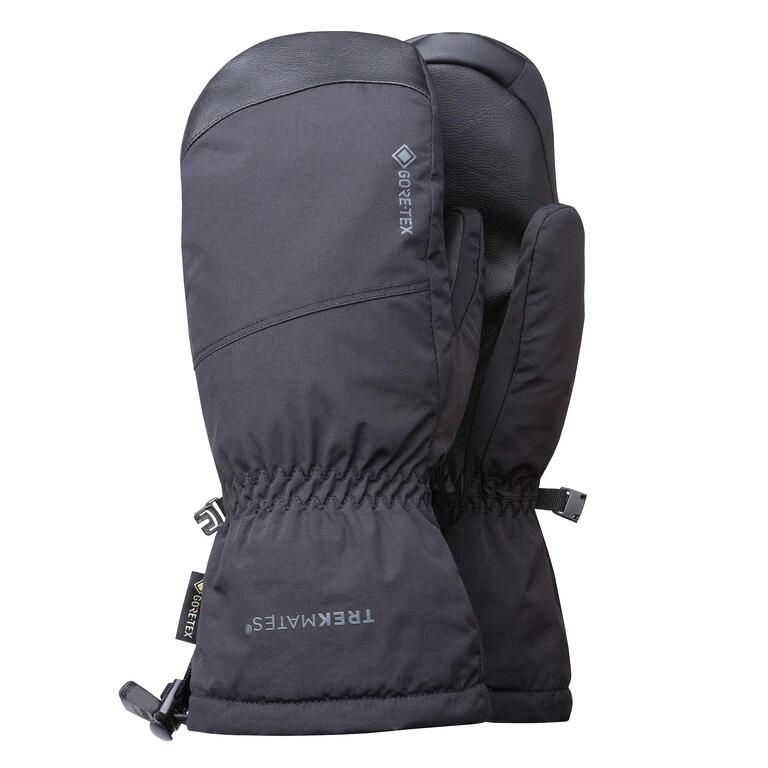
Warm insulation won't help as much once your mittens become wet, so consider how much contact you'll have with snow and moisture. Waterproof membranes and water-resistant outer materials help keep moisture away from your hands, which becomes particularly important for skiing, snow play and wetter winter conditions. If you're expecting regular contact with snow, prioritise solid waterproof protection rather than warmth alone.
Palm Grip and Durability
The palms need to cope with ski poles, equipment and repeated contact with outdoor surfaces. Textured palms can improve grip, while reinforced materials add durability in areas that experience more wear. A sturdy, grippy palm is especially useful if you'll regularly handle poles or other winter equipment.
Cuff and Closure
Look at how the cuffs will work with the sleeves of your winter jacket. Longer cuffs provide more coverage around the wrist, while shorter cuffs offer a more compact fit. Adjustable straps, drawcords or elasticated sections can also help secure the mittens and limit gaps where cold air or snow can enter.
Skiers and snowboarders. Your hands can spend hours exposed to cold, snow and changing mountain conditions. Mittens keep your fingers together for warmth while providing the coverage you need for longer days on the slopes.
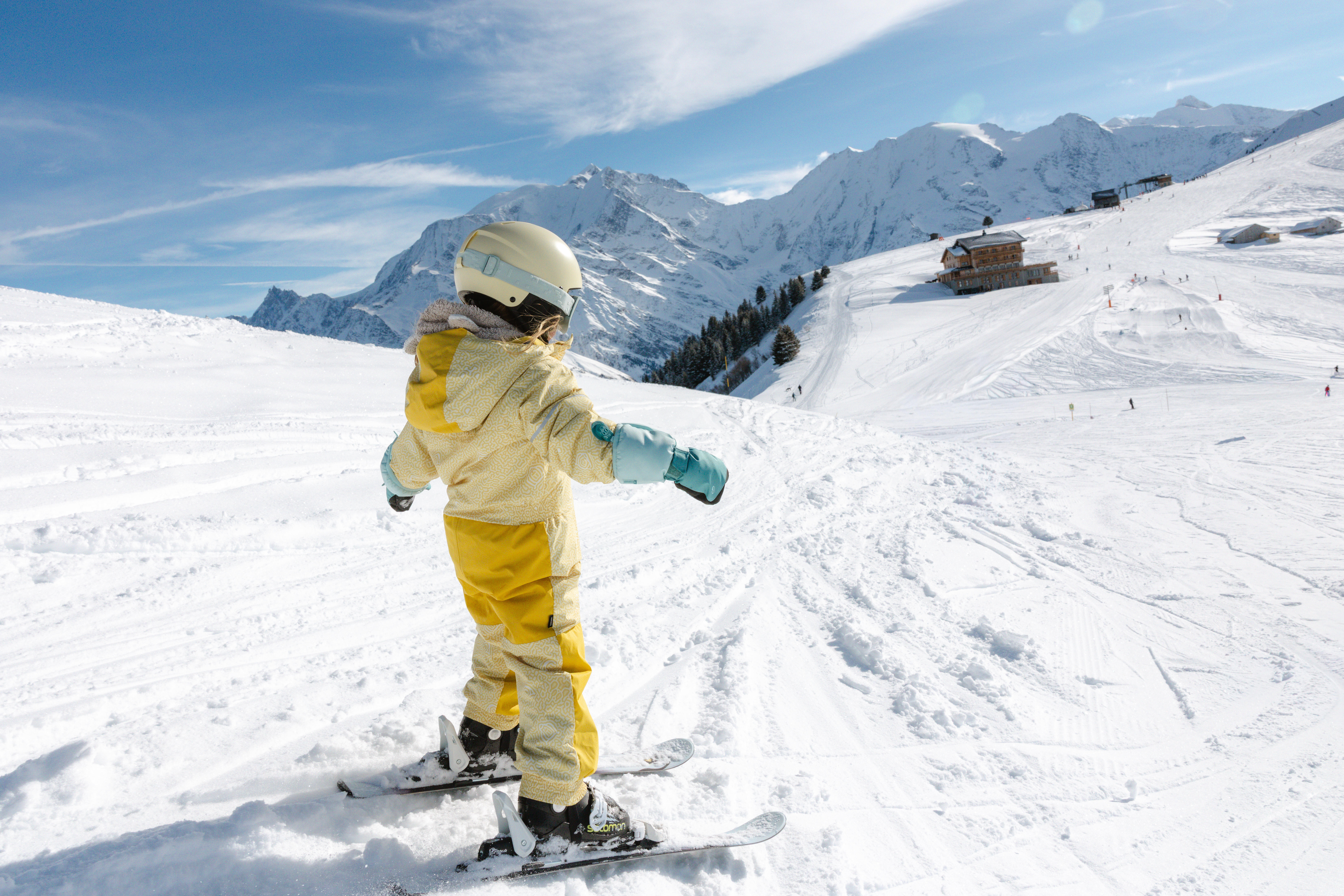
Kids learning and playing in the snow. Ski lessons, snowballs and plenty of hands-on exploring can leave little hands exposed to cold and moisture. Warm, weather-ready mittens provide practical coverage for the way kids actually spend a day in the snow.
Cold-weather walkers and explorers. You spend extended time outside in winter and prioritise warmth over the individual finger movement of gloves. Mittens are particularly useful for colder walks, winter travel and outdoor activities where keeping your hands warm is the main concern.
Get Your Mittens Ready for the Next Snow Day
Brush away loose snow and open the cuffs after use so your mittens can dry thoroughly before being packed away. Remove detachable liners where possible to help moisture escape, and keep wet mittens away from direct heat that could affect waterproof materials, insulation or other components. Check the palms, seams, straps and fastenings regularly for wear, then follow the care label whenever a deeper clean is needed.
Mittens by type
Type
Best for
Kids' mittens
Snow play, winter outings and cold-weather activities for smaller hands.
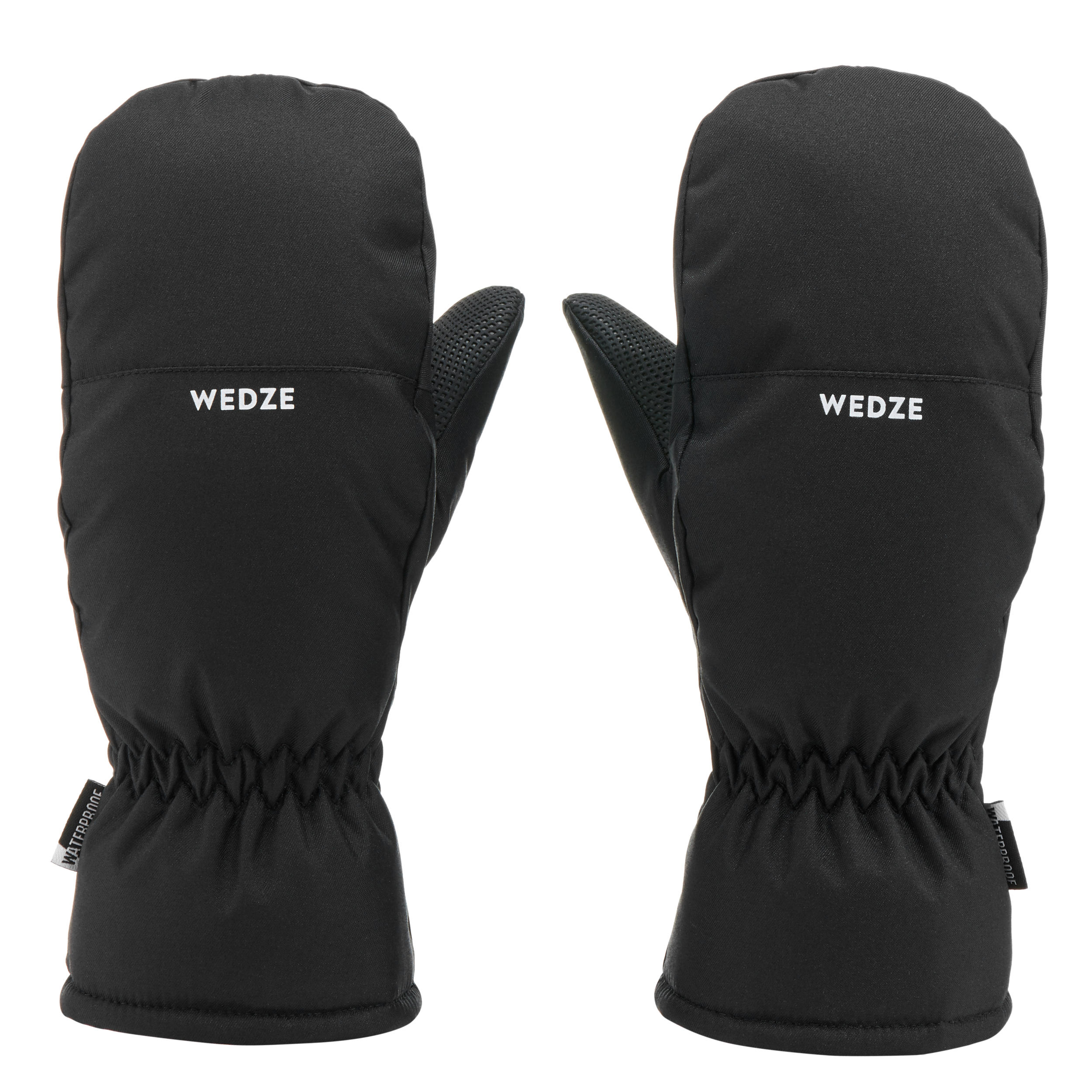
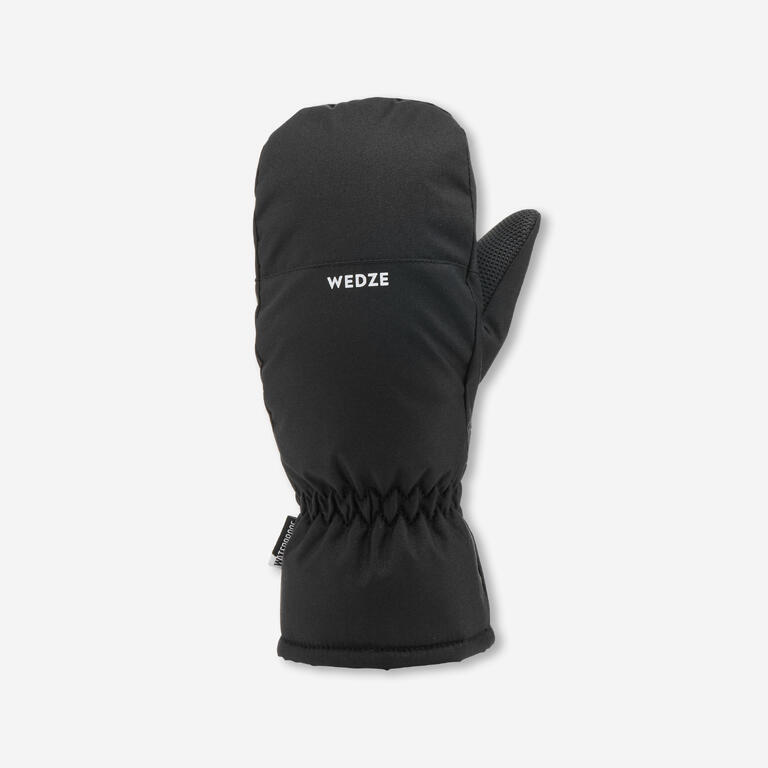
Days on the slopes where warmth and protection from snow and moisture are priorities.
Ski and snow mittens
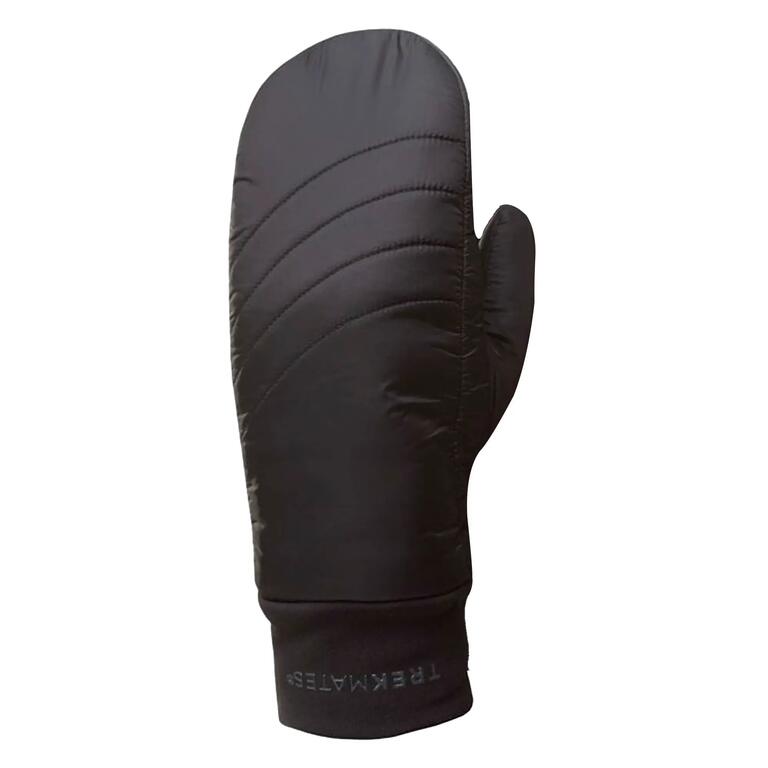
Cold-weather activities when you need occasional access to a phone or device.
Touchscreen mittens
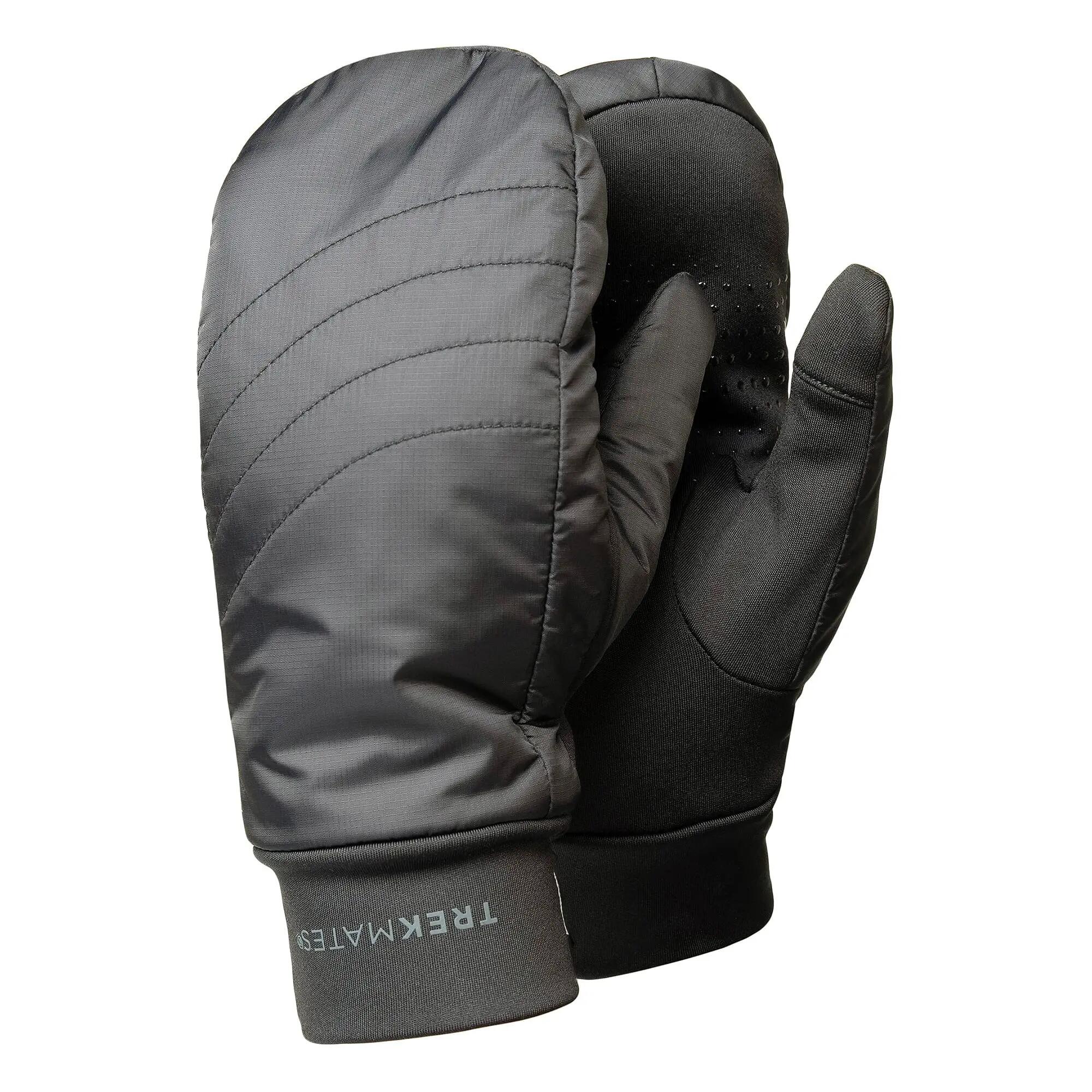
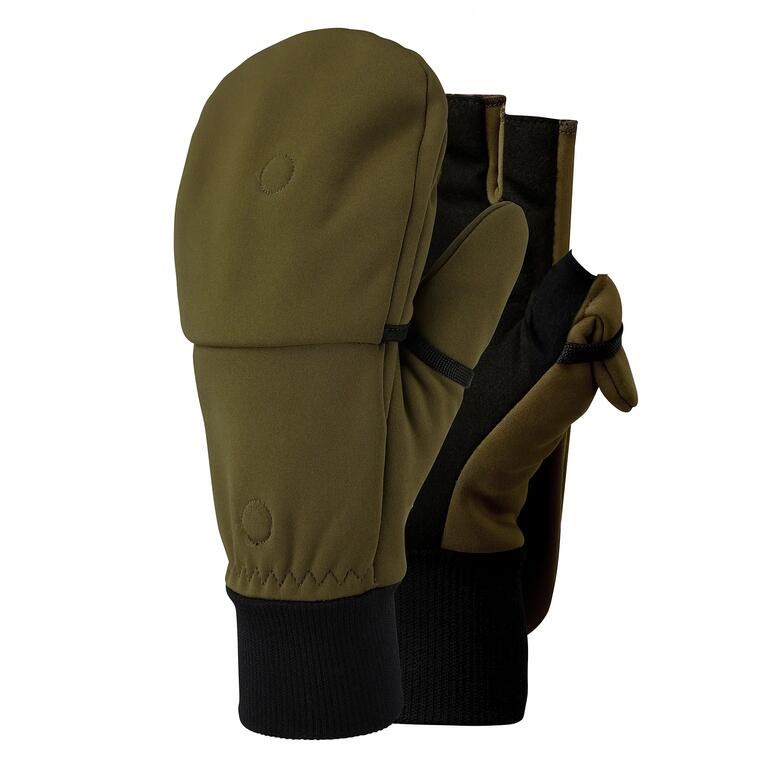
Hiking and trekking when you want mitten warmth with quick access to your fingers.
Generally, mittens can retain more warmth because your fingers share the same compartment instead of being separated. Gloves give you greater individual finger movement, so the better choice comes down to what matters more for what you're doing: warmth or dexterity.
Do I need waterproof mittens for skiing?
Waterproofing is particularly useful for skiing and snow play because your hands can regularly come into contact with snow and moisture. Not every pair offers the same level of protection, so check the individual product specifications if you'll be spending plenty of time in wet snow.
What are convertible mittens?
Are mittens or gloves better for kids?
Can I use mittens for activities other than skiing?
Convertible mittens let you uncover some or all of your fingers when you need more dexterity, then cover them again when warmth becomes the priority. They can be practical for hiking, trekking and other outdoor activities where you regularly switch between keeping warm and handling smaller items.
Mittens can be a practical choice when warmth and ease of dressing are the priorities, particularly for younger children. Gloves provide more finger movement for handling equipment and other tasks. Consider the child's activity, age and how much dexterity they'll need.
Yes. Mittens can also suit winter walking, hiking, trekking, travel and everyday cold-weather use. Different designs offer different levels of insulation, weather protection and dexterity, so match the pair to the conditions and what you'll be doing.
Keep Winter Plans in Your Hands
Cold hands can quickly take the fun out of a winter day, on the slopes, exploring outdoors or playing in the snow. The right mittens bring together the warmth, weather protection and practical fit you need for the conditions ahead. Pick the pair that suits how you spend winter and keep your hands ready for whatever you're doing next.
 All SportsMenWomenKidsAccessoriesEquipment and LeisureHealth & NutritionBest DealsNew ArrivalsMarketplace

 Hiking & Trekking
 Swimming
 Cycling
 Fitness (Yoga/Pilates)
 Camping
 Running