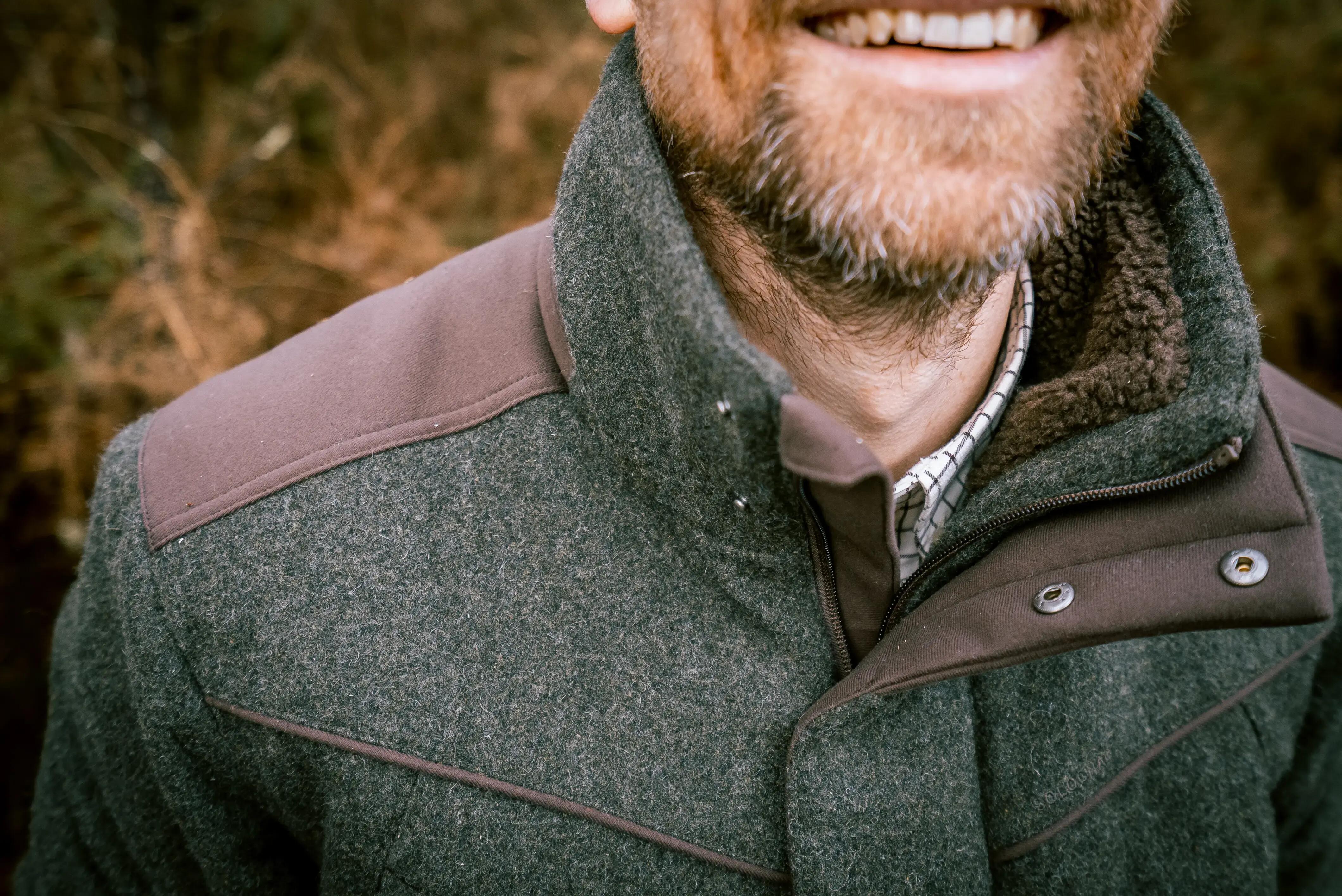
Cold-weather comfort begins with the layer closest to your skin. Merino wool thermals provide natural warmth while helping manage moisture and resist odour as you move, making them a practical base for hiking, trekking and active days outdoors. Wear them beneath your winter layers to stay comfortable without unnecessary bulk.
Check the fabric composition rather than assuming all merino wool thermals are the same. Pure merino offers wool's natural temperature-regulating, moisture-managing and odour-resistant properties, while blends with synthetic fibres can add durability, stretch or faster drying. Think about what you value most, natural fibre performance, easier care or added durability, when comparing different fabrics.
Fabric Weight
Fabric weight affects how warm your thermals feel and how substantial they are beneath your other layers. Lightweight merino can suit active pursuits, transitional weather and situations where you're likely to generate plenty of body heat, while heavier fabrics provide more insulation in colder conditions. Match the weight to both the temperature and your expected activity level rather than simply choosing the thickest option.
Breathability and Moisture Management
A good base layer should remain comfortable as your body temperature and activity level change. Merino wool naturally helps manage moisture, while some thermals use breathable panels or fabric blends to improve airflow where heat builds up. Prioritise these features for hiking, trekking and other active pursuits.
Coverage and Fit
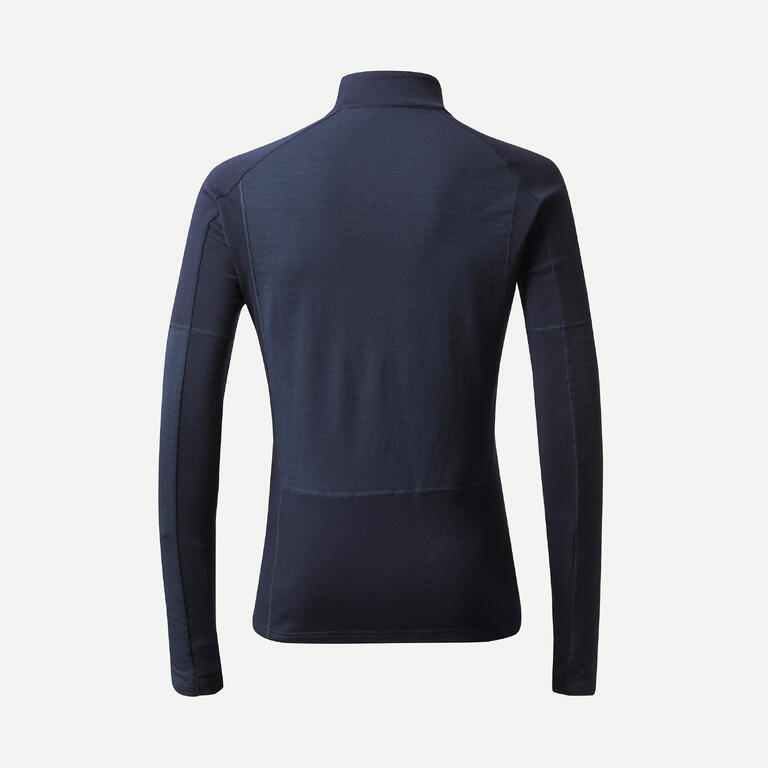
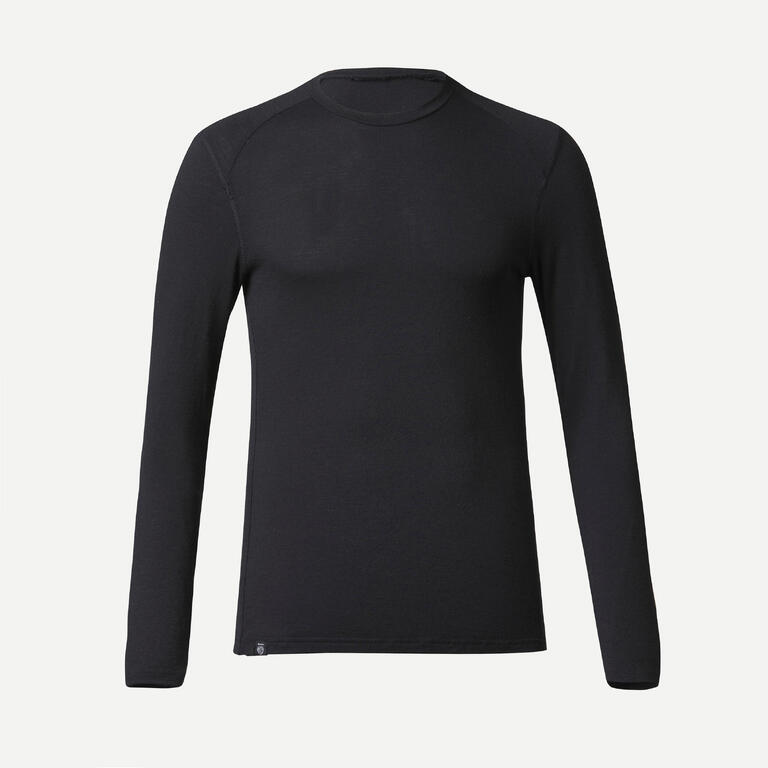
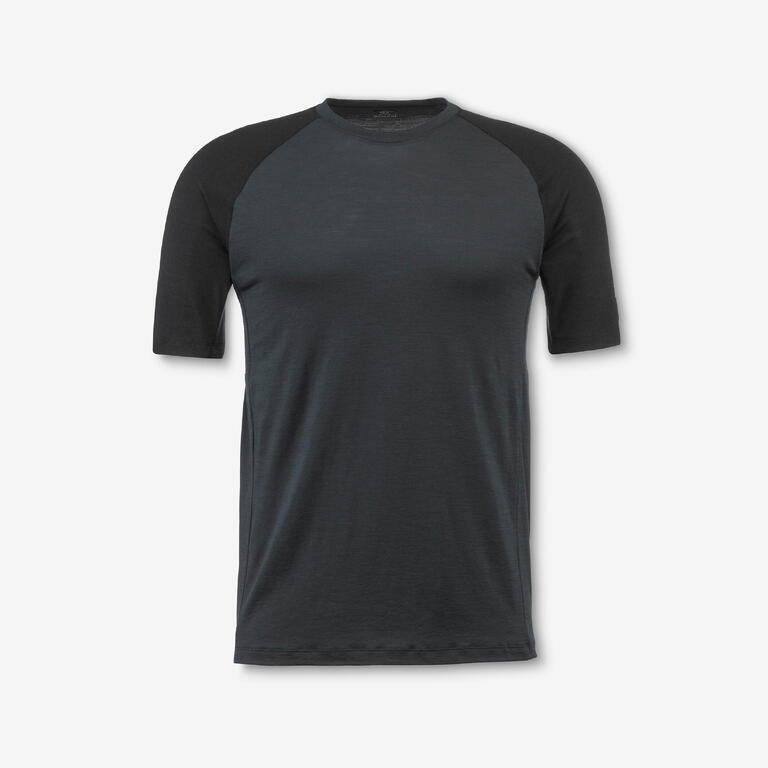
Thermals should sit comfortably close to the skin without restricting movement or bunching beneath other layers. Long sleeves and higher necklines provide more coverage in colder conditions, while lighter or shorter designs can suit more active use. Look for a fit that works comfortably beneath the rest of your winter clothing.
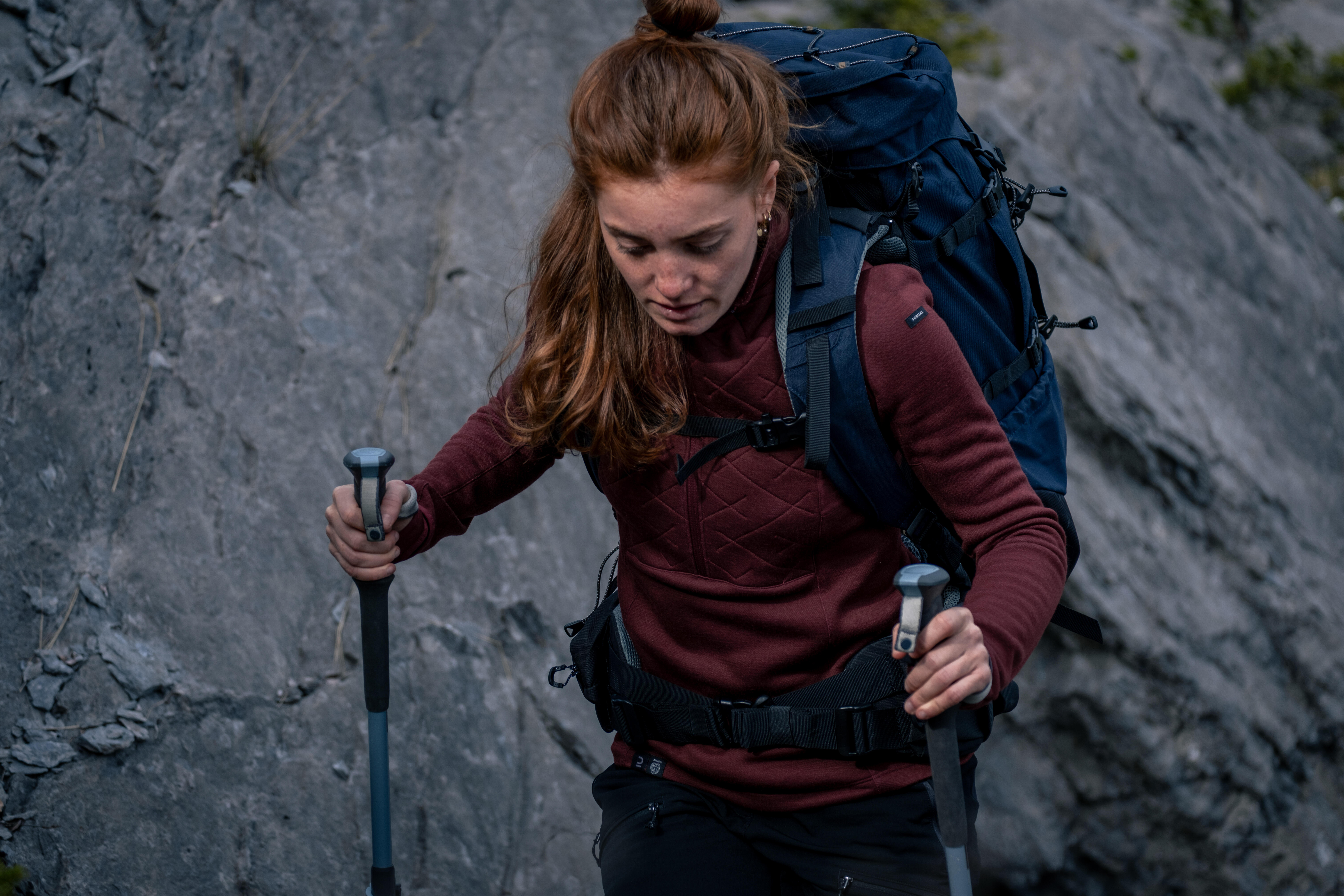
Active hikers and trekkers. You move between climbs, rest stops and changing temperatures, so your base layer needs to handle more than warmth alone. Merino wool thermals help manage moisture and temperature as your effort changes throughout the day.
Cold-weather explorers. You're heading into lower temperatures where a solid base layer forms an important part of your winter setup. Merino wool thermals add warmth close to the body while layering comfortably beneath insulating and outer clothing.
Multi-day travellers and campers. You're packing for several days away and want to get more wear from the layers you bring. Merino wool's natural odour resistance makes these thermals particularly practical for camping, trekking and winter trips where changing clothes frequently isn't always convenient.
Caring for Your Merino Layers
Follow the care label closely when washing merino wool thermals, paying attention to the recommended cycle, temperature and drying method. Use a suitable detergent where specified and avoid excessive heat, which can affect wool fibres and the fit of your base layers. Once clean, let your thermals dry as directed and store them completely dry to help maintain their shape, softness and performance.
Merino wool thermals by type
Type
Best for
Lightweight merino thermals
Active layering and milder conditions where breathability and lower bulk matter.
Hiking, trekking and general winter use where balanced warmth and breathability are useful.
Midweight merino thermals
Colder conditions and lower-intensity activities where extra insulation is the priority.
Heavyweight merino thermals
Regular outdoor use where added stretch or durability is useful alongside merino wool.
Why choose merino wool thermals over synthetic thermals?
Merino wool naturally helps regulate temperature, manage moisture and resist odour, which can make it particularly useful for extended outdoor wear. Synthetic thermals can offer advantages such as quicker drying and durability, so your choice depends on the conditions, activity and qualities you value most.
Do merino wool thermals go directly against your skin?
Generally, yes. Thermals work as a base layer, so they're usually worn close to the skin beneath your insulating and outer layers. A comfortable close fit also helps avoid excess fabric bunching beneath the rest of your clothing.
Are merino wool thermals itchy?
Are merino wool thermals good for hiking and trekking?
Can I wear merino wool thermals for skiing and snow sports?
Fine merino wool is generally softer than coarser traditional wool, but how it feels against the skin varies between people and products. Check the fabric composition if you're particularly sensitive to wool, especially when choosing a base layer you'll wear for extended periods.
Yes. Merino wool can work particularly well for hiking and trekking because it combines warmth with breathability and moisture management. Consider the weather, your activity level and the rest of your layering system when deciding which thermal suits your trip.
Yes. Merino wool thermals can form the base layer of a ski or snow outfit, sitting underneath insulating and weather-protective layers. Choose a style suited to the temperature and your activity level so you can layer comfortably without unnecessary bulk.
Make Merino Your First Layer
Merino wool thermals can take you from everyday cold mornings to long days hiking, trekking or exploring in winter. Comfortable against the skin and easy to build other layers around, they're a practical starting point whenever colder conditions call for more warmth. Get the base right, then layer up for wherever you're heading.
 All SportsMenWomenKidsAccessoriesEquipment and LeisureHealth & NutritionBest DealsNew ArrivalsMarketplace

 Hiking & Trekking
 Swimming
 Cycling
 Fitness (Yoga/Pilates)
 Camping
 Running