Beginners and home workouts
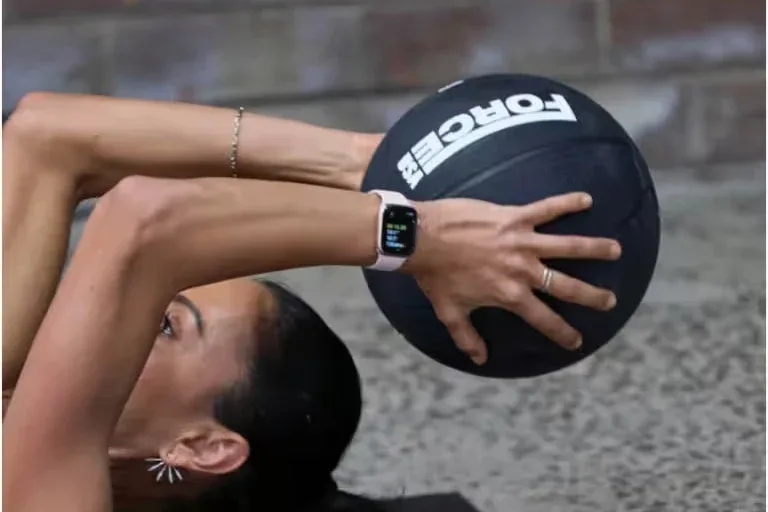
A light medicine ball is a gentle way to add load to core work, twists and squats while you learn the moves.
A medicine ball is one of the simplest ways to add load to squats, twists and throws. We'll help you pick the right weight and type, from light starter balls to slam balls built to hit the floor.
Options from our medicine and slam ball range, plus a kettlebell to pair with it.
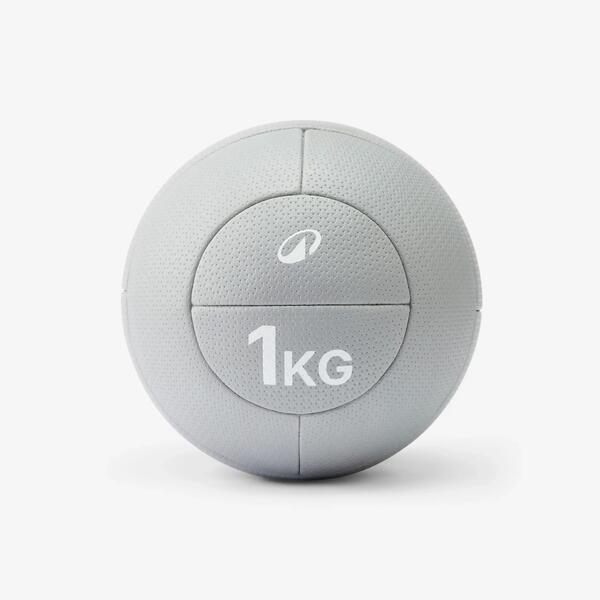
Lighter balls for learning twists and core work.
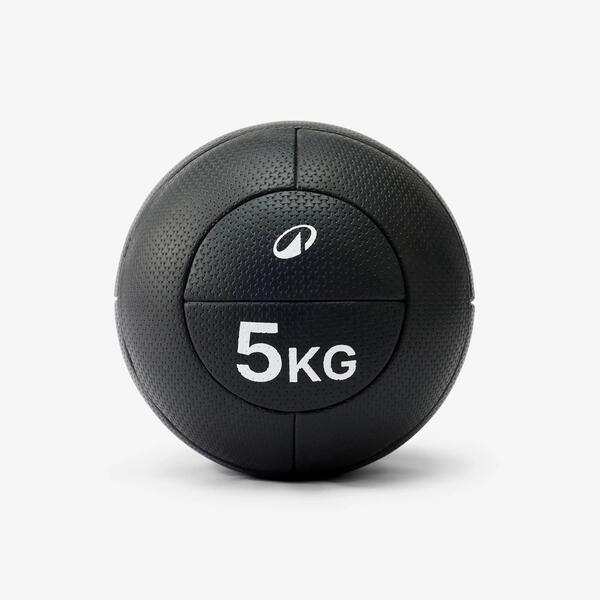
Heavier balls for loaded squats, lunges and full-body moves.
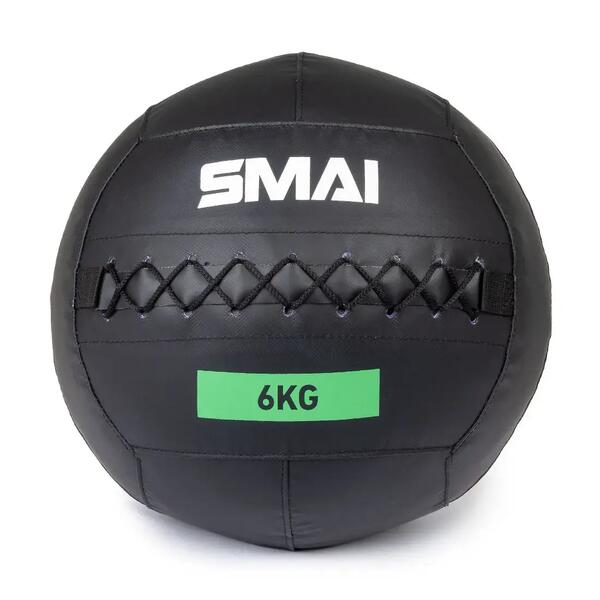
Larger, softer balls made for throwing at a wall.
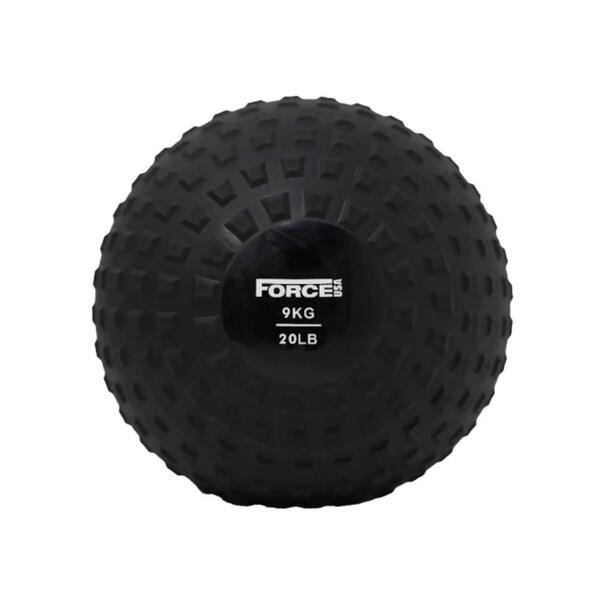
Dead-bounce balls built to be slammed into the floor.
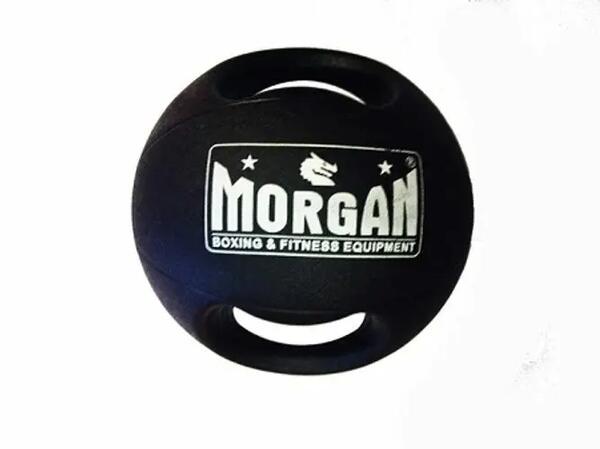
Handled balls for a secure grip on swings and presses.
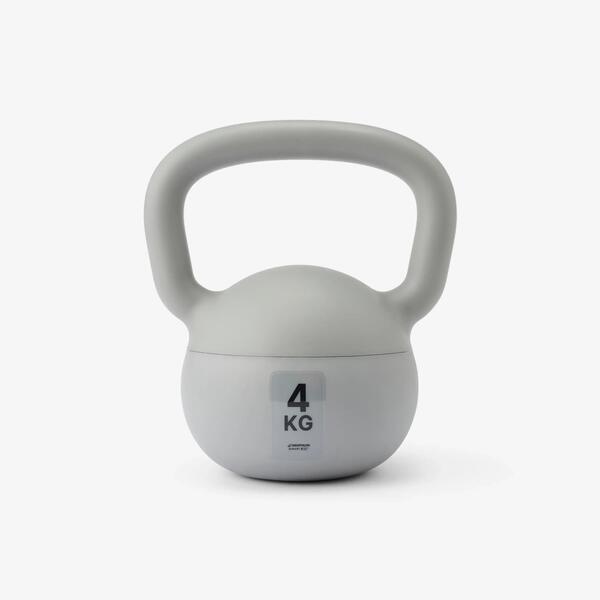
Kettlebells for swings, carries and goblet squats.
Start lighter than you think. A ball you can move with good form for every rep will do more for you than a heavy one that pulls you out of position. Many people keep a light ball for fast, twisting moves and a heavier one for squats and carries.
A textured or ridged shell is easier to hold when your hands are sweaty. Handled balls give an even more secure grip for presses and swings. If you'll be catching it, a softer shell is kinder on your hands.
Slam balls are made to land with a dead thud and stay put, so you can slam them hard without chasing them. Some medicine balls have a little bounce, which suits throws against a solid wall. Check the product page so you know which you're getting.
Slams and throws need clear space and a floor that can take the impact. A gym mat protects floors and makes the ball quieter. Once you own a few balls, a rack keeps them off the floor and out of the way.
A light medicine ball is a gentle way to add load to core work, twists and squats while you learn the moves.
Wall balls and slam balls suit throwing, catching and slamming in fast, full-body sessions.
Heavier or handled medicine balls add challenge to squats, lunges, carries and presses.
| Option | Best for | Tip |
|---|---|---|
| Light medicine ball | Core work, twists and learning technique | Choose a weight you can control for every rep |
| Heavier medicine ball | Loaded squats, lunges and carries | Step up gradually as your form stays steady |
| Wall ball | Throwing to a wall target and catching | Use a solid wall with plenty of space around you |
| Slam ball | Slams and powerful floor throws | Slam onto a gym mat or sturdy floor |
| Handled medicine ball | Swings, presses and secure grip work | Keep the movement controlled through the handles |
| Kettlebell | Swings, goblet squats and carries | Pairs well with a medicine ball for full-body sessions |
Pick a ball light enough that you can finish every rep with good form, especially on fast or twisting moves. Many beginners start with a light ball for core work and add a heavier one later for squats and carries. If a set leaves you rushing, arching your back or losing control, drop the weight.
A medicine ball is a weighted ball for holding, twisting and passing, and some have a little bounce. A wall ball is usually larger with a softer shell, made to be thrown at a wall target and caught. A slam ball has a dead bounce, so it lands and stays put when you slam it into the floor.
It's better not to. Medicine balls that bounce can rebound unpredictably, and some shells aren't made for repeated impact. For slams, use a slam ball, which is built to absorb the hit and stay where it lands. Always slam onto a surface that can take it, such as a gym mat.
Yes. One ball covers squats, lunges, twists, presses and core work, and it takes up little space. Make sure you have clear room around you, especially for throws, and protect your floor with a mat. If you live in an apartment, quieter holds and twists may suit better than slams.
Warm up first, start light and keep every movement controlled. Brace your core, keep your back neutral and only throw to a solid wall with nothing breakable nearby. If you're new to training, returning from injury or feel pain during a move, stop and check in with a qualified trainer, GP or physio before going further.
Start with the weight that feels controlled and build from there. Mats, weights and more are in our fitness range.
Free delivery on orders over $150. Members get our lifetime warranty.