First-time half marathoners
A clear checklist takes the guesswork out of your first big race.
Long runs reward kit you have tested and trust. Here is our checklist for half marathons, marathons and big weekend runs, from shoes and socks to fuel, water and a watch to pace it all.
The gear we would sort first for long runs, in order of importance.
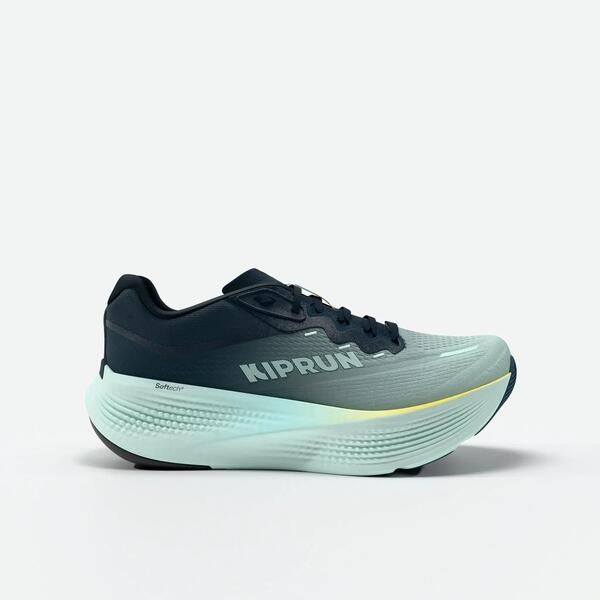
KIPRUN shoes for easy runs, tempo work and race day.
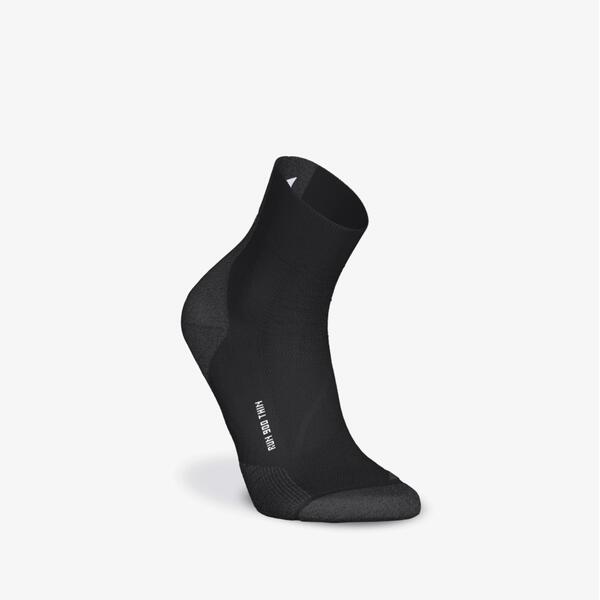
Thin and thick KIPRUN running socks in several heights.
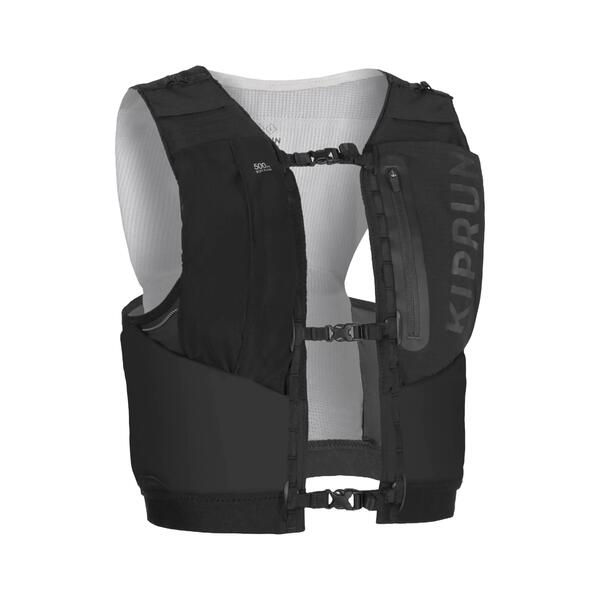
Running vests, bottle belts and flasks to carry water.
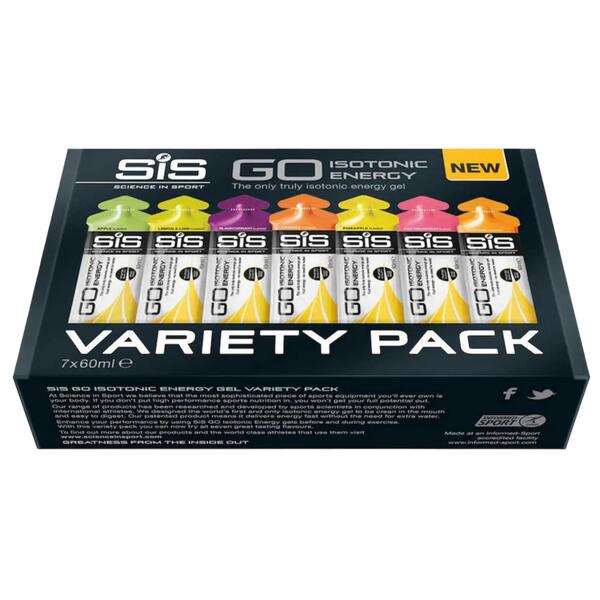
Energy gels, electrolytes and recovery drinks for long runs.
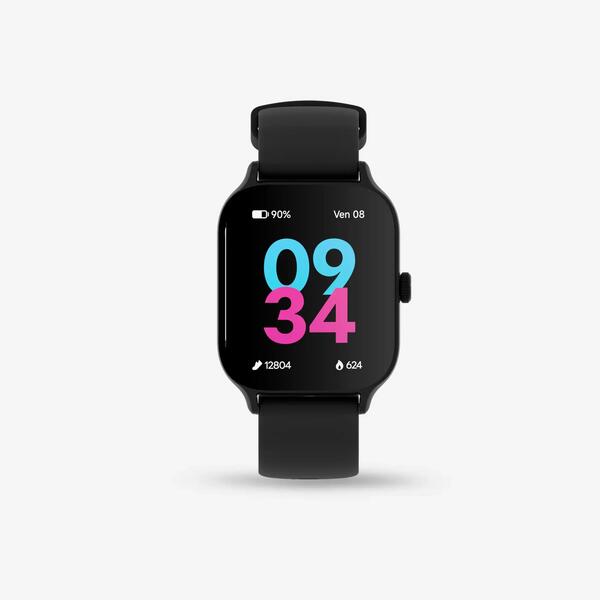
GPS watches, stopwatches and spare straps to track runs.
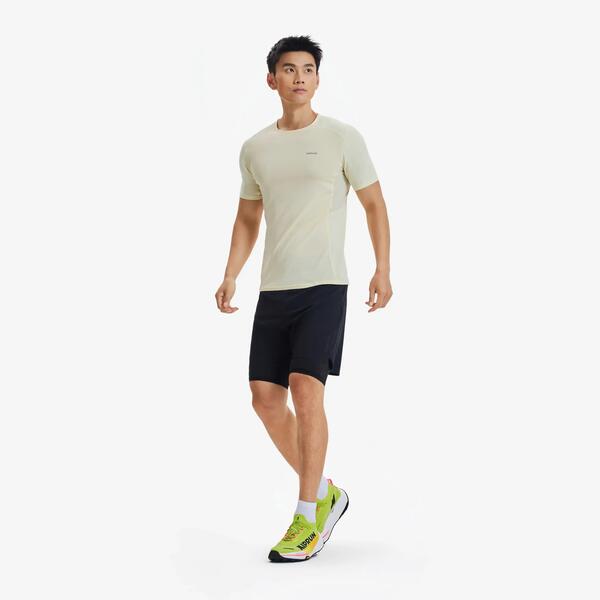
Running shorts, plus a few briefs and boxers.
Choose cushioning and fit that still feel good an hour into a run. Run in them for a few weeks before any race so there are no surprises.
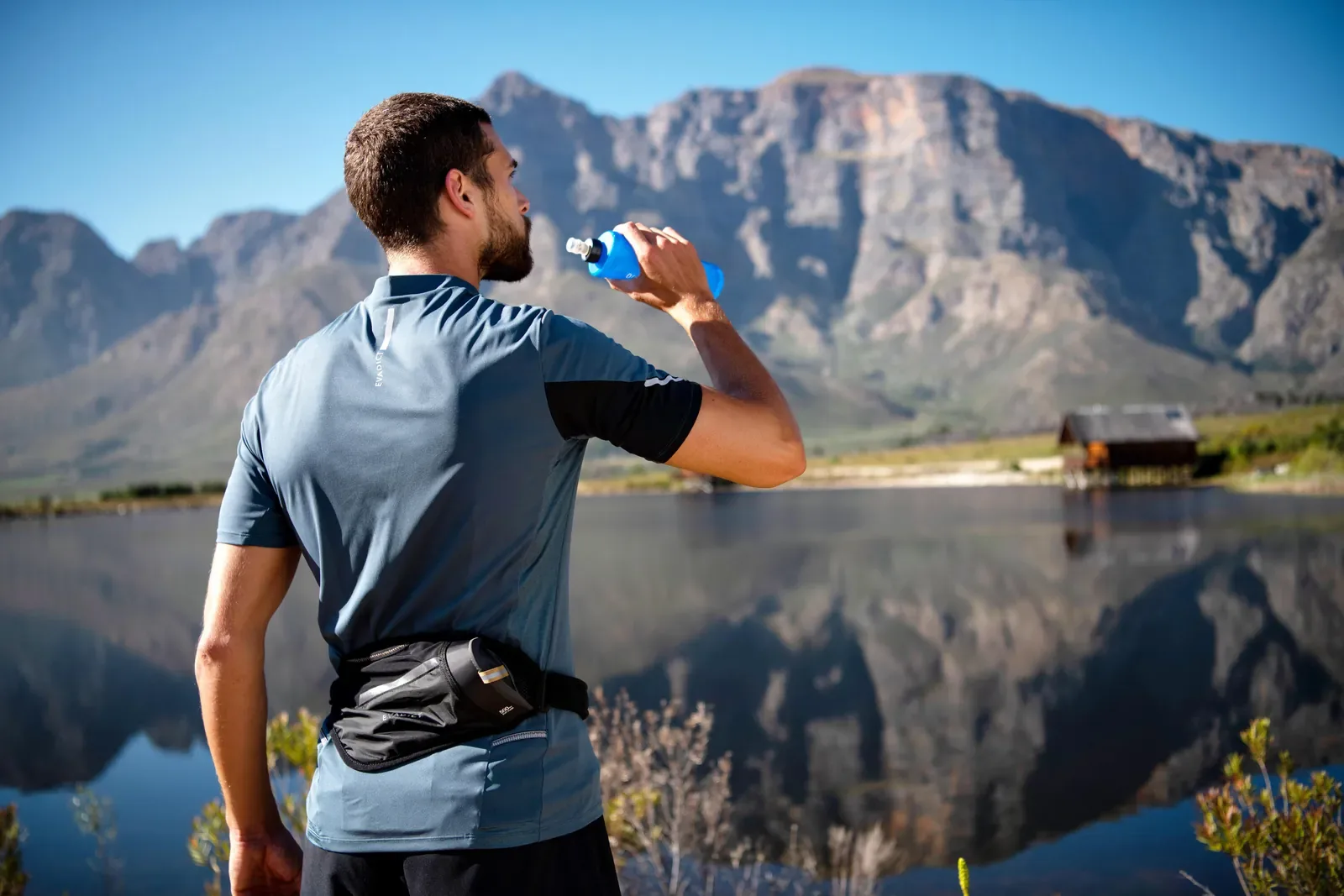
A belt suits shorter long runs, while a vest carries more water and fuel. Practise drinking on the move so it feels natural on the day.
Gels and drinks affect everyone differently. Test them on training runs and stick with what sits well with your stomach.
Wear shoes, socks and clothing you have already run long in. It is the simplest way to avoid rubbing and blisters.
A clear checklist takes the guesswork out of your first big race.
Long weekend runs are the place to test every piece of kit before race day.
Even without a race in mind, the right kit makes long runs more enjoyable.
| Item | Why it matters | Tip |
|---|---|---|
| Running shoes | Comfort over many kilometres | Break them in over several weeks |
| Running socks | Help reduce rubbing and blisters | Test the exact pair on a long run |
| Vest or bottle belt | Water and fuel within reach | Practise drinking while you move |
| Energy gels | Help top up energy on long efforts | Try them in training first |
| Running watch | Keeps your pace honest | Set it up the night before |
| Running shorts | Pockets and comfort for long efforts | Check seams for rubbing spots |
| Compression shorts | Help reduce rubbing on long runs | Test them on a training run first |
Well-fitted running shoes and good socks matter most, followed by clothing that does not rub. Many runners also carry a little water and a gel or two, and use a watch to pace themselves. Whatever you choose, test it on your long training runs first.
A belt with one or two small bottles suits many half marathon and shorter long runs. A vest carries more water and fuel and spreads the weight across your back, which helps on longer or self-supported runs. Check if your race has drink stations before you decide.
Many runners take a gel every so often once they are past the first part of a long run, but timing is personal. Read the guidance on the pack, try different timings in training and take gels with water. If you have a health condition, check with a health professional.
Start with shoes that fit well and socks you have already run long in. Keep feet dry where you can and deal with hot spots early, before they become blisters. Some runners also use anti-chafe balm on areas that tend to rub.
We would not. Run in your race shoes for a few weeks, including at least one long run, so you know they suit you. A pair that is broken in but still has plenty of life left is usually the safest choice.
Sort your kit, test it in training, and race day becomes about the running. Our full running range is here when you need it.
Free delivery on orders over $150. Members get our lifetime warranty.