Gym regulars
Loop straps cover rows, pulldowns and deadlifts with one simple pair.
Lifting straps take the strain off your grip so your back and legs can do the work on heavy pulls. We'll help you choose a style, plus the wraps, belts and gloves around it.
Strap styles from our weight training range, plus the support gear that goes with them.
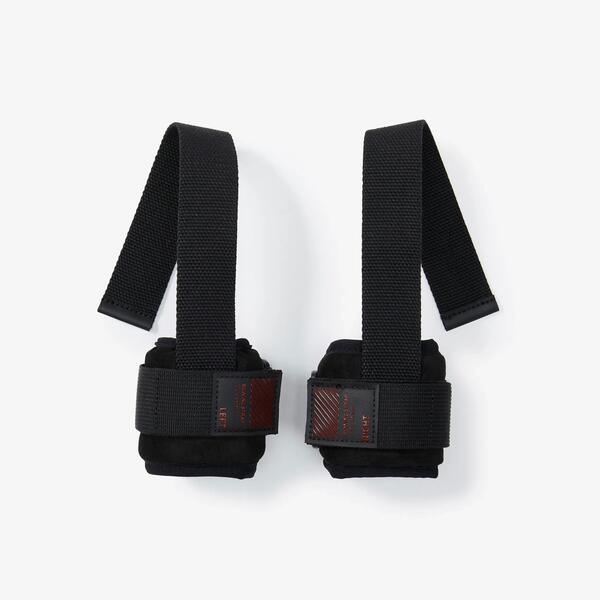
Classic loop straps that wrap the bar for rows.
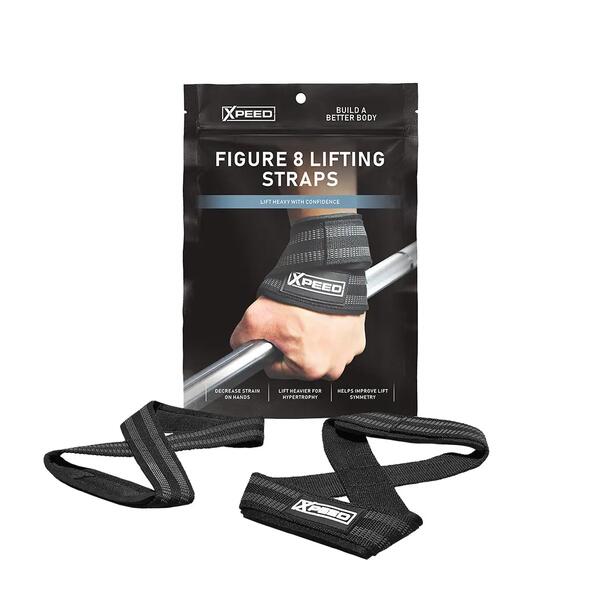
Figure 8 straps that lock your grip for deadlifts.
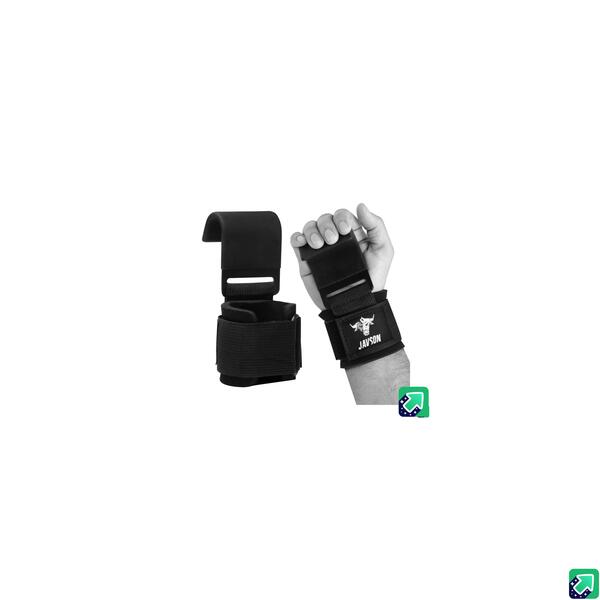
Hook straps that clip on and off quickly.
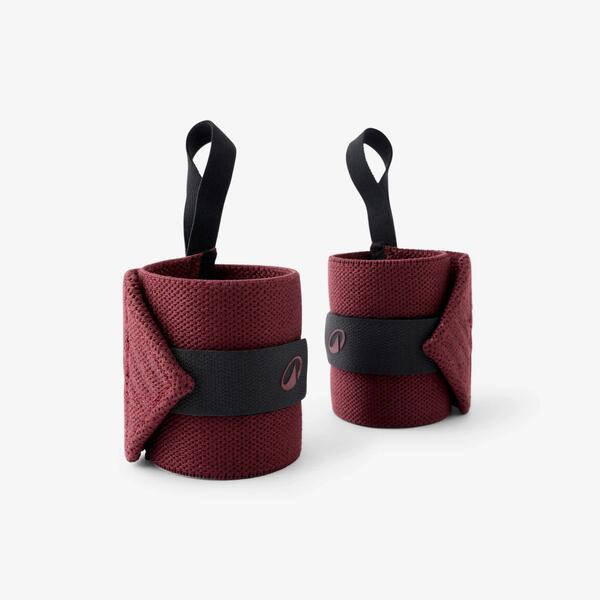
Short wrist wraps for steadier pressing.
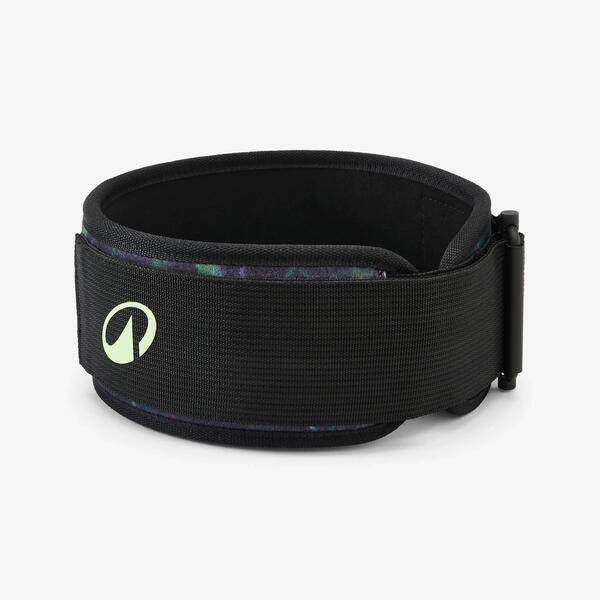
Lifting belts that help you brace on big lifts.
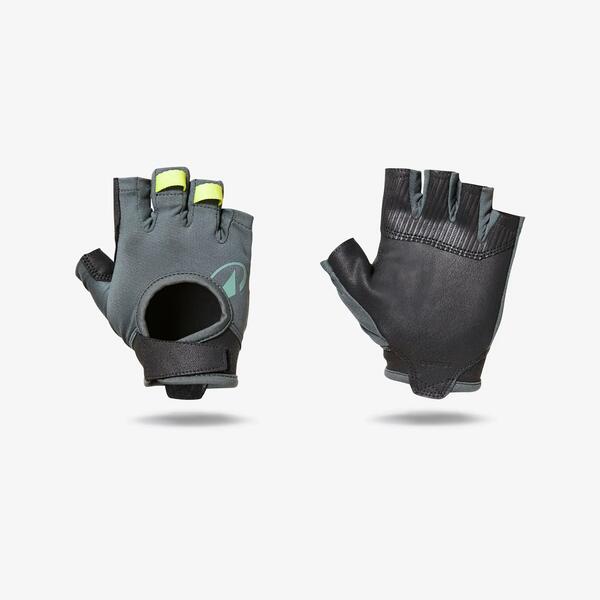
Breathable gloves that protect palms on the bar.
Loop straps are the most versatile and release easily. Figure 8 straps lock you to the bar for the heaviest pulls, and hooks are quickest to clip on and off between sets.
Padding where the strap sits on your wrist makes heavy sets more comfortable. It matters most on long sessions of rows, shrugs and deadlifts.
Straps are for the heavy sets where your grip gives out before your back and legs. Keep lighter sets strap-free so your grip keeps getting stronger.
Wrist wraps help on pressing days, and a belt can help experienced lifters brace on squats and deadlifts. Learn good technique first and add support as loads grow.
Loop straps cover rows, pulldowns and deadlifts with one simple pair.
Figure 8 straps hold the bar securely on heavy deadlifts and shrugs.
Hook straps slip on fast, which keeps circuits and supersets moving.
| Option | Best for | Tip |
|---|---|---|
| Loop straps | Rows, pulldowns and deadlifts | Wrap with the bar, not against it |
| Figure 8 straps | Very heavy deadlifts and shrugs | Harder to release, so skip them for quick drops |
| Hook straps | Fast sets and circuits | Check the hook sits fully under the bar |
| Wrist wraps | Presses and push-ups | Snug, not so tight your hand tingles |
| Lifting belt | Heavy squats and deadlifts | Learn to brace first |
| Gym gloves | Palm comfort on bars | Pick a snug fit for a better feel |
Lifting straps connect your hands to the bar so your grip doesn't give out before the muscles you're training. They're most useful on heavy pulling lifts like deadlifts, rows and shrugs, where grip is often the weak link. Many lifters use them only on their heaviest sets.
Loop straps are the all-rounder and release quickly if you need to let go. Figure 8 straps hold you to the bar most securely, which suits very heavy deadlifts and shrugs, but they're slower to get out of, so they're not ideal for lifts where you might need to drop the bar. Hook straps are the fastest to put on and take off, which suits circuits and busy sessions.
They can if you use them on every set. A good approach is to do your warm-ups and lighter sets without straps, then add them when grip starts to limit the lift. That way your grip keeps getting stronger while your back and legs get the heavier work.
Lifting straps help you hold the bar on pulling lifts. Wrist wraps do a different job, supporting the wrist joint to help keep it steady during presses and other pushing movements. Many lifters own both and use them on different days.
Not when you're starting out. Learning to brace your core properly comes first, and a belt is something lifters often add later for heavy squats and deadlifts. If you have a back injury or any pain, talk to a physio or qualified coach before you lift heavy.
Choose the strap that suits your lifts, then add wraps, a belt or gloves as you need them. Our fitness range has the rest of your gym kit.
Free delivery on orders over $150. Members get our lifetime warranty.