Parent and toddler classes
A swim nappy, a comfy swimsuit and a towel cover most lessons. Check with your swim school before bringing float aids.
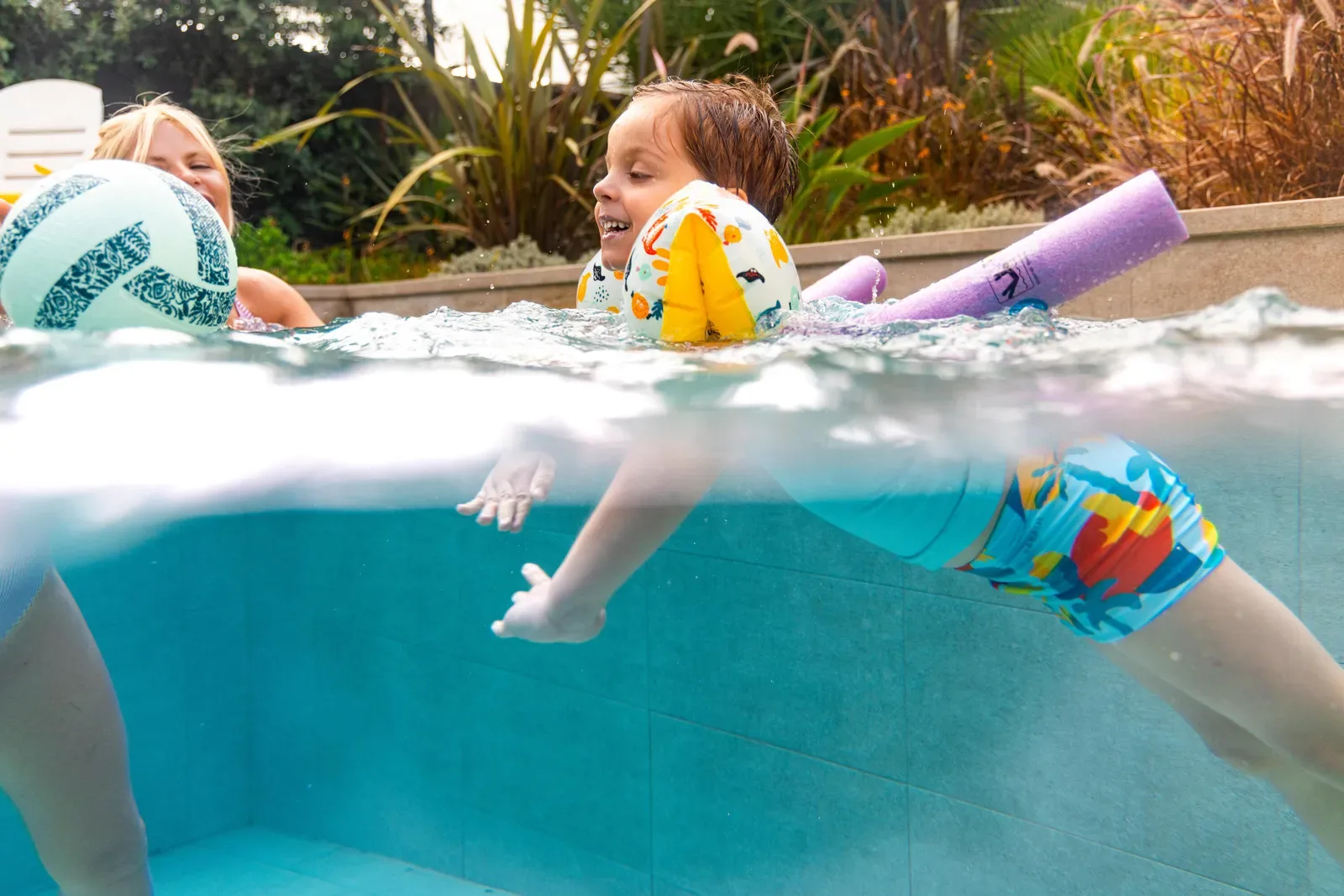
Toddlers learn to love the water through play, and the right gear makes those first splashes more comfortable. Here is what we would pack for the pool, with honest notes on fit and why a grown-up always stays within arm's reach.
The pieces we would reach for first, in order of importance.
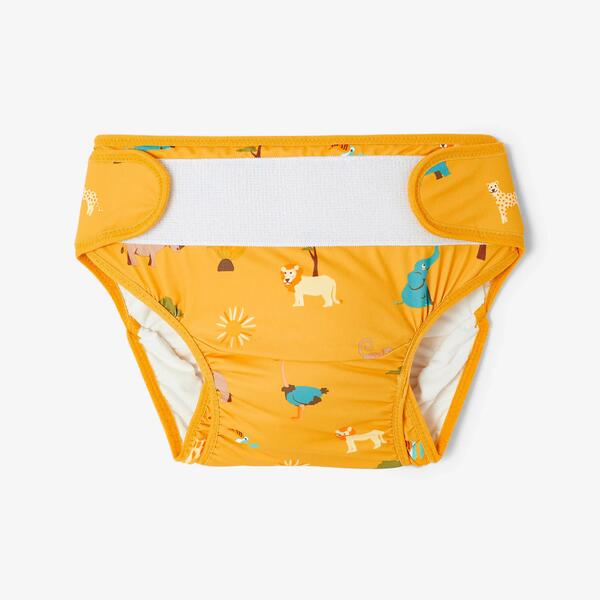
Swimsuits, UV suits and swim nappies for little ones.
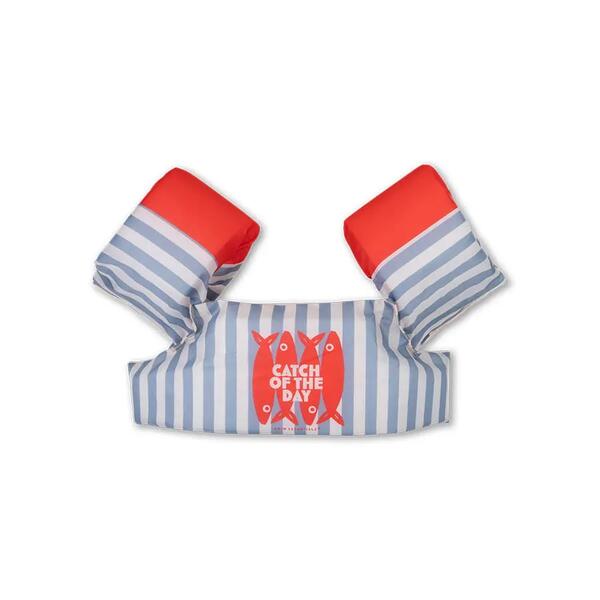
Swim vests, float belts and kickboards for learning to swim.
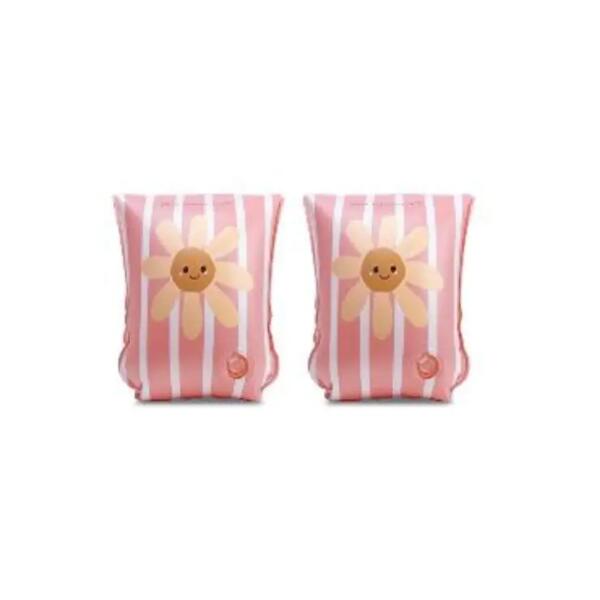
Armbands, swim rings and baby swim seats for supervised play.
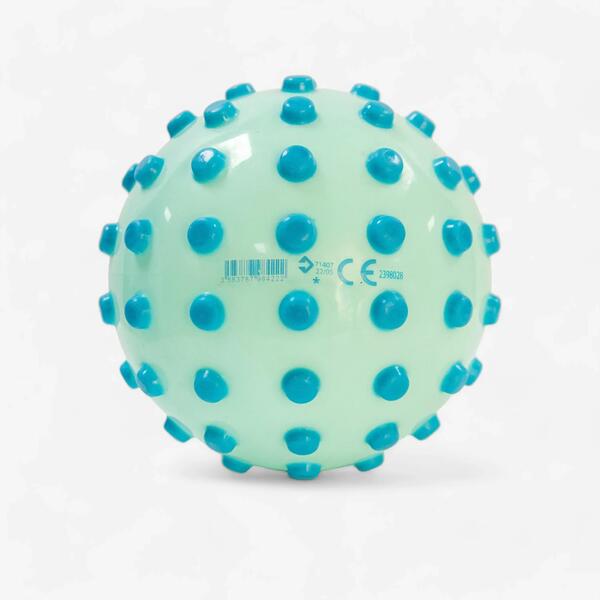
Pool balls and dive toys that turn practice into play.
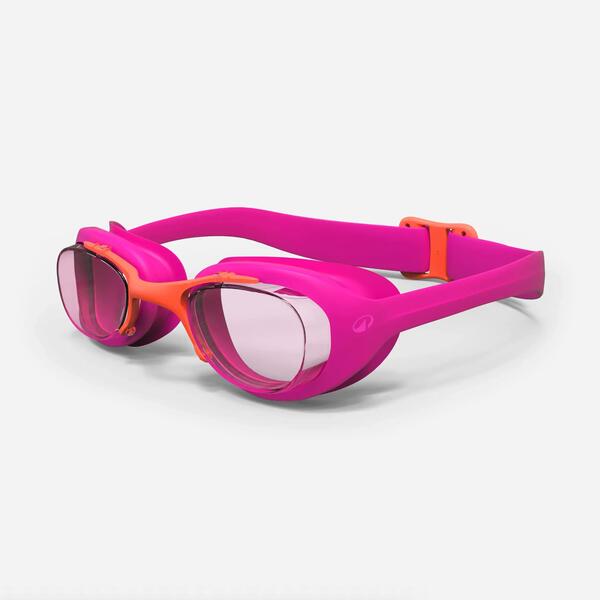
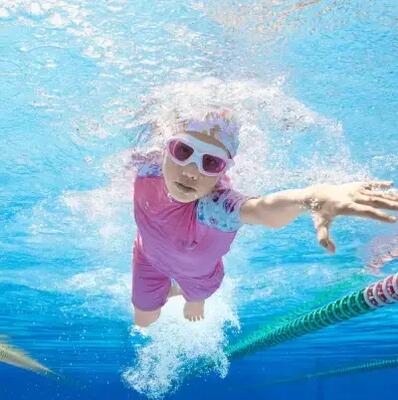
Swimming goggles and pool masks, with plenty in small sizes.
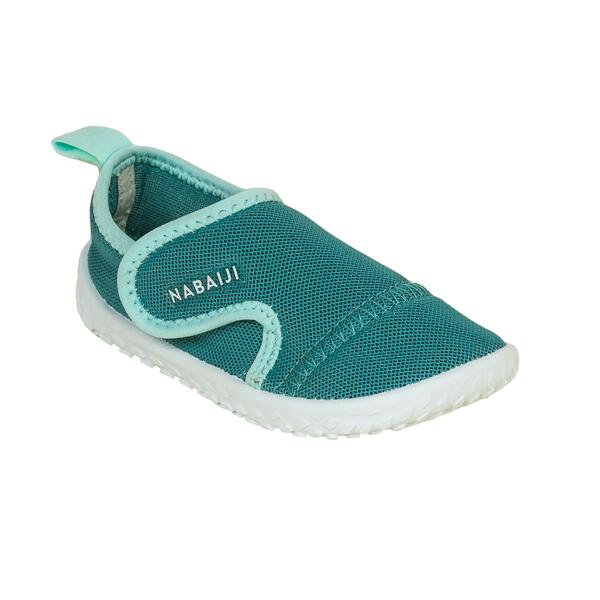
Water shoes, pool sandals and quick-drying microfibre towels.
Every float aid is made for a set weight or age range, so check the label before you buy. A vest or armband that is too big can slip, and one that is too small will not support them properly.
Vests and armbands help with confidence, but they are learning aids and never replace supervision. Look for a recognised standard on the label, such as EN 13138-1 for learn-to-swim buoyancy aids.
Long-sleeved swimsuits and UV suits cover more skin at outdoor pools and the beach. Pair them with a hat, shade and a water-resistant sunscreen.
Soft seams, easy zips and a snug fit help toddlers relax. A comfortable child stays in the water longer, and that is where the learning happens.
A swim nappy, a comfy swimsuit and a towel cover most lessons. Check with your swim school before bringing float aids.
A vest or armbands and a few pool toys make supervised play more fun.
UV suits, water shoes and a big towel help on the sand and in the shallows.
| Item | Why it matters | Tip |
|---|---|---|
| Swim nappy | Most public pools ask for one | Fit it snugly at the waist and legs |
| Swimsuit or UV suit | Covers more skin in the sun | Long sleeves help at outdoor pools |
| Swim vest | Supports confidence while they learn | Check the weight range on the label |
| Armbands | Light support for supervised play | Inflate fully and check the valves |
| Pool toys | Turn practice into games | Choose soft toys sized for small hands |
| Towel and water shoes | Warm and steady after the swim | Pack a spare towel for the trip home |
Many swim schools run parent and baby classes from the first year, and toddlers often join group lessons from around one or two. Early lessons focus on water confidence, floating and getting in and out safely rather than strokes. Your local swim school can suggest a class that suits your child's age and stage.
They can help a toddler feel confident, but they are learning aids, not lifesaving devices. A child can still tip forward or slip out of position, so an adult should stay within arm's reach the whole time. Always follow the weight range and instructions on the label, and take them off when your child is out of the water.
Most public pools ask toddlers who are not toilet trained to wear one. Regular nappies swell up in water, so they are not suitable. Some pools ask for a disposable swim nappy with a reusable one over the top, so check your pool's rules before you go.
Goggles are optional at this age. Many swim teachers like little ones to get used to water on their face first, then add goggles once they are happy putting their head under. If you buy a pair, choose a small, soft fit and adjust the strap so it is snug without pinching.
A swim vest or learn-to-swim aid supports a child while they learn, under constant supervision. A lifejacket is designed to keep a person afloat in an emergency, usually on boats or open water, and is tested to different standards. Check the label to see which standard a product meets, and never treat a swim aid as a lifejacket.
Short, playful sessions with you close by are the best start. When you are ready for more, our full kids' range has gear for every age.
Free delivery on orders over $150. Members get our lifetime warranty.