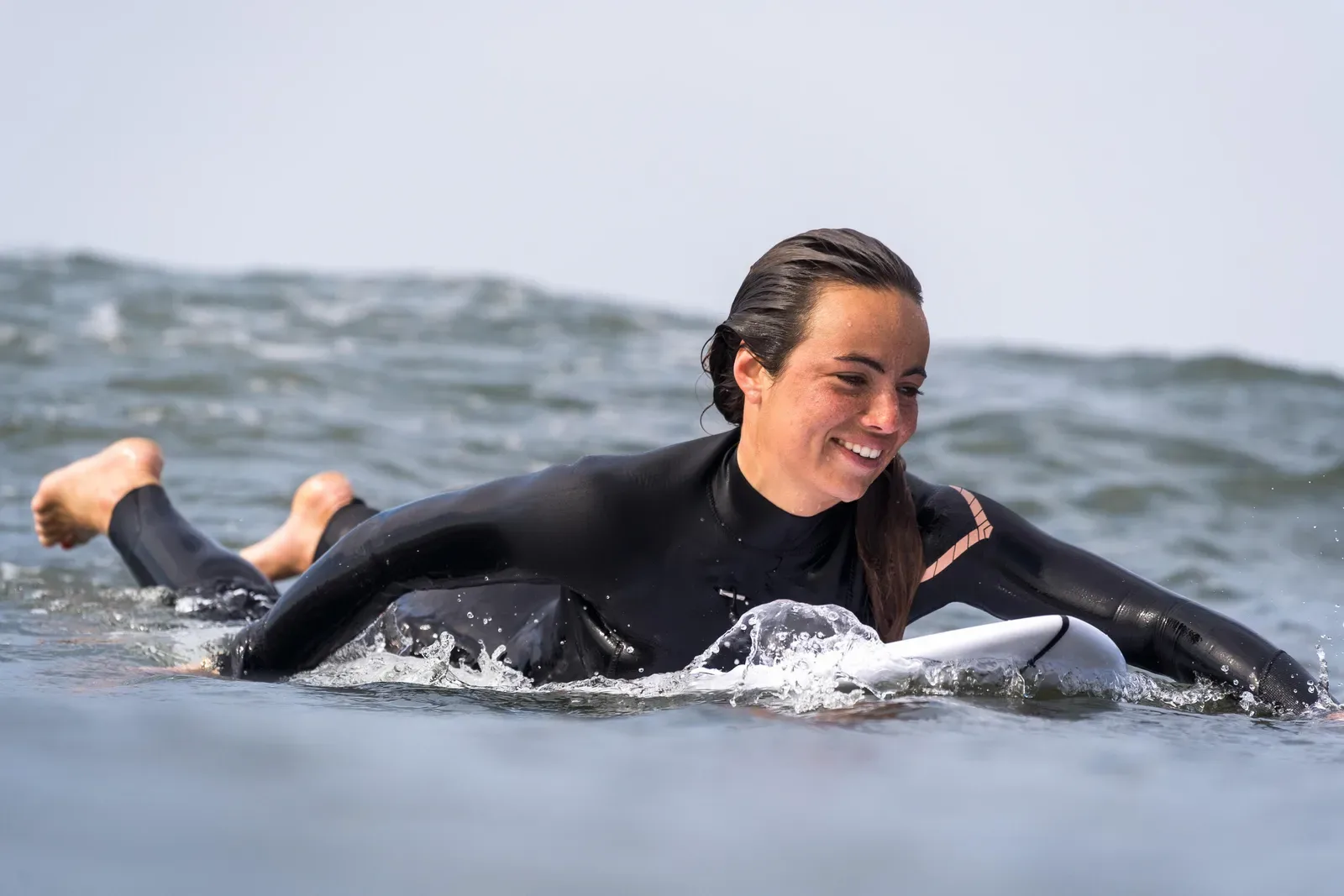
Complete beginners
A foam board and leash are all you need to start catching whitewash.
Learning to surf needs less gear than you might think. We would start with a big, stable foam board, a leash and the right layer for the water, then add the small extras once you are hooked.
The kit we would buy first, in the order we would buy it.
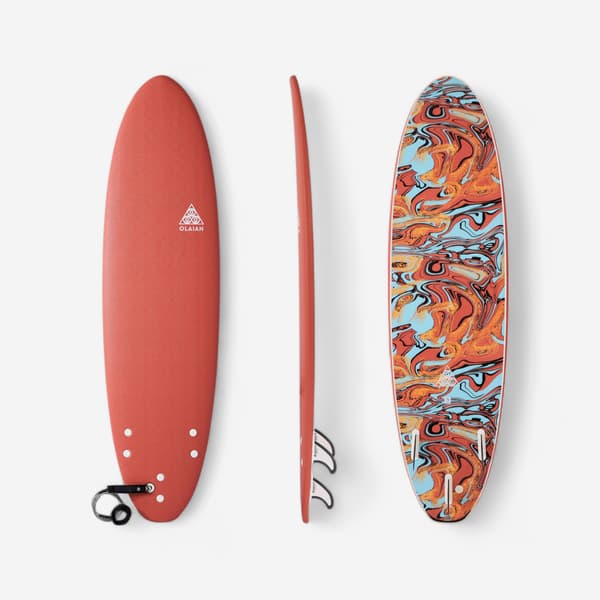
Foam, hybrid and hard boards, from mini mals to longboards.
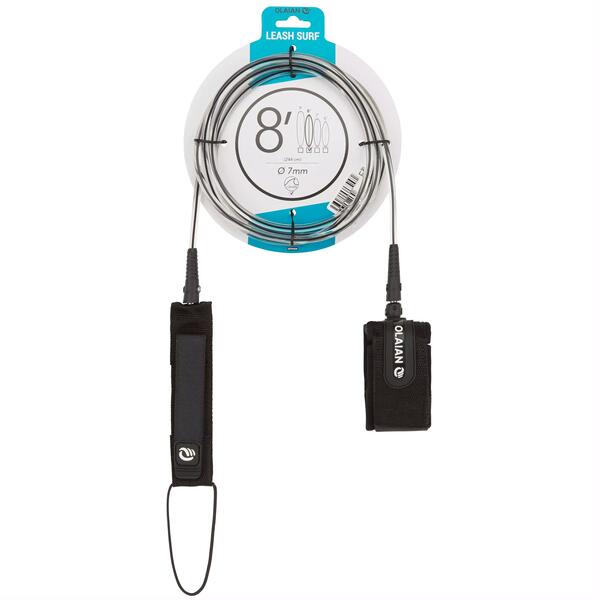
Surf and bodyboard leashes, plus straps for the car.
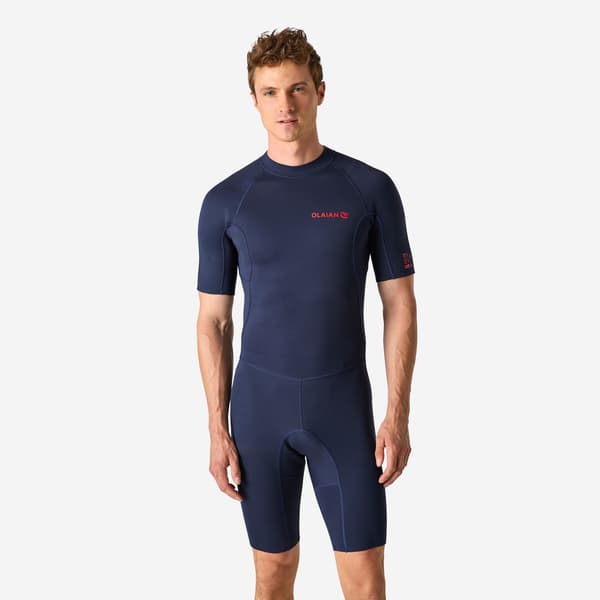
Shorties, steamers and neoprene tops for adults and kids.
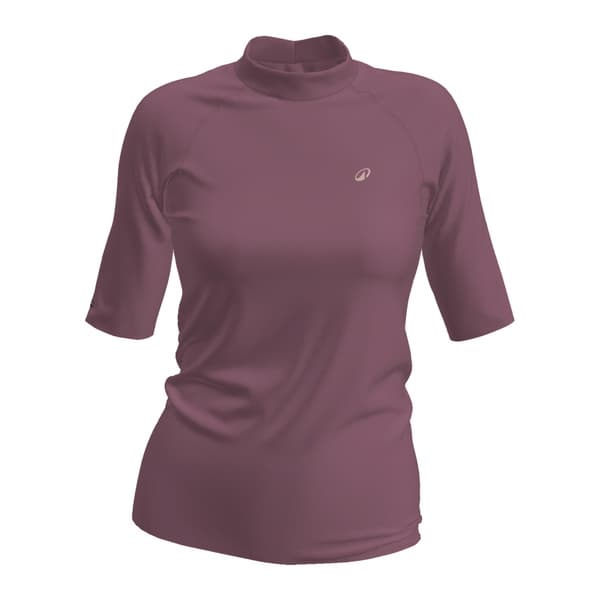
Rash vests, UV swim tops and leggings for the family.
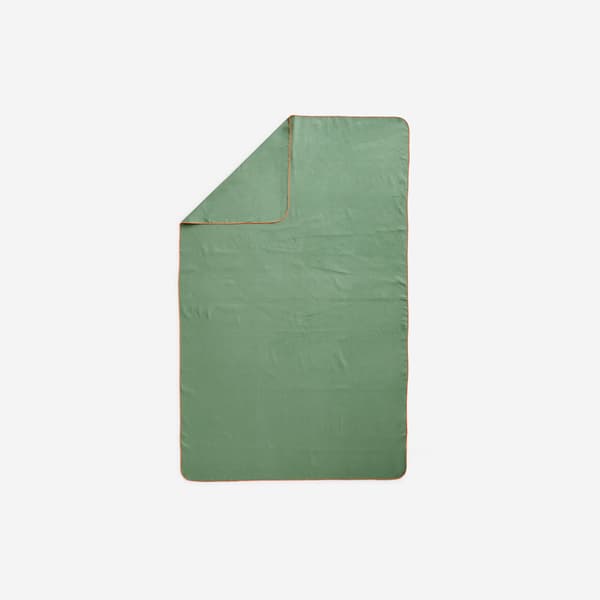
Beach towels, plus changing robes and surf ponchos.
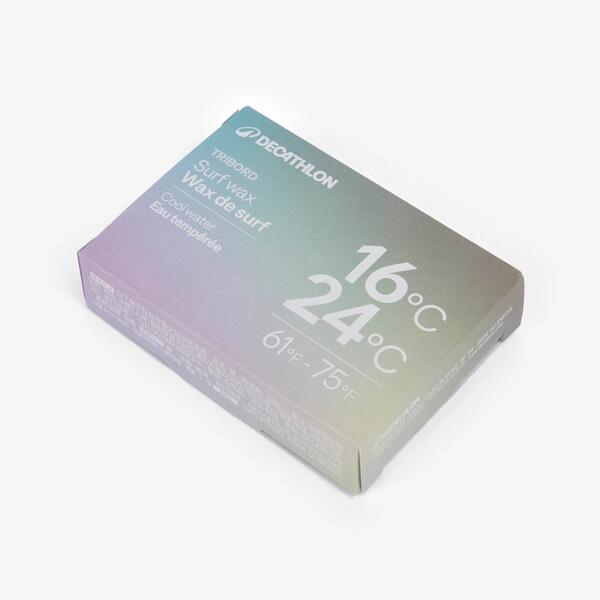
Natural-origin surf wax matched to water temperature.
A longer, wider, thicker board floats you higher and catches waves more easily. Most surf schools start beginners on big foam boards for exactly this reason.
Choose a leash about as long as your board, or a little longer. Fit it to your back ankle and check the cord and swivel for wear before every session.
In cooler water a wetsuit keeps you warm and adds a little buoyancy. In warm water a rash vest or UV top protects your skin from the sun and from rubbing on the board.
You spend a long time in the sun when you surf. Cover up with a UV top or wetsuit and use water-resistant sunscreen on exposed skin, reapplying as directed.
A foam board and leash are all you need to start catching whitewash.
Owning your own board means you can practise between lessons on your own schedule.
Foam boards are forgiving, and the range includes wetsuits and UV tops for kids.
| Item | Why it matters | Tip |
|---|---|---|
| Foam surfboard | Stable, forgiving and easier to paddle | Go longer and wider than you think |
| Leash | Keeps your board from hitting others | Wear it on your back ankle |
| Wetsuit | Warmth and a little buoyancy | Ask a local surf shop what locals wear |
| Rash vest | Sun cover and less chafing | Pick a snug fit so it stays put |
| Surf wax | Grip on hard and hybrid boards | Foam decks usually do not need it |
| Towel or poncho | Change and warm up on the beach | Pack it in the car before you go |
| Spare fins | Replace a lost or broken fin | Check your board's fin system first |
A big foam board and a leash are the essentials. Add a wetsuit for cooler water or a rash vest for warm days, plus sunscreen and a towel. We would also recommend a few lessons with an accredited surf school before you head out alone.
Bigger is easier when you are learning. A long, wide foam board with plenty of volume is more stable and catches waves sooner, which means more time standing up. As your skills grow you can move to something shorter.
It depends on the water temperature and how long you stay in. In cooler water a wetsuit keeps you warm and comfortable for longer, while in warm water a rash vest gives sun protection and stops the board rubbing your chest. Ask a local surf school or shop what people are wearing at your beach.
Most foam boards have a textured deck that grips without wax, so many beginners never use it. Hybrid and hard boards do need wax for grip, and you choose it to suit the water temperature. If your foam deck feels slippery, a light coat can help.
Learn with an accredited surf school and surf at patrolled beaches. Follow the lifeguards' signs for where boards are allowed, as surfcraft are usually kept away from the swimming flags. Start in small whitewater, check the conditions before you go in, and never surf beyond your ability.
Book a lesson, pick a patrolled beach and start with a board that floats you well. When you are ready to explore more, our water sports range is here.
Free delivery on orders over $150. Members get our lifetime warranty.