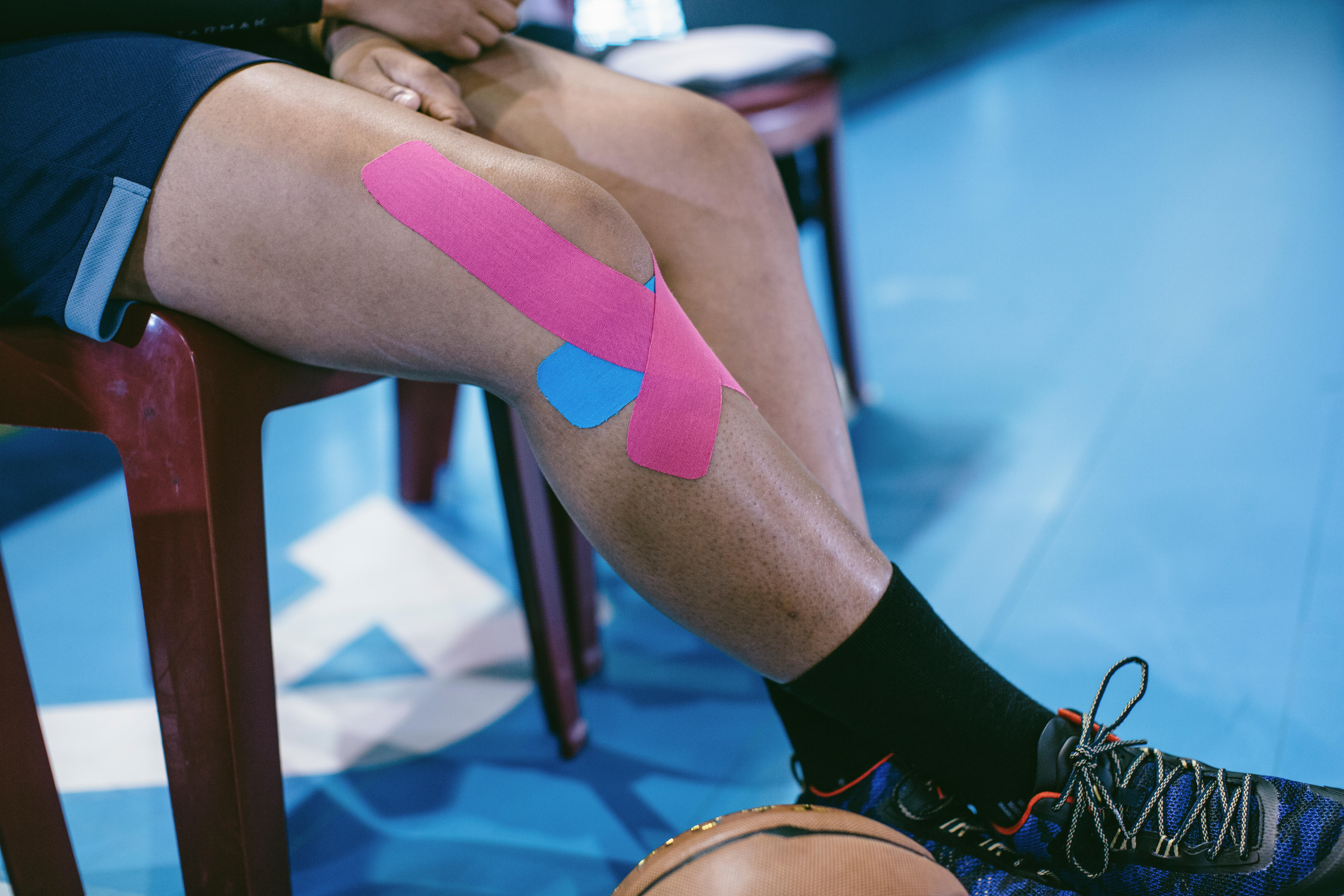
Get flexible support without adding unnecessary bulk. Kinesiology tape stretches and moves with your body, making it a practical option for muscles and joints through training, sport and everyday activity. Apply it where you need it and keep moving comfortably through whatever comes next.
Good kinesiology tape needs to stay securely in place as your skin and body move through exercise and everyday activity. Look for an adhesive that handles repeated movement and perspiration without peeling too easily at the edges. If you expect to wear the tape through longer training sessions, demanding activity or extended periods of movement, strong adhesion matters even more.
Stretch and Elasticity
Kinesiology tape should stretch with your skin and follow your body naturally without feeling overly restrictive as you move. Consistent elasticity is particularly important around active areas such as the knees, shoulders and ankles, where the tape needs to adapt through repeated bending and extending. Look for tape that stretches smoothly and maintains its shape as you reach, bend and train.
Water and Sweat Resistance
If you'll wear kinesiology tape during demanding workouts, outdoor activity or other sweaty sessions, check how well it handles moisture. Water and sweat-resistant tape holds its grip when damp, which helps reduce the chance of the edges lifting during activity.
Format and Size
Choose between a roll and pre-cut strips based on how you plan to apply the tape. Rolls let you cut different lengths and shapes for different areas, while pre-cut options reduce preparation and can be convenient for more straightforward applications. Check the width and overall length too, especially if you regularly tape larger areas.
Sportspeople wanting flexible support. Kinesiology tape suits activities where you want targeted support without the bulk of a larger brace. Its stretchy construction follows the body through running, gym training and sport while allowing the taped area to keep moving.
Regular tape users. If taping is already part of your training routine, rolls give you the freedom to cut different lengths and shapes for the area you're supporting. They're particularly practical when you tape different muscles or joints regularly.
Active users in sweaty or wet conditions. High-intensity sessions, outdoor training and moisture can put adhesive to the test. Water and sweat-resistant kinesiology tape is better suited to these conditions, helping the tape stay positioned as you move and perspire.
How to Care For Your Kinesiology Tape
Keep unused kinesiology tape in a cool, dry place away from direct sunlight, heat and humidity, which can affect the adhesive over time. Once applied, avoid picking at or repeatedly lifting the edges, as this can reduce how securely the tape stays in place. When it's time to remove the tape, peel it away slowly and gently rather than pulling it off quickly, then allow your skin to rest and dry before applying fresh tape.
Kinesiology tape by type
Type
Best for
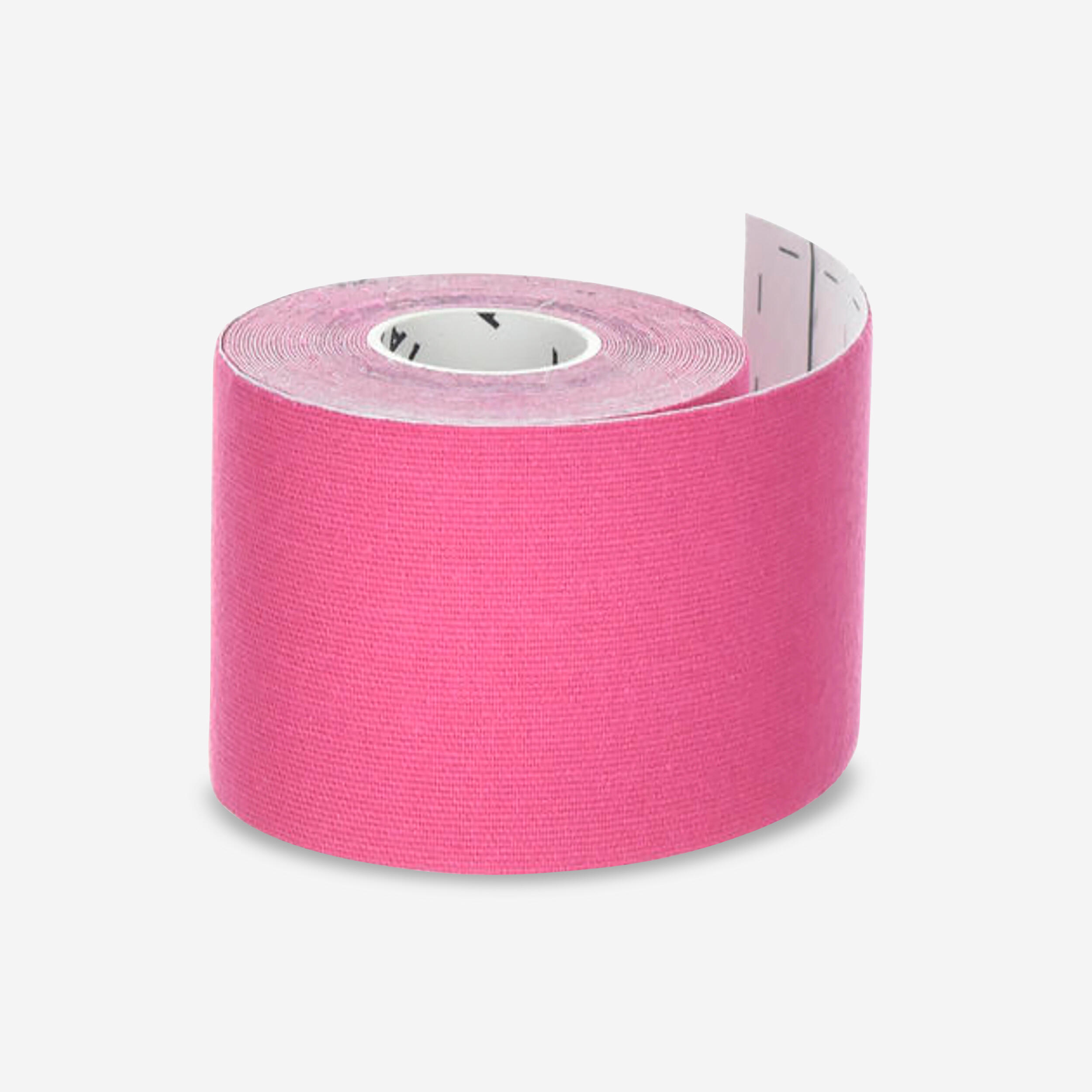
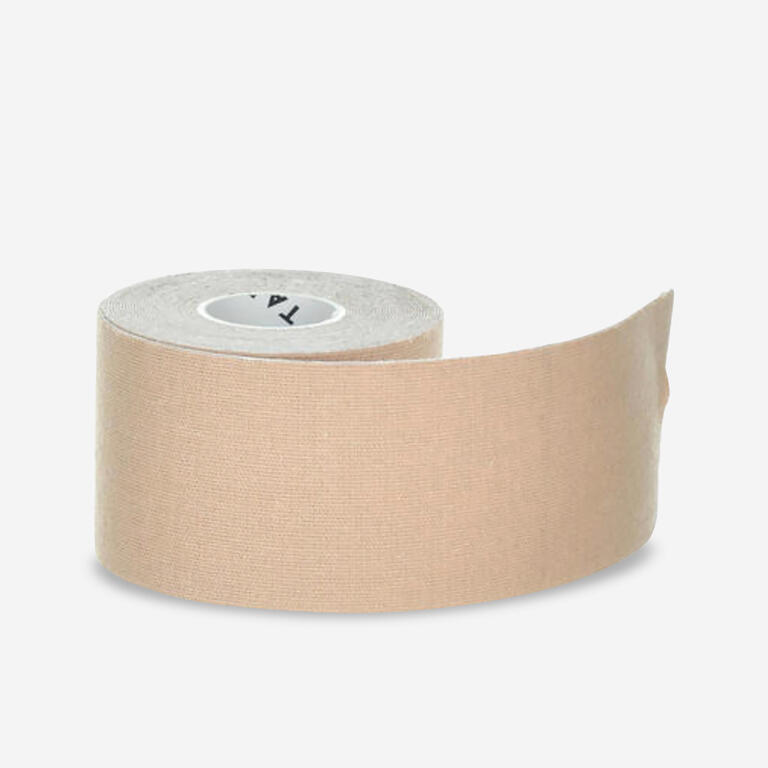
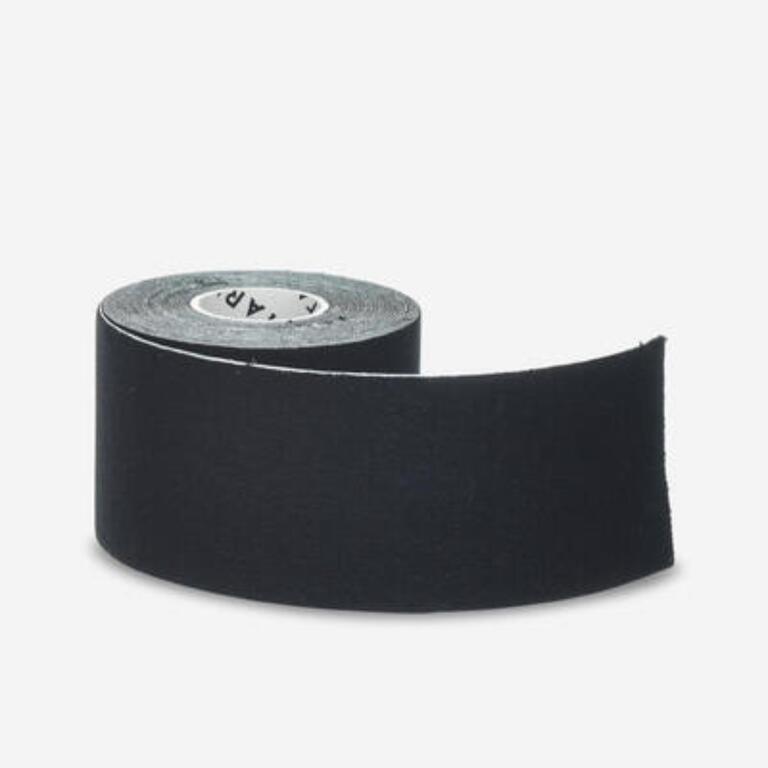
Standard kinesiology tape rolls
Custom lengths and shapes when taping different muscles, joints and body areas.
Faster application with ready-sized strips that require less measuring and cutting.
Pre-cut kinesiology tape
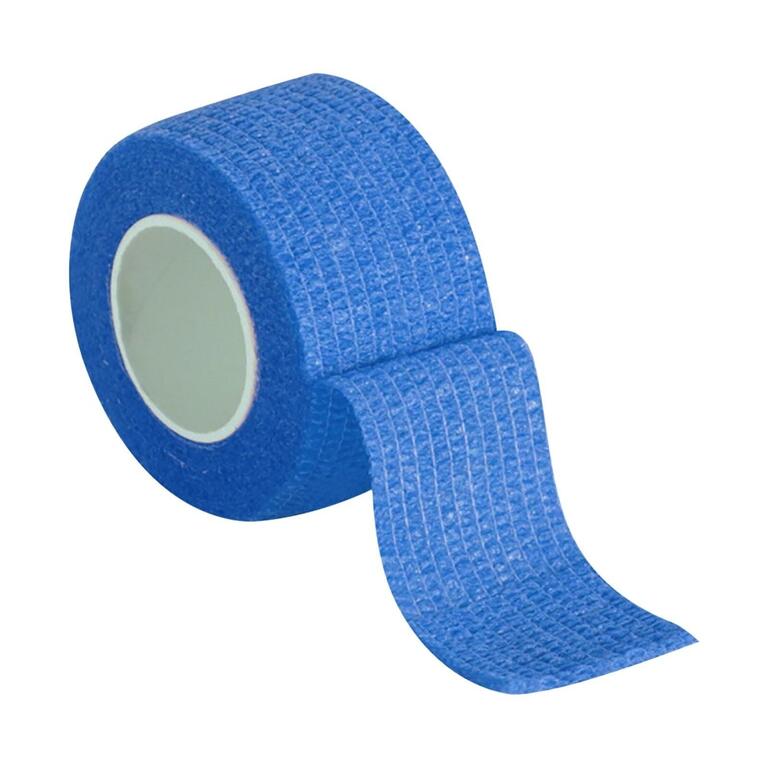
Sport, sweaty workouts and wet conditions where moisture can put adhesion to the test.
Water-resistant kinesiology tape
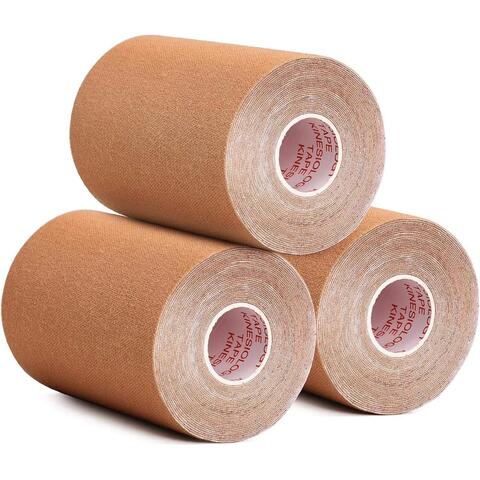
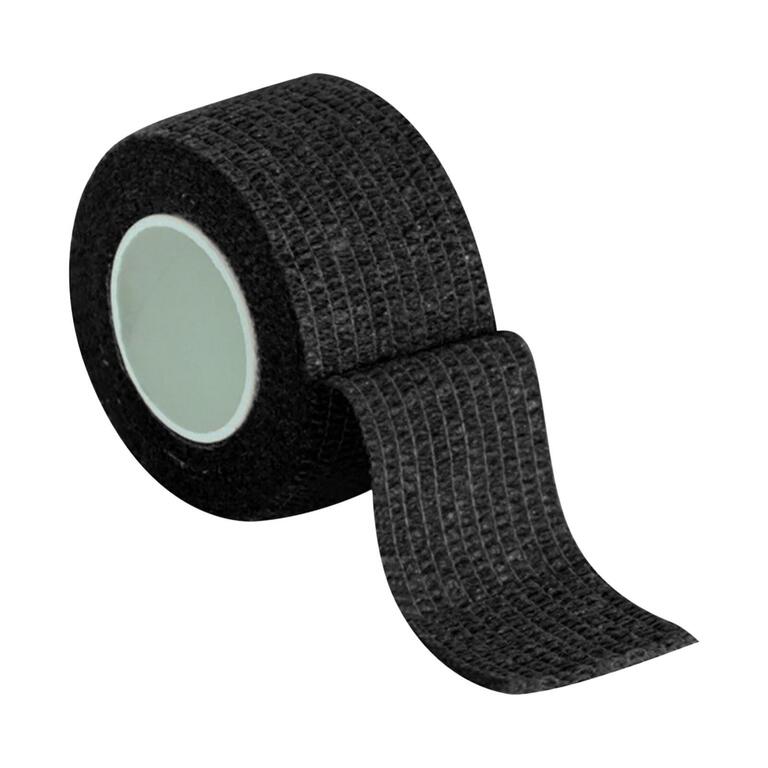
Regular taping, frequent training and keeping extra rolls ready when you need them.
Kinesiology tape is a flexible sports tape that moves with your body during activity. It can be applied to different muscles and joints depending on the intended use and application technique.
Should I choose a roll or pre-cut kinesiology tape?
Choose a roll if you want to cut your own lengths and shapes for different body areas. Pre-cut tape offers ready-sized strips that reduce measuring and preparation, making application more convenient.
How long can I wear kinesiology tape?
Can kinesiology tape get wet?
How do I apply kinesiology tape so it stays in place?
Wear time varies depending on the product, adhesive, application and your activity level. Sweat, water and friction can affect how long it stays securely in place, so always follow the instructions for your chosen tape.
Some kinesiology tapes are made to resist sweat and water, making them suitable for active use and wet conditions. Check the product specifications for water resistance if you plan to wear your tape while swimming, training outdoors or during particularly sweaty sessions.
Start with clean, completely dry skin free from oils, creams and lotions that could interfere with the adhesive. Follow the application instructions for the area you're taping, smooth the tape down carefully and avoid repeatedly lifting and repositioning it.
Support That Moves With You
Versatile rolls, convenient pre-cut strips and water-resistant options each suit different activities, applications and training conditions. Consider the stretch, adhesion and water resistance you need, then choose a tape that stays comfortably in place as you move. Find the right option and get ready for whatever your next session brings.
 All SportsMenWomenKidsAccessoriesEquipment and LeisureHealth & NutritionBest DealsNew ArrivalsMarketplace


 Hiking & Trekking
 Swimming
 Cycling
 Fitness (Yoga/Pilates)
 Camping
 Running