First-time players
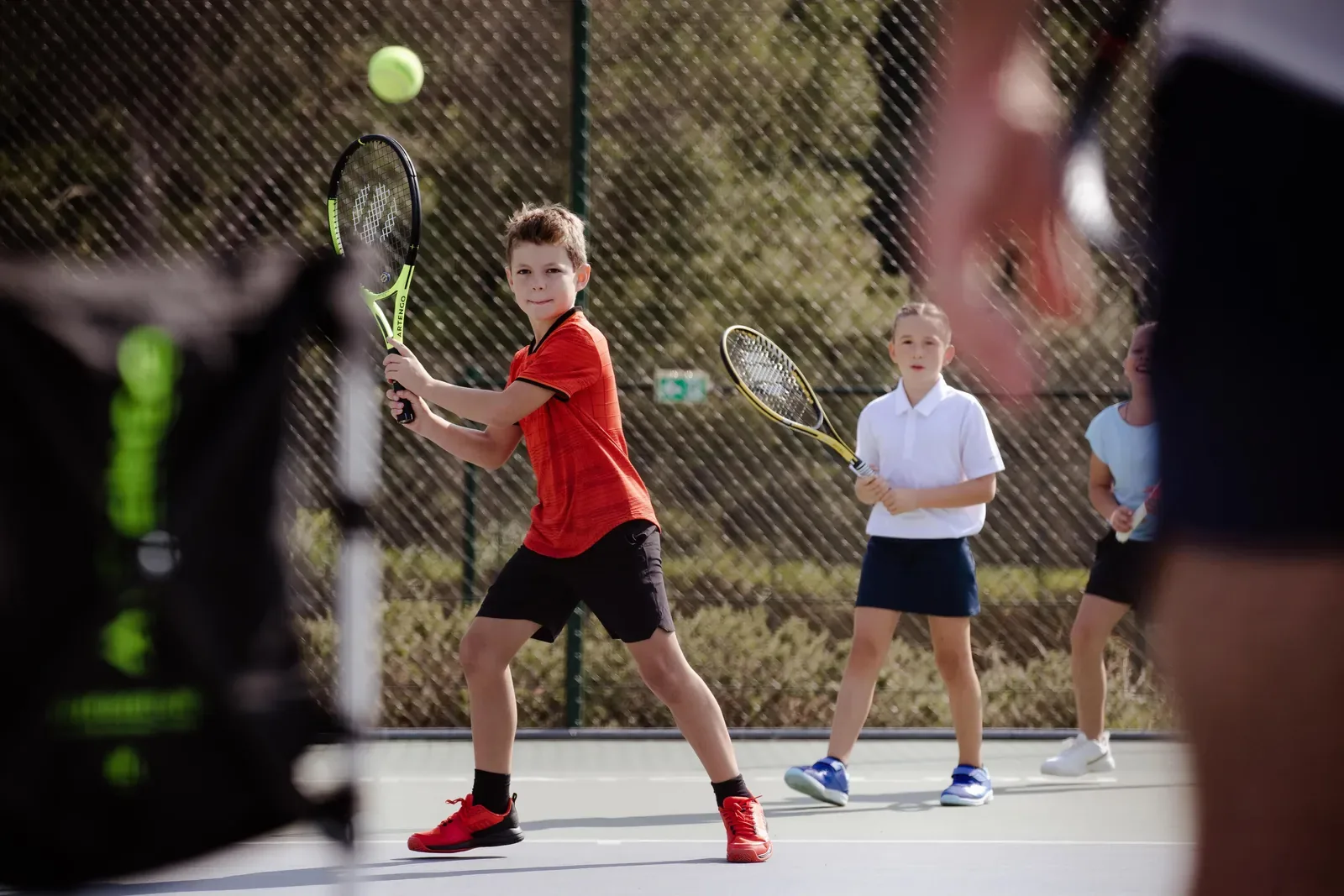
A short, light racket and a slow ball make those first hits feel easy.
The right racket size makes tennis easier and a lot more fun for kids. We'll help you match racket length to your child, pick a ball that suits their stage and know when it's time to size up.
Options from our junior tennis rackets, plus the balls that go with them.
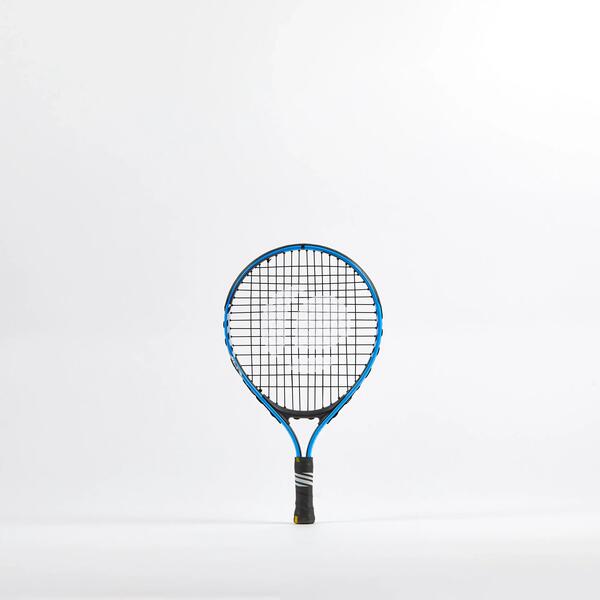
Short 17 and 19 inch rackets for little hands.
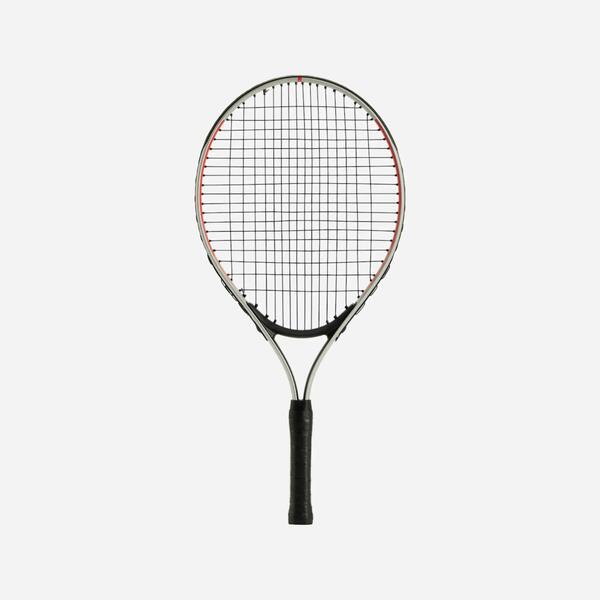
21 and 23 inch rackets for growing players.
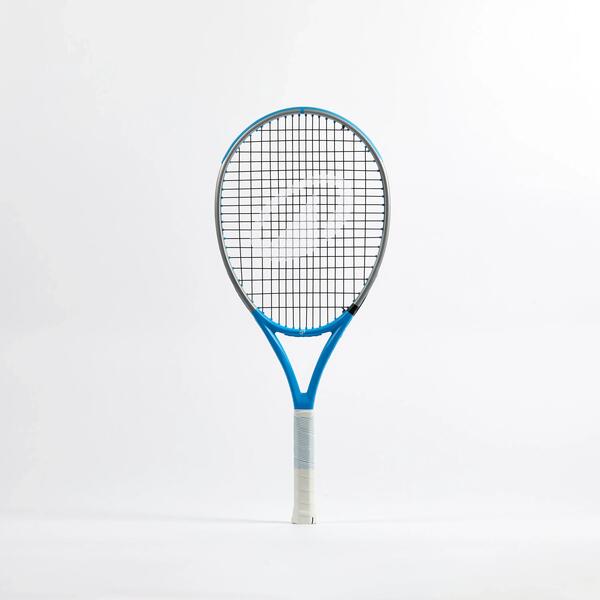
25 and 26 inch rackets for older juniors.
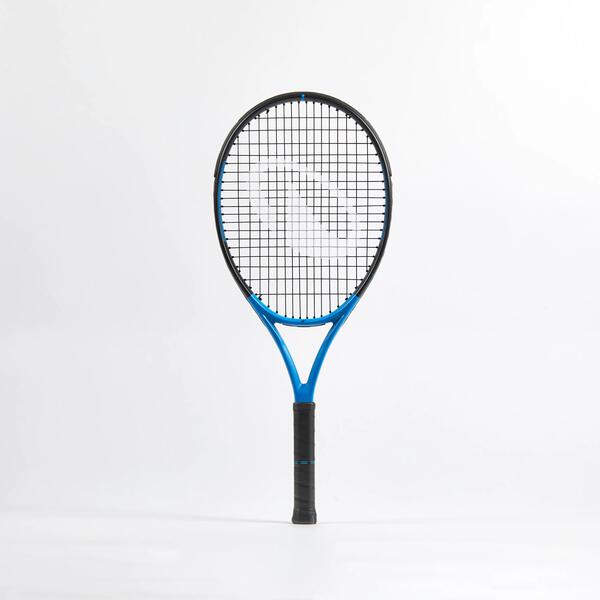
Includes an all-graphite racket for juniors starting competition.
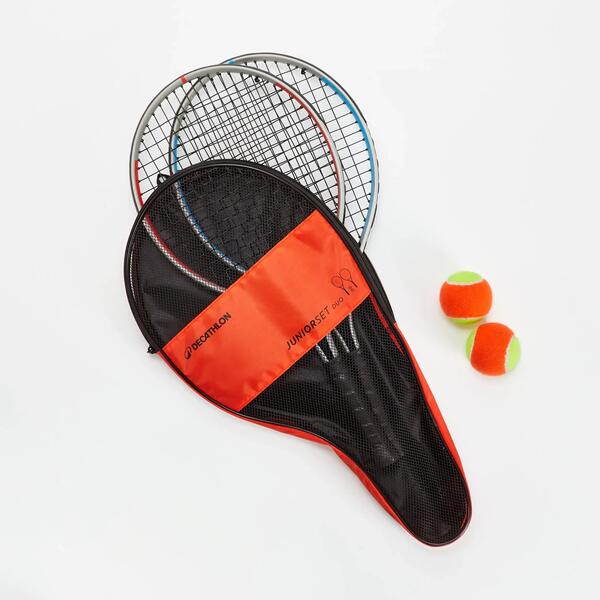
A two-racket set with soft balls and a bag.
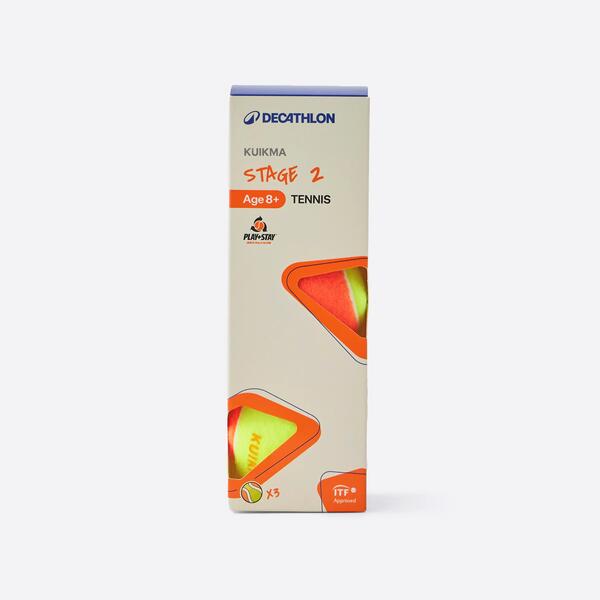
Slower red, orange and green balls for learning.
Height matters more than age. A simple check is to have your child stand with the racket head on the floor beside them: the handle should reach their palm without them bending or stretching.
Your child should be able to swing the racket easily with one hand. Aluminium rackets are sturdy for beginners, while graphite suits keen juniors who play a lot.
A racket that's too long feels heavy and makes good technique harder. Buy the size that fits now rather than one they'll grow into.
Red, orange and green balls are slower and bounce lower than adult balls. They give kids longer rallies, so they learn faster and have more fun.
A short, light racket and a slow ball make those first hits feel easy.
Coaches often group kids by ball colour, so ask which stage your child is in.
Older kids playing matches may be ready for a longer or graphite racket.
| Option | Usually suits | Good to know |
|---|---|---|
| 17 to 19 inch racket | Very young beginners | Often paired with red stage balls |
| 21 to 23 inch racket | Primary school players | Often paired with orange stage balls |
| 25 to 26 inch racket | Older juniors | Often paired with green balls before adult size |
| Graphite junior racket | Juniors starting competition | Ask their coach if it's time to switch |
| Kids' tennis set | Families starting out | Two rackets, soft balls and a bag |
| Stage balls | Learning and rallying | Red is slowest, then orange, then green |
Go by height rather than age. Stand the racket head on the floor next to your child: if the handle reaches their palm with their arm relaxed by their side, it's about right. If you're between sizes, the shorter racket is usually easier to control.
Look for signs the racket feels small, like the handle sitting well below their palm in the floor test or them choking up less on the grip. Moving up usually happens alongside moving to the next ball colour. Their coach is a great person to ask.
Aluminium rackets are sturdy and a sensible choice for beginners who may drop or scrape them. Graphite rackets suit juniors who play often and want more feel. Both work well when the size is right.
They can, but adult balls bounce high and fast, which makes rallies hard for small players. Red, orange and green stage balls slow the game down so kids can hit more balls and build good habits. Most junior coaching uses them.
A set is a simple way to start if two children will play together, or a parent and child want to hit around. Ours comes with two 21 inch rackets, soft balls and a bag. If your child is much smaller or taller, a single racket in the right size is the better buy.
Pick a racket that fits today, add the right ball and let the fun start. Everything else for tennis is in our tennis range.
Free delivery on orders over $150. Members get our lifetime warranty.