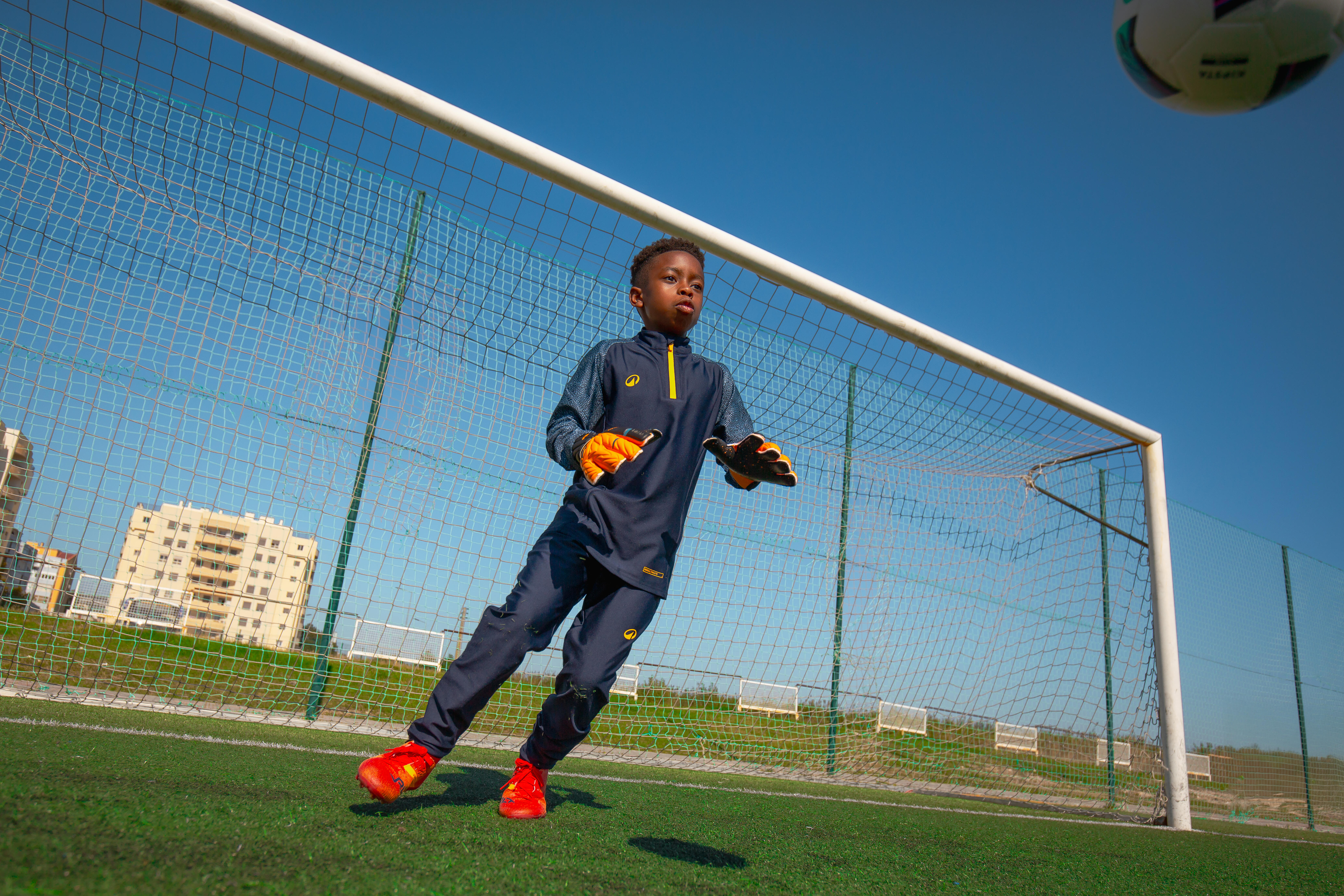
Regular shooting practice outside team training helps children sharpen their accuracy over time. A soccer goal at home creates more chances to practise in a relaxed, pressure-free setting. Finding the right size for your space and your child's skill level makes every session more enjoyable.
Goal size should match both the space you have and your child's stage of play, rather than simply choosing the biggest option. Smaller goals are ideal for younger children and compact backyards, while larger goals suit older kids developing their skills. Measuring your space before buying helps ensure there's enough room to play safely.
Setup Style
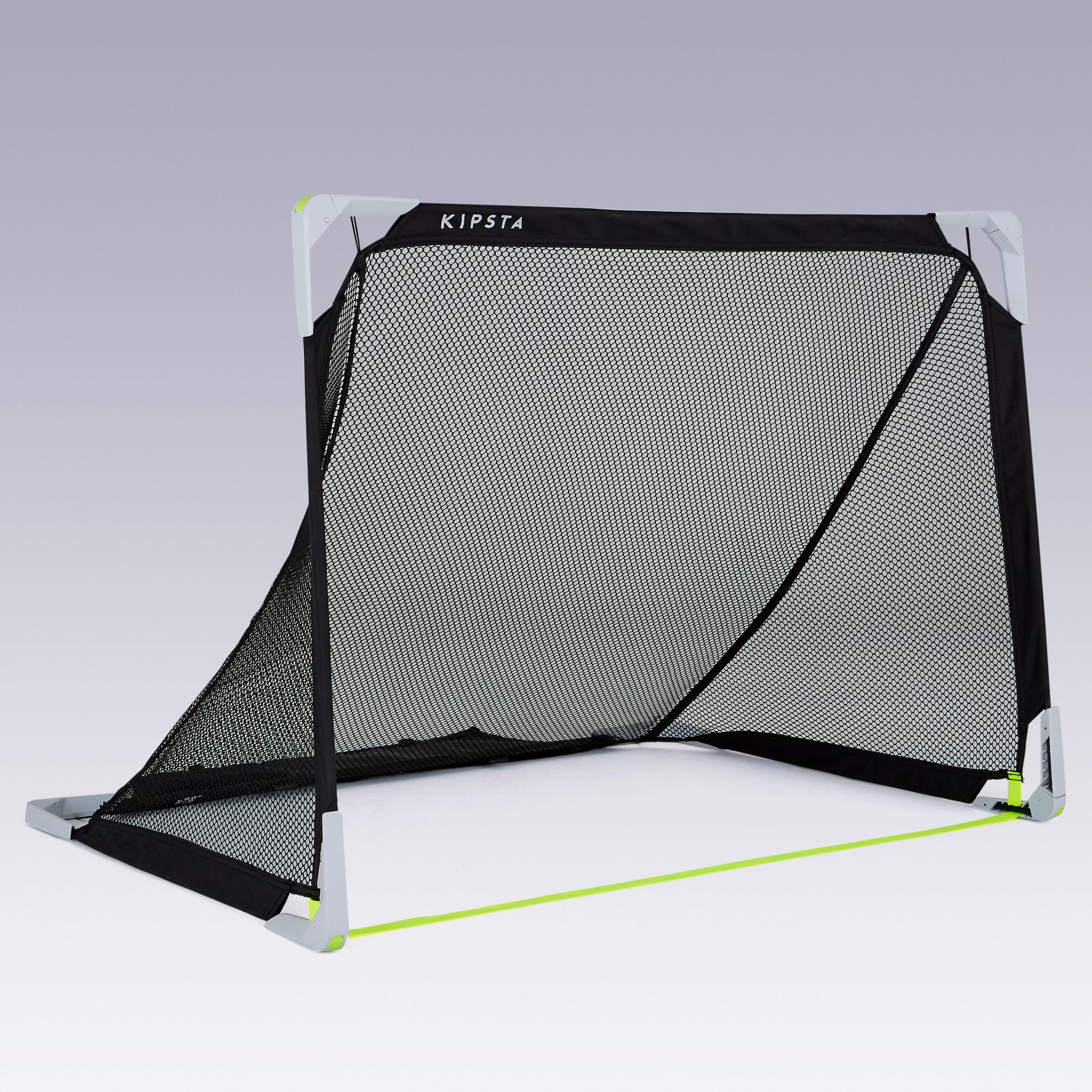
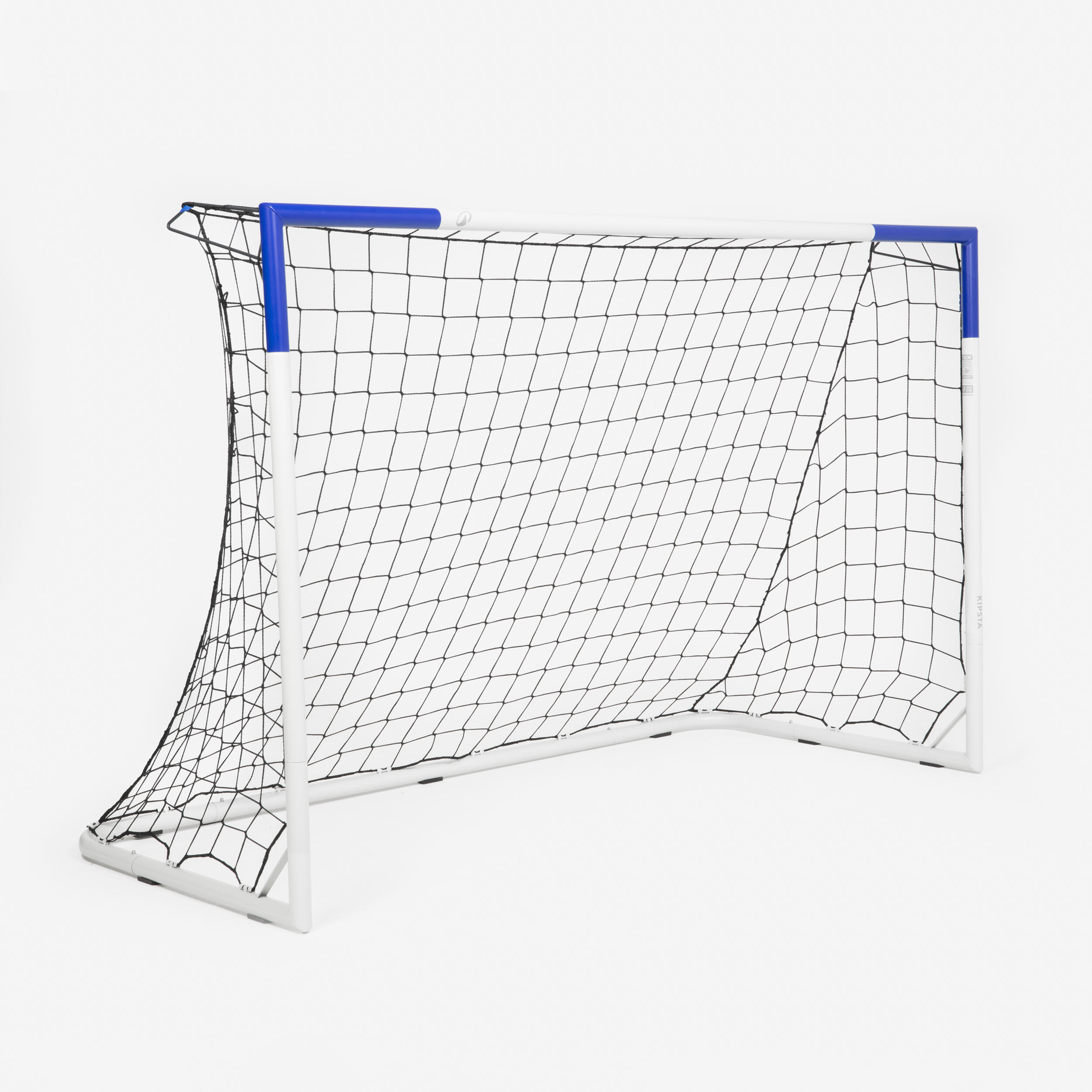
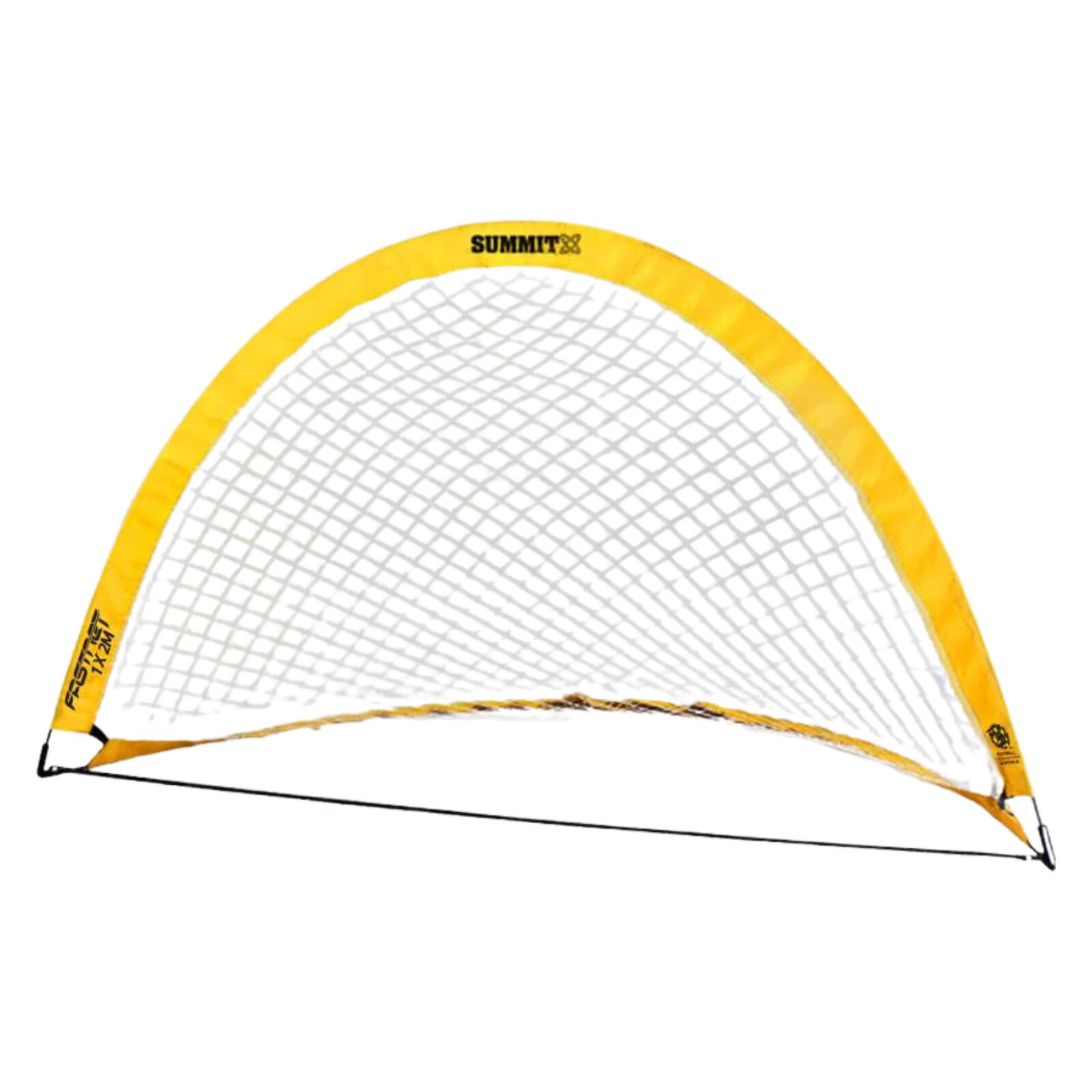
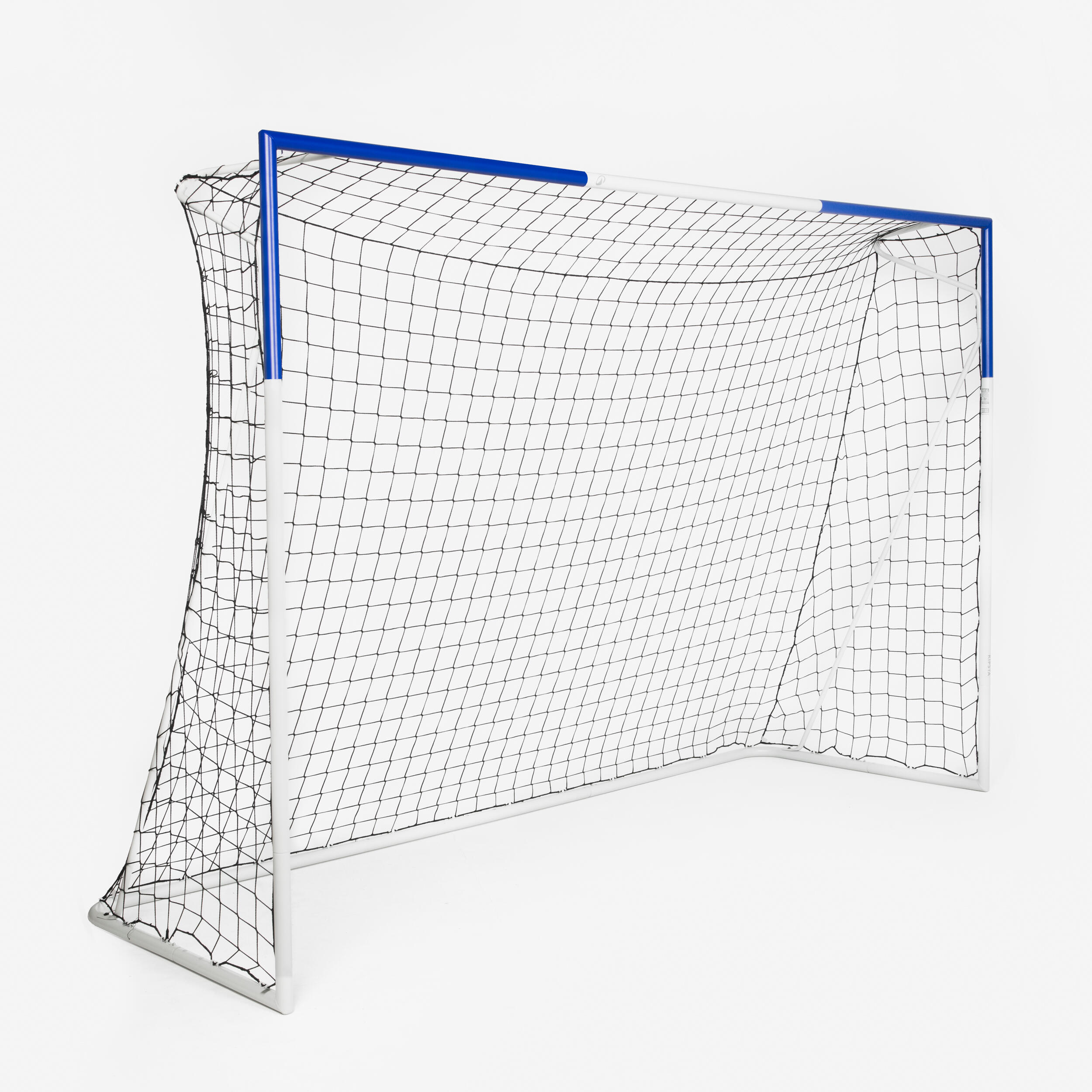
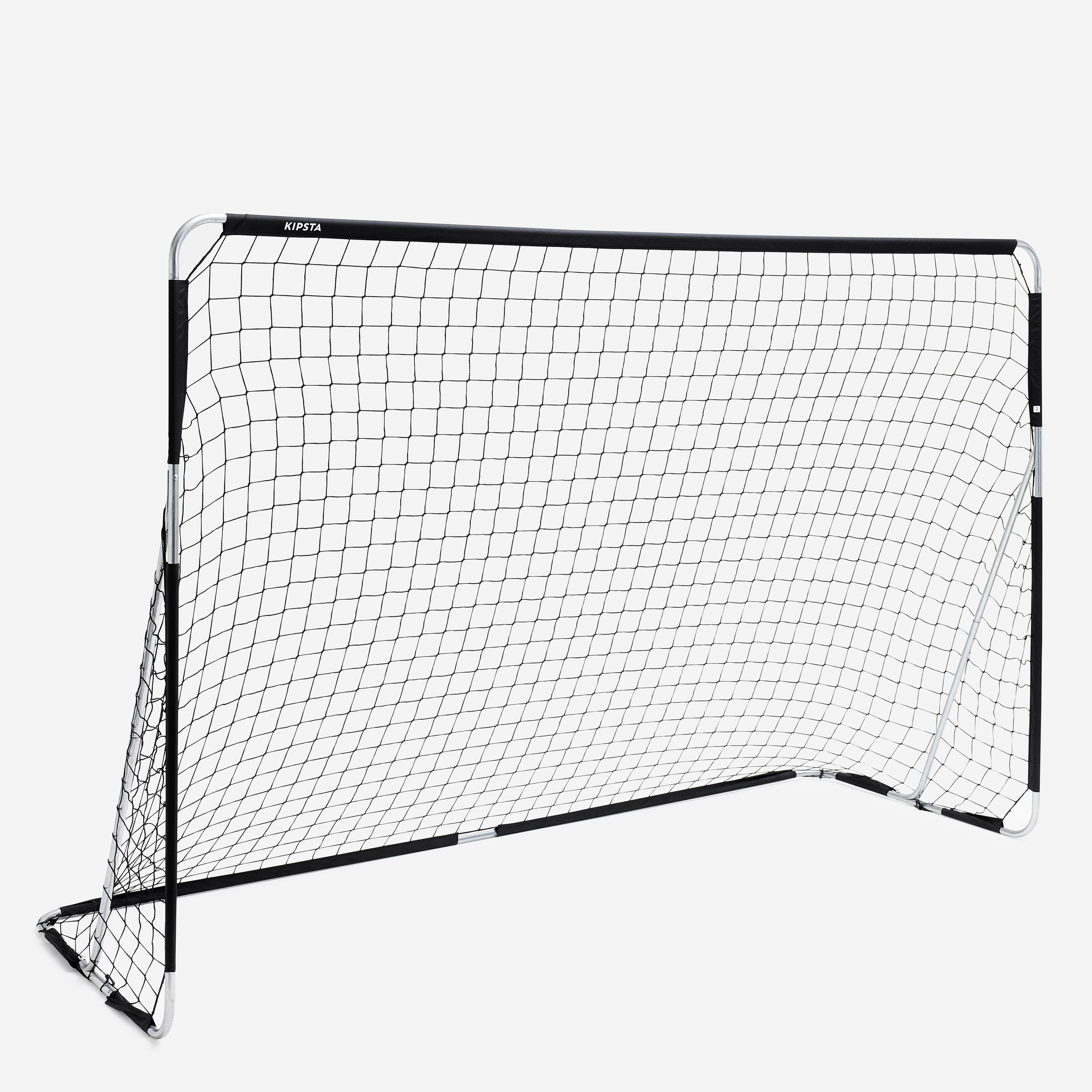
Some soccer goals pop up or clip together in minutes, making them ideal for families who set up and pack away after each game. Others have sturdier steel frames that take longer to assemble but are designed to stay in the backyard for regular use. If the goal won't have a permanent spot, a portable design will be far more practical.
Portability
If you plan to take the goal to the park, beach or on holidays, look for a lightweight design that folds away or comes with a carry bag. Larger steel goals are generally better suited to staying in one place, while portable options make it easier to play wherever you have space.
Stability
A goal that shifts or tips during play can quickly interrupt the game and may become a safety concern, especially for younger children. Look for features such as ground pegs, stakes or a sturdy frame to help keep the goal secure during use. If the goal will stay outdoors most of the time, prioritising stability over portability is usually the better choice.
Young beginners. Your child is just starting out and enjoys casual kicking games at home. A compact goal is easy to set up and fits comfortably in smaller backyards.
Backyard kickers. Your child plays regularly and wants more realistic practice at home. A mid-size goal offers plenty of room to develop shooting accuracy without taking over the backyard.
Developing players. Your child trains regularly and wants a goal that supports more advanced drills and match-style practice. A larger goal provides a more realistic training experience.
Keeping Your Soccer Goal Safe and Sound
After play, check the net for tears or holes and repair them quickly to prevent further damage. Wipe the frame dry if it's been wet. Check bolts and connections occasionally to keep everything tight. If the goal is portable, bring it inside or cover it during off-season or bad weather to protect from rust and UV damage. Inspect the frame regularly for bent metal or rust spots.
Soccer goals by type
Type
Best for
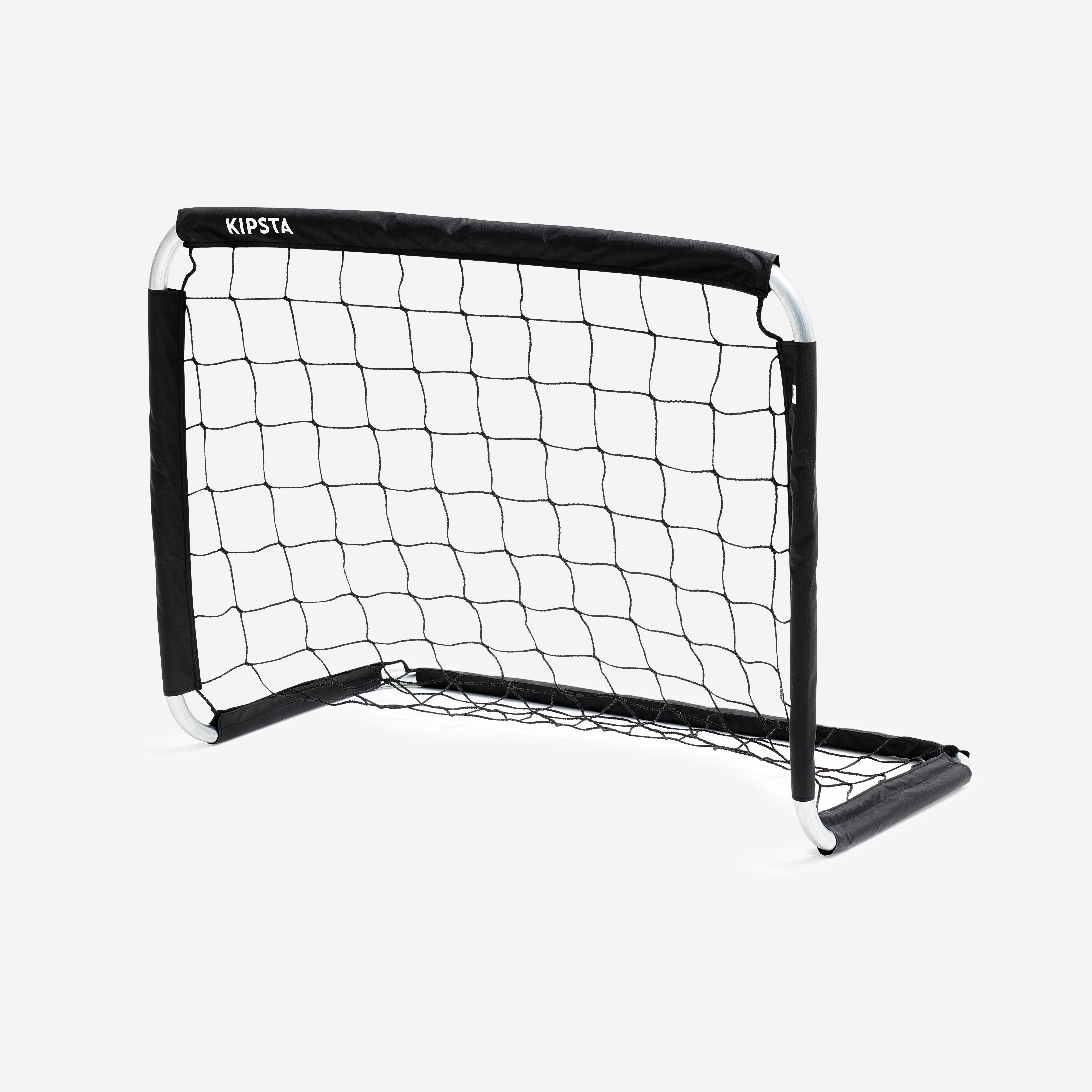
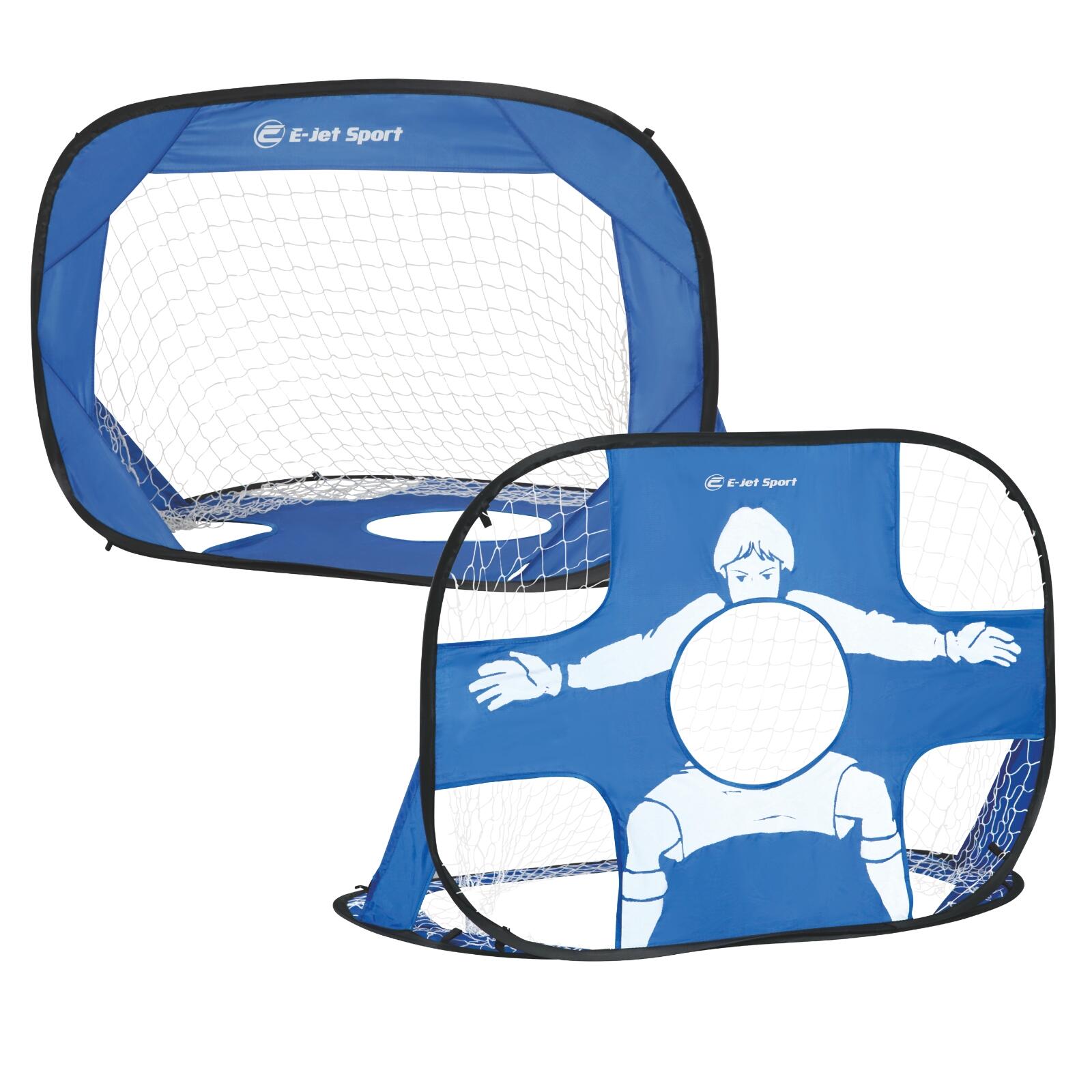
Pop-up goals
Quick setup, easy storage, small backyard spaces.
Regular practice, balanced portability and stability.
What size of soccer goal should I buy for my child?
Choose a goal that suits both your child's age and the space you have available. Smaller goals are ideal for younger children and compact backyards, while larger goals provide a more realistic target for older kids developing their skills.
Are portable soccer goals good for regular practice?
Yes. Portable soccer goals are a great choice for families who want to move the goal around the backyard or take it to the park. They're easy to set up and store, while larger steel-frame goals are better suited to permanent backyard use.
How do I keep a soccer goal stable during play?
Does my child need a full-size soccer goal?
How long will a kids soccer goal last outdoors?
Always secure the goal using the recommended ground pegs, anchors or weights before playing. A properly secured goal is safer to use and less likely to move during shooting or goalkeeper practice.
Not usually. Most children develop their skills more effectively with a goal that's matched to their age and ability. A goal that's too large can make shooting practice less enjoyable and harder to manage in a backyard.
That depends on the material and how it's cared for. Steel-frame goals are designed for regular outdoor use, while portable goals last longer when stored undercover after play. Regular cleaning and checking the frame and net will help keep the goal in good condition.
More Time Playing Together
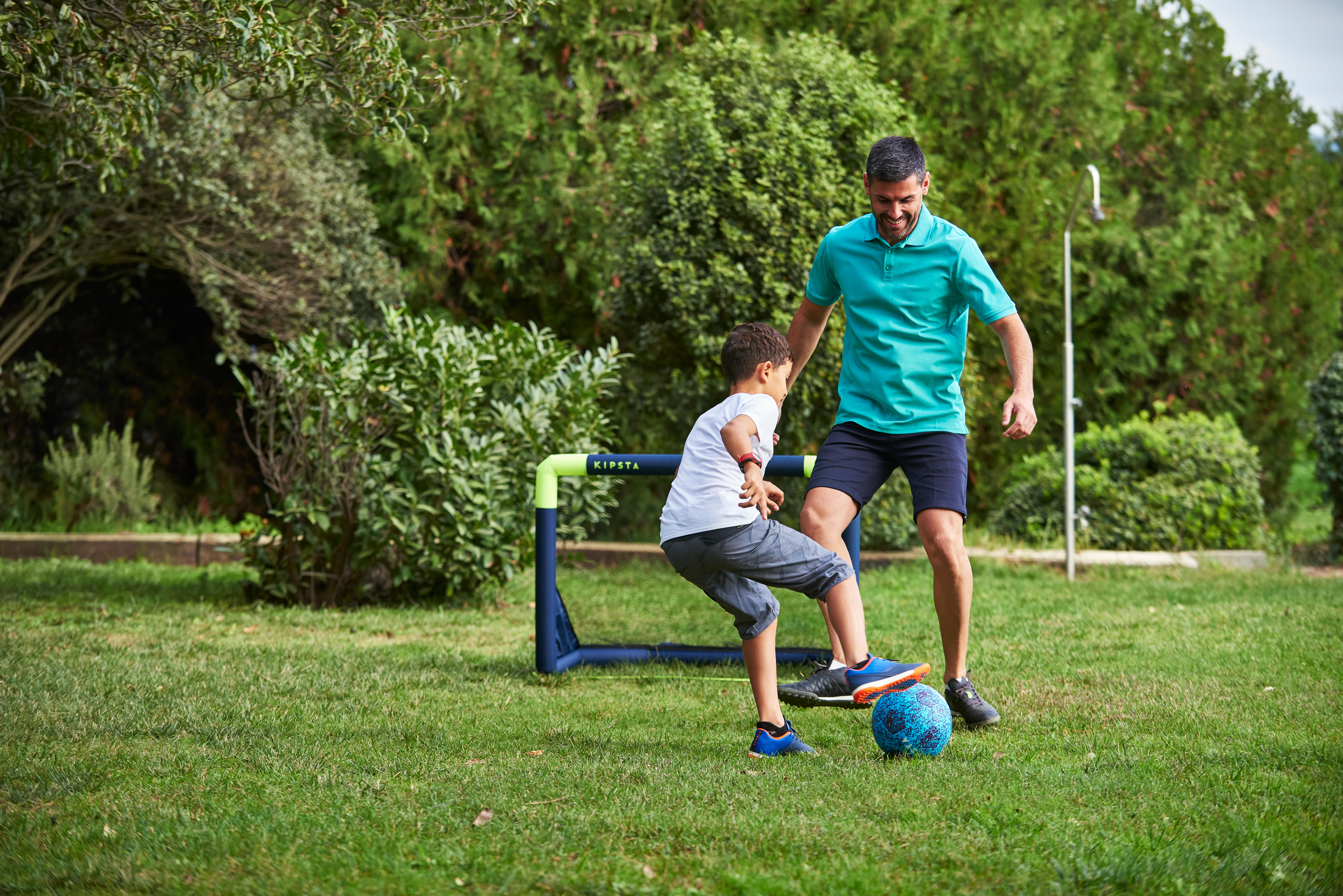
A goal in the backyard turns everyday play into valuable practice and keeps children active outdoors. Choosing the right size makes it easier for them to develop their skills and enjoy using it for seasons to come.
 All SportsMenWomenKidsAccessoriesEquipment and LeisureHealth & NutritionBest DealsNew ArrivalsMarketplace
 Hiking & Trekking
 Swimming
 Cycling
 Fitness (Yoga/Pilates)
 Camping
 Running
