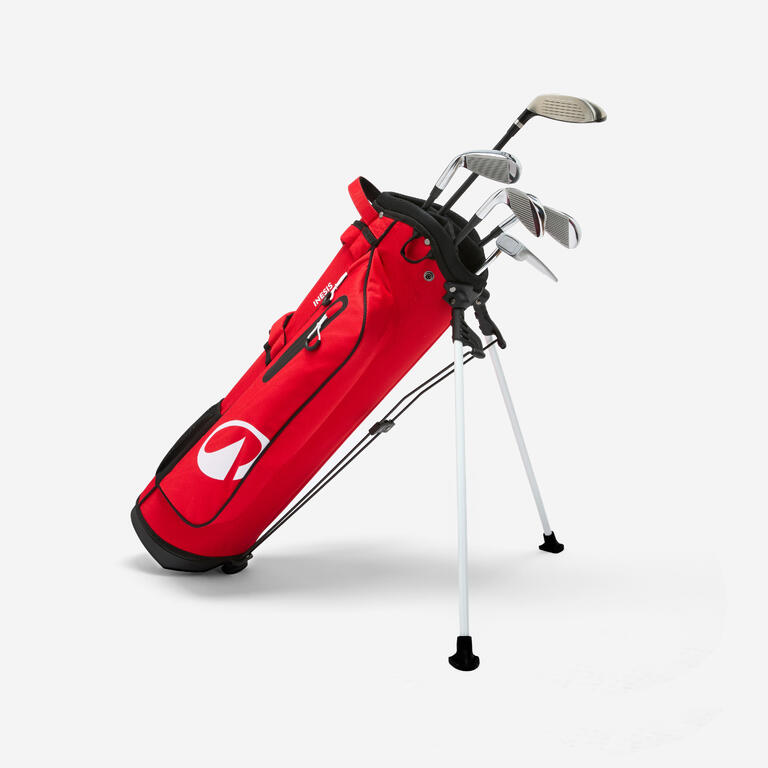
Children learn faster with clubs they can actually swing. We size ours by height rather than age, and we keep the club count deliberately low: three clubs for five to seven year olds, five for eleven to thirteen. Fewer clubs means fewer decisions and a lighter bag, which is usually the difference between a child who wants to come back next weekend and one who doesn't.
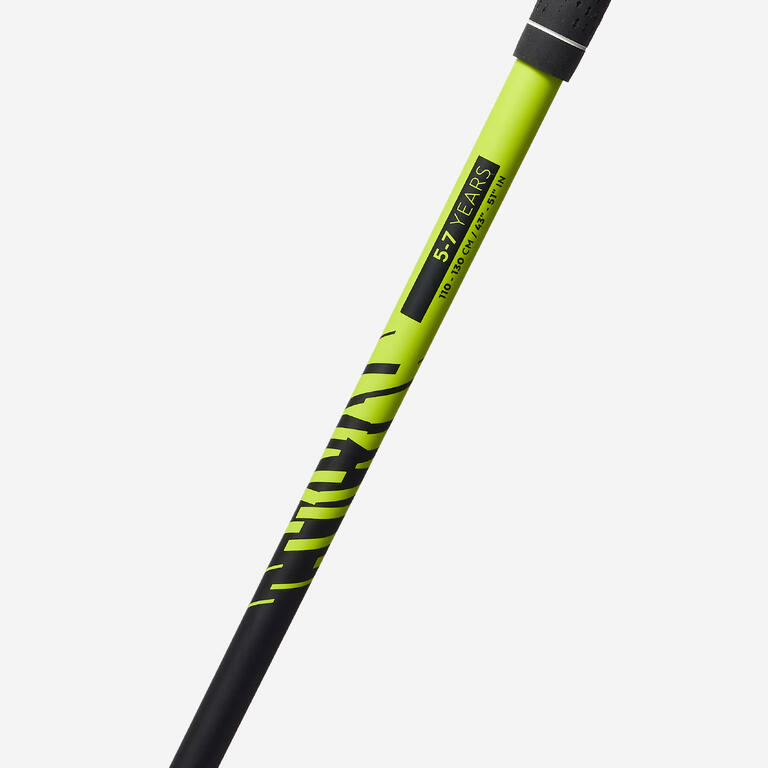
Kids' golf clubs should match your child's height rather than just their age, as the right shaft length helps them swing comfortably and develop good technique. Many junior sets are grouped into age and height ranges to make choosing easier. If your child falls between sizes, consider whether they'll benefit more from a better fit now or a little extra room to grow.
Number of Clubs
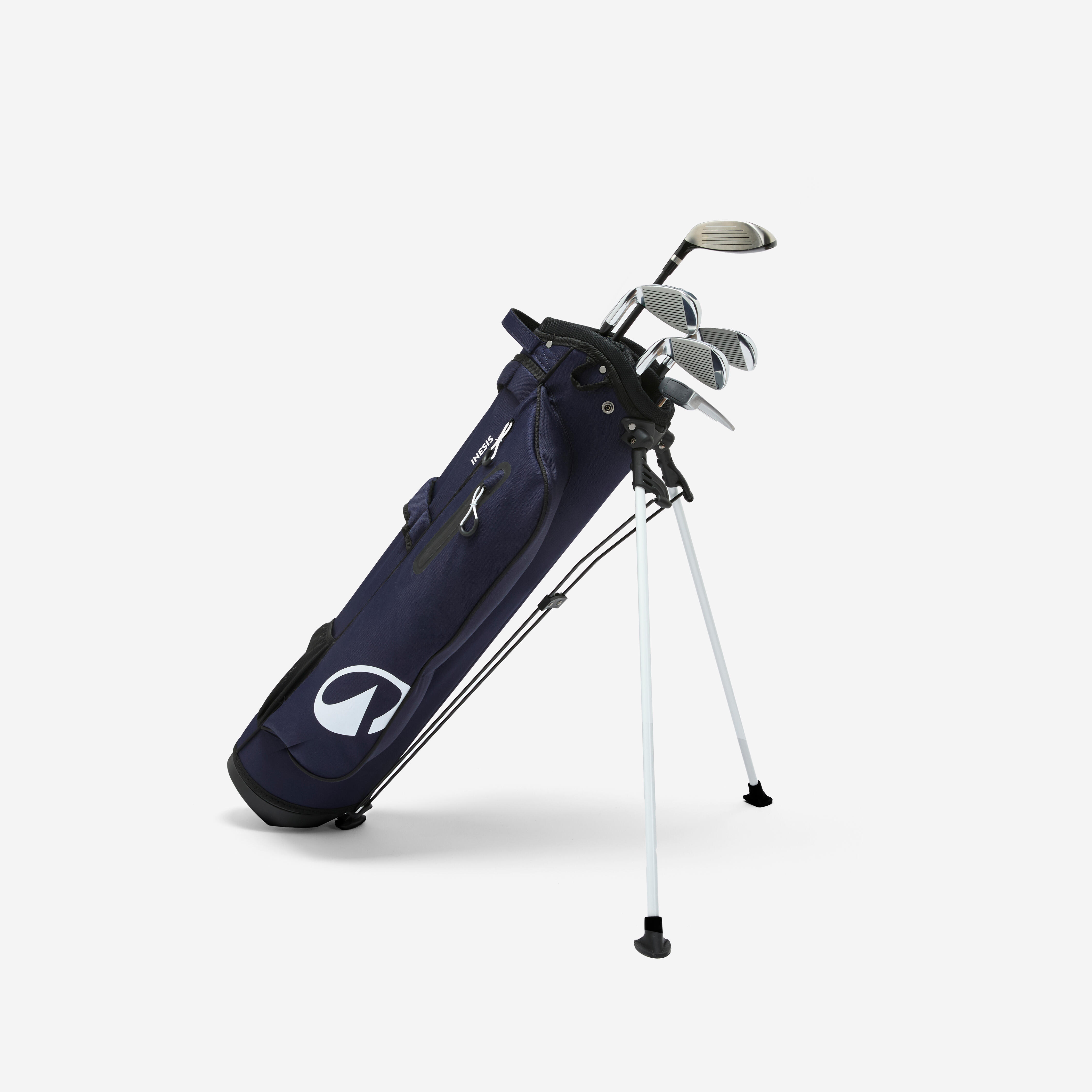
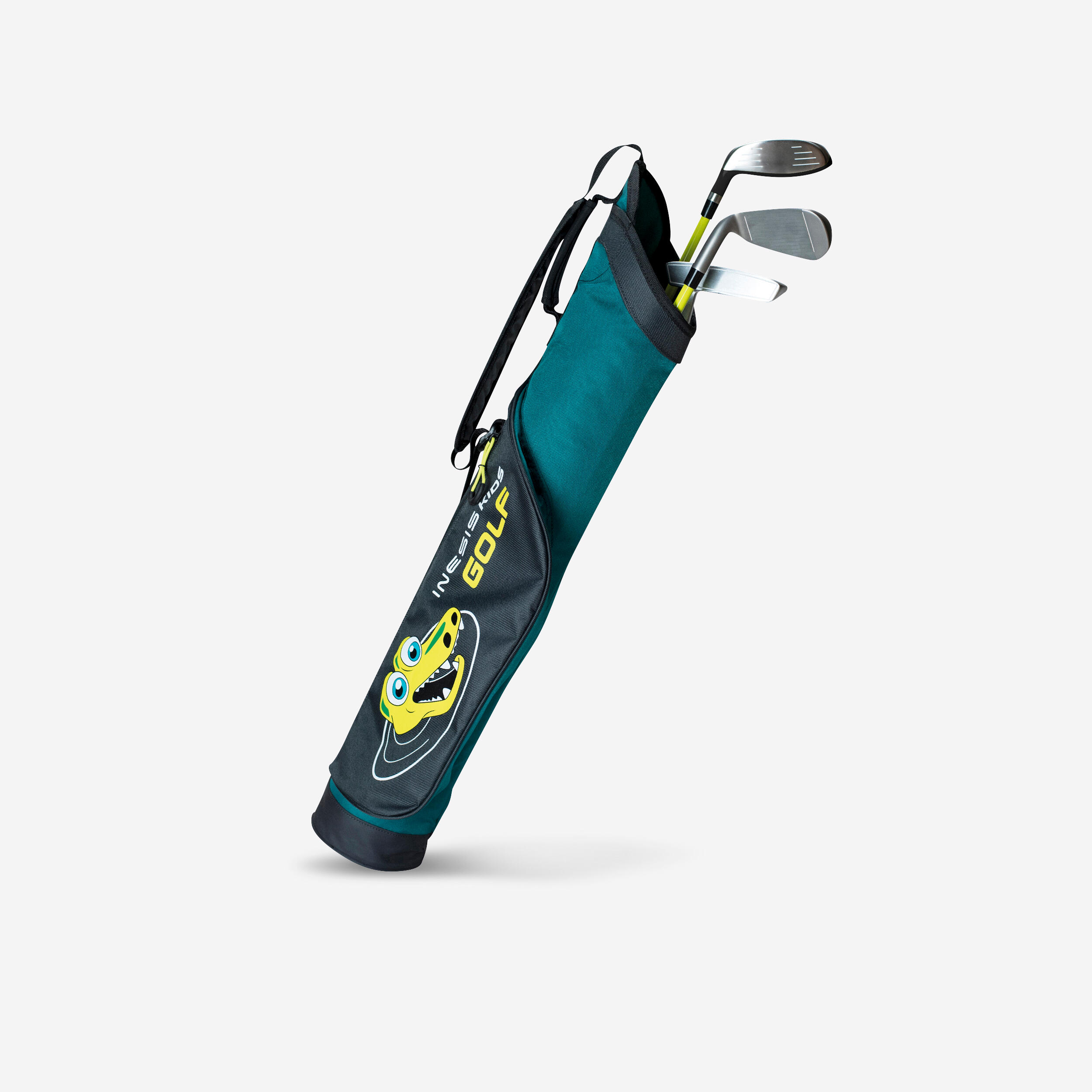
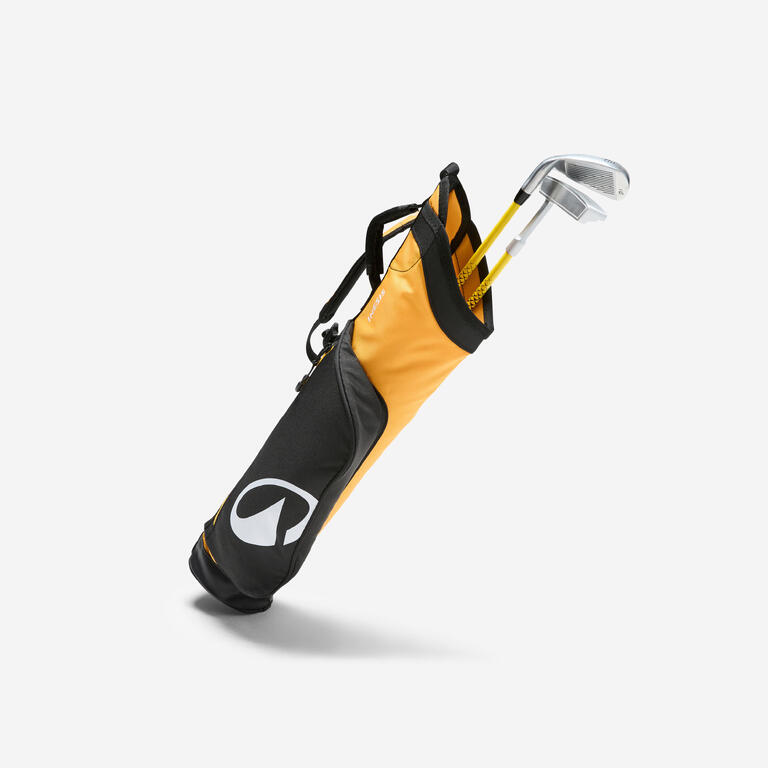
Starter sets often include just 3 clubs, covering the basics needed to learn each type of shot, while larger sets add more irons as a child progresses. Fewer clubs can make it easier for a beginner to learn without feeling overwhelmed by choice. Starting with a simple set makes the game less daunting and easier to enjoy from the first swing.
Weight
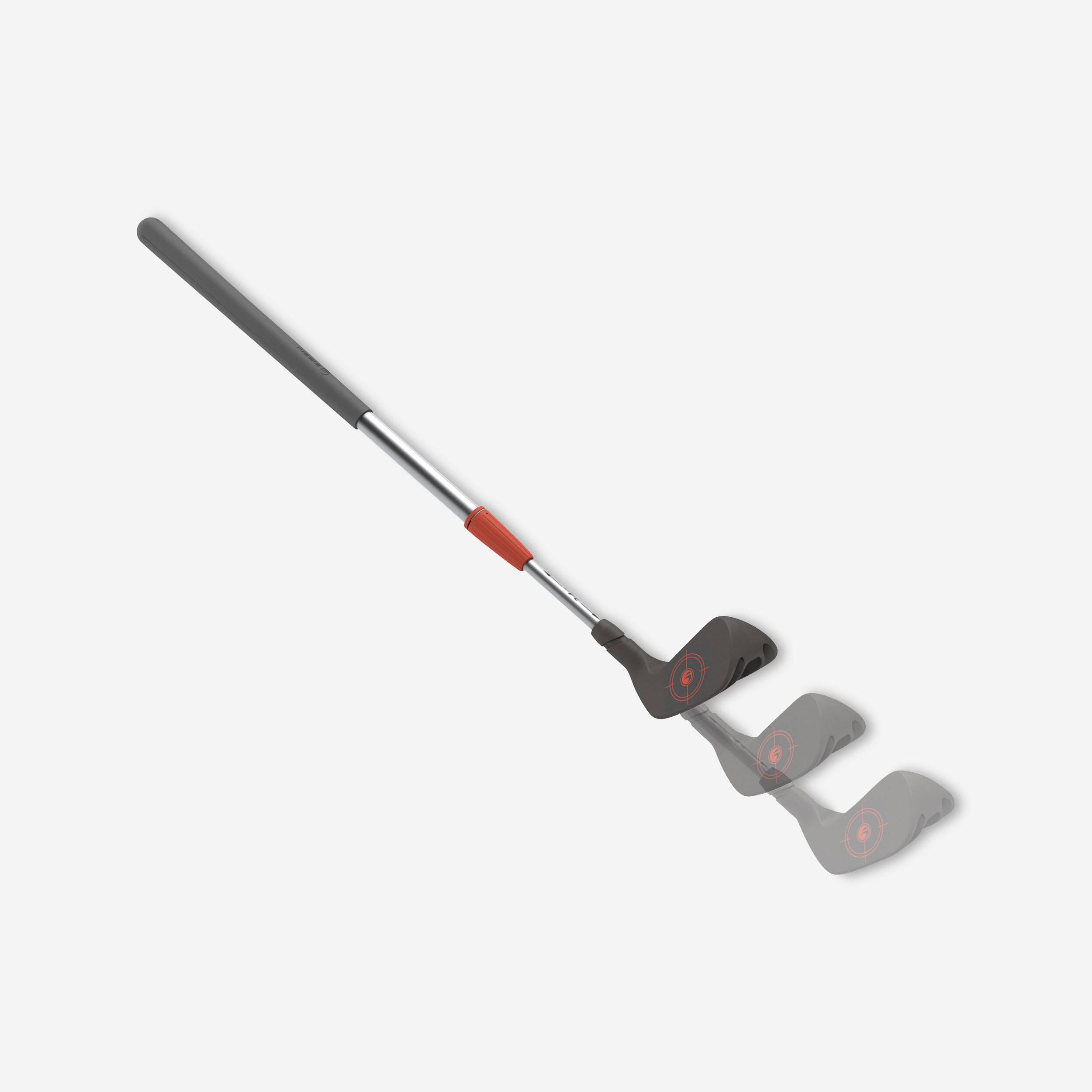
Lighter shafts are easier for kids to swing with control, which matters more than raw distance at a beginner level. Heavier, more standard clubs suit older kids who've built up strength and consistency. Choosing a weight that's comfortable for your child helps them swing more naturally while developing their skills.
Grip Size and Comfort
Junior grips should suit smaller hands, making the clubs easier to hold and control through the swing. A comfortable grip helps children develop proper hand positioning and comfort and control throughout the swing. Combined with the right club size, a good grip fit can make learning the game feel more enjoyable from the very beginning.
Learning the basics. Lightweight clubs and forgiving sweet spots make good swings rewarding. Kids build confidence instead of fighting their equipment.
Playing every week now. Clubs sized right for their current height with solid construction last through the season. Growth room and durability beat replacing sets constantly.
Competing seriously. Proper club specifications matched to their swing speed and technique give young competitors the tools they need. Performance matters when it counts.
Maintaining Junior Golf Clubs
Wipe club heads clean and dry immediately after play to prevent rust on metal parts. Check the grips for wear, as kids' hands grow and grips can slip. Replace grips before they get too smooth, which affects control. Keep clubs in the bag between rounds rather than loose, where impacts can cause damage. As kids grow, their clubs might need adjustment or replacement, so inspect regularly. Proper care now teaches them good habits for equipment care later.
Kids golf clubs by type
Type
Best for
Half sets (5-7 clubs)
Young beginners or testing interest, keeping the game simple while learning.
Kids playing regularly, with all club options for developing their game.
Complete sets (10-14 clubs)
Younger or smaller kids, easier to swing with less muscle fatigue.
Lightweight graphite sets
All kids, matching their natural swing orientation for proper technique development.
Club length should match your child's height, not age. Measure from their fingertips to the ground when standing straight with arms relaxed. Most manufacturers provide height charts. Properly sized clubs feel natural to hold and swing. Wrong-sized clubs frustrate kids and make learning difficult.
Should I buy a complete set or start with a few clubs?
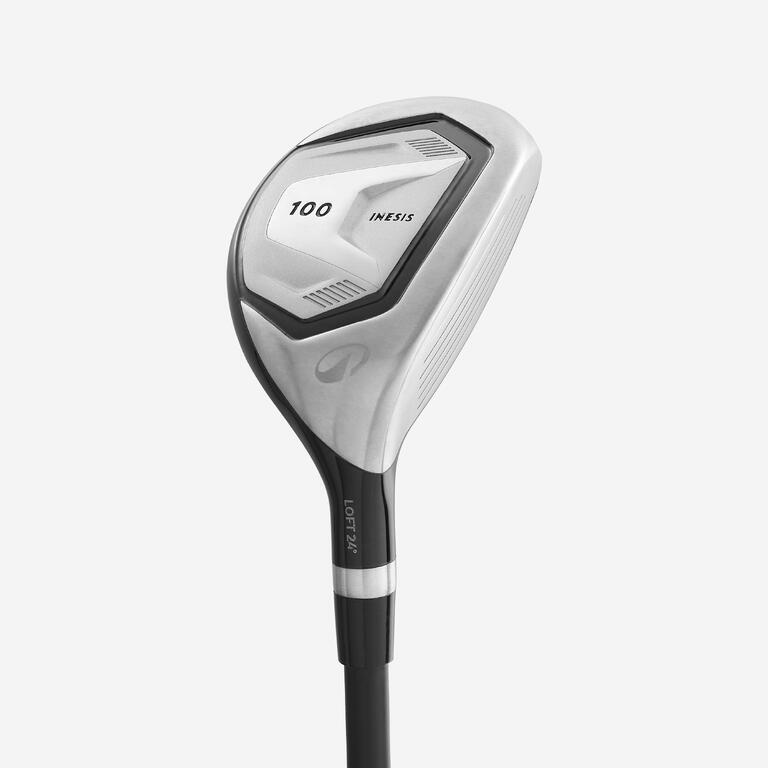
Start with three clubs if your child is new to golf. That's enough to cover every kind of shot: a hybrid to hit it a long way, a 9-iron or pitching wedge for approaches, and a putter for the green. Our sets step up to five clubs for older juniors. Fewer clubs means fewer decisions and a bag they can carry themselves.
What's the difference between kids and adult golf clubs?
When should my child switch to adult clubs?
How do I care for kids golf clubs to make them last?
Kids clubs are shorter, lighter and have smaller grips to fit small hands and builds. Adult clubs are too heavy and long for developing golfers. Using proper-sized clubs helps kids develop correct technique. Wrong-sized equipment creates bad habits that are hard to break later.
Most kids switch between ages 12-14 when they reach around 160cm height. Test fit before buying. Your child should be able to hold the club comfortably without stretching. If they're playing regularly and outgrowing their junior set, it's time to move up. A good fit improves their game immediately.
Wipe the heads down after play, especially in wet weather, and store the clubs somewhere cool and dry. Replace grips once they turn smooth, as kids' hands grow and a slippery grip encourages a tight, tense hold. Keep clubs in the bag rather than loose. Looked after, a junior set usually passes down to a younger sibling.
Set Them Up for Success From Day One
The right junior golf clubs help young players enjoy the game while developing their skills at their own pace. Choosing equipment that's comfortable to use today gives them the freedom to focus on learning, practising and building a lifelong enjoyment of golf.
 All SportsMenWomenKidsAccessoriesEquipment and LeisureHealth & NutritionBest DealsNew ArrivalsMarketplace


 Hiking & Trekking
 Swimming
 Cycling
 Fitness (Yoga/Pilates)
 Camping
 Running
