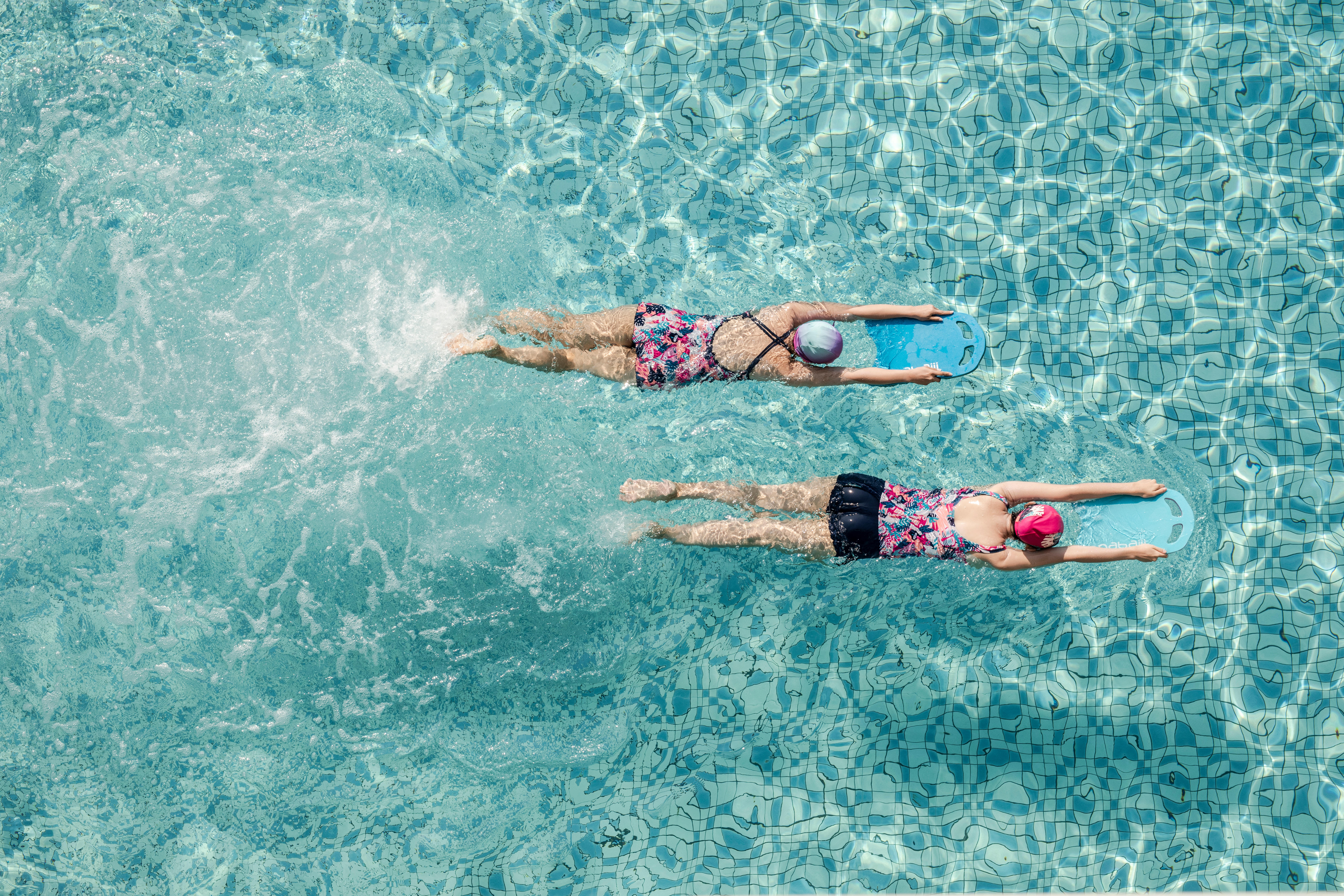
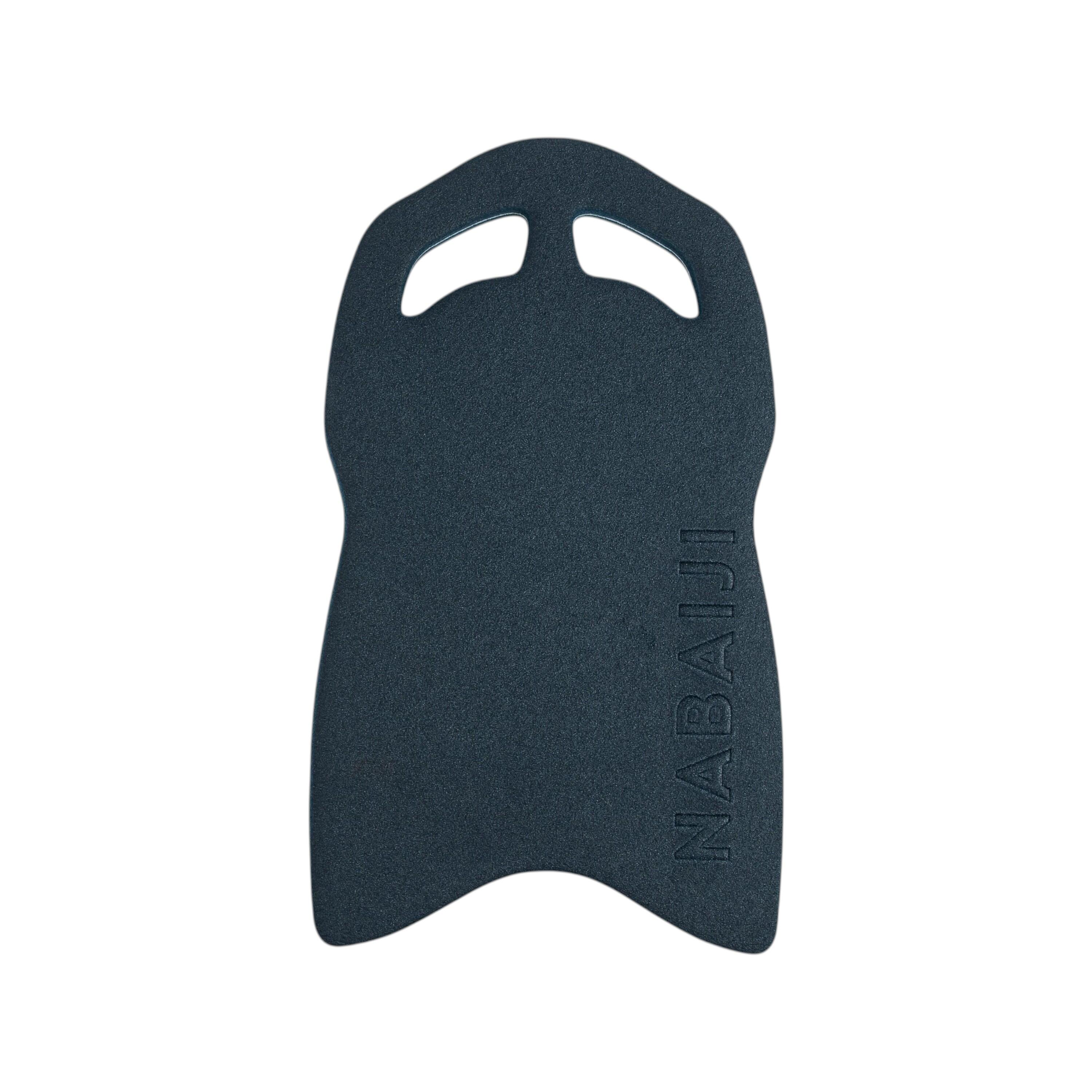
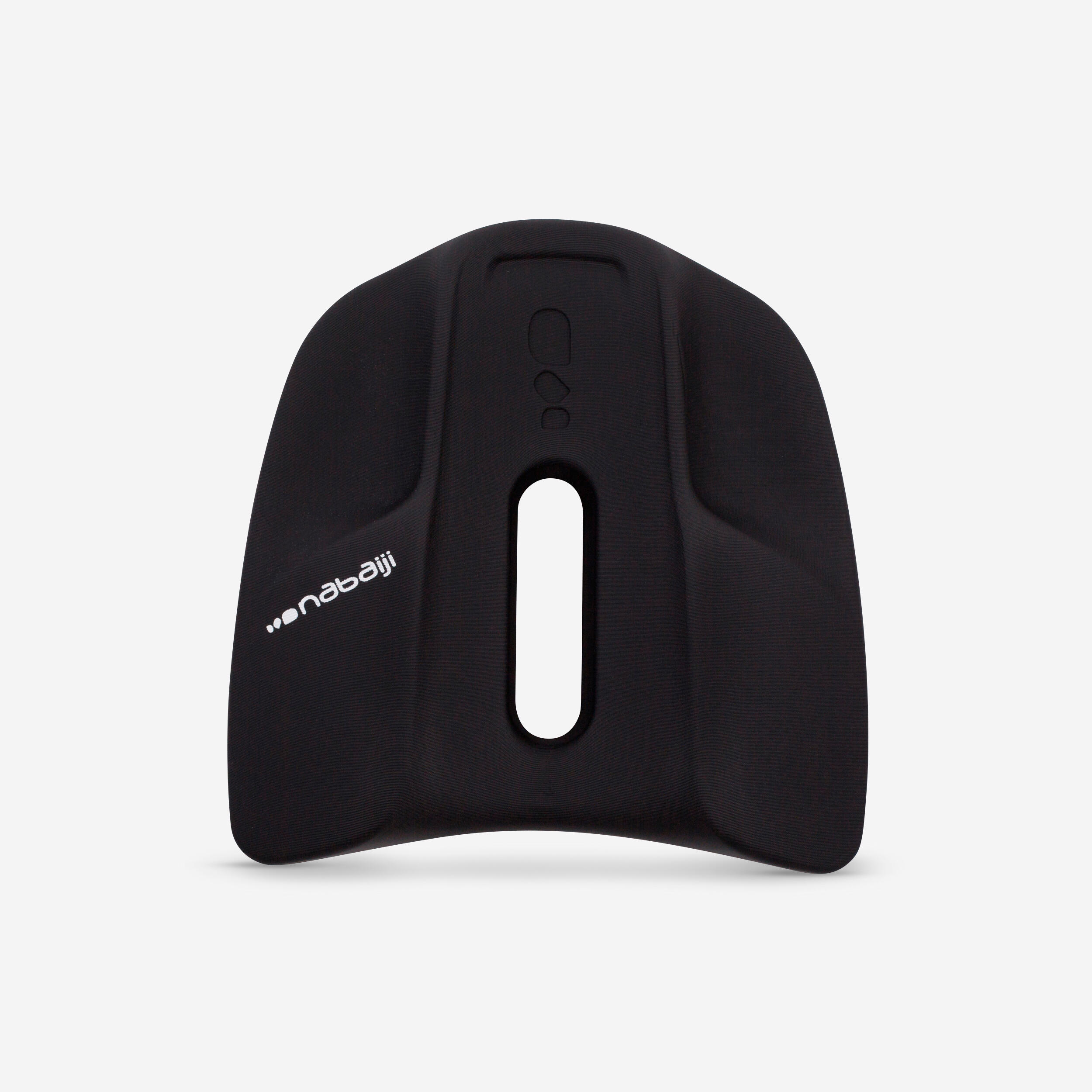
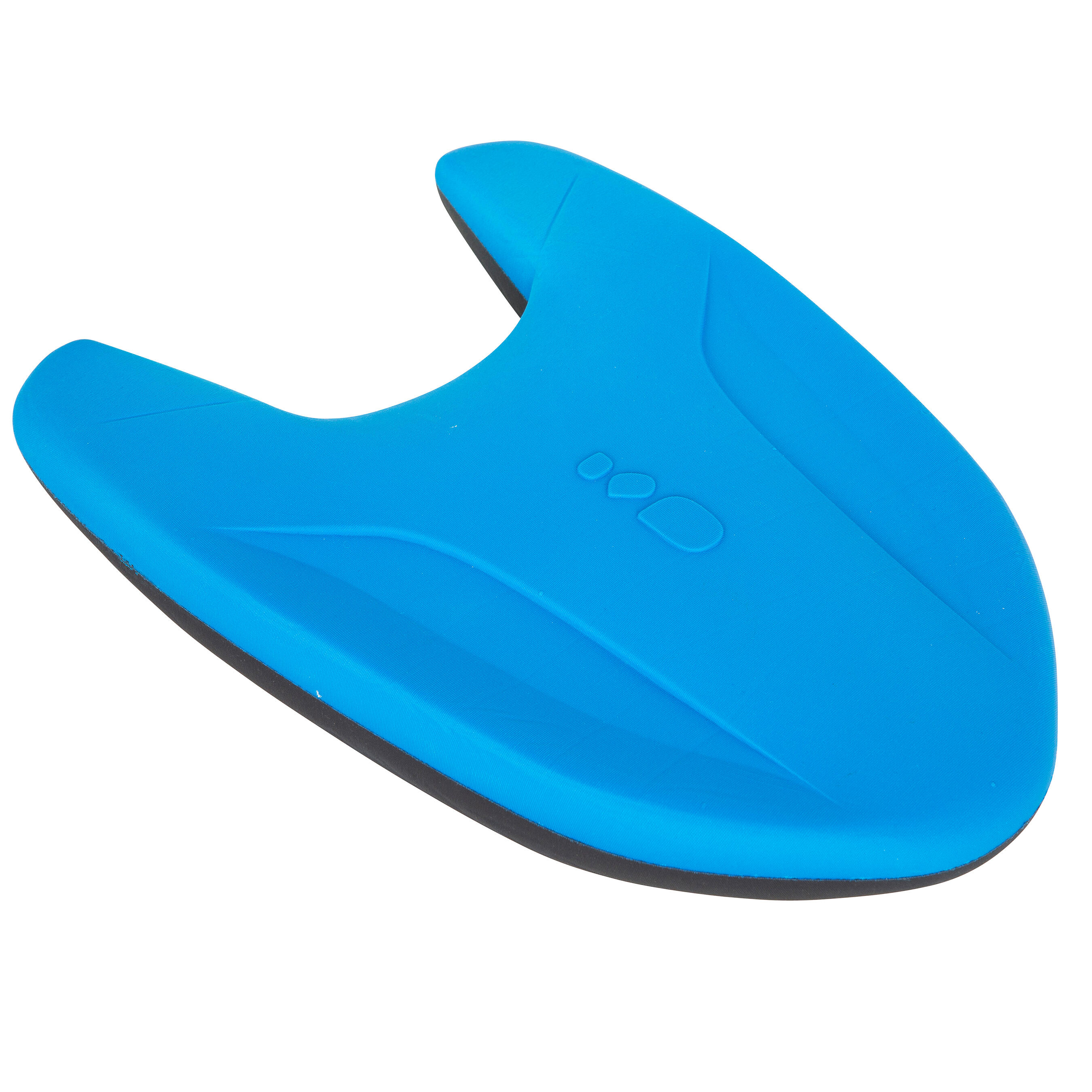
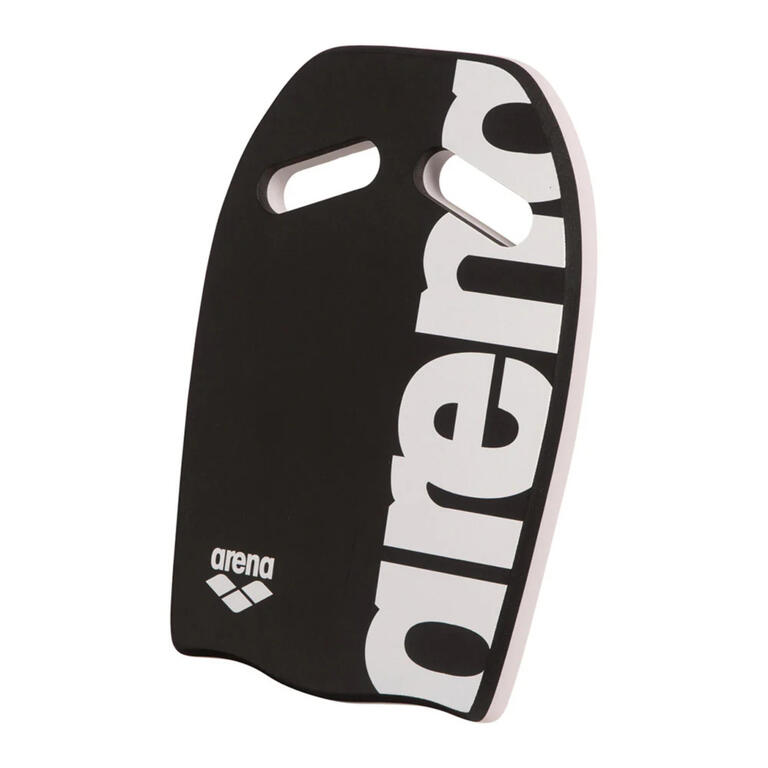
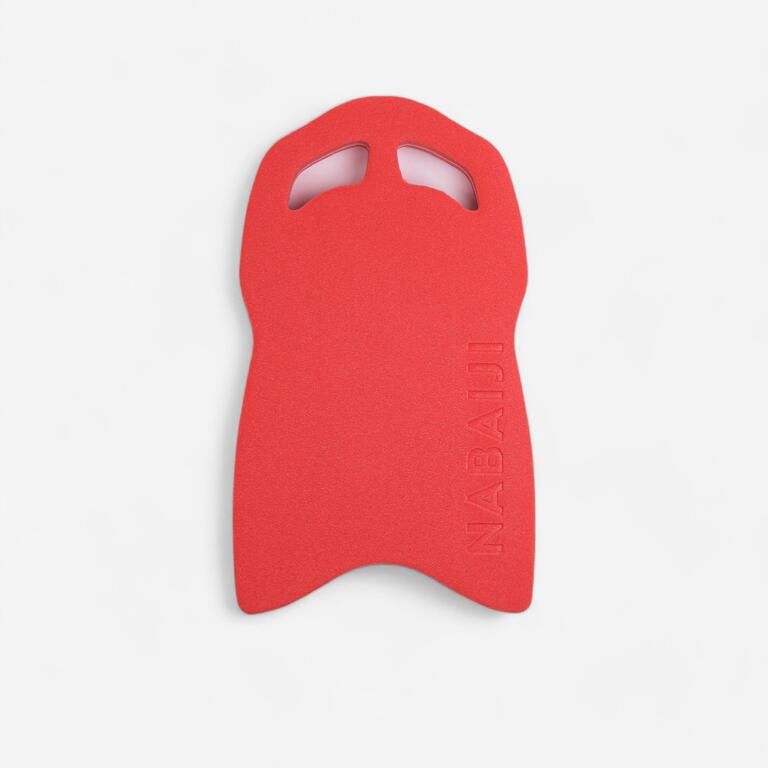
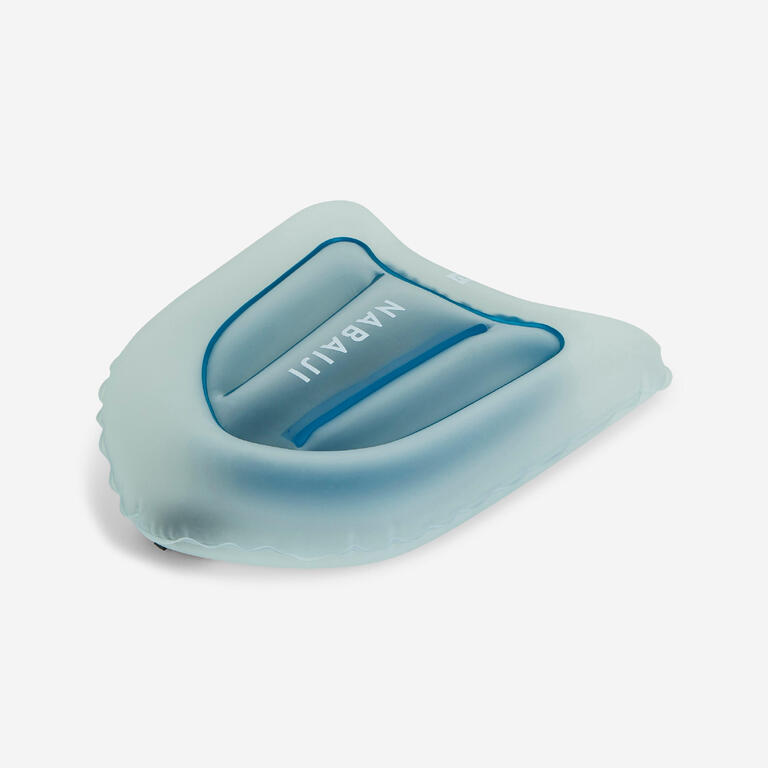
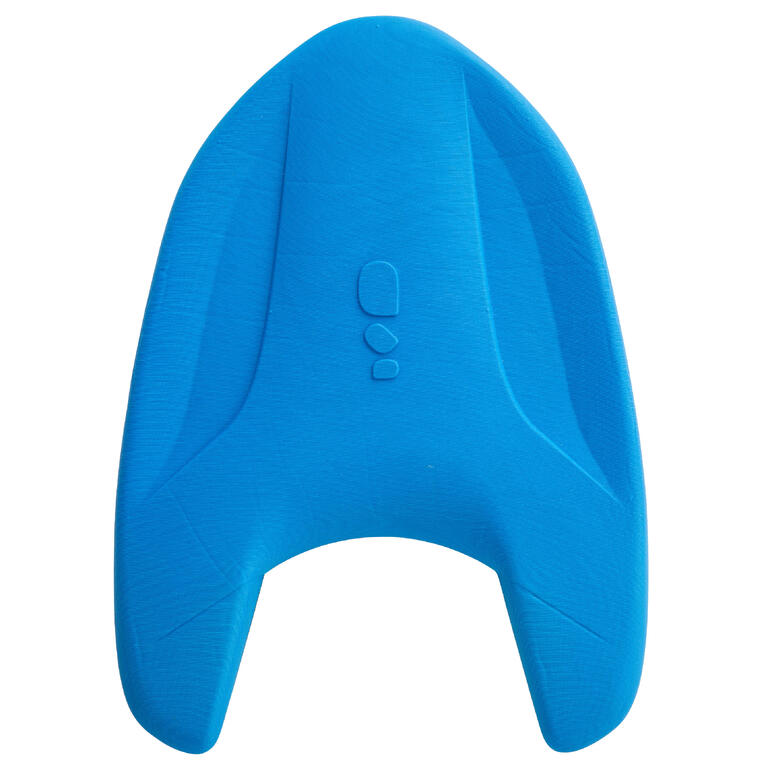
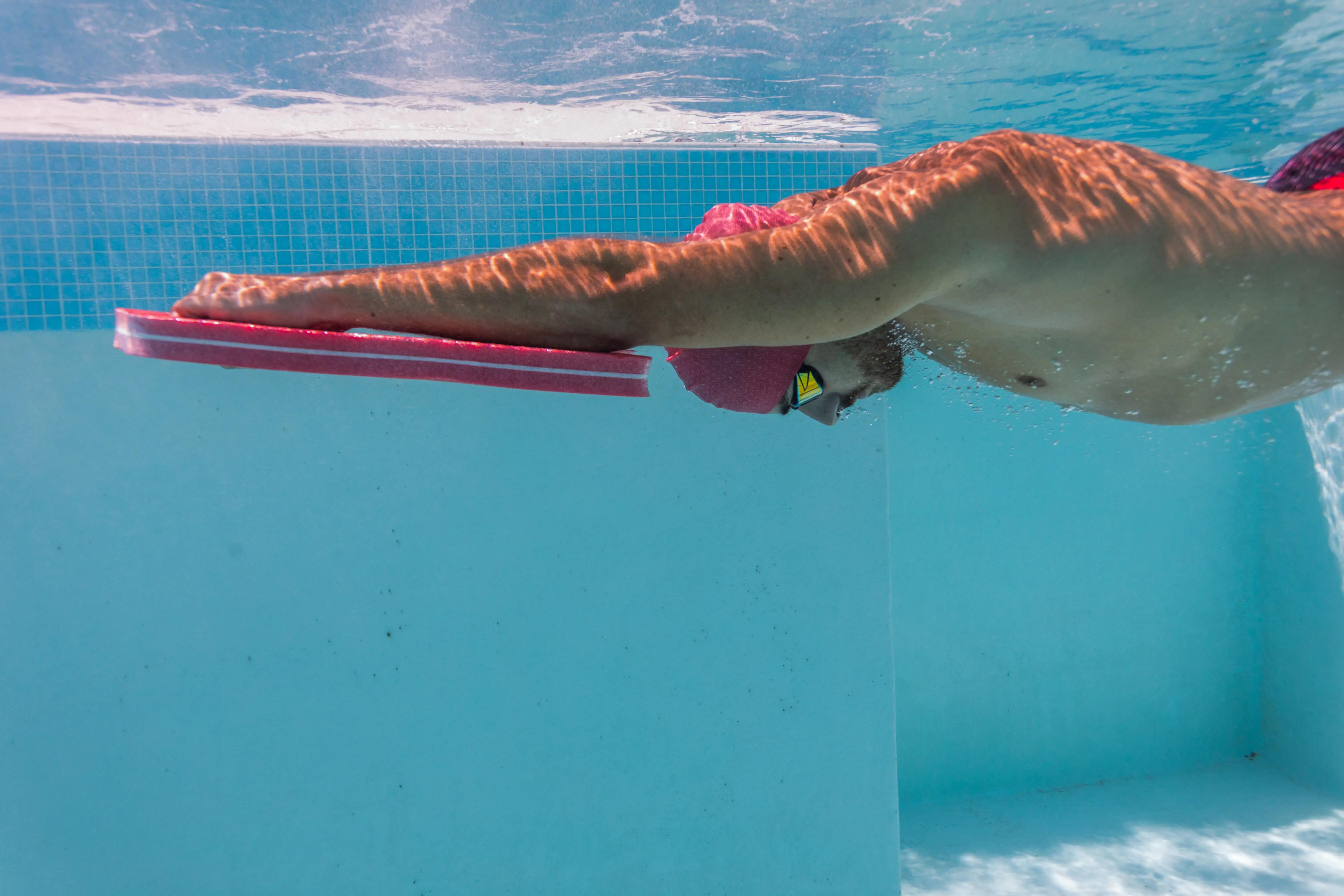
A kickboard isolates your legs so your kick has nowhere to hide. We make a classic rectangular board for straightforward leg sets, a compact triangular one that changes your hand position and adds variety, and a pull kick that works as a board one way up and a pull buoy the other, which is one piece of kit instead of two in your bag.
How much a kickboard floats determines what you can actually work on. High buoyancy holds you high in the water, which is great for beginners building confidence and kids learning basics, but it doesn't challenge your core. Lower buoyancy boards make you work harder to stay afloat, building real leg strength and body control. If you're drilling kick technique with a coach or training for something specific, you want a board that challenges your technique instead of simply keeping you afloat.
Size and handling
A board that's too big is unwieldy and tiring to control, especially for younger swimmers or those still building strength. Too small and it doesn't provide enough support or stability. Most standard kickboards around 40cm work for general pool training, but if you're buying for a child or prefer something easier to manoeuvre, a compact board makes a real difference. You want to focus on your kick, not wrestling with gear.
Grip and hand positioning
A slippery board is frustrating when you're wet and fatigued. Look for textured top surfaces or grooves that give you something to hold onto when your hands are wet. Some boards have built-in hand holds that let you grip from different positions, which matters if you're varying your drills. A kickboard that stays put in your hands means better form and less time adjusting your grip mid-session.
Durability for regular use
Pool chemicals and UV wear down foam over time, especially if you're training multiple times a week. A board that degrades quickly becomes waterlogged, loses buoyancy, and stops performing. High-density foam holds up better than cheaper alternatives and maintains its feel season after season. If you're buying for regular pool work rather than the occasional family swim, durability actually saves money in the long run.
Kids learning to kick. Whether in lessons or at the pool with parents, these kickboards build leg strength and water confidence. Simple, lightweight, and designed for smaller hands and bodies.
Recreational swimmers adding drills to their routine. You want to build leg fitness without specialised training. Balanced buoyancy makes it comfortable for longer sessions at your pace.
Competitive swimmers refining technique. You train regularly and use targeted kick work to build speed and power. Responsive design lets you feel exactly how your legs are working.
Looking after your kickboard
After every session, rinse with fresh water and pat dry with a towel. Stand it upright or lay it flat to air dry completely before storing. Moisture inside the foam can reduce buoyancy over time. Never store it compressed in a small space or bent while damp. Avoid heat and prolonged direct sunlight, which can warp and crack the foam surface. Store in a cool place with adequate space for it to breathe. If your kickboard feels softer or less buoyant than when new, water may have penetrated the foam interior.
Kickboards by type
Type
Best for
Classic Kickboards
Learning kick technique and improving lower-body strength.
Comfortable grip during longer training sessions.
Ergonomic Kickboards
Young swimmers building confidence and kicking skills.
Junior Kickboards
Swim drills that combine kickboard and pull buoy functions.
Yes. A kickboard helps swimmers of any level build confidence by supporting your upper body while you focus on developing stronger, more efficient leg movements. It isolates the kick so you can perfect your technique without worrying about arm coordination. Most swimmers benefit from regular kickboard training.
Does the material of a kickboard actually affect performance?
Yes. High-density foam provides better buoyancy and responsiveness, making it easier to maintain proper body position in the water. Softer materials may absorb water over time and lose their support. For regular training, a quality foam kickboard offers better value and performance.
Should I choose a standard or pull-kick kickboard?
How do I know if a kickboard will fit in my gym bag or pool locker?
Can I use one kickboard for different swimming styles or drills?
A standard kickboard is ideal if you mainly want to improve your kicking technique and build leg strength. A pull-kick board combines a kickboard and pull buoy in one, making it a great choice for swimmers who want more variety in their training. Choose the option that best matches your swimming goals and how often you train.
Standard kickboards are designed to fit comfortably in most pool bags and lockers. If space is tight, look for a compact or folding kickboard. Most come with a carrying strap or handle for easy transport to and from the pool. Check the product dimensions before purchasing if you have limited storage.
A good quality kickboard is versatile enough for different drills and swimming styles. However, some swimmers prefer different boards for different purposes. For freestyle and backstroke training, a standard board works well. For butterfly or breaststroke work, you may prefer a smaller, more responsive option. One quality board is enough to start with.
Building Better Technique With The Right Kickboard
A kickboard isolates your legs so you can focus entirely on kicking technique and build strength that transfers directly to better swimming efficiency. By forcing you to concentrate on what your legs are actually doing in the water, it gives you measurable progress you can feel. The right kickboard for your ability level makes drills feel productive rather than frustrating.
 All SportsMenWomenKidsAccessoriesEquipment and LeisureHealth & NutritionBest DealsNew ArrivalsMarketplace
 Hiking & Trekking
 Swimming
 Cycling
 Fitness (Yoga/Pilates)
 Camping
 Running