Beginners at home
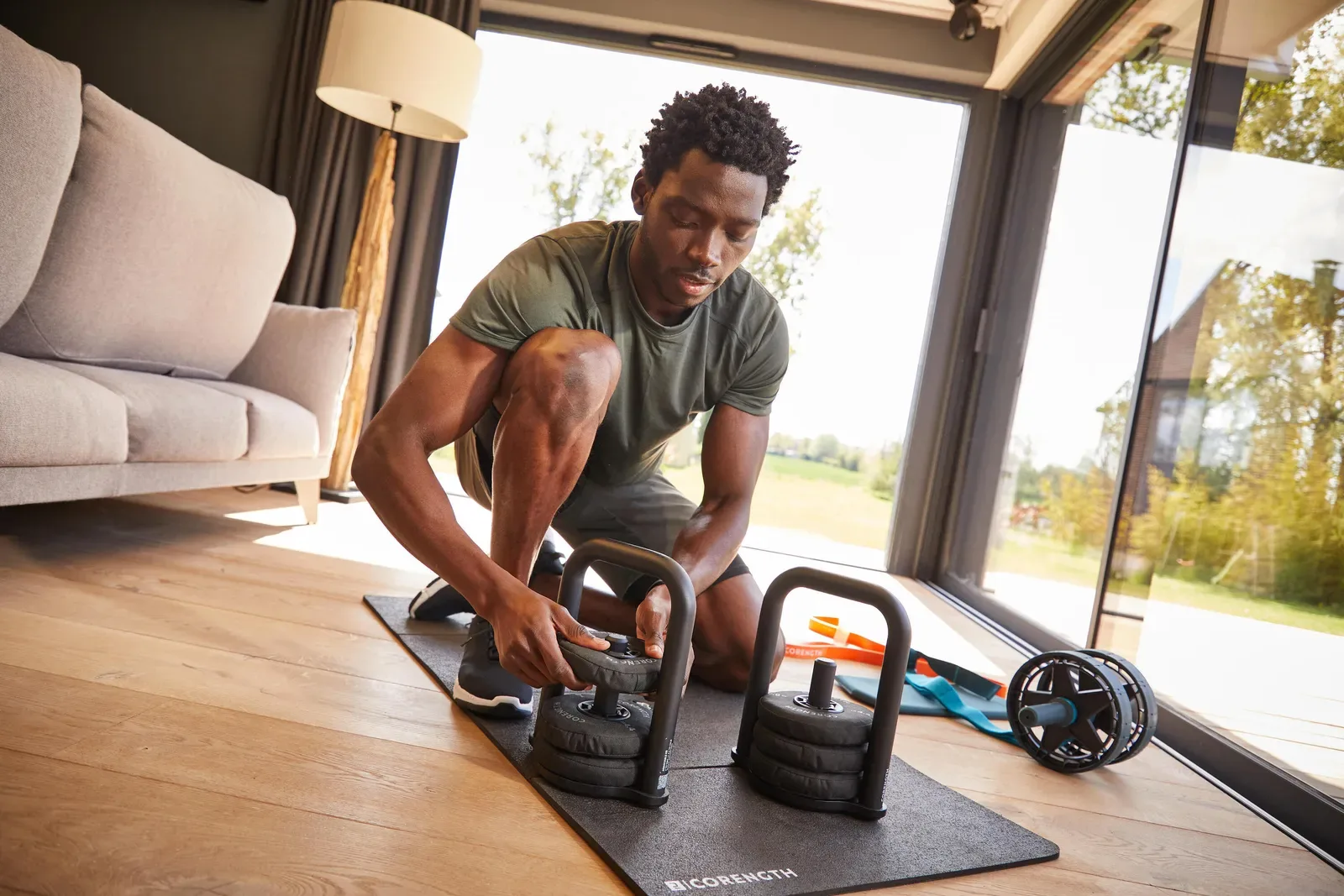
One bell covers swings, squats, presses and carries. It's a simple way to start strength training.
A kettlebell is one of the most useful things you can own for training at home. Here is how we would choose one, plus the kit around it that keeps your sessions safe and well organised.
One great bell, then the kit that supports it.
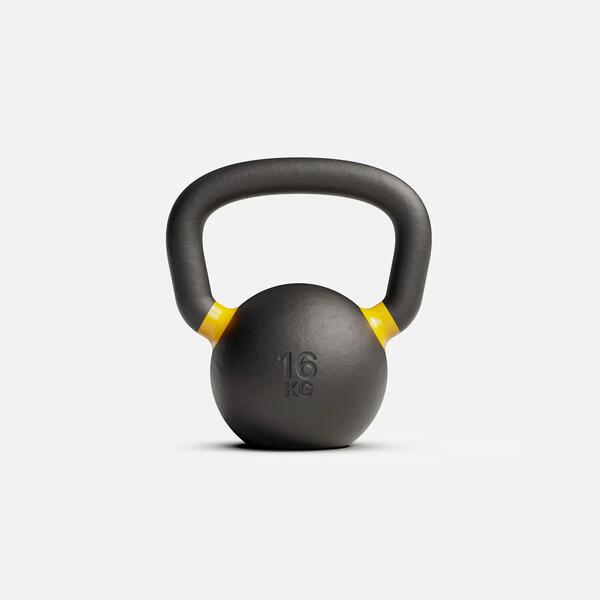
Cast iron, competition, soft and adjustable kettlebells.
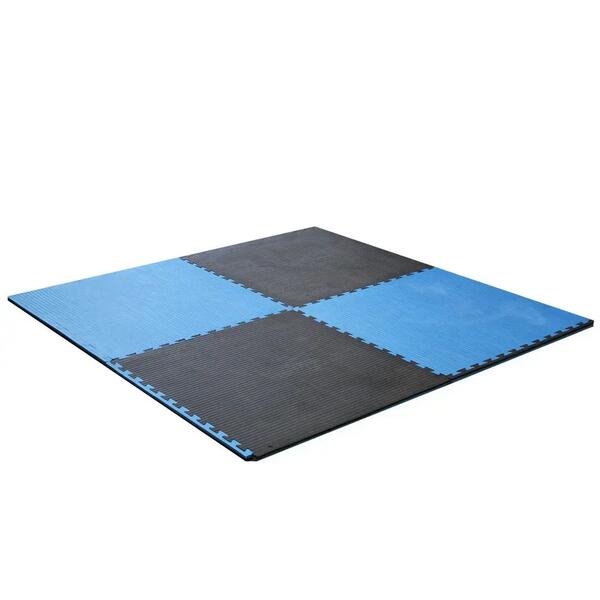
Rubber tiles, jigsaw mats and fitness mats for floors.
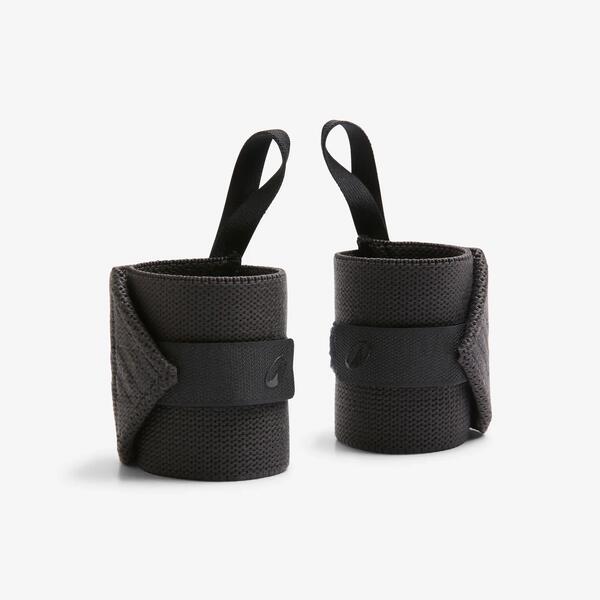
Gloves, wrist supports and handgrips for a confident grip.
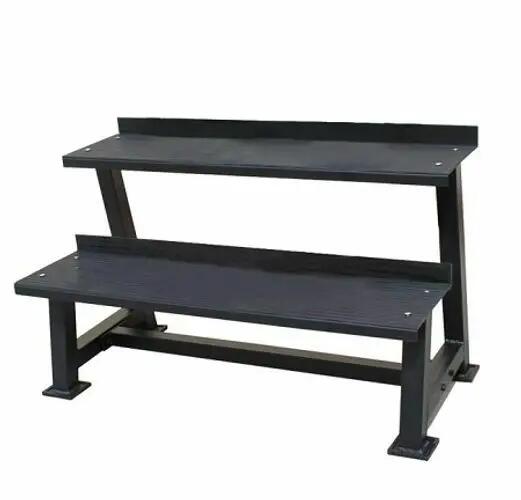
Racks and stands, including kettlebell and dumbbell storage.
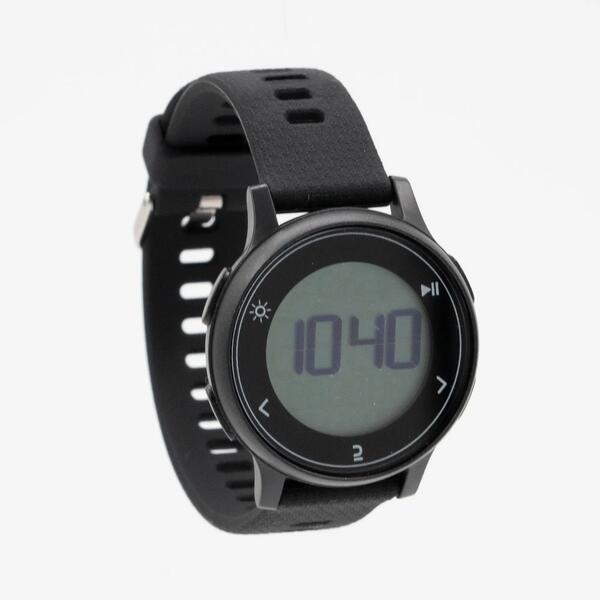
Watches, fitness monitors and heart rate straps for timing.
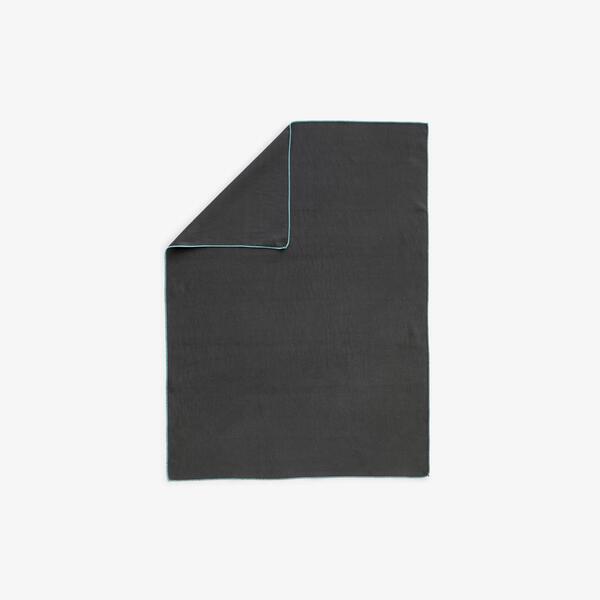
Towels, water bottles and shakers for every session.
Choose a bell you can swing and squat for a full set with good form. Lighter bells suit presses and get-ups, heavier ones suit swings. Many people end up with two bells for that reason.
Check that both hands fit on the handle for two-handed swings. A smooth handle is kinder to your palms. Competition bells keep the same size at every weight, while cast iron bells grow with the weight.
Kettlebells are hard on floors when you set them down. Rubber tiles or a thick mat protect the surface and cut noise. In an apartment, check your building's rules on heavy equipment.
Many kettlebell sessions run on intervals, like work and rest blocks. A watch or stopwatch keeps you honest without a phone in your hand. It also helps you track rest between heavy sets.
One bell covers swings, squats, presses and carries. It's a simple way to start strength training.
A kettlebell takes up less room than a set of dumbbells. It tucks into a corner or onto a rack.
Swings and carries build hip and grip strength. Both support the way you move in your sport.
| Item | Why it matters | Tip |
|---|---|---|
| Lighter kettlebell | Presses, get-ups and learning technique | Practise each move here before going heavier |
| Heavier kettlebell | Swings, deadlifts and goblet squats | Move up only when every rep stays clean |
| Mat or floor tiles | Protects floors and reduces noise | Cover the whole spot where you set the bell down |
| Gloves or wrist support | Comfort for grip and pressing | Many people train bare-handed, so try both |
| Kettlebell rack | Safe storage and a tidier room | Keep the heaviest bells on the lowest tier |
| Watch or timer | Keeps intervals and rest on track | Set it before you start so you can focus |
| Towel and bottle | Dry hands and steady hydration | Wipe your hands and the handle between sets |
Start with a bell you can swing and squat for a full set while keeping good form. If you are unsure between two weights, pick the lighter one and build technique first. Many people add a heavier bell later for swings and keep the lighter one for presses. If you are returning from injury or are pregnant, check with a health professional before you begin.
Cast iron bells are a common, durable choice for home training, and their size grows with the weight. Competition bells stay the same size at every weight, so your technique feels consistent as you progress. Soft kettlebells are gentler on floors and suit apartments or group spaces. All three work well, so choose the one that suits your space and training style.
A mat or rubber tiles are a good idea, since setting a bell down can mark or crack hard floors. They also reduce noise, which matters in an apartment. A thicker fitness mat adds comfort for floor moves like get-ups. Keep the area clear and non-slip so your feet stay planted.
It's a personal choice. Many people train bare-handed for a direct feel on the handle, while others prefer gloves to reduce rubbing. Wrist supports can help with comfort in pressing and rack positions. Keeping your hands and the handle dry with a towel makes a big difference either way.
Keep them low, either on the floor in a set spot or on a dedicated rack. Avoid high shelves where a bell could fall. Store cast iron somewhere dry to prevent rust, and keep bells out of walkways and away from small children.
Start with a kettlebell that suits you, protect your floor and build from there. Train often and add kit as your strength grows.
Free delivery on orders over $150. Members get our lifetime warranty.