Club members
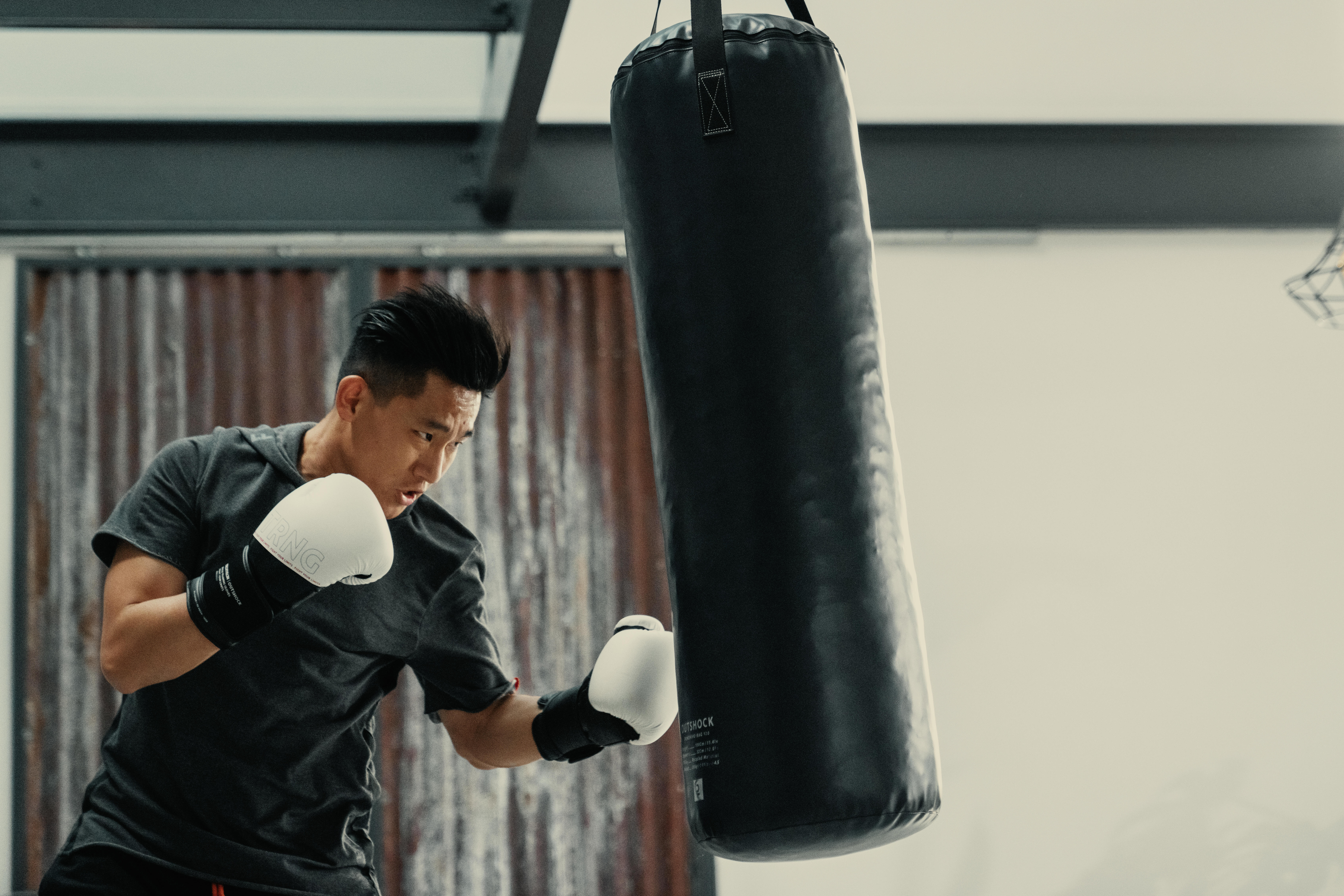
Keep drilling the combinations from class on the nights you can't get to the gym. A bag and a rope cover most of it.
A small, well-chosen setup at home keeps your technique sharp between classes and your fitness ticking over. Here is what we would put in a spare room or garage first, and how to fit it safely.
Start with something to hit, somewhere safe to hang it and a floor that can take it.
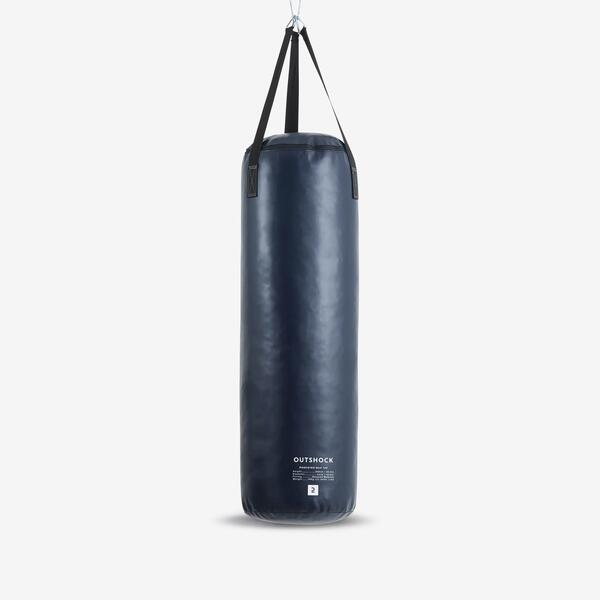
Hanging and free-standing bags for training on your own.
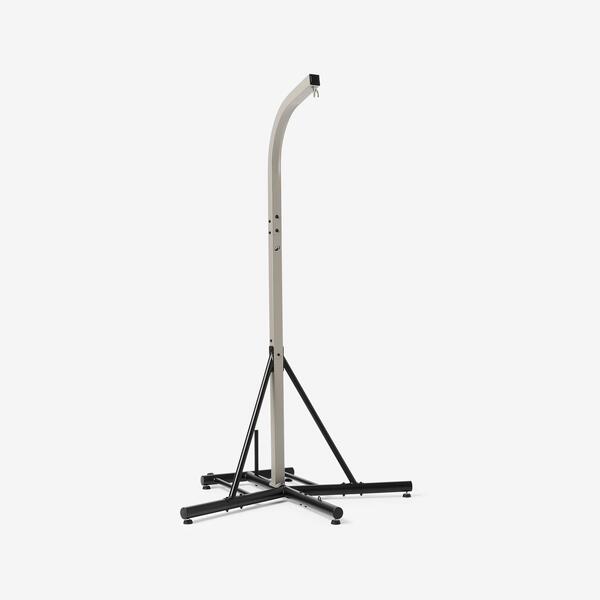
Stands, wall brackets and ceiling hooks to mount your bag.
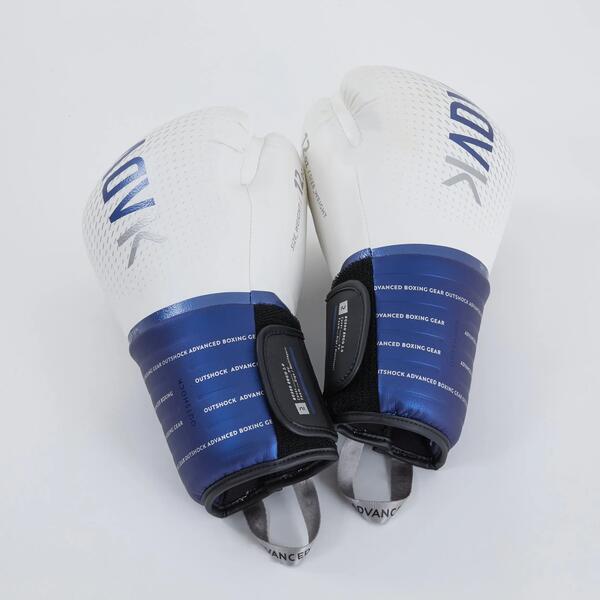
Bag, training and sparring gloves in adult and kids' sizes.
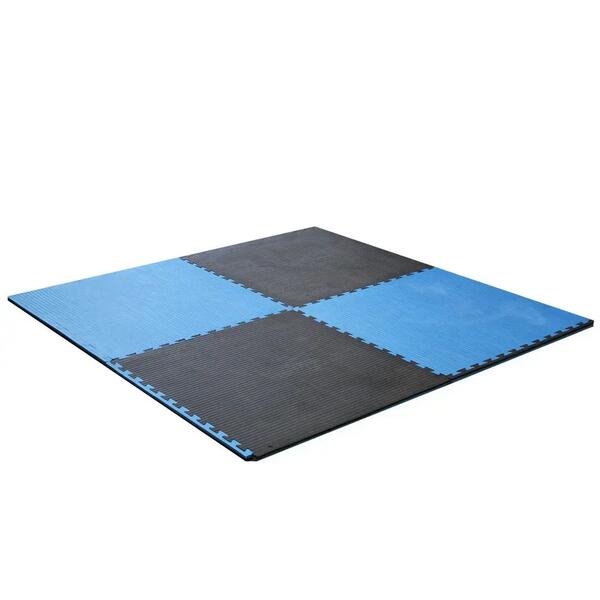
Jigsaw foam, rubber tiles and mats to protect floors.
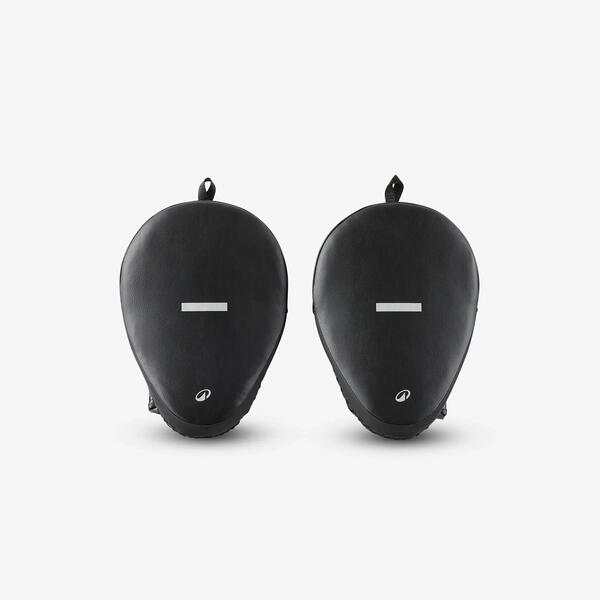
Focus pads and mitts for combinations with a partner.
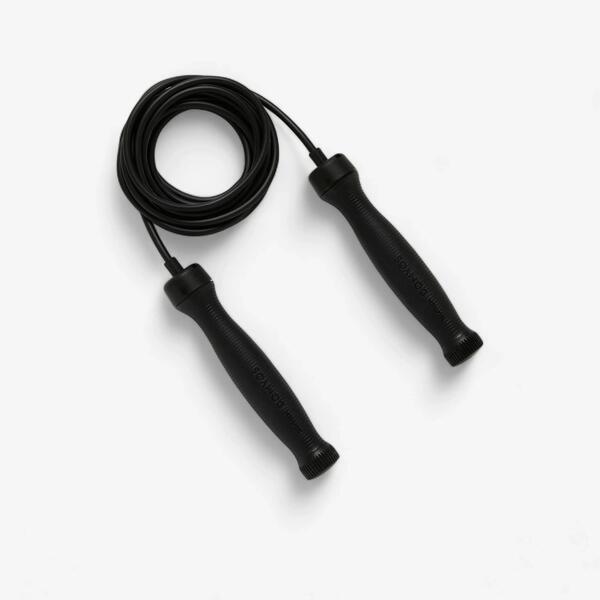
Speed, weighted and leather ropes for fitness and footwork.
A hanging bag swings, so you need clear room on every side of it as well as underneath. Measure ceiling height too, since a long bag plus its chain or hook can sit lower than you expect. Free-standing bags suit tight rooms but need a flat, solid floor.
Plasterboard alone will not carry a heavy bag, and a swinging bag adds force every time you hit it. Fix ceiling hooks and wall brackets into a solid beam, joist or masonry, and ask a builder if you are unsure. A free-standing stand avoids drilling altogether, which helps if you rent.
Jigsaw foam takes the sting out of footwork and kicks, while rubber tiles suit heavier gear and garage concrete. Mats also dull the thud that travels through floors. If you share walls, a free-standing bag on a mat is usually the quieter choice.
Gloves and hand wraps matter more on a heavy bag than almost anything else you buy. Pick gloves with firm padding over the knuckles and a closure that holds your wrist straight. If your club has a glove preference, match it so you only buy once.
Keep drilling the combinations from class on the nights you can't get to the gym. A bag and a rope cover most of it.
Bag rounds and skipping make a hard, efficient cardio session that fits into a lunch break.
Focus pads and a padded floor let parents and older kids practise safely, with an adult holding the pads.
| Item | Why it matters | Tip |
|---|---|---|
| Punching bag | Gives you something solid to strike on your own | Free-standing suits renters and tight spaces |
| Stand, bracket or hook | Holds a hanging bag securely | Fix into a beam or masonry, never plasterboard alone |
| Gloves | Protect knuckles and wrists on the bag | Choose a weight your coach or club recommends |
| Hand wraps | Support the small bones of the hand | Wrap up before every bag session, light or hard |
| Floor mats | Cushion footwork and protect the floor | Interlocking tiles let you add to the area later |
| Focus pads | Sharpen timing and combinations with a partner | Holders should keep elbows soft and pads close |
| Skipping rope | Builds rhythm, footwork and fitness | Size it so the handles reach your armpits |
| Resistance bands | Add strength work without a full gym | Anchor them to something that won't move |
A bag, gloves, hand wraps and a mat cover most solo striking work. Add a skipping rope for warm-ups and conditioning, which costs little and takes up almost no space. Focus pads are worth adding once you have someone to hold them. If you also train at a club, use your home sessions to repeat what your coach set, rather than inventing new technique on your own.
Glove size is given in ounces, and the number is the glove's weight rather than your hand size. Heavier gloves carry more padding, so they are kinder to your hands and to training partners, while lighter gloves feel quicker on the bag. Many clubs ask for a particular weight for sparring, so check with your coach before you buy. For bags, think about who is hitting it: lighter adults and kids generally suit a lighter or shorter bag, and kickers need one long enough to reach low.
Sweat is the main enemy. Open your gloves up and let them air dry after every session, ideally somewhere with good airflow, and use a glove dryer or deodoriser if they start to smell. Wash cloth hand wraps after each use. Wipe pads, bags and mats with a mild cleaner, and avoid harsh solvents that can dry out synthetic leather.
Most clubs supply bags, pads, mats and often loan gloves for a first session. What you are usually expected to bring is your own hand wraps, a mouthguard and, after a few weeks, your own gloves for hygiene reasons. Home gear does not replace a coach, but it lets you practise the basics so class time goes further. Ask your club what they recommend before buying anything big.
Often, but only if the fixing goes into something structural, such as a timber beam, steel joist or concrete slab. Plasterboard, battens and light ceiling frames are not built for the swinging load of a heavy bag. If you are not sure what is above the ceiling, get a builder to check, or choose a free-standing bag or a bag stand instead. Wall brackets are another option, again fixed into solid masonry or framing.
Start with a bag, gloves and wraps, then add mats and pads as your training grows. Our combat sports range has the rest when you need it.
Free delivery on orders over $150. Members get our lifetime warranty.