Junior club players
Extra reps at home build the touch and confidence that team training alone can't.
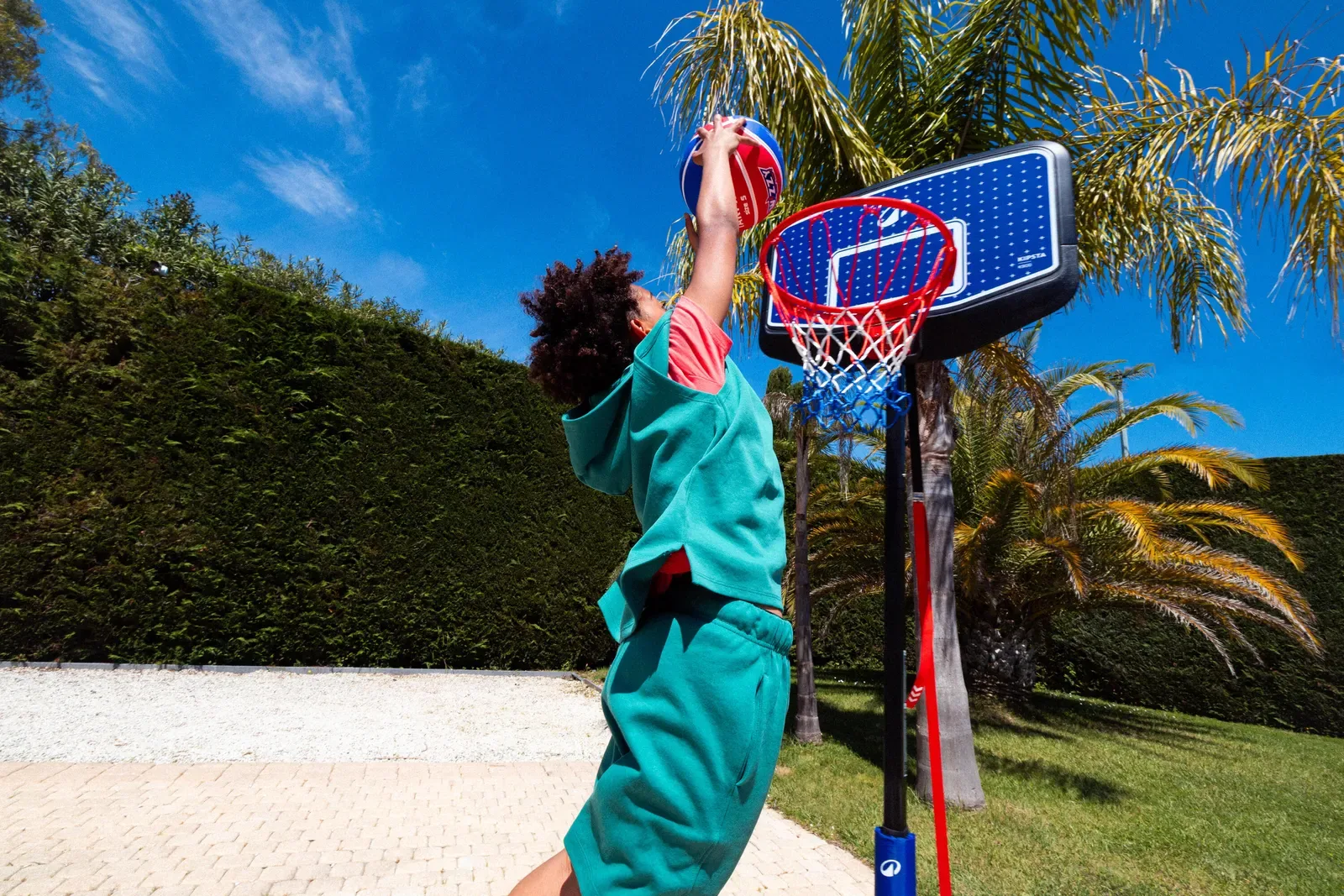
Most of a player's progress happens between team sessions. With a hoop, a good ball and a few drill tools, a driveway or backyard can become the most useful court you have.
The gear we would add first, in the order it gets the most use.
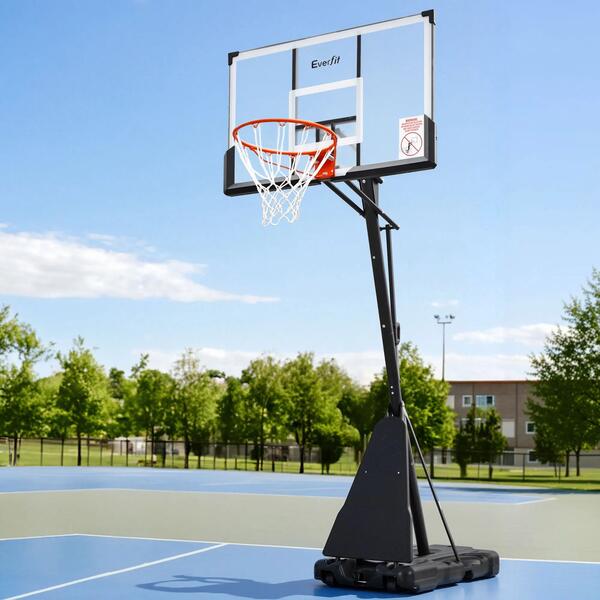
Portable stands and wall-mounted hoops, plus replacement nets.
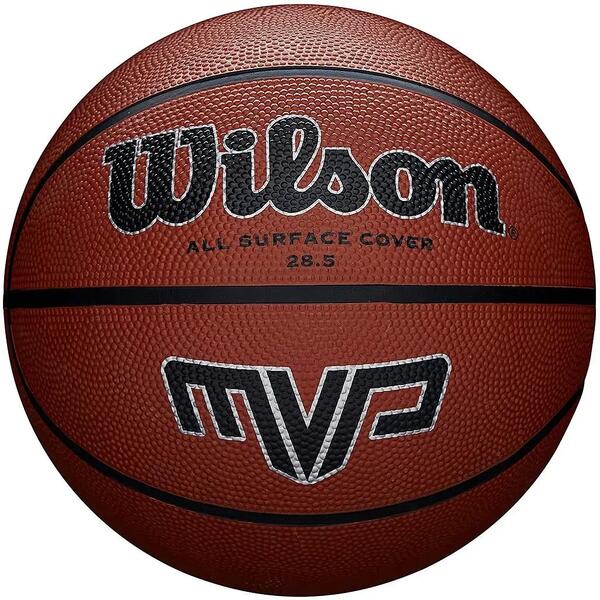
Indoor and outdoor basketballs in a range of sizes.
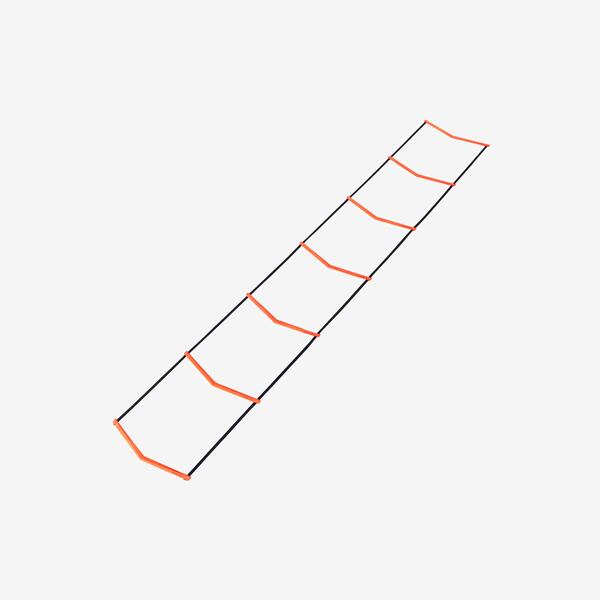
Cones, markers, a ladder and hurdles for footwork drills.
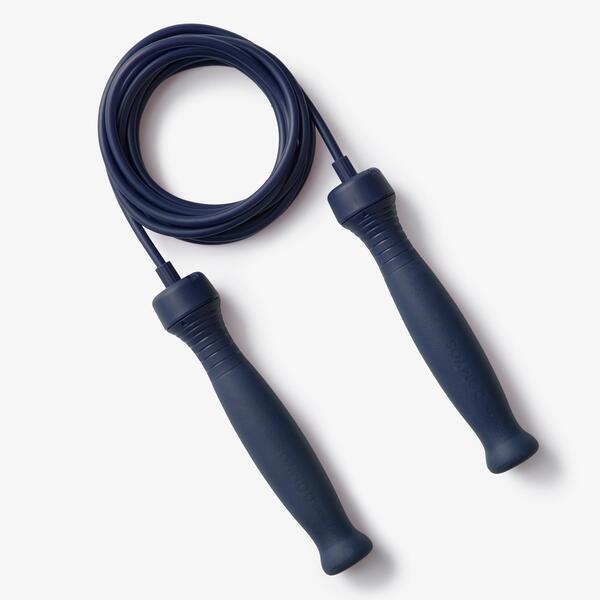
Speed and weighted ropes for quick feet and fitness.
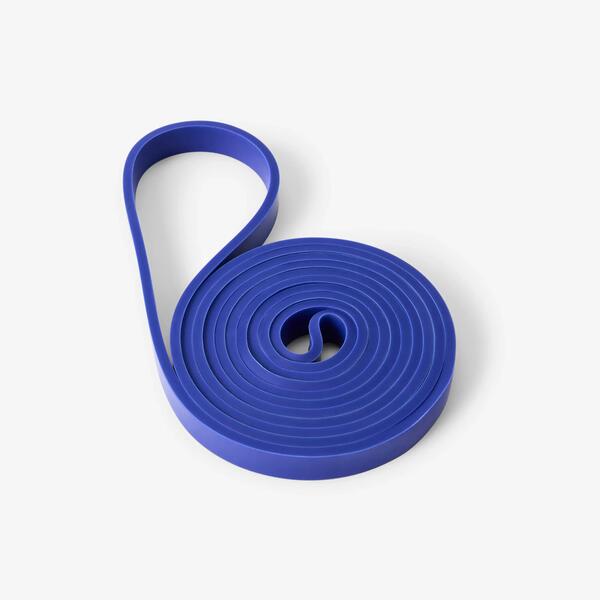
Bands for leg and hip strength that pack away small.
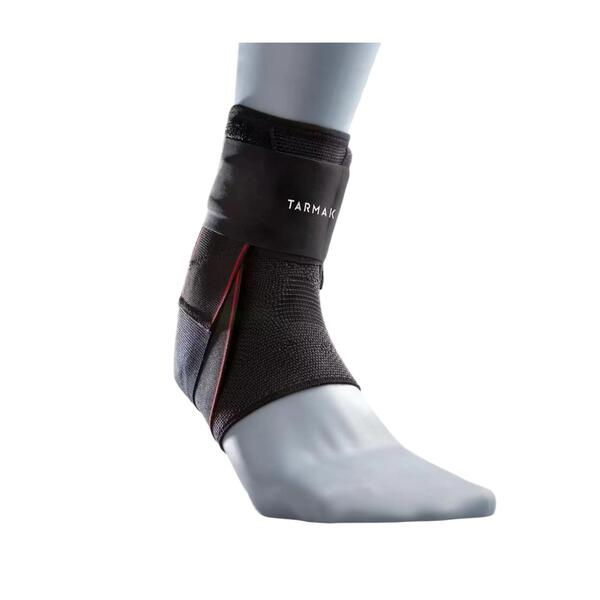
Ankle braces and knee supports for jumping and landing.
A regulation ring sits at 3.05 metres, and many portable hoops adjust lower for younger players. Measure your driveway or yard first and leave clear room around the base for landings.
Fill or weight a portable base exactly as the instructions describe, and avoid hanging on the ring unless the hoop is built for it. Check the bolts and base regularly, especially after strong wind.
Rubber and composite balls cope with concrete far better than indoor leather. Pick the size that suits the player, because smaller hands control a smaller ball more easily.
Twenty focused minutes on most days usually beats one long session a week. Plan a simple routine of shooting, ball handling and footwork so every session has a purpose.
Extra reps at home build the touch and confidence that team training alone can't.
Footwork and strength work at home help your body get used to cutting and jumping again.
An adjustable hoop and a couple of ball sizes let everyone in the house have a go.
| Item | Why it matters | Tip |
|---|---|---|
| Hoop | Somewhere to shoot every day | Set the height to suit the player |
| Basketball | Ball handling and shooting reps | Use a rubber or composite ball outside |
| Cones and ladder | Footwork and change of direction | Lay the ladder flat on a dry surface |
| Jump rope | Quick feet and conditioning | Short sets with good rhythm work best |
| Resistance bands | Strength for jumping and landing | Start light and focus on control |
| Ankle support | Extra support after a past sprain | Ask a physio which level suits you |
A hoop and a ball that suits your surface cover most of what you need, because shooting and ball handling are the skills that improve fastest with daily repetition. Add cones or an agility ladder once you want to work on footwork, then a jump rope and resistance bands for conditioning. Start simple and add gear as your routine grows.
A regulation ring is 3.05 metres from the ground, which is the right height for teenagers and adults. Younger children often learn better shooting technique on a lower ring, so a height-adjustable hoop is a good choice for families. Raise it gradually as the player grows and their shot becomes more consistent.
You can, but indoor leather and some composite covers wear quickly on concrete and lose their grip. Rubber and outdoor composite balls are made to handle rough surfaces and damp conditions. Many players keep one ball for the driveway and a better one for indoor games.
Form shooting close to the ring, stationary dribbling with both hands and layups from each side are great places to start. Footwork patterns on a ladder or around cones build quickness, and free throws at the end of a session help you practise shooting when you are tired. Keep each drill short and track simple numbers, such as makes out of ten, so you can see progress.
If you have sprained an ankle before, a brace or taping may help you feel more secure when you jump and land. It isn't a substitute for rehab, so balance and strength work still matters. A physiotherapist can advise on the right type of support for you, and a proper warm-up before every session is always a good habit.
A few well-chosen pieces turn spare minutes into real practice. When you're ready for more, our full basketball range is here.
Free delivery on orders over $150. Members get our lifetime warranty.