Miles on your feet means you need a bag that doesn't weigh you down on your back. A hiking sleeping bag has to compress small, insulate well, and recover its shape night after night without complaint. The difference is felt on day three when you're still moving easily.
Temperature rating affects both warmth and packability. A lower temperature rating provides more warmth in cold conditions, which is essential for mountain hiking. A higher temperature rating is better suited to warmer weather and keeps the bag lighter and more compact for summer trips. For most family hiking adventures, a mid-range rating works well for both. If you already know your trips lean heavily toward one season, let that guide the decision.
Material
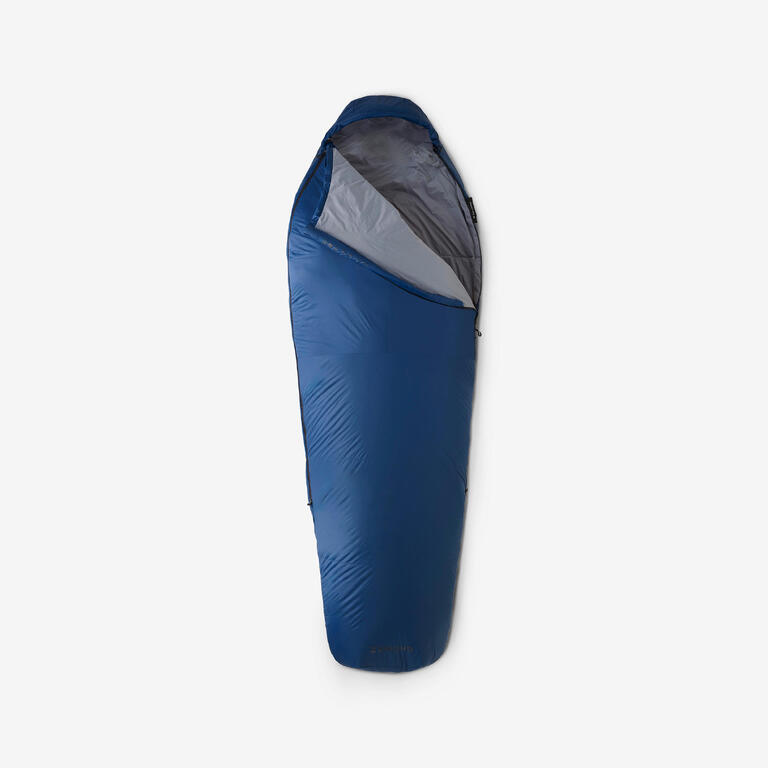
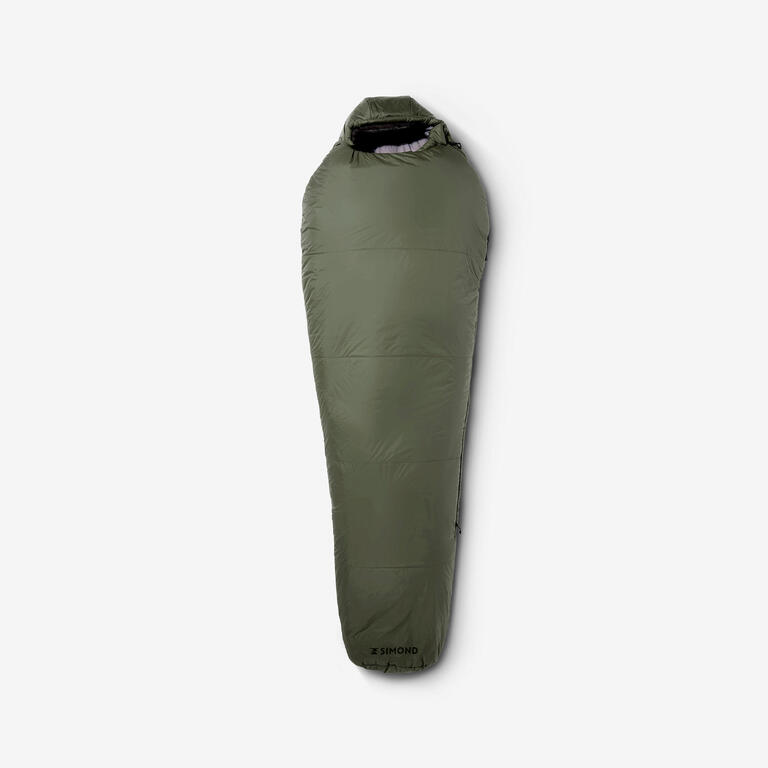
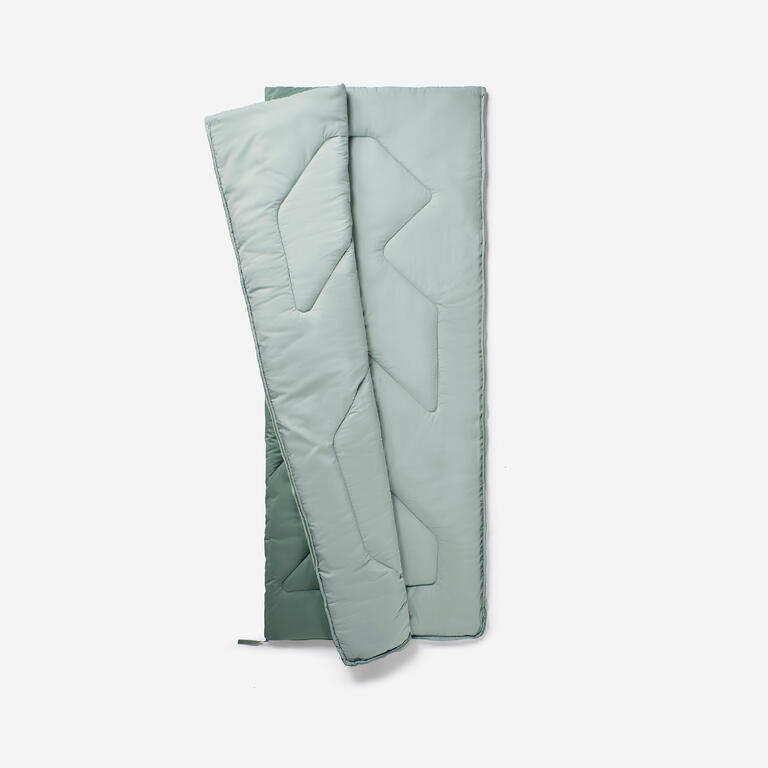
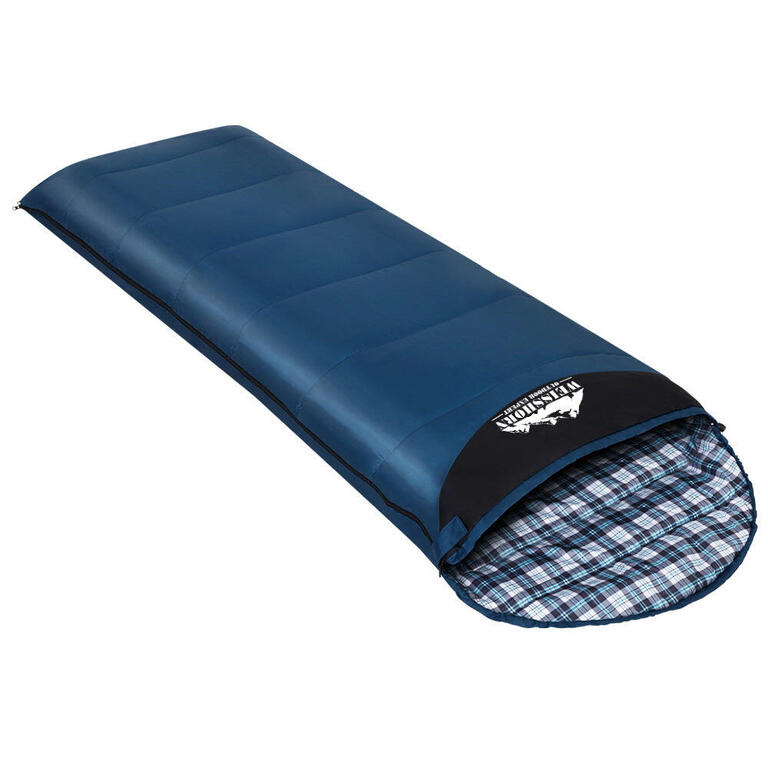
For hikers on the trail, material choice affects insulation, weight and how your sleeping bag performs over time. Synthetic fill is consistent, easy to clean and performs well when damp. Down has better warmth-to-weight ratio and compresses smaller, but it is heavier when wet and requires careful maintenance. Polyester blends are worth considering if durability and budget are priorities, as they balance performance and cost effectively. The selection at Decathlon favors synthetic insulation bags, which deliver dependable warmth for general hiking trips.
Insulation Quality
Look for consistent fill distribution throughout. The insulation needs to trap warm air effectively during cold nights. The outer shell needs to resist moisture and wind. New sleeping bags sometimes need a few uses before the insulation fully settles. Airing it out before first use will maximise both comfort and insulation performance.
Weight & Packability
For hiking trips, weight is a significant factor. If you carry your sleeping bag on hiking trails, a lighter option makes a noticeable difference over time. Consider whether the bag must fit in your backpack or can be transported externally.
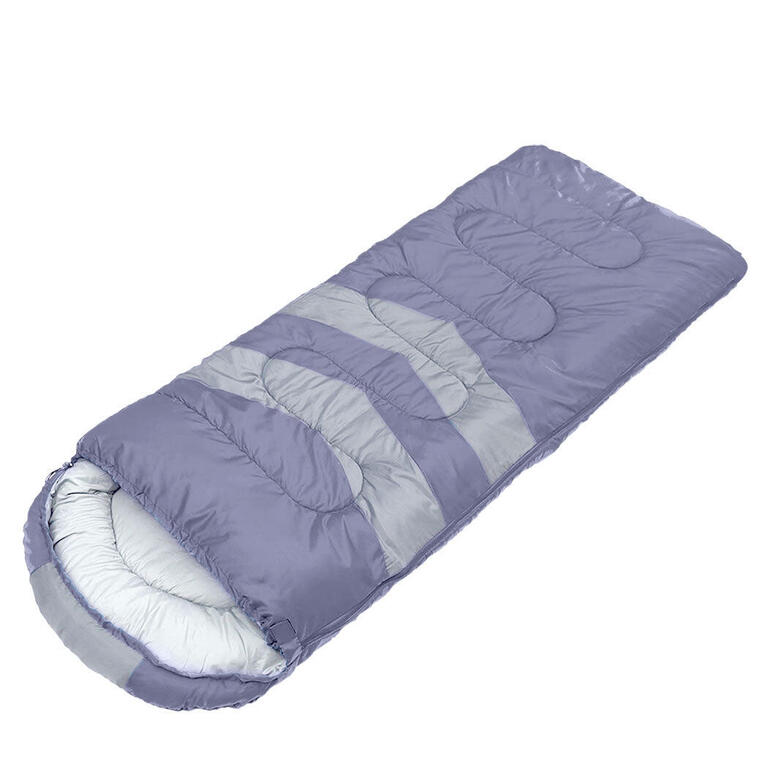
First-time campers. A beginner hiking sleeping bag strikes a good balance between price and performance. It works well for family camping and casual hiking with no frills attached, and stores compactly between trips.
Regular outdoor adventurers. A versatile hiking sleeping bag is designed for frequent use. The reliable insulation keeps you warm during varied conditions and performs reliably through regular field use and washing.
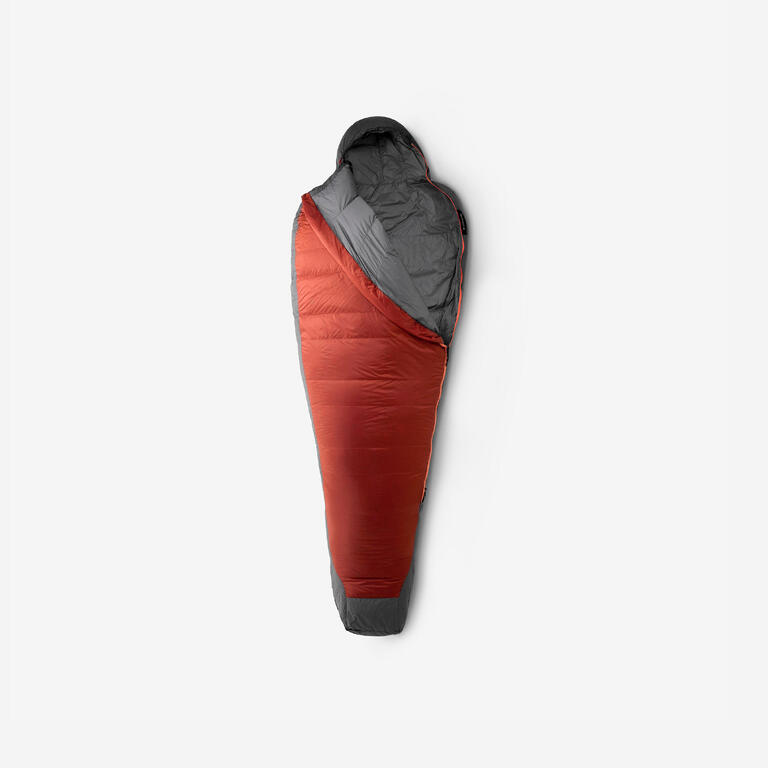
Serious hikers and mountaineers. A premium hiking sleeping bag is built for extreme conditions and high altitude. Its insulation maintains performance in cold and wet environments where other bags tend to fail.
How to care for your hiking sleeping bag
Preserve your hiking sleeping bag by airing it out after each expedition in a shaded, ventilated area to eliminate moisture. Spot clean minor stains with cool water and mild soap rather than machine washing, which damages the insulation. For thorough cleaning, hand wash gently in cool water with detergent, then lay flat to air dry completely. Store uncompressed in a breathable storage sack—never in a compressed stuff sack—as this maintains insulation loft for future adventures. Shield from direct sunlight to prevent material degradation. Your hiking sleeping bag is covered by a 2-year warranty.
What temperature rating should a hiking sleeping bag have for beginners?
Look for a mid-range temperature rating that handles spring and autumn conditions comfortably. The key is finding a bag lightweight enough for backpacking while providing reliable warmth. Avoid overkill insulation for beginner hikes—you want efficiency over excessive warmth.
How do you choose the right hiking sleeping bag?
Choosing the right hiking sleeping bag depends on temperature rating, weight and packability. For warmer conditions, a lighter bag is easier to carry, while colder environments require more insulation. Consider the type of trips you take most often, as a balanced option works well for varied conditions.
What is the best hiking sleeping bag for budget-conscious families?
How long does a hiking sleeping bag last?
What is the best hiking sleeping bag for cold weather camping?
A well-insulated hiking sleeping bag with a low temperature rating suits budget-conscious families beginning their outdoor adventures. It provides reliable warmth without premium pricing, offering durable construction for repeated use. This balance allows families to build confidence in hiking without excessive expense.
With proper care in cold weather, your hiking sleeping bag lasts several years. A well-maintained hiking sleeping bag will develop wear through insulation clumping, loss of loft and permanent compression. Quality sleeping bags are backed by a 2-year warranty.
Down insulation is the most effective material for extreme cold conditions. Down provides superior warmth-to-weight ratio and compresses to a smaller size, making it ideal for mountaineering and winter expeditions where every ounce counts.
Conquer Any Trail With A Hiking Sleeping Bag
Conquer the trails with confidence. Our hiking sleeping bags are built for challenging terrain and unpredictable weather. Tested in real outdoor conditions, they help you stay comfortable wherever your journey takes you. Discover your perfect match and push your limits further.
 All SportsMenWomenKidsAccessoriesEquipment and LeisureHealth & NutritionBest DealsNew ArrivalsMarketplace


 Hiking & Trekking
 Swimming
 Cycling
 Fitness (Yoga/Pilates)
 Camping
 Running
