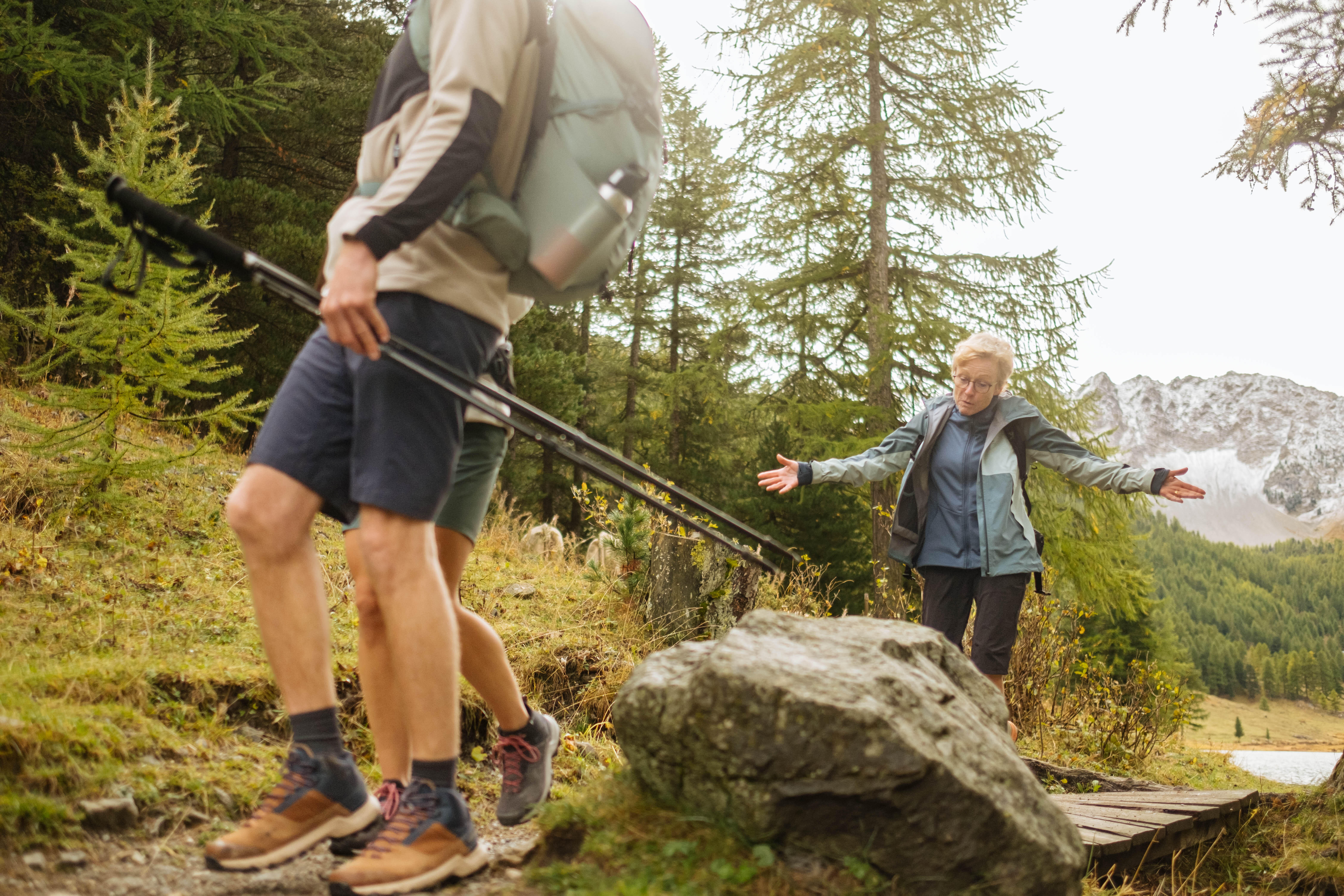
When the weather warms up, hiking shorts give your legs lighter coverage for walking, climbing and exploring outdoors. They leave plenty of room for movement across changing terrain without the extra length of hiking trousers. Pull them on for a casual bushwalk, a summer day hike or a longer walk under warmer skies.
Hiking shorts should give you enough room to climb, step over obstacles and move comfortably across uneven terrain. A fit that's too tight can restrict movement on steep climbs, while excess fabric may bunch or rub over longer distances. Look for enough stretch through the hips and thighs to support longer strides and more technical sections without the shorts getting in the way.
Material and Breathability
Lightweight, quick-drying fabrics are practical for warm-weather hiking, while more durable materials can better suit rough trails where abrasion is more likely. Nylon and polyester blends are common because they balance breathability, durability and quick drying performance. Cotton can feel comfortable for casual walks but absorbs moisture and takes longer to dry, making it less practical for longer or sweatier hikes.
Length and Coverage
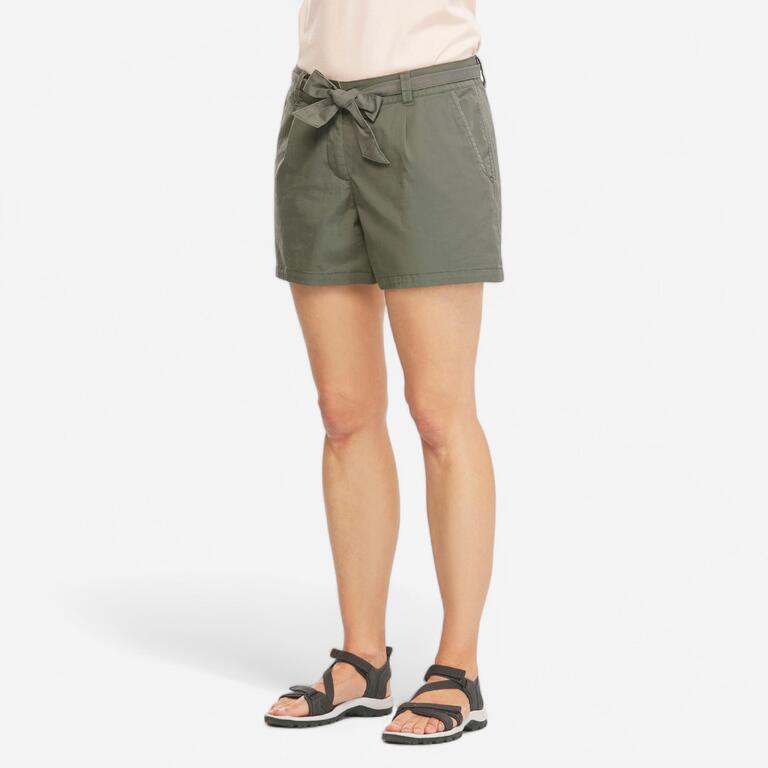
Shorter cuts provide more airflow and freedom around the legs in warm conditions, while longer hiking shorts offer extra coverage from sun and vegetation on exposed or overgrown trails. A mid-length style can provide a practical balance for general hiking across different terrain. Choose the length based on the climate and trails you hike most, as well as how much coverage you prefer.
Pockets and Storage
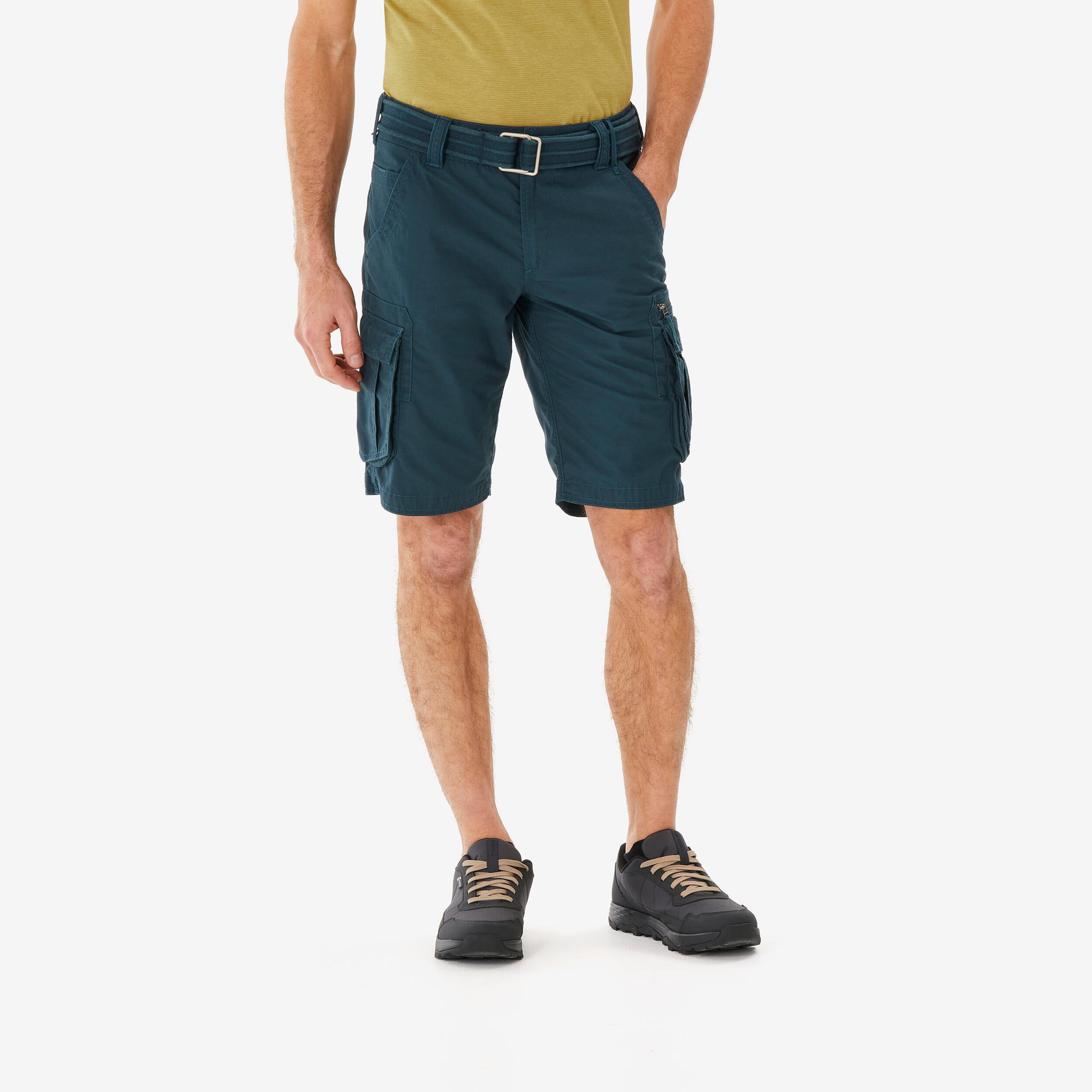
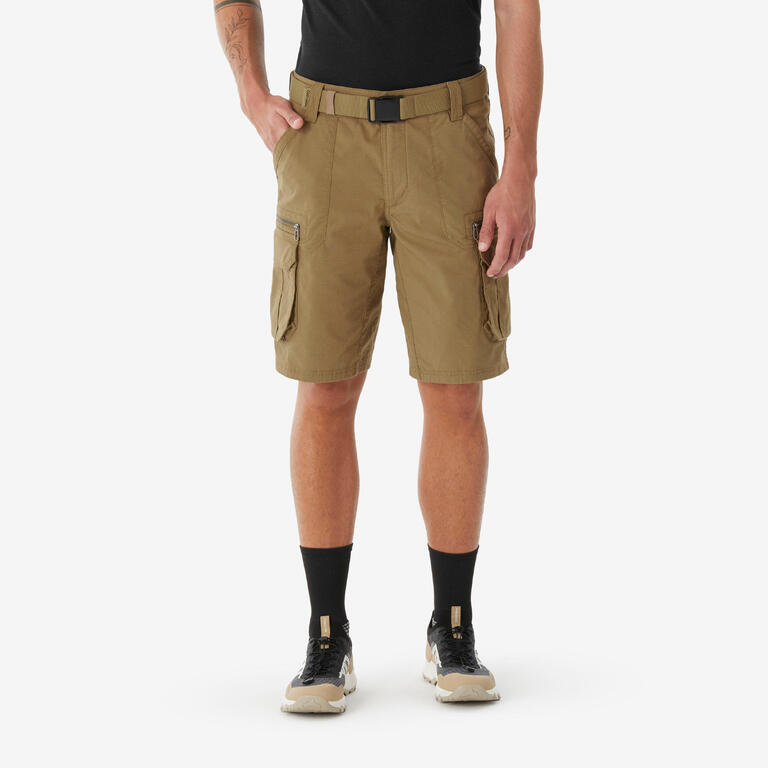
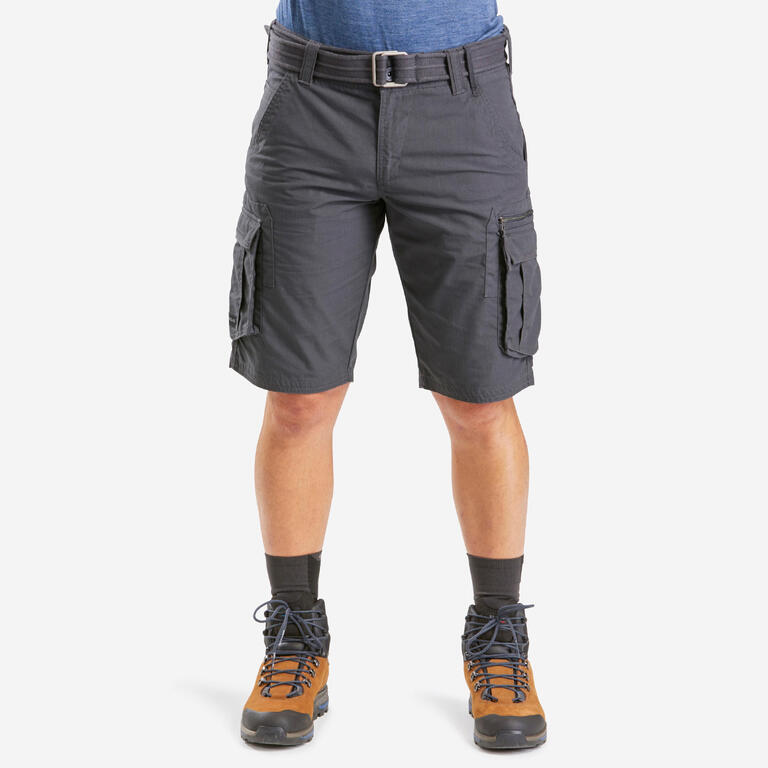
Think about what you want to keep within reach while you're on the trail. Deep pockets can hold everyday essentials, while zipped pockets provide more secure storage for a phone, keys or cards over uneven terrain. Cargo pockets offer additional space for longer hikes, but check their position if you regularly wear a backpack with a hip belt.
Casual day hikers. You stick to shorter walks and established trails where comfort and easy movement matter most. Lightweight, breathable hiking shorts with a flexible fit cover the essentials for relaxed days outdoors.
Regular trail hikers. You spend more time on varied terrain and need shorts that stay comfortable over longer distances. Look for quick-drying, stretchy fabric with secure pockets for essentials you want close at hand.
Long-distance trekkers. You tackle longer hikes or multi-day routes where durability and practical storage become more important. Hard-wearing fabric, plenty of freedom to move and secure pockets help the shorts handle extended time on the trail.
Looking After Your Hiking Shorts
Empty the pockets and brush away loose dirt before washing hiking shorts, especially after muddy or dusty trails. Follow the care label for quick-drying, stretch or water-resistant fabrics rather than treating every pair the same way. Avoid excessive heat when drying, which can affect elastic fibres and some technical finishes. Check pockets, zips and seams for trapped dirt before storing the shorts completely dry.
Hiking shorts by type
Type
Best for
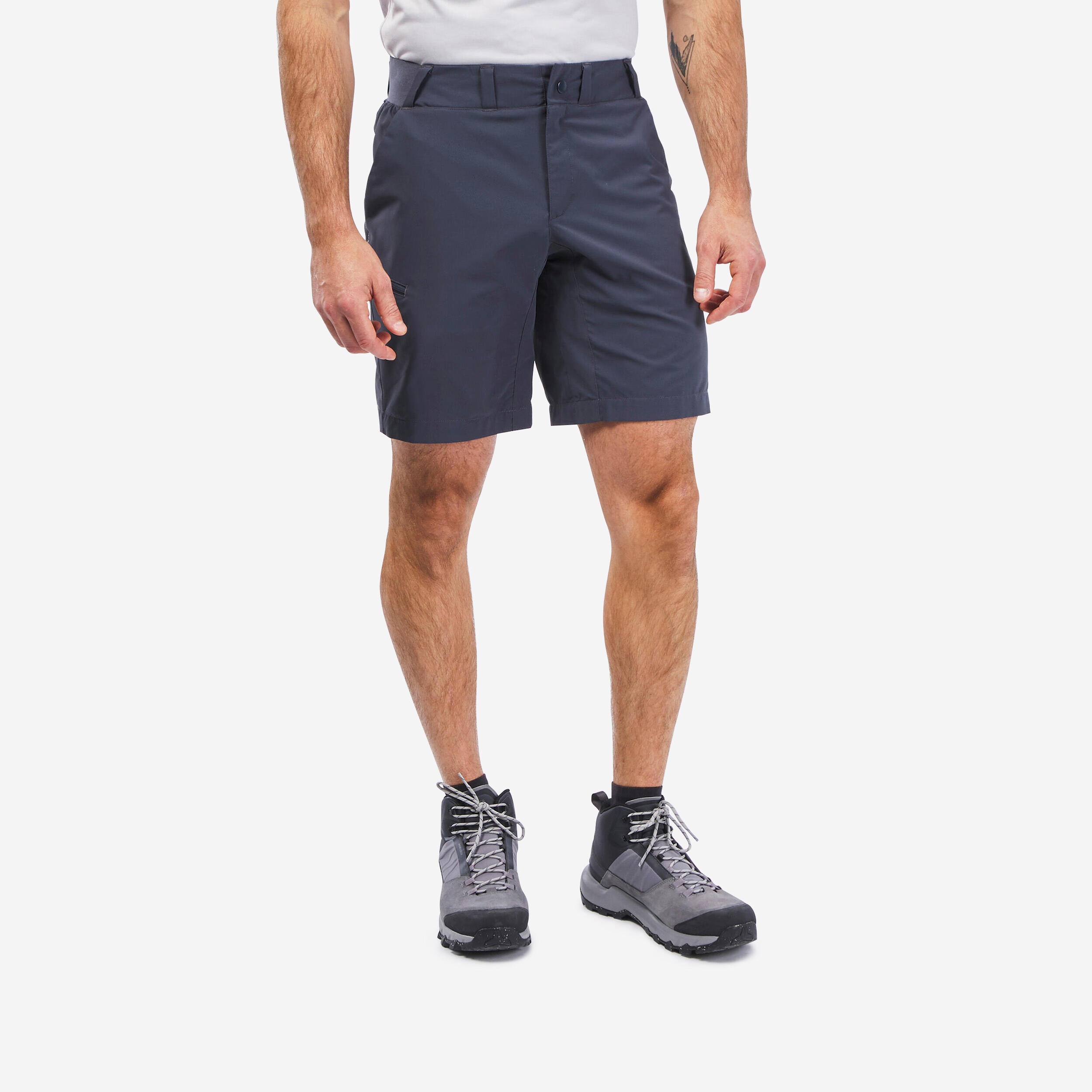
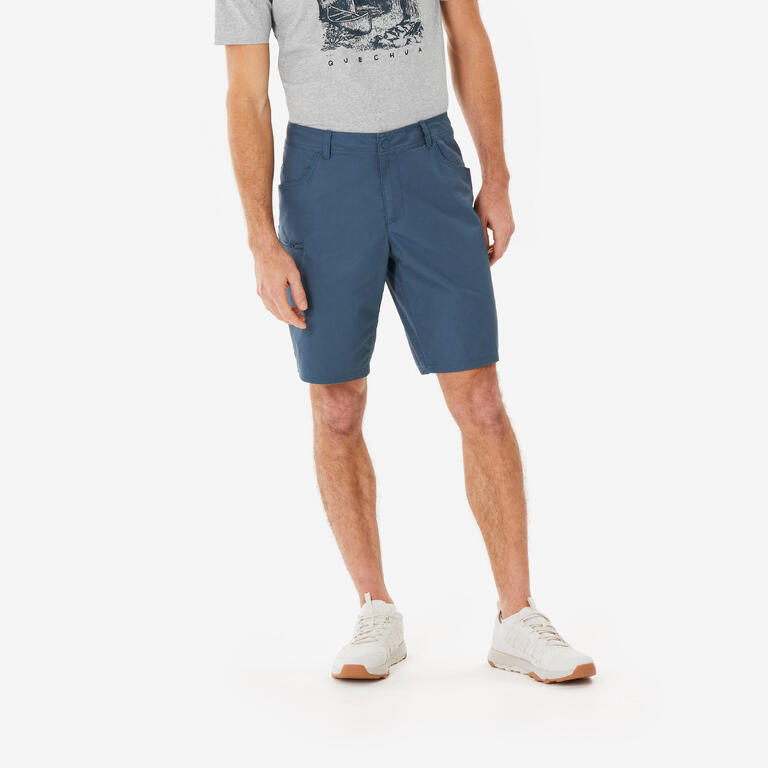
Lightweight hiking shorts
Warm-weather hikes where breathability and easy movement matter.
Steeper trails where climbing and longer strides need extra flexibility.
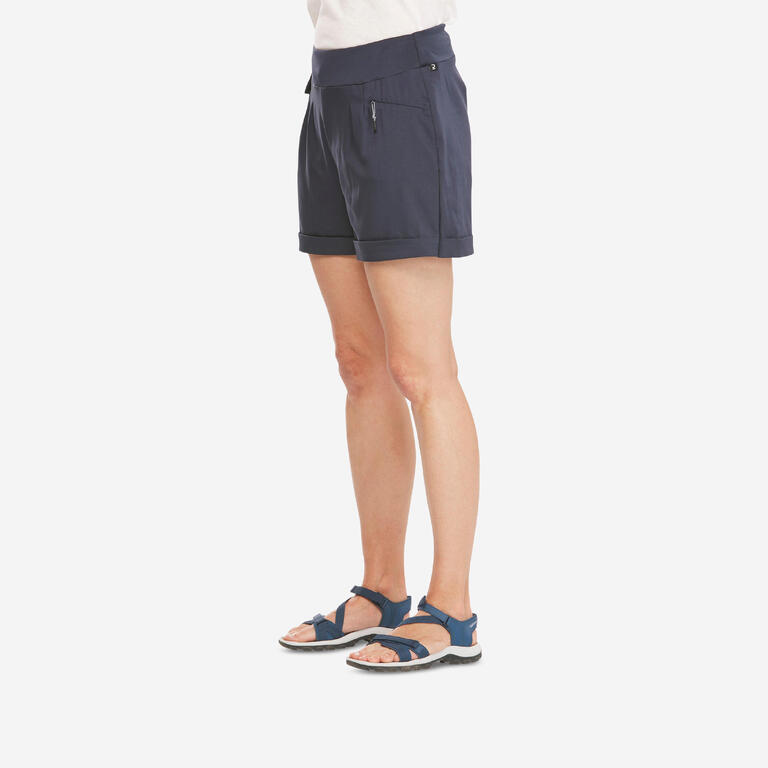
Stretch hiking shorts
Longer hikes where accessible storage for small essentials is useful.
Cargo hiking shorts
Humid or wet conditions where faster drying makes a difference.
Yes. Hiking shorts are generally designed for outdoor movement, with lightweight, durable fabrics that can handle sweat, changing conditions and contact with the trail. They may also include stretch, quick-drying materials and secure pockets. Regular shorts can work for easy walks, but hiking-specific features become more useful on longer or rougher trails.
What material is best for hiking shorts?
Lightweight, quick-drying synthetic fabrics such as nylon or polyester blends work well for most hikes because they manage moisture and dry faster after sweat or light rain. Stretch in the fabric can also make climbing and scrambling more comfortable. Cotton can feel soft, but it absorbs moisture and takes longer to dry.
What length hiking shorts are best?
Do hiking shorts need pockets?
Can I wear hiking shorts with a backpack?
It depends on the conditions and terrain. Shorter cuts can feel cooler and provide plenty of freedom for warm-weather hiking, whilst a longer inseam offers more coverage from sun, vegetation and minor scrapes. Choose a length that gives you enough coverage without restricting your stride.
Not necessarily, but secure pockets can be particularly useful on the trail. They give you quick access to essentials such as a phone, keys or small items without opening your backpack. If you're hiking over uneven terrain, zipped or otherwise secure pockets can help prevent belongings from falling out.
Yes. If you're carrying a backpack with a hip belt, look for a waistband that sits comfortably underneath it without bulky seams, fasteners or heavily loaded pockets creating pressure points. This becomes more important on longer hikes where you'll be wearing the pack for several hours.
Made for Days on the Trail
A few kilometres on a smooth path and a full day over rough terrain ask very different things from hiking shorts. What matters is having enough freedom to climb and stride comfortably whilst carrying what you need along the way. Pick a pair suited to your usual trails and let the landscape be the challenging part.
 All SportsMenWomenKidsAccessoriesEquipment and LeisureHealth & NutritionBest DealsNew ArrivalsMarketplace
 Hiking & Trekking
 Swimming
 Cycling
 Fitness (Yoga/Pilates)
 Camping
 Running