 All SportsMenWomenKidsAccessoriesEquipment and LeisureHealth & NutritionBest DealsNew ArrivalsMarketplace
Conquer Rocky Terrain With These Hiking Shoes
What your hiking shoes need to do depends on your plan. Day trippers benefit from something lightweight and breathable that moves with you. Scrambling about rocky terrain calls for real grip and stable footing. Long trail days require enough cushioning to keep you comfortable without feeling heavy. We've got the right fit for every adventure.
Move Fast, Move Free
Which hiking shoes work for your style?
Pick shoes that work for your trail type.
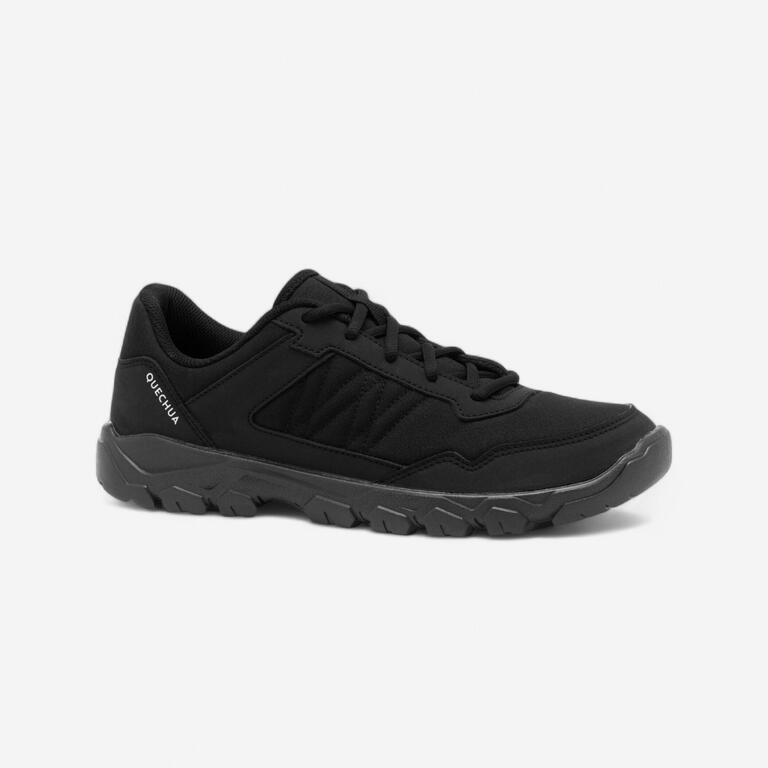
LIGHT TRAIL COMFORT
Flexible support for everyday hiking
What to prioritise
Grip and cushioning
Men’s Hiking Shoes
Check it Out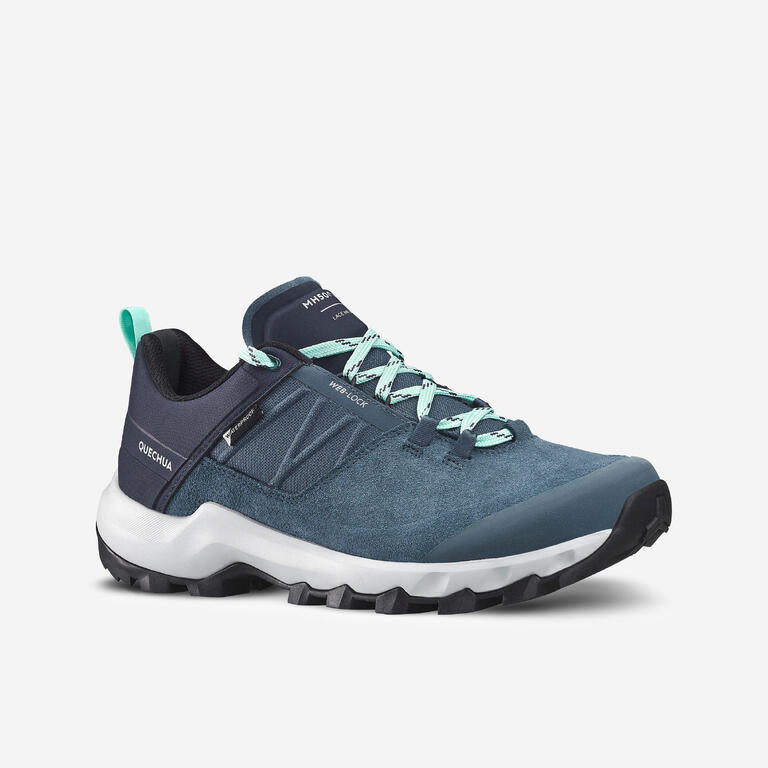
ADVANCED TRAIL GRIP
Enhanced support for demanding hikes
What to prioritise
Traction and durability
Women’s Waterproof Hiking Shoes
Check it Out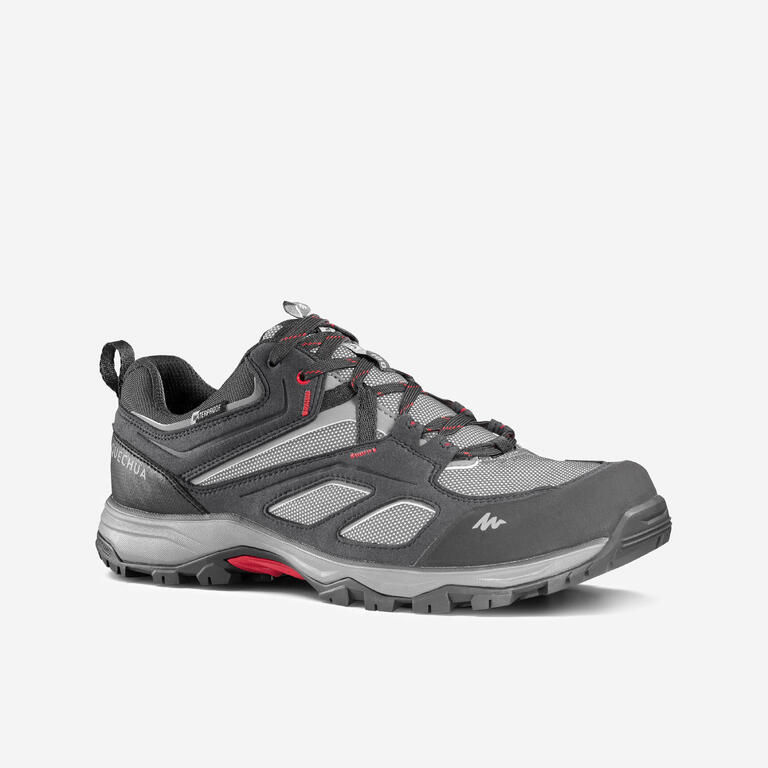
ALL-WEATHER HIKING
Waterproof coverage for changing trail conditions
What to prioritise
Grip and protection
Men’s Waterproof Hiking Shoes
Check it Out
Check All Hiking Shoes
What to look for in hiking shoes
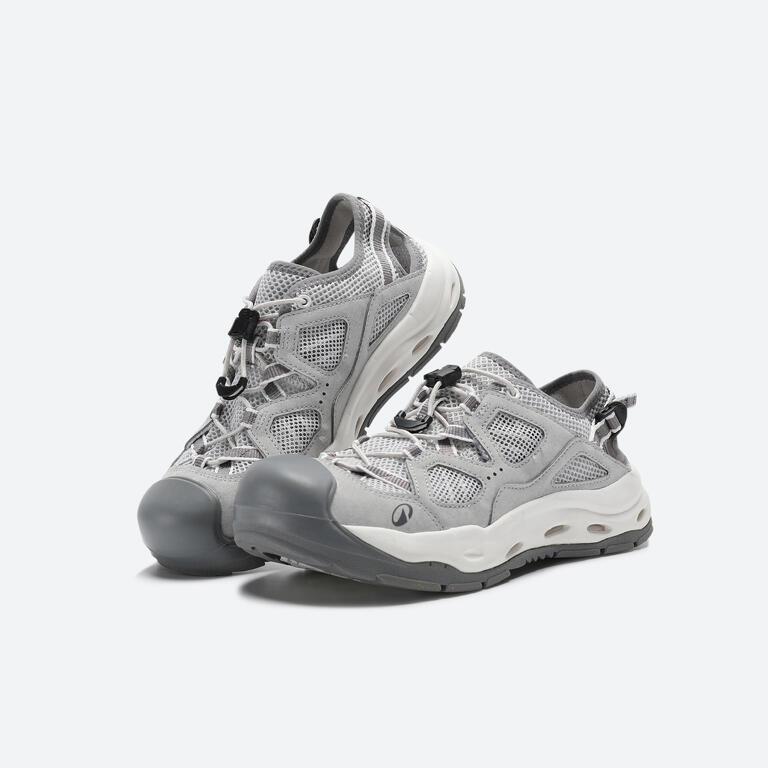
Cushioning
Cushioning changes how your feet handle the trail. Minimal cushioning keeps you connected to the ground, which is brilliant for balance and grip on technical terrain. Extra cushioning protects your feet, ankles and joints during long days on rough or challenging trails. Most people find mid-range cushioning works well to start. If you're doing serious distance, more cushioning helps. Quick, nimble days? Less is more.
Material
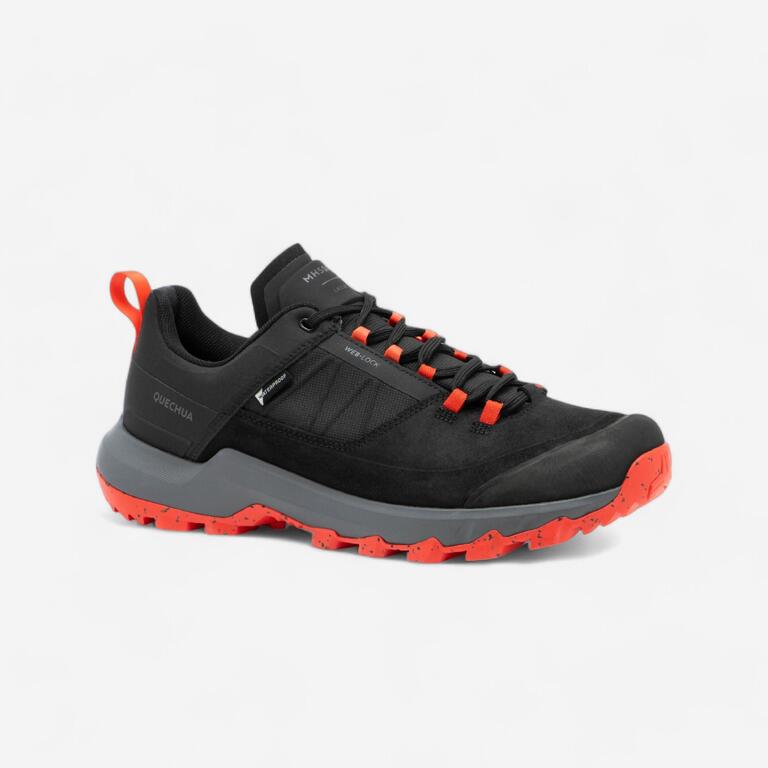
Material determines grip, weight and trail performance. Synthetic uppers are consistent, easy to clean and versatile for most conditions. Natural rubber soles give brilliant traction on wet or muddy ground but are heavier and need more maintenance. Breathable mesh works well in warm weather. Most hiking shoes use synthetic materials that balance traction and breathability for all-day comfort on varied terrain.
Traction
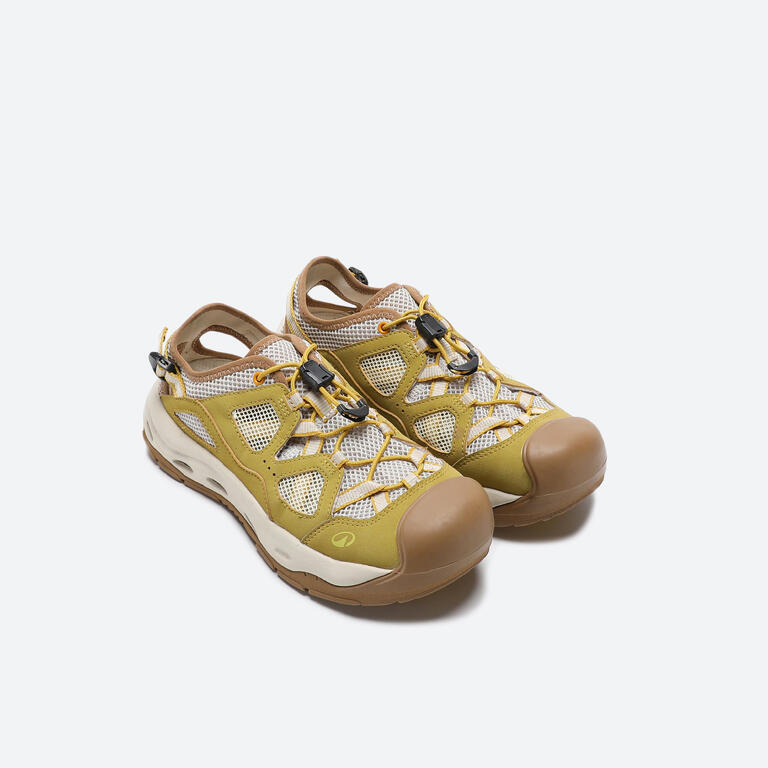
Check for aggressive tread patterns that grip different terrains. The sides should offer ankle support on uneven ground without feeling restrictive. Grip and comfort usually feel more settled after a few hikes. Wiping down before first use helps the sole settle faster.

Weight
Weight affects how comfortable your hiking shoes feel over long distances. Lightweight shoes help reduce fatigue and feel more agile on the trail, whilst heavier styles usually provide more cushioning and protection on rough terrain. Think about your hiking distance and terrain before choosing.
Check All Hiking Shoes
Who is this for?
First-time buyers. These beginner hiking shoes are ideal for day trips and casual trail walking. Light on your feet, quick to clean, and straightforward all round.
Regular trail hikers. These comfort hiking shoes protect feet during long hikes and withstand regular wear on varied terrain. Enough cushioning for sustained comfort without getting heavy.
Rugged terrain and mountain hikers. These trail hiking shoes are built for challenging conditions. Soles grip on rocky and steep terrain where other shoes lose traction.

Maintaining your hiking shoes
Clean with warm soapy water after each hike. Make sure they're completely dry before putting them away, otherwise moisture builds up and causes odour. Steer clear of direct sun as UV degrades the materials. Soak them briefly in cool water with mild detergent for a proper clean, then rinse and air dry. Store in a cool spot that's not compressed or folded. All hiking shoes come with a 2-year warranty through Decathlon.
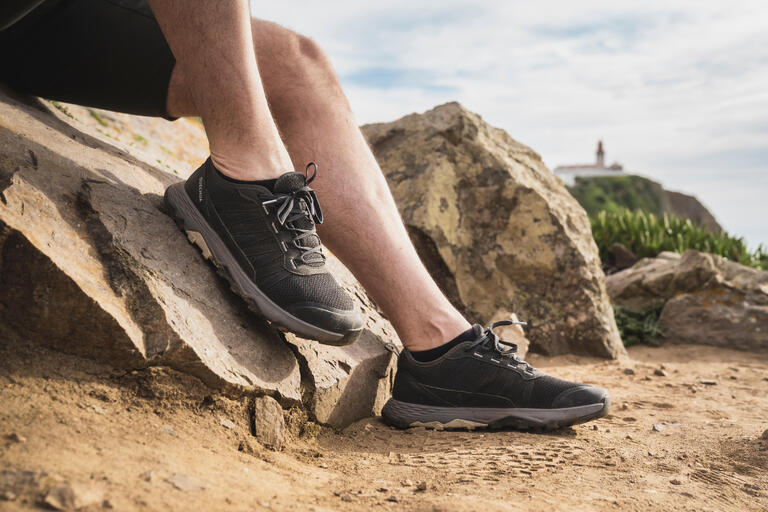
Hiking shoes by type
Type
Best for
Beginner and lightweight hiking shoes
First-time buyers, casual trail walking, day hikes.
Regular hikers, all-round trail conditions, varied terrain.
Mid-range traction hiking shoes
Longer hikes, all-day comfort, mixed terrain.
Cushioned hiking shoes
Rocky terrain, steep trails, demanding conditions.
Specialist grip hiking shoes
Check All Hiking Shoes
Explore our Top Sports
 Hiking & Trekking
 Swimming
 Cycling
 Fitness (Yoga/Pilates)
 Camping
 Running
Frequently asked questions
How much cushioning should hiking shoes have for beginners?
Mid-range cushioning gives you the best of both worlds—your feet stay comfortable and protected without sacrificing grip and stability underfoot.
Are lightweight hiking shoes suitable for all trail types?
For easy trails, yes. Lightweight shoes offer better agility and less fatigue on casual hikes. For rugged terrain, steep ascents or long-distance treks, more cushioned shoes are more appropriate as they protect your feet during extended contact with rocky or uneven ground.
What are the best hiking shoes for sensitive feet?
How long do hiking shoes last?
What are the best hiking shoes for wet conditions?
Cushioned hiking shoes are the way to go for sensitive feet. They offer solid support for long hikes, steep descents and extended time on uneven ground.
Good hiking shoes will serve you for several seasons. Watch for sole separation, wear on the tread and permanent creasing as signs it's time to replace them.
Rubber soles give you superior grip in wet conditions. They maintain excellent traction on slippery surfaces, so they're perfect for rainy hikes or muddy trails.
Hiking Shoes Designed For Every Trail Type
The right hiking shoes help you stay comfortable and confident on every trail. Whether you're heading out for casual walks or longer hikes across rough terrain, good grip, cushioning and support make all the difference. Explore hiking shoes designed for comfort, traction and all-day wear. Your next hike will feel completely different.
Check All Hiking Shoes
About Us
> Who We are> Membership> Sustainability> Sustainable product conception> Innovation> Price Drop> EventsCUSTOMER SERVICE
> Contact Us> Return Policy> Terms of Service> Privacy Policy> Warranty Information> Promotional Terms & ConditionsJOIN US
> CareersSERVICES
> Our services> Maintenance and Repair> Product Personalisation> Raquet Stringing> Rentals> Buy backSHOP AT DECATHLON
> Our Stores> Decathlon Marketplace> Second Life> Click & Collect> Delivery> Sports AdviceMedia & Press
> media.australia@decathlon.com