Hiking in the Blue Mountains

Sandstone cliffs, deep valleys and waterfalls make the Blue Mountains one of the best places to hike near Sydney. Here are six walks to know, what to expect on each and the kit for changeable mountain weather.

What should you pack for the mountains?

Grip for the stairs and layers for weather that turns quickly.

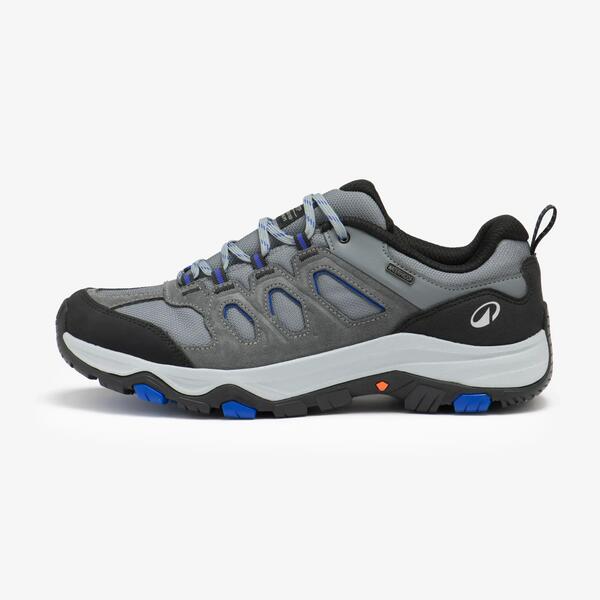
Grey low-cut waterproof hiking shoe
FOOTWEAR

Hiking shoes and boots for steep stairs and wet rock.

What to prioritise
Start here

Hiking Shoes & Boots

Shop the Range
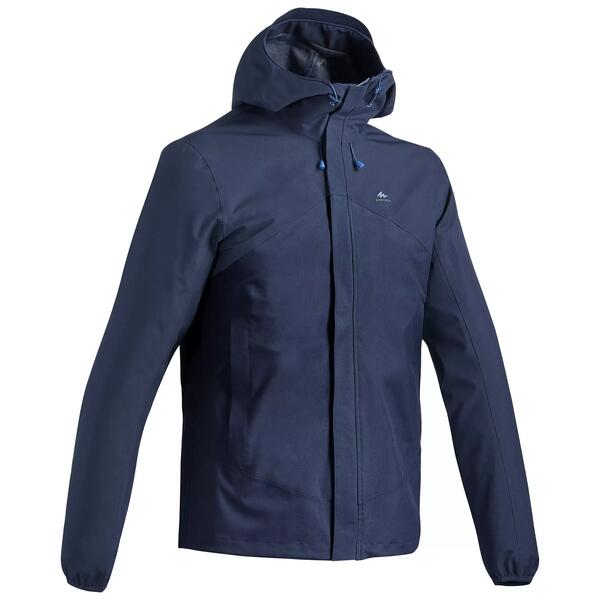
Blue lightweight waterproof hiking jacket
WEATHER

Waterproof jackets and ponchos for sudden mountain showers.

What to prioritise
Always pack one

Rain Jackets & Ponchos

Shop the Range
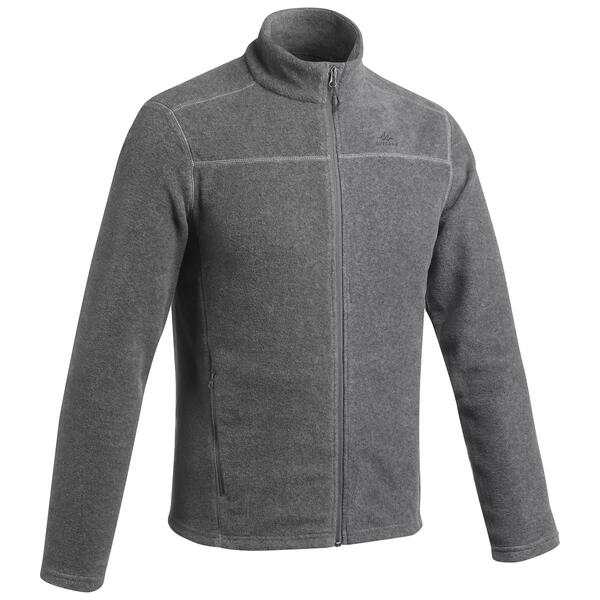
Grey zip-up hiking fleece jacket
WARMTH

Warm fleeces for cool lookouts and shaded valleys.

What to prioritise
Layer up

Hiking Fleeces

Shop the Range
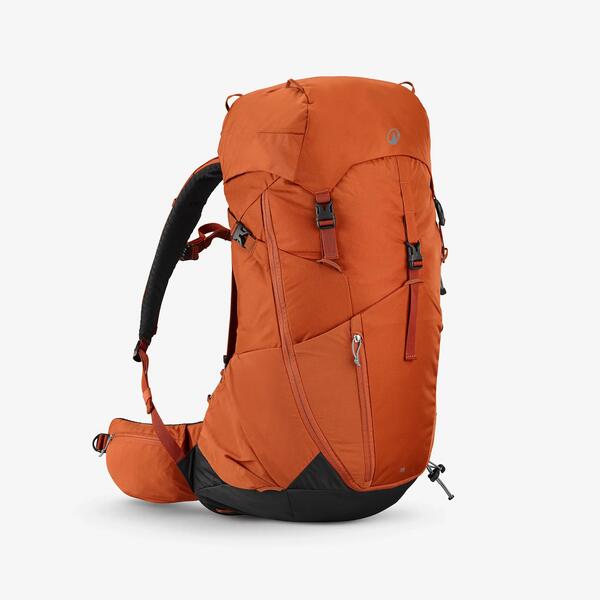
Brown thirty-eight litre hiking backpack
CARRY

Day packs and trekking packs for short or longer trips.

What to prioritise
Room for layers

Hiking Backpacks

Shop the Range
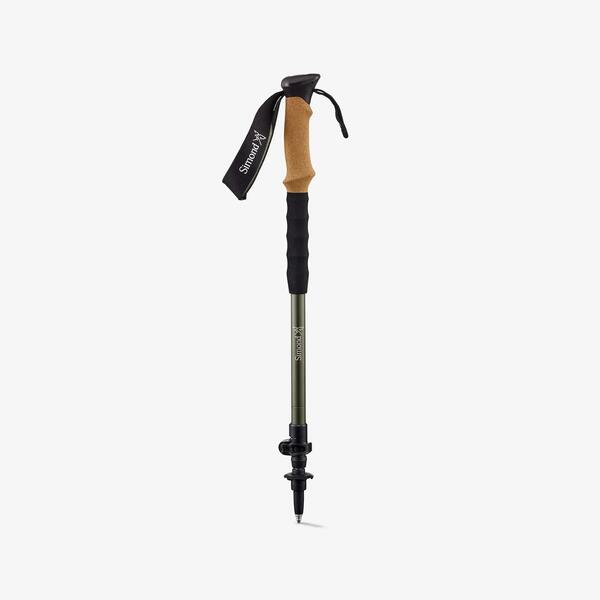
Hiking pole with cork handle
SUPPORT

Hiking poles to steady you on long staircases.

What to prioritise
Save your knees

Hiking & Trekking Poles

Shop the Range
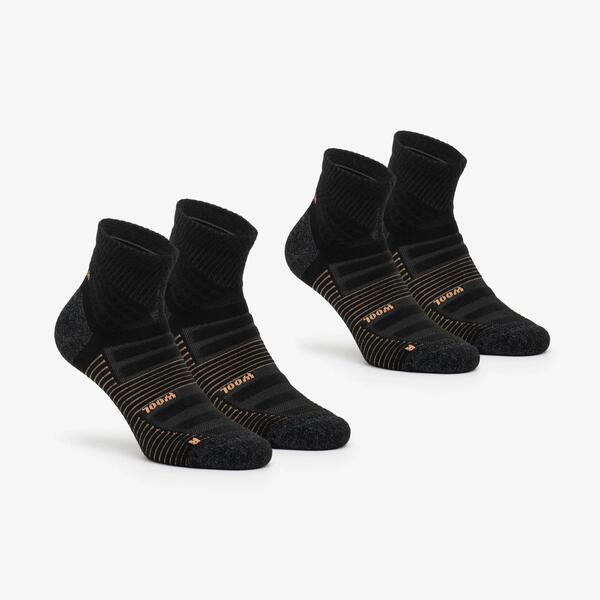
Pair of black mid-length wool hiking socks
COMFORT

Hiking socks, including wool pairs, for long days.

What to prioritise
Blister care

Hiking Socks

Shop the Range

Blue Mountains walks worth knowing

Clifftop lookouts, canyon floors and one big multi-day trek.

Moderate, half day

Prince Henry Cliff walk, Katoomba to Leura

A 7 km one-way track along the cliff edge from Katoomba Cascades to Gordon Falls, with more than 20 lookouts over the Jamison Valley. Echo Point and its view of the Three Sisters sit along the way.

Good to knowIt is clearly signposted with gentle hills but many steps. You can join or leave at lookouts along Cliff Drive, so it is easy to shorten.

Moderate, half day

Grand Canyon track, Blackheath

A 6.3 km loop that drops from the Grand Canyon car park into a fern-filled canyon along Greaves Creek, with sandstone walls and waterfalls. You climb back out to Evans lookout.

Good to knowThe shady canyon is a good choice on warmer days. Never walk it before, during or after heavy rain, as the creek can flood.

Hard, half day

National Pass, Wentworth Falls

A 4.5 km loop on a track built into the side of the cliff, passing the top of Wentworth Falls and descending the hand-built Grand Stairway. It starts at the Wentworth Falls picnic area near Jamison lookout.

Good to knowExpect sections of steep stairs and hidden cliff edges, so stay on the track and supervise children. Some sections can become impassable after rain.

Hard, half day

Echo Point to Scenic World via Giant Stairway

A 4.7 km one-way walk that descends more than 800 steel and stone steps from Echo Point past the Three Sisters, then follows Federal Pass to Katoomba Falls. It ends at Scenic World.

Good to knowThe way back up is either the Scenic Railway or the steep Furber steps, so check the railway's times on the day. NSW National Parks suggests clothes for all weather plus a map.

Moderate, half day

Pulpit walking track, Blackheath

A 7 km return walk from Govetts Leap along the cliffline to Pulpit Rock, a pinnacle standing out from the cliff on a blade of rock. Expect heath, hanging swamps and wide Grose Valley views.

Good to knowThere is a lookout above Horseshoe Falls along the way, and wildflowers in November. To walk one way, leave a car at Pulpit Rock lookout off Hat Hill Road.

Hard, multi-day

Six Foot Track

A historic 42 km track that follows an 1884 horse route from near Katoomba down into the Megalong Valley, over a swing bridge and up through forest. Most walkers take about three days and camp along the way.

Good to knowIt is managed by NSW Crown Lands, can be boggy after rain and finishes away from public transport, so arrange a pick-up. Carry a personal locator beacon and check for closures before you go.
What to pack and know

Layers for changeable weather

Conditions on the plateau can change quickly, and shaded valleys can feel cool. NSW National Parks suggests clothes for all weather on its harder walks, so pack a rain jacket and a warm layer.

Stairs, and lots of them

Many classic walks drop into the valley on long staircases, such as the Giant Stairway's 800-plus steps. Good grip, strong legs and a pole or two make the climb back out easier.

Cliff edges and canyons

Keep well back from cliff edges and waterfalls, especially when taking photos. Never enter a canyon before, during or after heavy rain.

Plan for patchy reception

Download maps in the NSW National Parks app before you leave. For longer or remote walks, fill in a trip intention form and carry a personal locator beacon.

First-timer tips

Start on the clifftops

The Prince Henry Cliff walk gives big views without a deep descent, and you can cut it short at any lookout.

Check alerts and weather

Tracks can close for poor weather, maintenance or high fire danger. Check park alerts and the forecast the morning you go.

Take the train up

NSW National Parks lists Katoomba, Leura, Wentworth Falls and Blackheath stations as ways into the park, which makes one-way walks simple.

Your kit at a glance

ItemWhyTip
Hiking shoesGrip on stairs and wet sandstoneWaterproof pairs help near waterfalls
Rain jacketShowers and mist roll in fastKeep it at the top of your pack
FleeceLookouts and valleys can be coldA thin fleece packs down small
Day packRoom for layers, food and waterUse the hip belt on long climbs
Hiking polesLong staircases up and downStow them on narrow ladders and ledges
Head torchShaded gorges and shorter winter daysPack spare batteries or a charged lamp
Water bottleClimbs out of the valley are thirsty workDo not drink untreated creek water

Look after your kit

  • Clean mud off your shoes and stuff them with newspaper to dry slowly.
  • Reproof your rain jacket when water stops beading on the fabric.
  • Wash fleeces on a gentle cycle and skip the fabric softener.
  • Dry wool socks flat and away from direct heat so they keep their shape.

Frequently asked questions

What is the best Blue Mountains hike for beginners?

The Prince Henry Cliff walk is a good start. It is clearly signposted, needs no previous experience according to NSW National Parks and has more than 20 lookouts, so you can walk as much or as little as you like. The Pulpit walking track from Govetts Leap is another moderate option with big Grose Valley views.

How do I get to Blue Mountains walks from Sydney?

You can drive along the Great Western Highway or catch the train. NSW National Parks lists stations including Glenbrook, Leura, Wentworth Falls, Katoomba and Blackheath as access points for the park. Several popular tracks start close to these stations, so plan your trip with the Transport NSW trip planner.

What should I wear for hiking in the Blue Mountains?

Dress in layers. A breathable top, a warm fleece and a waterproof jacket cover most days, as conditions can change quickly between the clifftops and the valley floor. Wear hiking shoes with good grip for the many stairs and wet rock, and add a hat and sunscreen for exposed clifftop sections.

Can I hike the Six Foot Track without camping?

Yes, in part. The full track is about 42 km and usually takes three days with overnight camping, but NSW National Parks notes that shorter sections can be walked on their own. The track finishes away from public transport, so arrange transport at each end, and check with NSW Crown Lands for closures before you go.

Are dogs allowed on Blue Mountains walking tracks?

Not in the national park. Dogs and other pets are not permitted in most NSW national parks and reserves, including Blue Mountains National Park. Some regional parks and state forests allow dogs under control, so check the land manager for the area you plan to visit.

Ready for the mountains?

Pick your track, check the weather and pack a layer. We have the kit to help you enjoy every lookout.

Free delivery on orders over $150. Members get our lifetime warranty.

Explore Mountain Sports
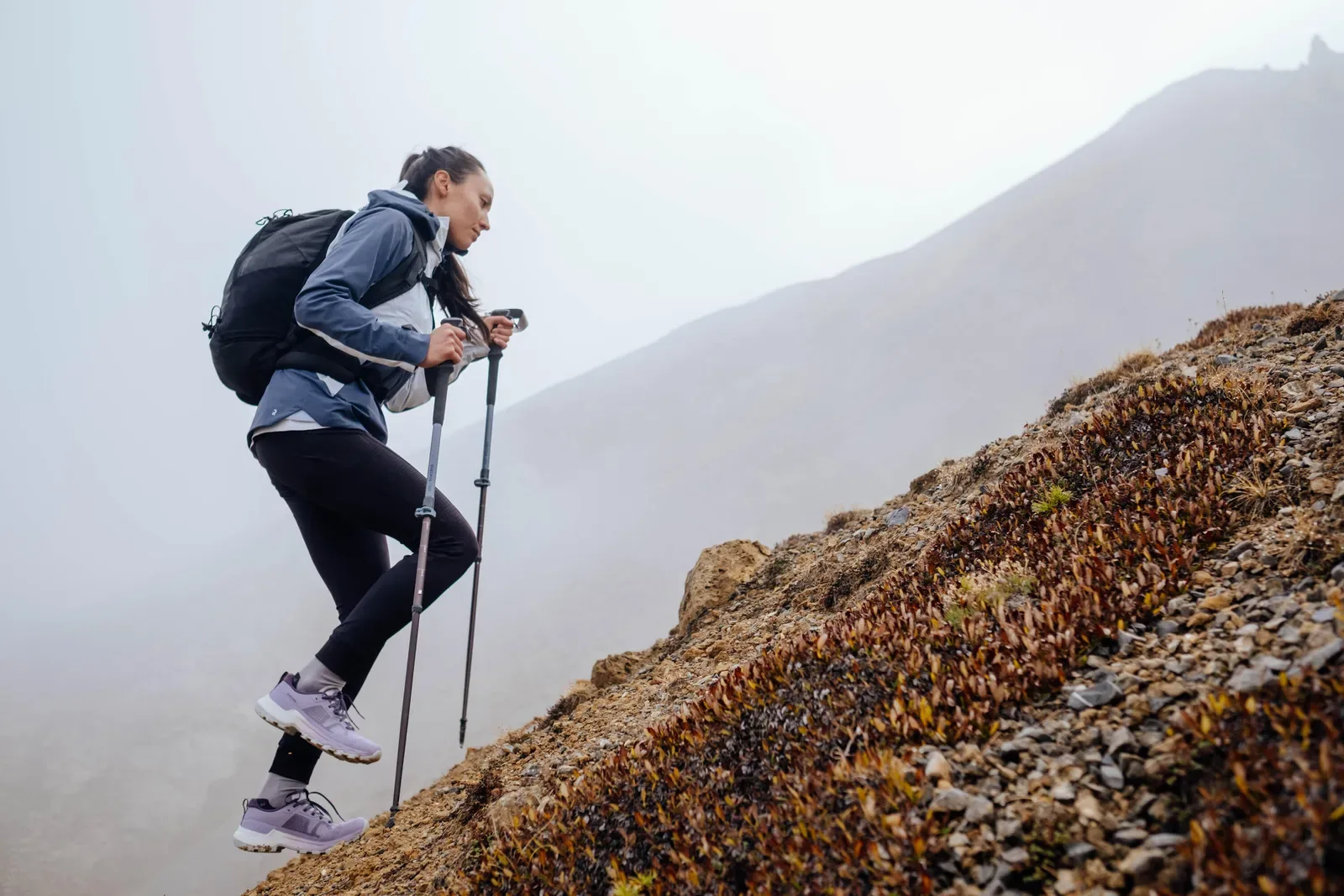
Hiker with trekking poles climbing a steep slope with misty mountains behind