Open tracks, exposed climbs and long hours outdoors can leave you spending plenty of time in the elements. A hiking hat adds practical coverage for your head and face while staying easy to wear as you walk and explore. From relaxed bushwalks to longer treks, it's a simple addition to your kit when the trail takes you outside for the day.
Match your hiking hat to the conditions you're most likely to encounter on the trail. Waterproof or water-repellent materials are useful when rain is expected, while lighter designs may be more comfortable in dry conditions. If you regularly hike in changeable weather, look for a hat that provides useful protection without becoming too heavy or uncomfortable once conditions improve.
Sun Coverage
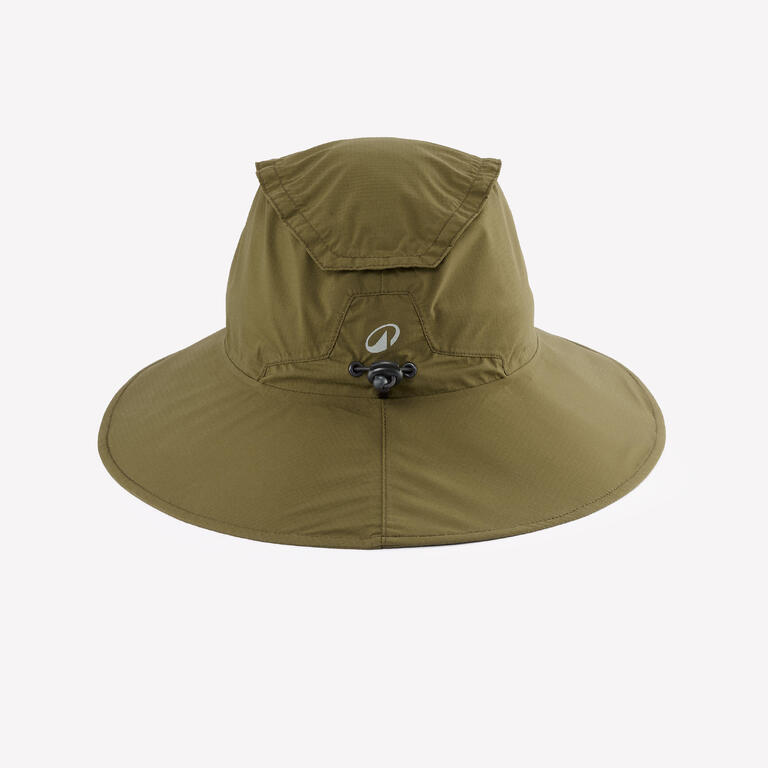
Brim size determines how much shade a hiking hat provides across your face, ears and neck. Wider brims offer more coverage on long, exposed trails, while narrower brims and cap-style designs feel lighter and less bulky for shorter or more shaded walks. Consider how exposed your usual trails are and how much coverage you want throughout the day.
Fit and Adjustability
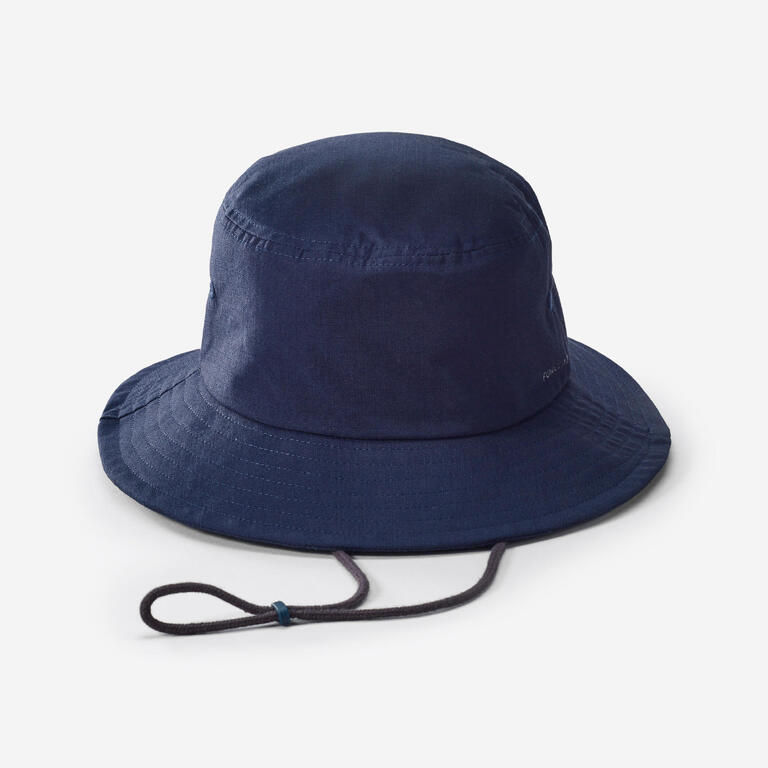
A hiking hat should stay securely in place without feeling tight or needing constant adjustment as you walk. Adjustable straps, drawcords or chin cords can help fine-tune the fit and keep the hat secure when the wind picks up. This becomes particularly useful on exposed ridgelines, coastal trails or other open terrain where conditions can change quickly.
Breathability
Heat can build up quickly around your head during steep climbs and warm-weather hikes. Lightweight fabrics, perforated sections or mesh panels can improve airflow, while quick-drying materials are useful when you're sweating or walking in humid conditions. Prioritise ventilation if most of your hiking takes place in warm or exposed environments.
Casual day hikers. You head out for shorter walks and easy trails where simple sun coverage and comfort are the priorities. A lightweight, breathable hiking hat provides practical protection without feeling bulky on the trail.
Warm-weather hikers. You spend time on hot, exposed trails where sun and heat become bigger considerations. Look for good coverage, breathable fabric and ventilation that helps keep air moving as temperatures rise.
All-weather hikers. You keep exploring when conditions are less predictable and need a hat that can handle changing weather. Water-resistant or waterproof materials, a secure fit and practical coverage are worth prioritising when wind or rain could be part of the hike.
How to Care for a Hiking Hat
Brush away loose dust, dirt and mud after the trail rather than letting it settle into the fabric. Spot clean or wash according to the care label, particularly if your hiking hat has a water-resistant finish or structured brim. Avoid crushing the brim or exposing the hat to direct heat while drying. After wet or sweaty hikes, let it dry completely before packing it away.
Hiking hats by type
Type
Best for
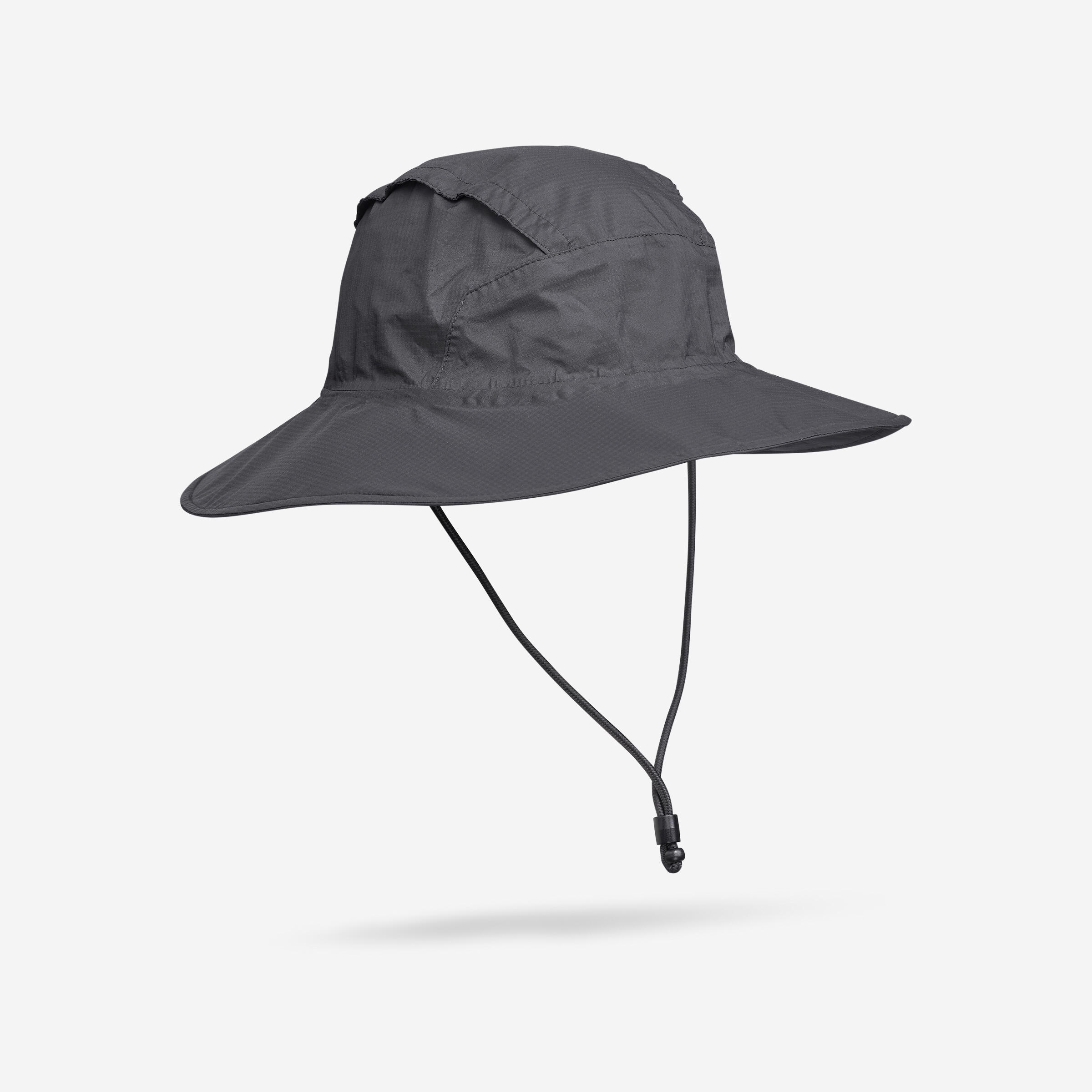
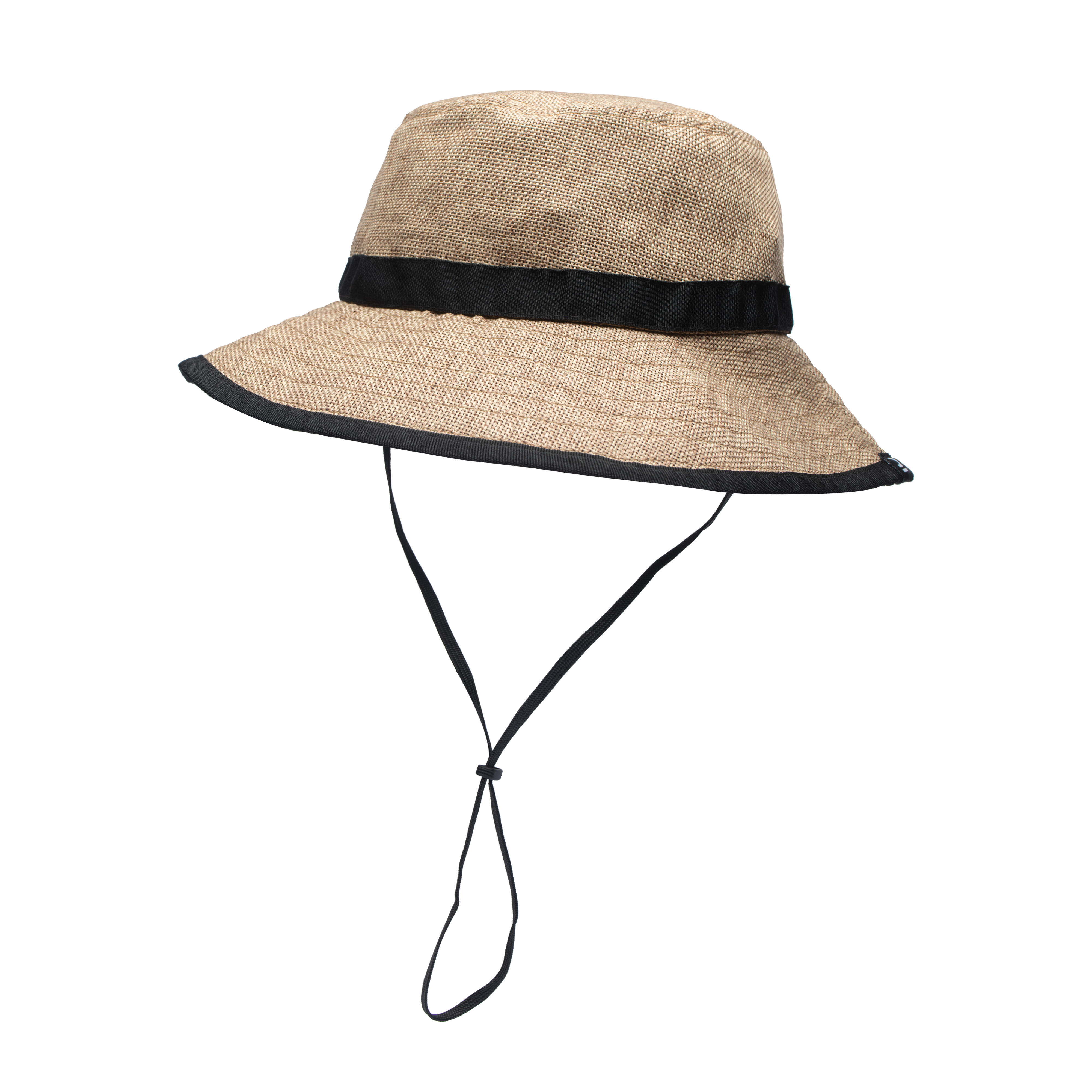
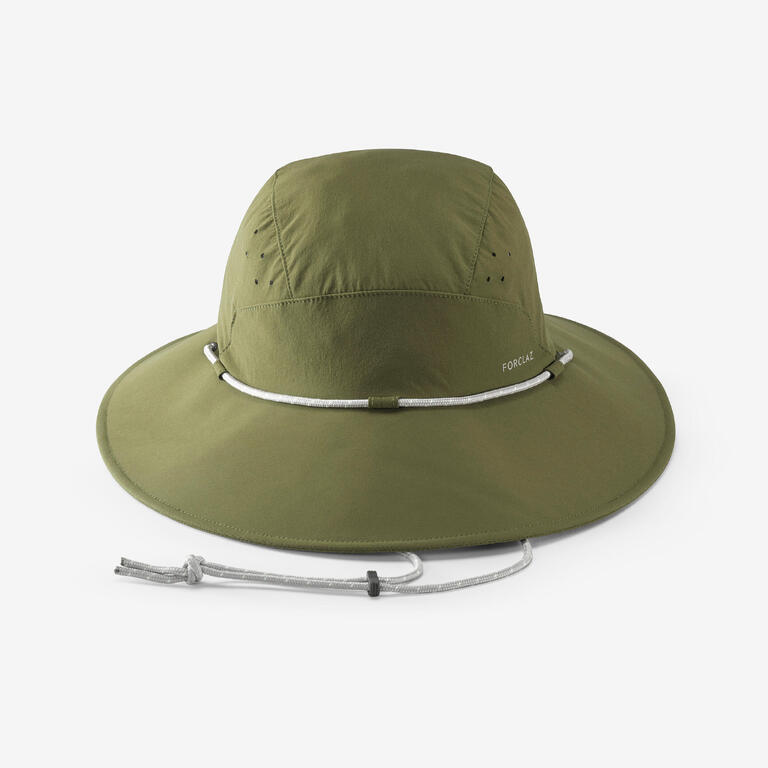
Wide-brim hiking hats
Long, exposed walks where greater sun coverage is useful.
Active walks where lightweight coverage and ventilation matter.
Hiking caps
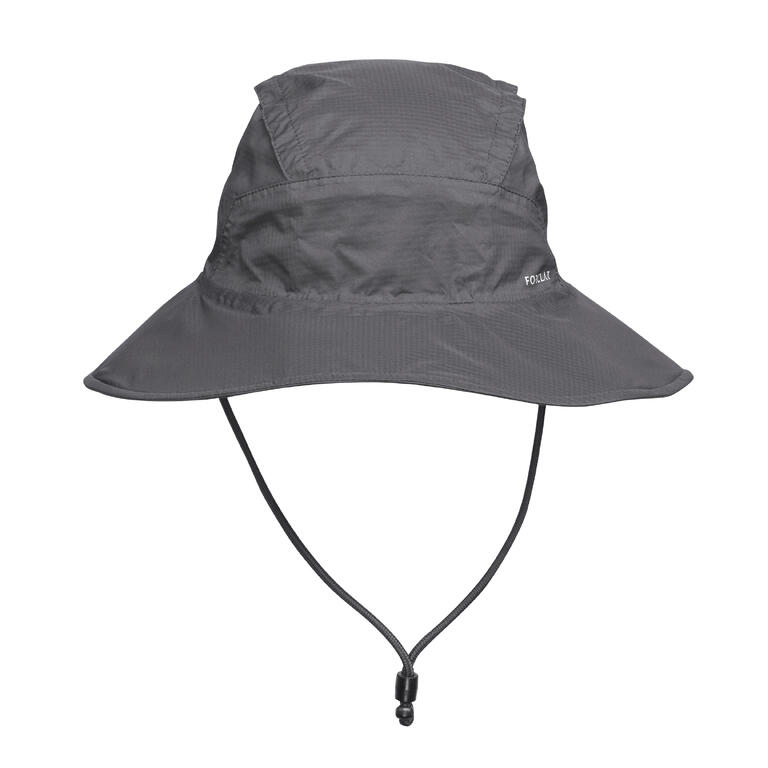
Wet-weather trails where protection from rain is the priority.
Waterproof hiking hats
Hot, exposed trails where extra neck coverage is useful.
What type of hiking hat is best for sun protection?
A wide-brim hiking hat provides more coverage around your face, ears and neck than a standard cap, making it a practical choice for long or exposed trails. For sunny conditions, also look for lightweight, breathable fabric so the extra coverage doesn't become uncomfortable as temperatures rise.
Do I need a waterproof hiking hat?
It depends on the conditions you usually hike in. A waterproof or water-resistant hat is useful if you regularly encounter rain, whilst a lightweight, breathable design may be more comfortable for mostly dry conditions. For changeable weather, consider a hat that balances weather protection with ventilation.
Can I wear a hiking hat in hot weather?
How do I stop my hiking hat from blowing off in the wind?
How should a hiking hat fit?
Yes. Look for lightweight, breathable fabric with ventilation such as mesh panels or perforations to help heat escape. A brim that provides enough shade is also useful on exposed trails, particularly when you're hiking for several hours in warm conditions.
Choose a secure fit with an adjustable chin strap, drawcord or rear adjustment. These features become particularly useful on exposed ridgelines, coastal tracks and open terrain where stronger gusts can easily catch a loose brim.
A hiking hat should feel secure without creating uncomfortable pressure around your head. Adjustable straps or drawcords can help fine-tune the fit and keep the hat stable as you move. If you're between sizes, check the individual product's size guide and adjustment range before choosing.
More Comfortable Miles Under Open Skies
Exposed trails can mean hours of sun, wind and changing conditions with little shelter nearby. A hiking hat gives you practical coverage without adding much to what you're carrying, making it an easy addition to a day pack or trekking setup. Match yours to the conditions you encounter most and head out with one less thing to worry about.
 All SportsMenWomenKidsAccessoriesEquipment and LeisureHealth & NutritionBest DealsNew ArrivalsMarketplace


 Hiking & Trekking
 Swimming
 Cycling
 Fitness (Yoga/Pilates)
 Camping
 Running