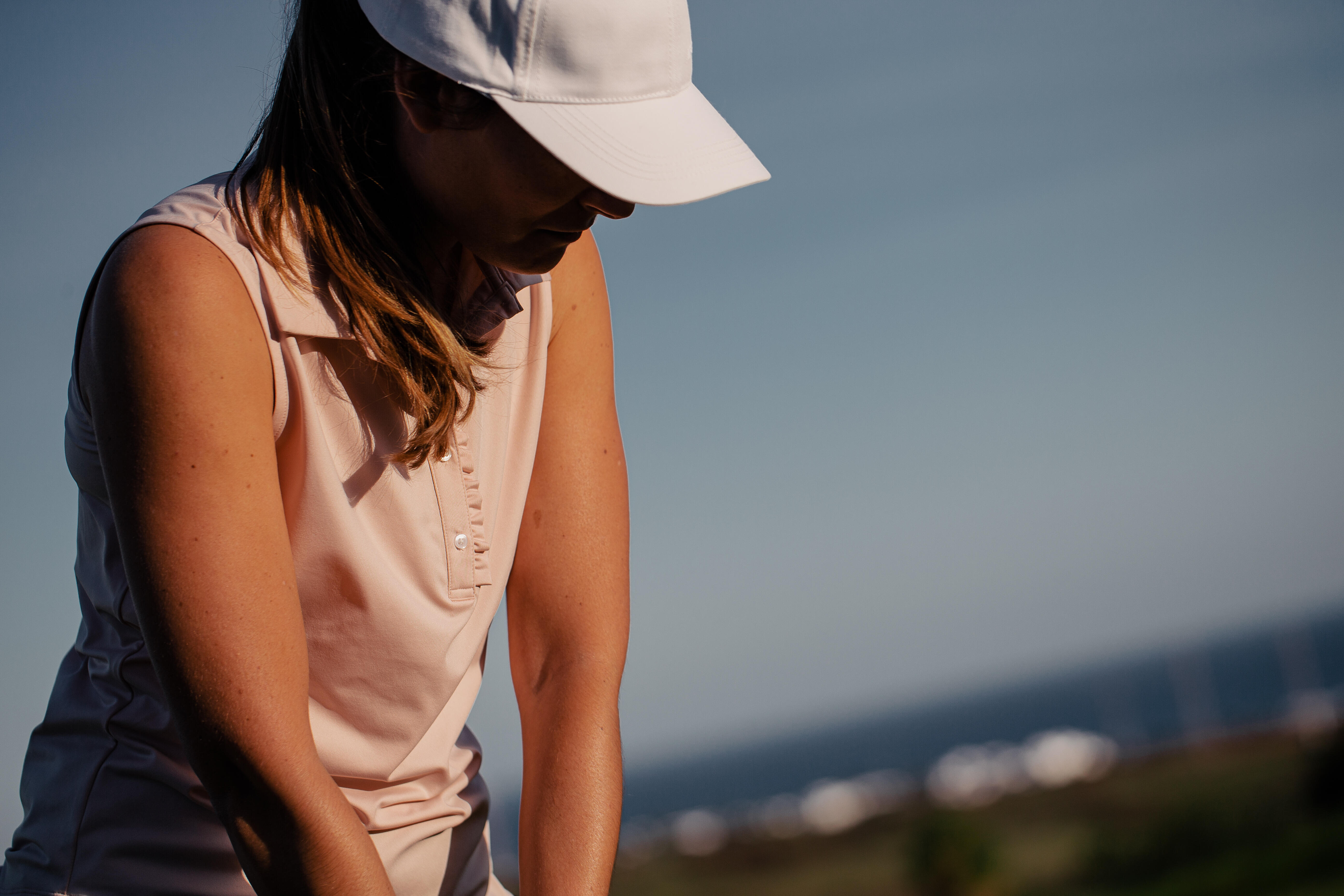
Four hours in Australian heat asks a lot of a shirt. We knit our warm weather polos in lightweight polyester piqué for play above 20 degrees, and our mid weather polos in a heavier cotton blend we put through 100 machine washes to check they hold shape and colour. Both are cut long enough through the body to stay put at the end of a full swing.
Material affects breathability, durability and how the shirt performs round after round. Technical polyester wicks moisture and dries fast, which suits warm-weather play and frequent rounds. Cotton and cotton-polyester blends feel softer and hold their shape well over time, which suits everyday use in milder conditions. Choose the option that matches how often you play and in what conditions.
Fit
A golf shirt should allow comfortable movement through your shoulders and torso without excess fabric getting in the way of your swing. A semi-fitted style offers a cleaner silhouette, while a classic fit provides extra room to move. Check the shirt length too, as it should stay neatly in place throughout your swing without riding up or feeling restrictive.
Weather Suitability
Lightweight, breathable fabrics suit warm climates and regular summer play, keeping you cooler over a full round. Heavier cotton-blend fabrics offer more structure and durability, which suits cooler conditions or year-round wear. If you play in one climate most of the year, match the fabric weight to those conditions rather than the season on the calendar.
Collar and Sun Protection
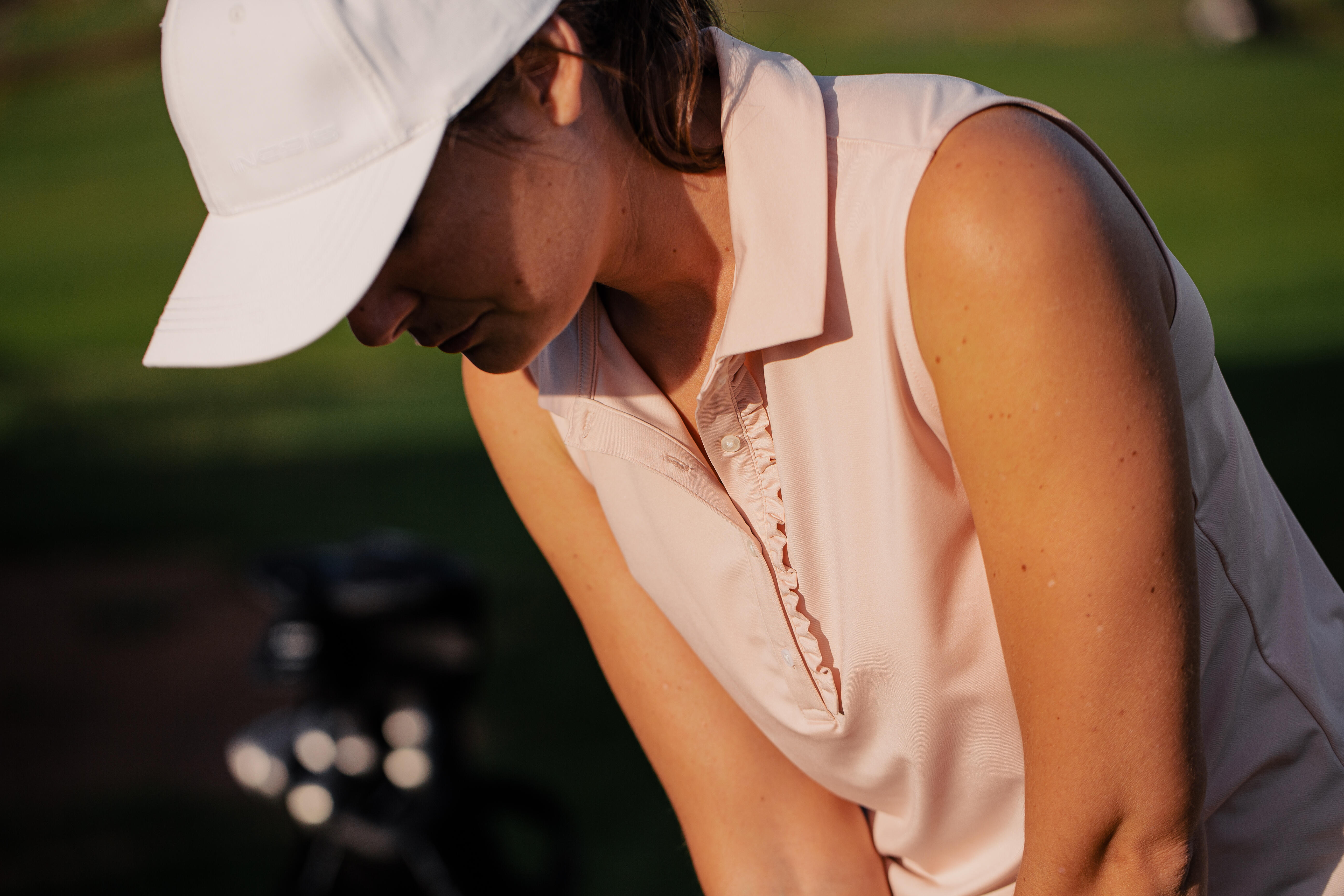
The collar does more than complete the classic golf look. Some golfers choose to raise the collar for extra coverage on sunny days, while others simply prefer the traditional look. A well-designed collar should also sit flat and stay comfortably in place without curling or shifting as you move through your swing.
Playing occasionally in cooler weather. You want a straightforward shirt that looks good and doesn't need special care. Simple comfort, nothing fancy.
Playing regularly throughout the year. You need a comfortable shirt that balances breathability, durability and freedom of movement for regular rounds in different conditions.
Playing in peak summer conditions. Long days in the sun call for lightweight fabrics with excellent airflow and added UV protection to help you stay comfortable throughout the round.
Washing Your Golf Shirt
Machine wash in cold water after a few wears to keep the moisture-wicking fabric working. Hang dry rather than tumble drying to preserve the elastic fibres. Treat stains promptly before washing, as sweat and grass set permanently if left. Avoid bleach and fabric softeners which damage the performance coating. Store on a hanger to keep the shape and prevent wrinkles. A golf shirt stays fresher longer when you wash after every few rounds rather than waiting.
Golf shirts by type
Type
Best for
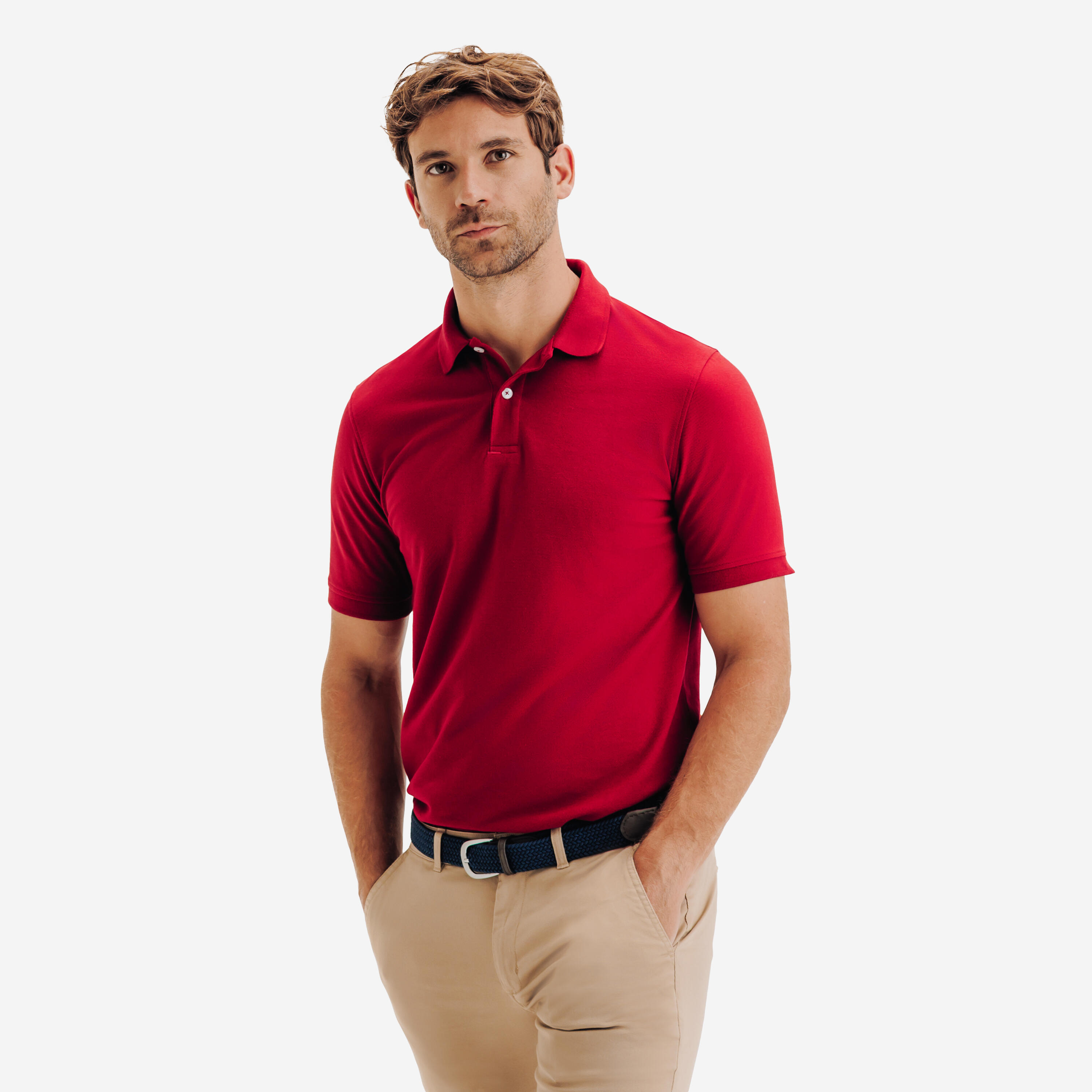
Cotton blend shirts
Players valuing breathability and natural feel, playing in mild conditions.
Hot weather rounds or heavy sweaters, keeping dry and comfortable all day.
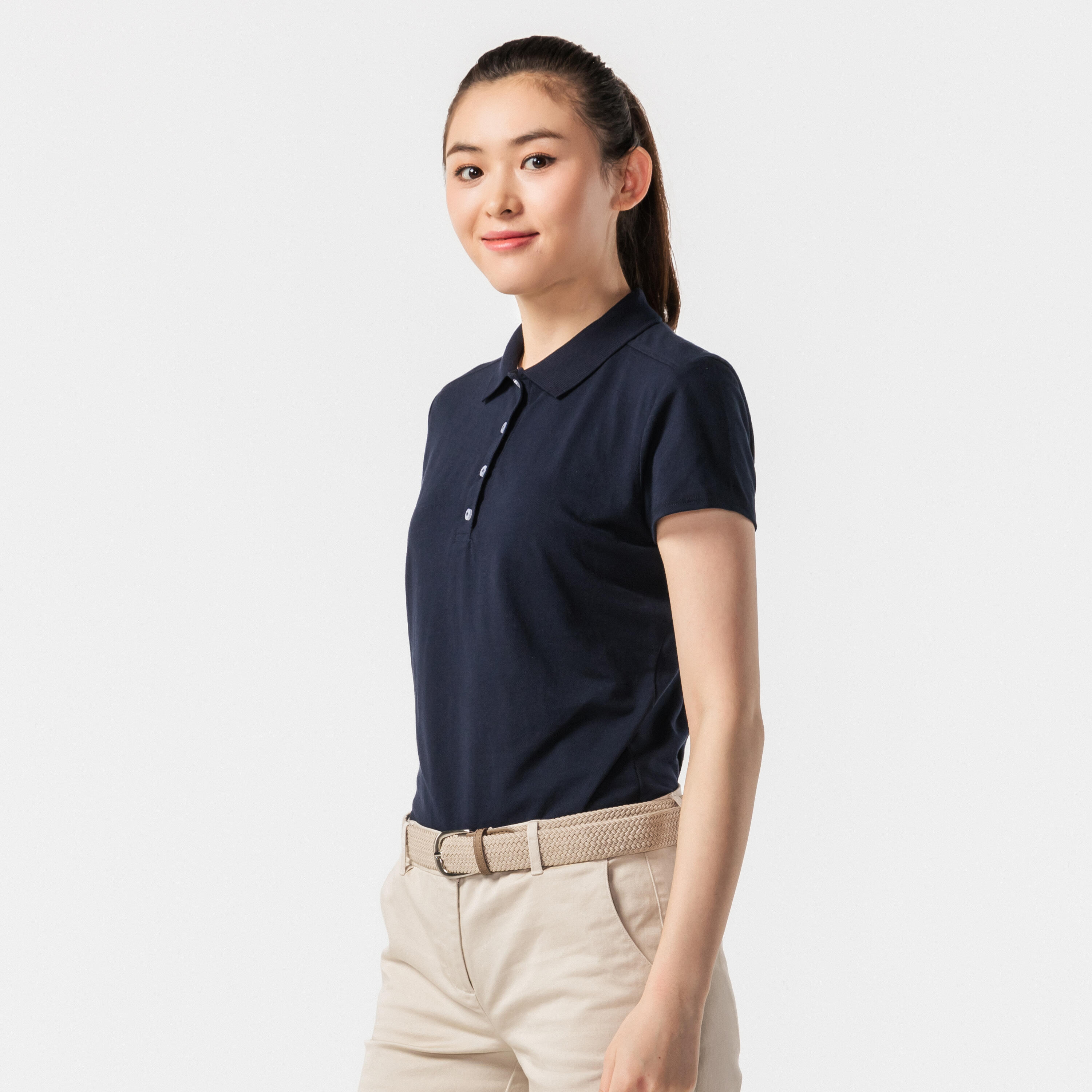
Moisture-wicking performance shirts
Australian conditions or frequent play, blocking harmful sun rays.
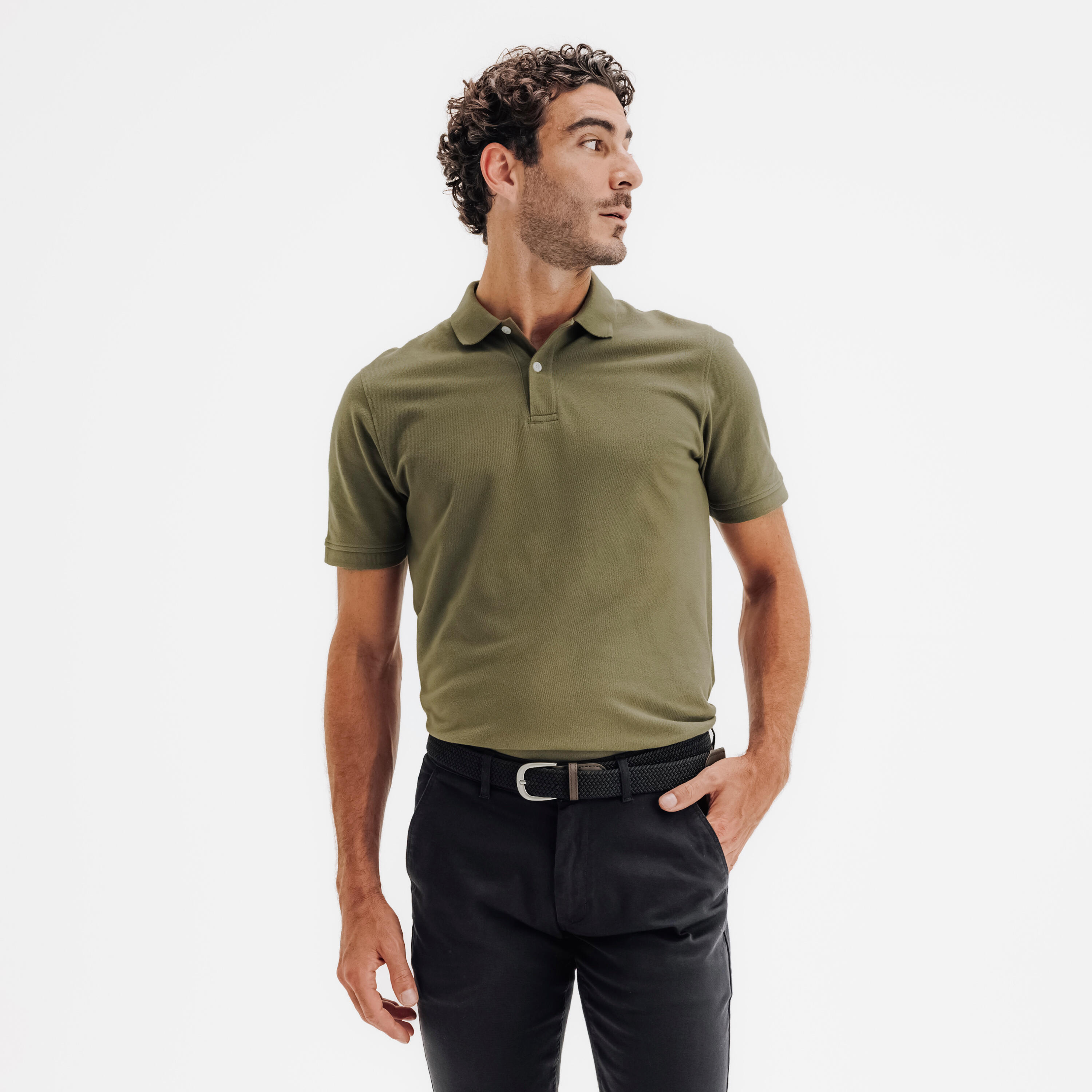
UV-protective shirts
Winter play or maximum sun protection, maintaining temperature control.
How should a golf shirt fit compared to a regular shirt?
Golf shirts fit slightly roomier to allow full swing motion without pulling. Your arms should move freely without the shirt bunching. Regular shirts restrict your swing and look out of place. A proper fit improves both comfort and performance.
What does moisture-wicking actually do?
Moisture-wicking fabric pulls sweat away from your skin and spreads it across the shirt where it dries faster. This keeps you cooler and drier than cotton, which absorbs sweat and stays wet. It makes a real difference over four hours on the course.
How do I maintain a golf shirt's moisture-wicking?
Do I need UV protection in a golf shirt?
What collar types are allowed on golf courses?
Wash in cool water and avoid fabric softener, which coats fibres and reduces wicking ability. Air dry rather than tumble dry. Don't use bleach. Proper care keeps your shirt performing like new for years instead of losing effectiveness after a few washes.
It helps, particularly in Australian conditions where you're in direct sun for four hours. A UPF-rated fabric blocks a measured proportion of UV across the area it covers, which sunscreen alone can't do consistently once you start sweating. Use both: a rated shirt for your torso and arms, sunscreen for everything it doesn't cover.
Most courses require a collared shirt. Polo collars, button-up collars and performance collars are all acceptable. Tank tops, crew necks and t-shirts without collars aren't allowed. Check your club's dress code, but collared is the safe standard.
Dress for Comfort on the Course
Golf shirts do two jobs: meet course dress codes and keep you comfortable in Australian heat. Moisture-wicking fabrics work harder for you than regular cotton. Check your club's requirements first, then invest in shirts that breathe. You'll stay fresher and play better when you're comfortable.
 All SportsMenWomenKidsAccessoriesEquipment and LeisureHealth & NutritionBest DealsNew ArrivalsMarketplace




 Hiking & Trekking
 Swimming
 Cycling
 Fitness (Yoga/Pilates)
 Camping
 Running