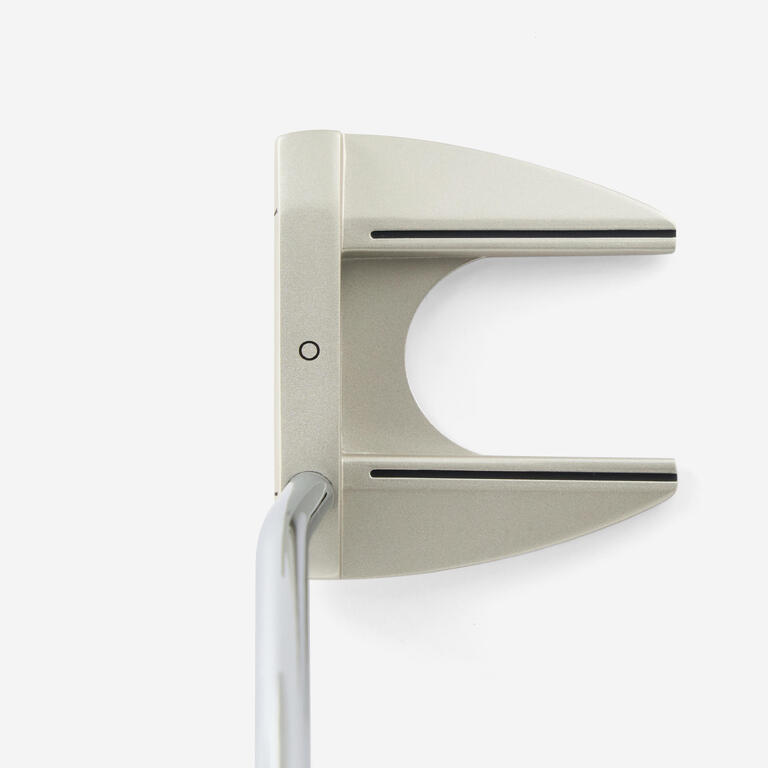
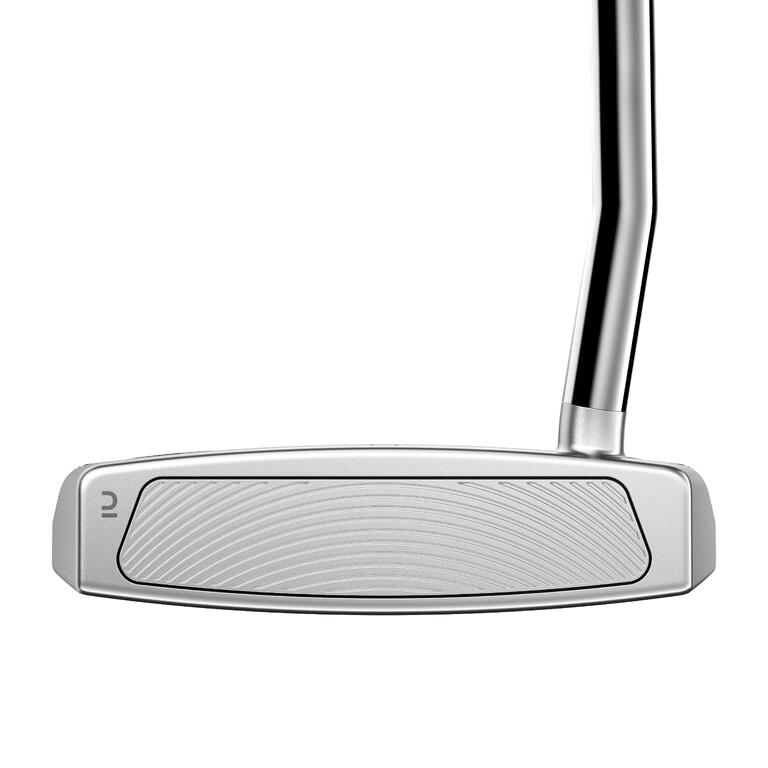
More of your score happens on the green than anywhere else on the course. We build our putters in three parts, a stainless body with a TPU insert and a machined steel face plate, and we balance them two ways: toe hang for a stroke that arcs, face-balanced for one that runs straight back and through. Work out which way your stroke moves, then pick the head that matches it.
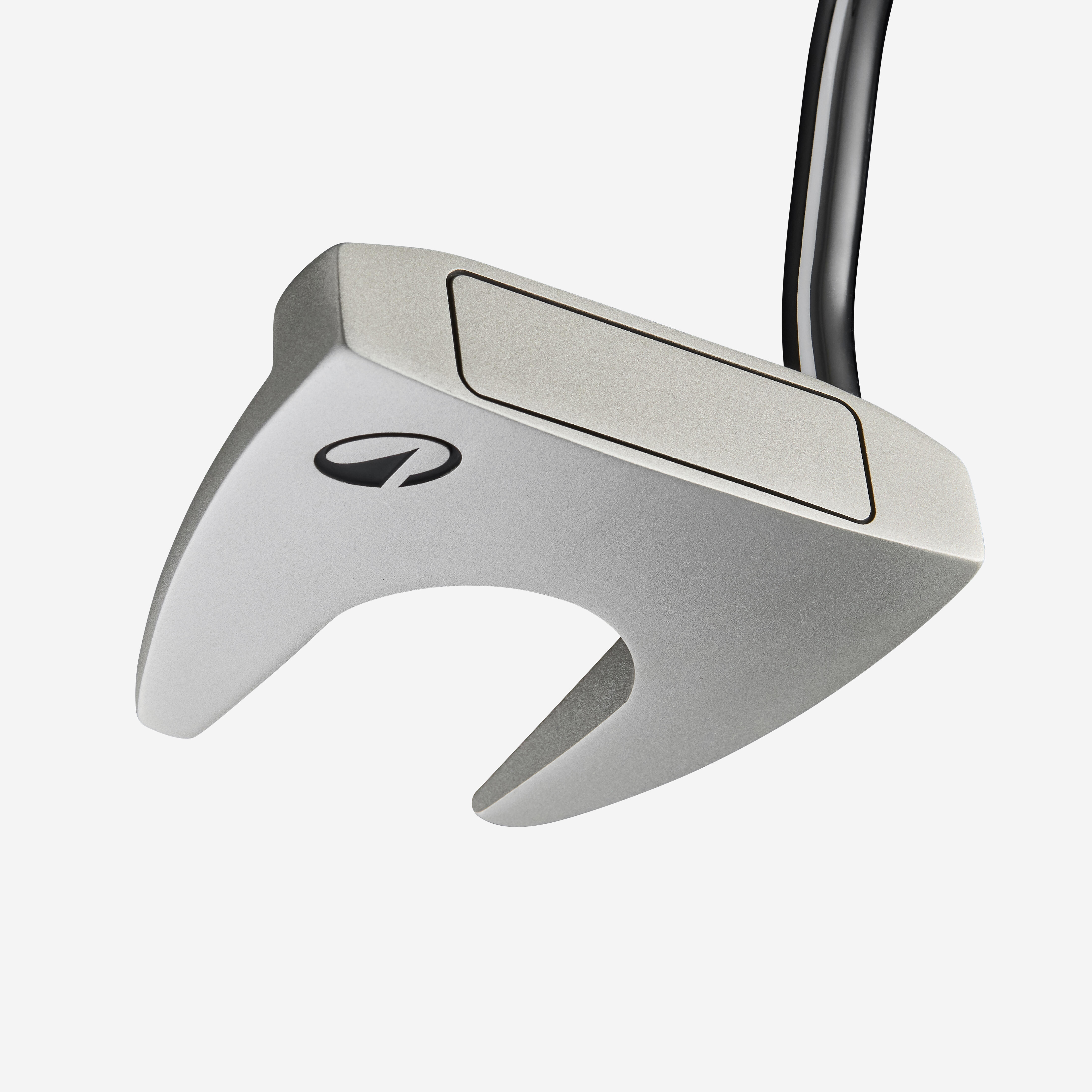
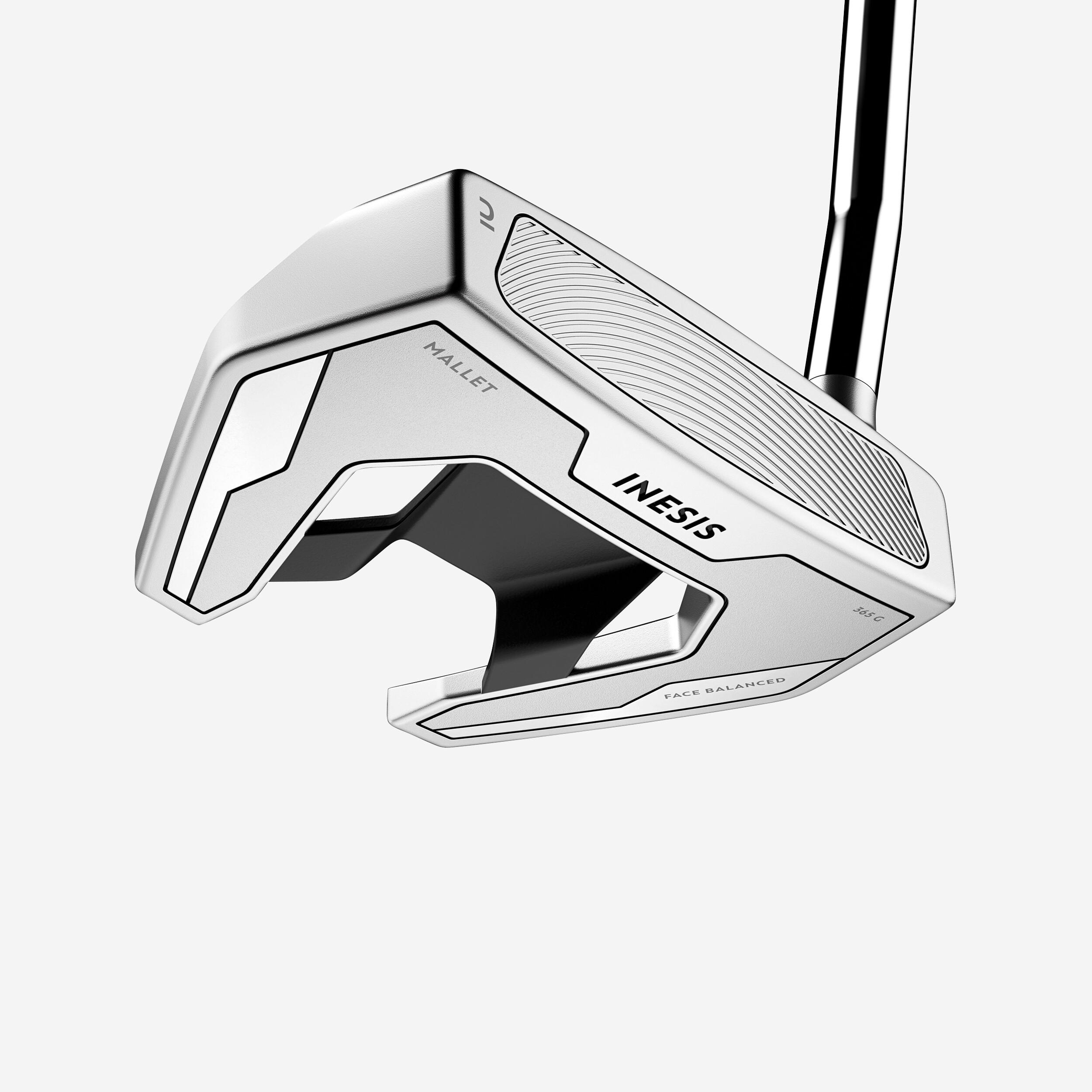
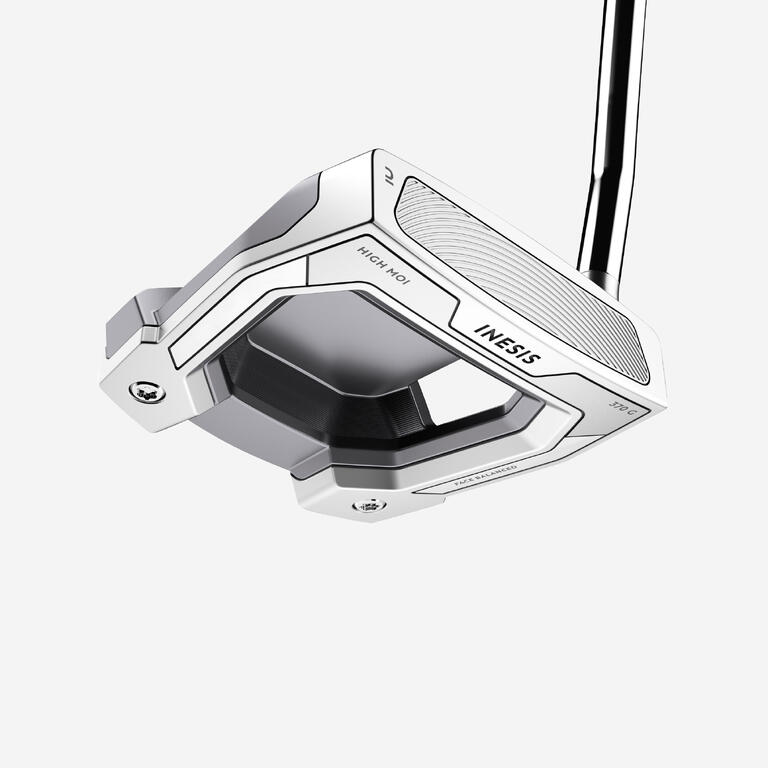
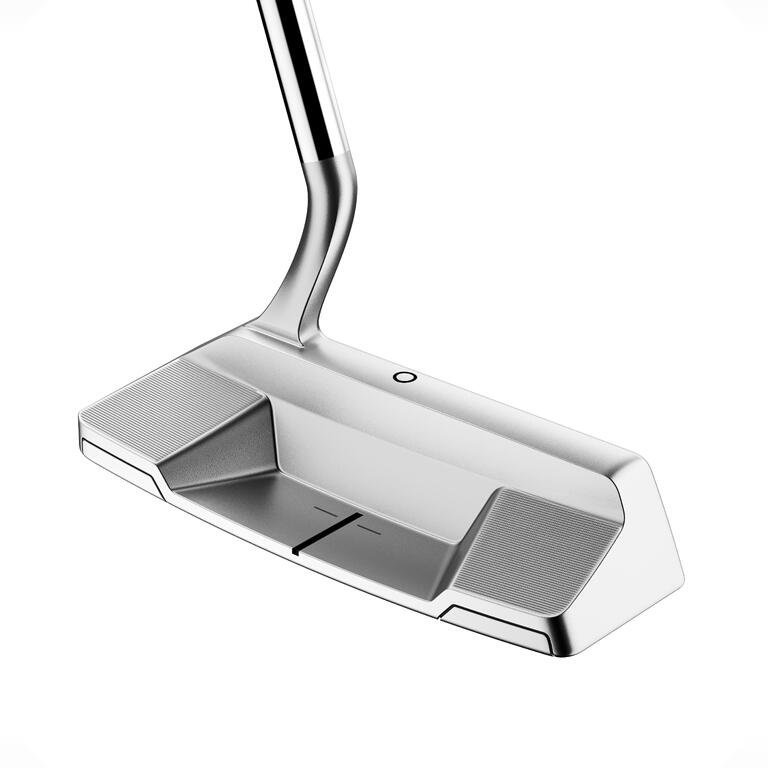
Putters generally come in blade and mallet designs. Blade putters have a more traditional shape and provide greater feedback, while mallet putters offer more forgiveness and stability on off-centre strikes. Choose the head shape that gives you the most confidence when lining up your putts.
Forgiveness
Forgiveness refers to how well a putter performs when you don't strike the ball perfectly in the centre of the face. More forgiving putters help maintain speed and direction on off-centre hits, making them a great choice for beginners and golfers looking for greater consistency.
Length
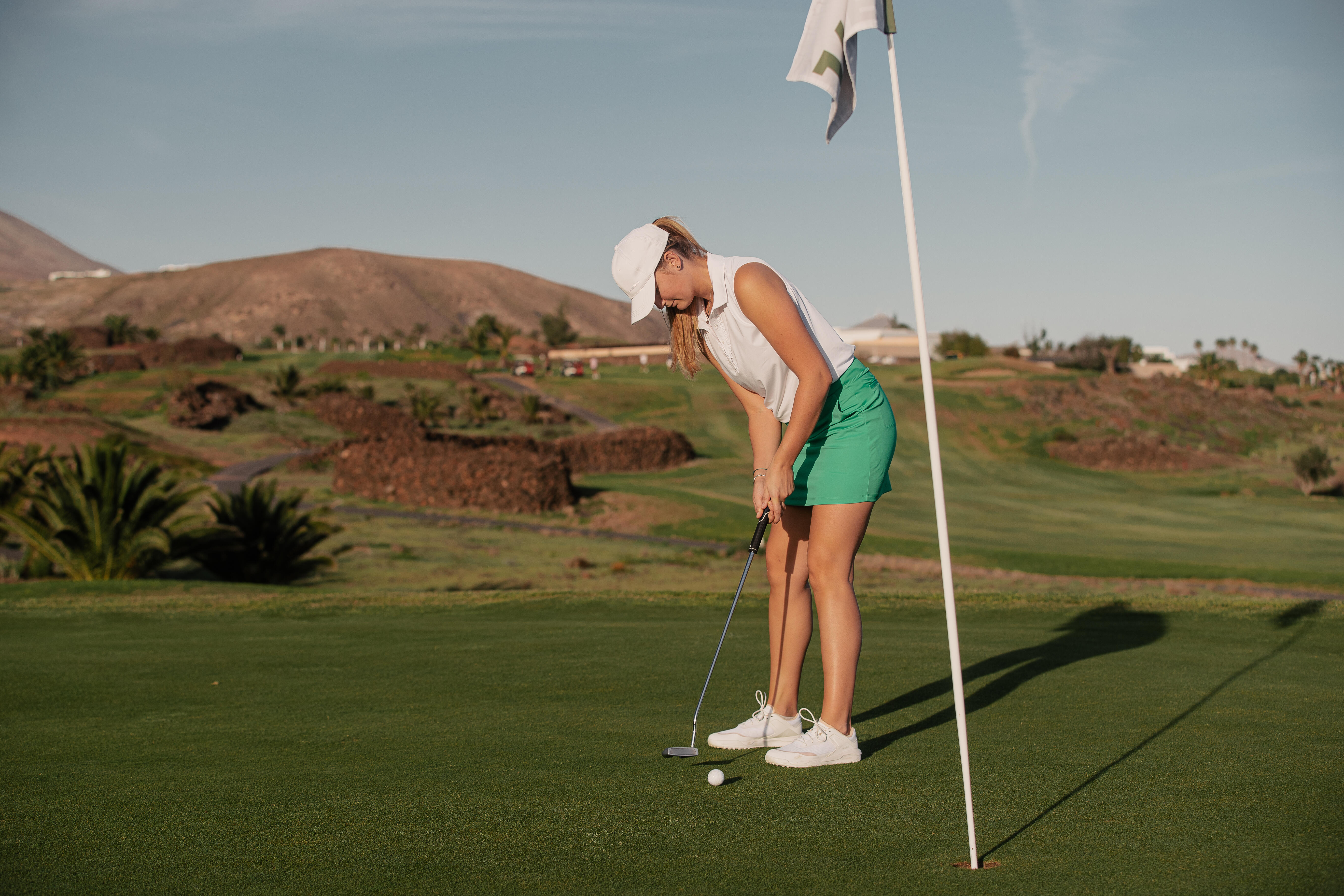
Putter length affects your posture and how naturally you set up over the ball. A putter that's too long or too short can affect your posture, making alignment and distance control more difficult. Choosing the right length helps you develop a more comfortable and repeatable putting stroke.
Feel
Every putter feels slightly different at impact. Some golfers prefer a firmer response, while others like a softer feel for better distance control. Trying different putters can help you find one that feels comfortable and inspires confidence on the greens.
Learning to putt. You need a forgiving putter that doesn't punish mishits. Good feel on every stroke helps you develop confidence on the greens.
Playing greens regularly. You want a putter that gives consistent feedback on your stroke so you can see what's working. Reliable feel beats complicated technology.
Committed to lower scores. Your stroke is solid and you're dialling in distance control. A putter matched to your tempo and break-reading style makes the difference when it matters.
Looking After Your Putter
Wipe the putter head clean and dry immediately after each round to prevent rust on metal parts. Keep grass and dirt debris off the face, as buildup affects your strike consistency. Store with a headcover to protect from dings that can change its balance and feel. Check the grip regularly and clean it when it gets slick from use. Replace the grip every 1-2 years if you play frequently. A putter's performance depends on a clean head and comfortable grip.
Golf putters by type
Type
Best for
Blade putters
Players with consistent, smooth strokes who value feedback and traditional feel.
Players looking for forgiveness on off-centre hits and more stability through the stroke.
Mallet putters
Standard putting stance, comfortable swing rhythm without reaching or hunching.
Mid-length putters (up to 37 inches)
Taller golfers or players who prefer a longer putter for their setup.
Yes, significantly. Blade putters suit precise strokes with consistent tempo. Mallets offer forgiveness on off-centre hits and more stability. Try both styles to see what feels natural. Your stroke style should guide your choice, not trend.
How do I know what putter length to buy?
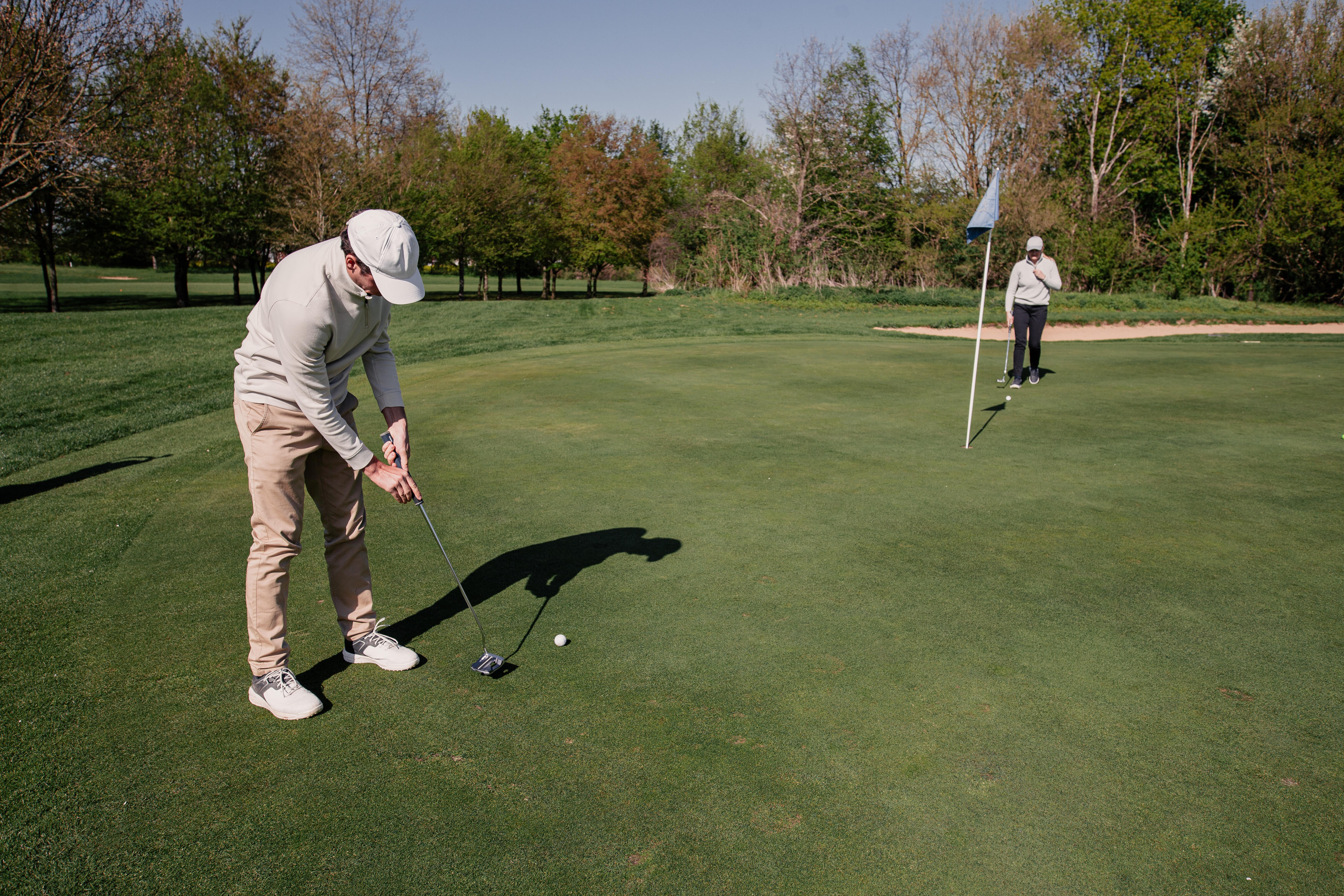
Standard is 33 to 35 inches. When standing in your putting posture, your eyes should be over the ball and arms hanging naturally. Too long feels awkward, too short forces you to crouch. Test different lengths at the shop before deciding.
Should I upgrade my putter?
How often should I replace my putter grip?
Do putter alignment aids help?
Upgrade if your grip is worn, the face feels dead, or you consistently miss short putts. A new putter won't fix poor technique, so work on your stroke first. If mechanics are solid and equipment feels limiting, then upgrade makes sense.
Replace when it becomes shiny, slippery or cracked. Most golfers replace every 1-2 years with regular play. A worn grip forces you to hold tighter, affecting stroke consistency. New grips are affordable and transform putter feel immediately.
Many putters include alignment lines on the head to help you set the face square. Some golfers use them constantly, others prefer a clean top line and aim off the ball's own markings instead. Neither is wrong. Try both at address and keep whichever gives you a more confident start line.
Build Confidence with the Right Putter
Every golfer has a different putting style, and the right putter helps you make the most of yours. Choosing one that feels comfortable, inspires confidence and suits the way you play can help turn more putts into successful finishes and make every round that little bit more rewarding.
 All SportsMenWomenKidsAccessoriesEquipment and LeisureHealth & NutritionBest DealsNew ArrivalsMarketplace

 Hiking & Trekking
 Swimming
 Cycling
 Fitness (Yoga/Pilates)
 Camping
 Running