Golf balls aren't all the same. Casual round? Go forgiving and easy to find in the rough. Proper competition? You want distance and control for threading your shots. Spent all week on your short game? Grab balls with consistent feel and real spin. Pick the right ball for your game.
Compression basically determines whether a ball gives you distance or forgiveness. Soft balls (low compression) are dead easy to hit and forgiving on dodgy swings, brilliant for high handicappers. Hard balls (high compression) need faster swing speeds to compress properly, but reward good technique with better distance and control. Most casual golfers find mid-compression balls strike a decent balance between playability and distance.
Cover Material
Cover material determines spin and feel around the greens. Surlyn is tough, affordable and forgiving, brilliant for higher handicaps. Urethane delivers spin control and softer feel but costs more and gets damaged by rough use. Two-piece balls prioritise distance off the tee. Most casual golfers do perfectly fine with Surlyn. Switch to urethane when you're actually scoring consistently.
Visibility
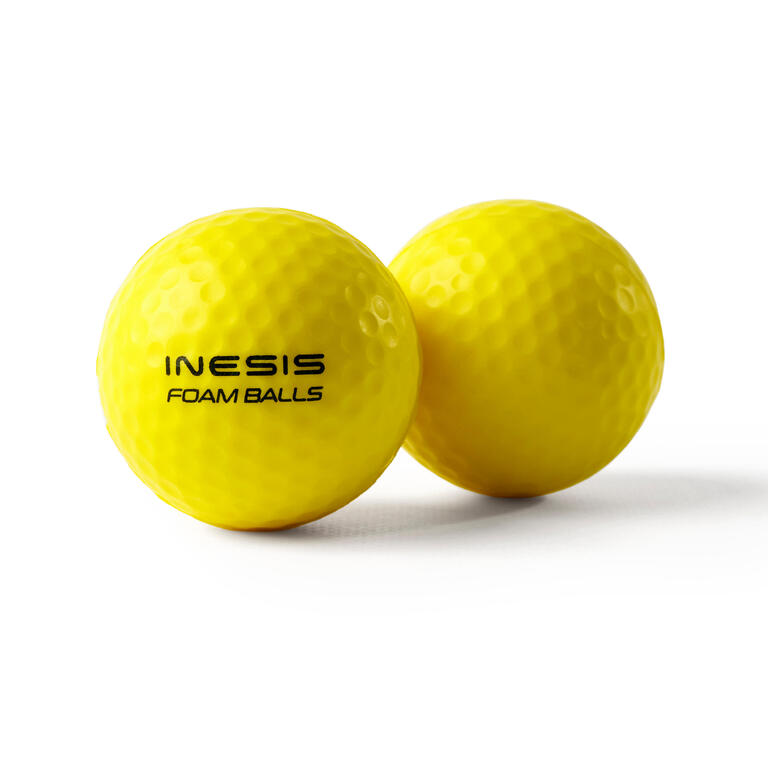
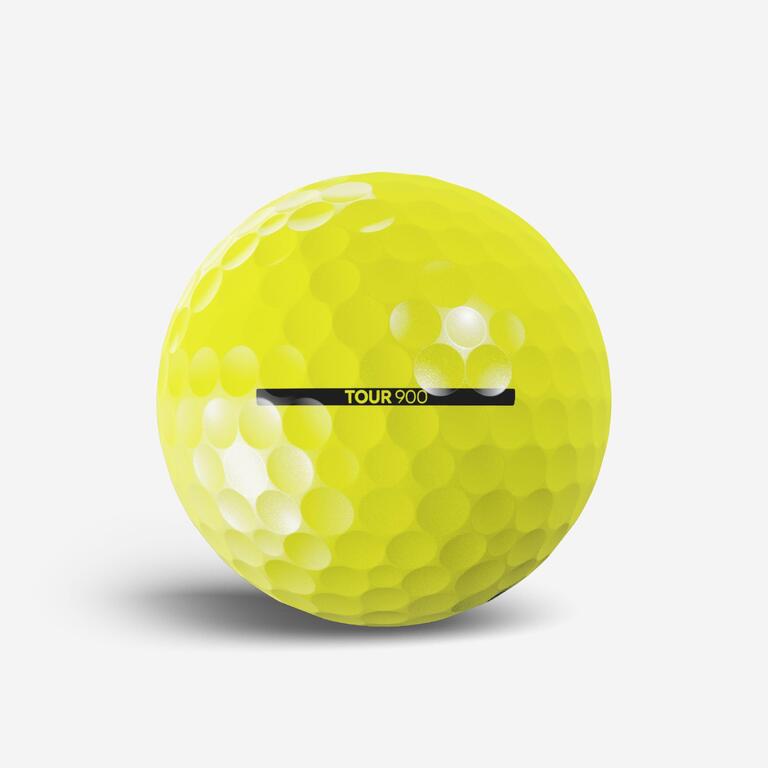
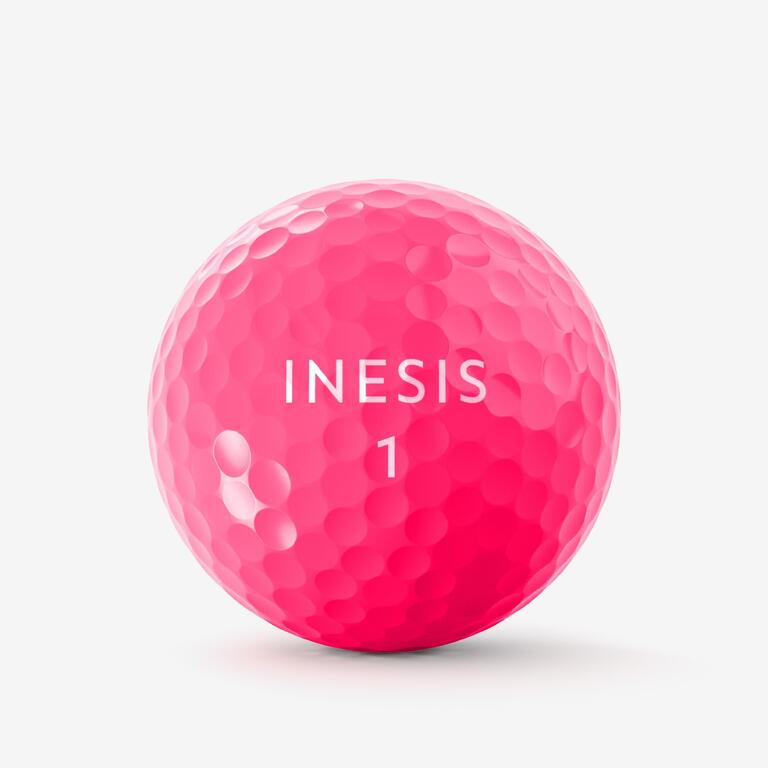
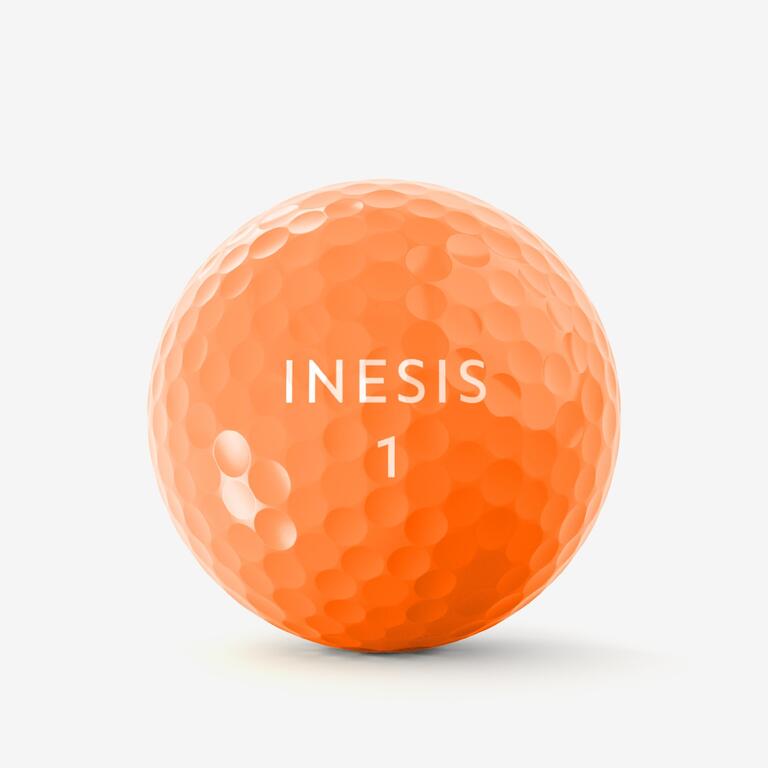
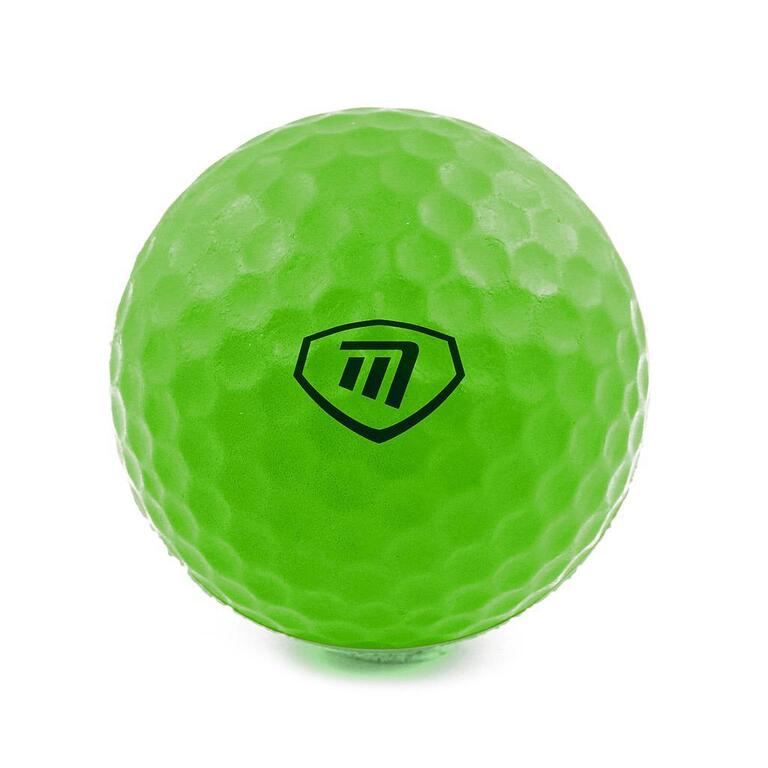
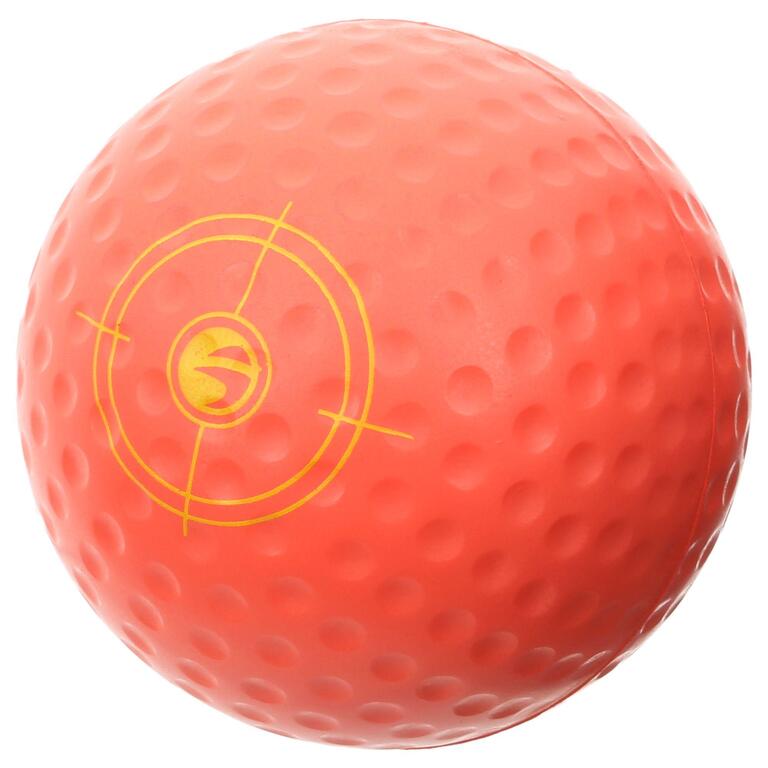
Look for colours that stand out against green grass. White balls are traditional but genuinely hard to spot in rough. Bright yellow or orange balls are properly visible during flight and simple to find on the course. Check the markings are clear enough to read for alignment. Higher visibility means fewer lost balls and better game scores.
Durability
Durability means the ball survives actual golf without getting shredded. Cheap balls get scuffed, get lost easier, and feel harsh off the clubface. Good quality balls hold up through multiple rounds and maintain performance. Your budget determines whether you replace balls or keep them lasting longer.
Beginner golfers. Just starting? Grab golf balls that forgive your dodgy swings and don't cost loads. They should be easy to spot and straightforward to replace when you lose them (spoiler: you will).
Regular golfers. You're out on the course regularly, so consistency matters. Golf balls that perform the same whether you're playing your first hole or your tenth round. They handle your actual swing speed and hold up through multiple rounds without falling apart.
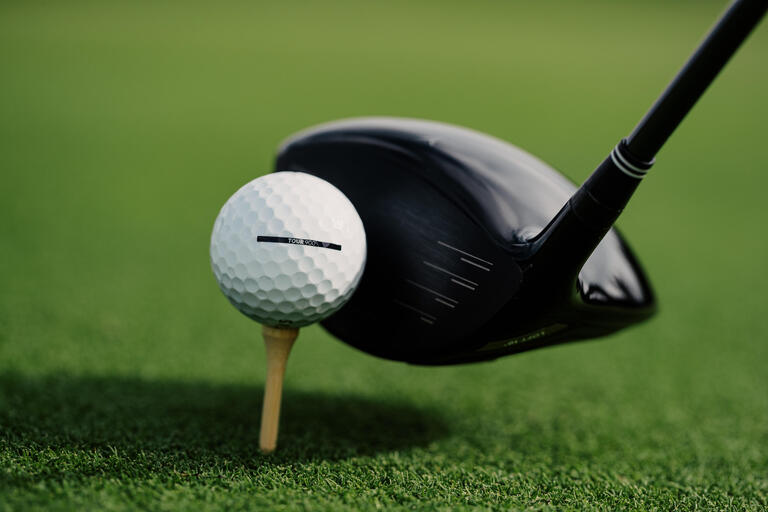
Competitive golfers. You're playing to win, so your golf balls need serious performance. Exceptional distance that comes through, spin control that lets you dial in your shots, and consistency across the entire round so you're never wondering how the ball's going to behave.
How to care for your golf balls
Wipe down with a damp cloth after every round to remove dirt and grass marks. Dry thoroughly before storing. Inspect regularly for cuts, scuffs or soft spots. Retire balls showing significant damage. Store in a cool, dry place away from extreme heat. Avoid leaving in direct sunlight or a hot car. Rotate your set through rounds to distribute wear evenly.
Golf balls by type
Type
Best for
Beginner and distance balls
First-time golfers, casual play, practice rounds.
Recreational golfers, all-round performance, casual and competitive play.
Mid-range performance balls
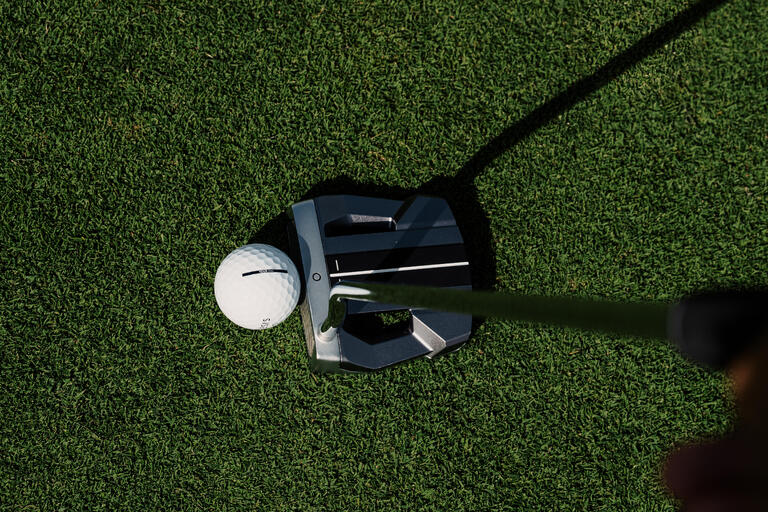
Short game practice, consistent feel, spin control.
Premium control balls
Competitive play, distance and control, challenging conditions.
What compression rating is best for beginner golfers?
Mid-compression balls (70-80) suit beginner swing speeds best. They deliver good distance and feel responsive without requiring a fast swing. As your swing speed increases, higher compression balls become more effective.
Are low-compression golf balls suitable for all golfers?
For slower swing speeds below 80mph, low-compression balls (60-70) are more forgiving and fly further. For faster swing speeds above 90mph, higher compression balls (90+) provide better control and distance. Mid-compression (80-90) suits most recreational golfers well.
What is the best golf ball for beginners?
How long do golf balls last?
What is the best golf ball for distance?
Low-compression balls are the best option for beginners. Soft construction provides forgiveness on imperfect strikes and easier launch for developing your swing technique.
Quality golf balls last many rounds with reasonable care. Visible scuffs on the cover affect aerodynamics and spin. When dimple patterns wear smooth or cover integrity is compromised, performance noticeably suffers and replacement makes sense.
Two-piece distance balls are most effective for maximum distance. Two-piece construction maximises energy transfer from the club to the ball, making it ideal for golfers prioritising distance off the tee.
Play Your Best With Golf Balls Designed For Performance
Golf balls make a real difference in your game. Decathlon's collection progresses from beginner-friendly options through recreational and competitive models. Whether you're learning, enjoying casual rounds, or pursuing serious play, find balls engineered for performance and value. Shop our range and improve your game.
 All SportsMenWomenKidsAccessoriesEquipment and LeisureHealth & NutritionBest DealsNew ArrivalsMarketplace

 Hiking & Trekking
 Swimming
 Cycling
 Fitness (Yoga/Pilates)
 Camping
 Running
