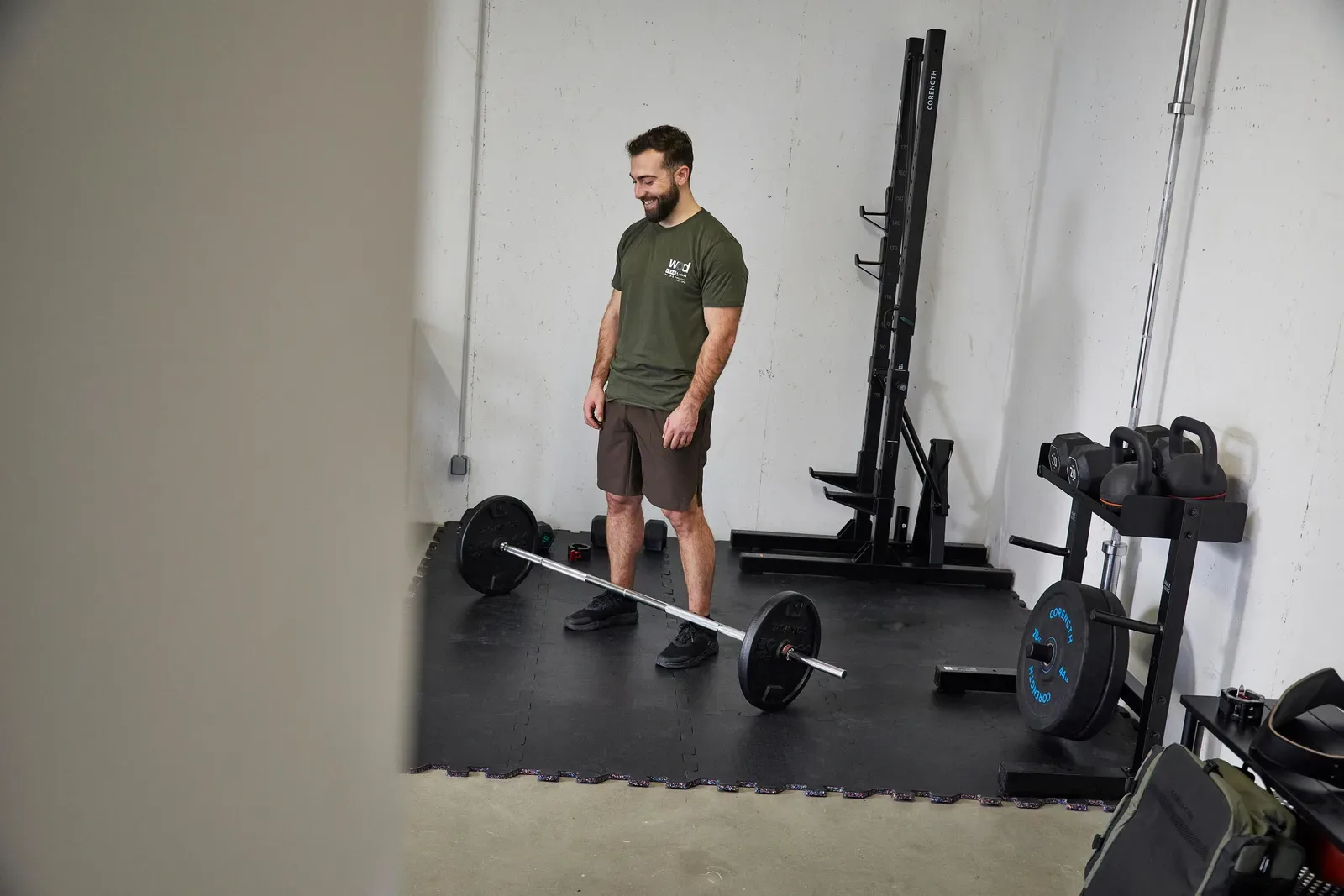
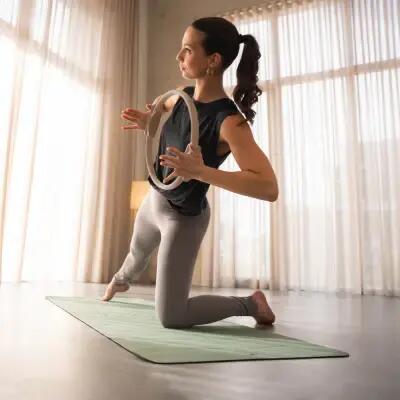
First home gym
You have cleared a corner and want a safe floor plus somewhere to put a few weights.
A good floor and a place for every weight make a garage gym safer to train in and easier to keep tidy. Here is how we would set yours up, from rubber tiles to racks that fold away.
Six ranges for a solid floor and a tidy setup.
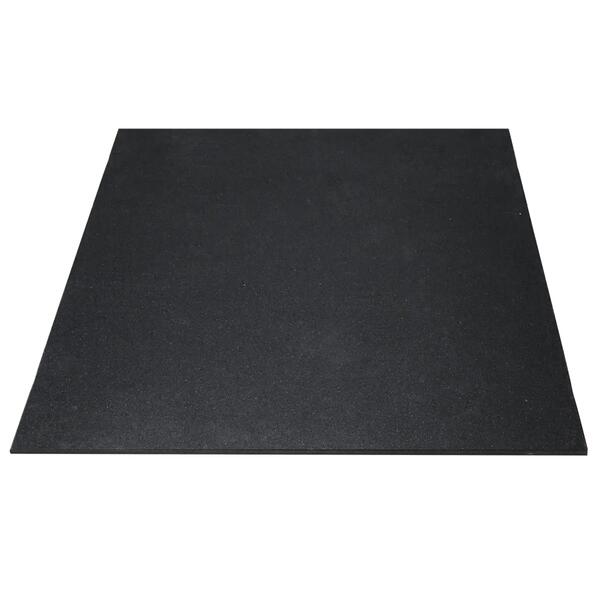
Rubber tiles, jigsaw mats and protection mats for hard floors.
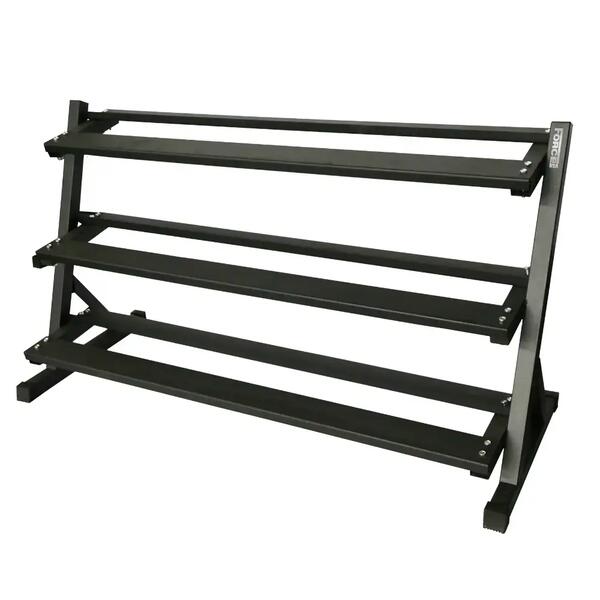
Squat racks plus stands for dumbbells, kettlebells and plates.
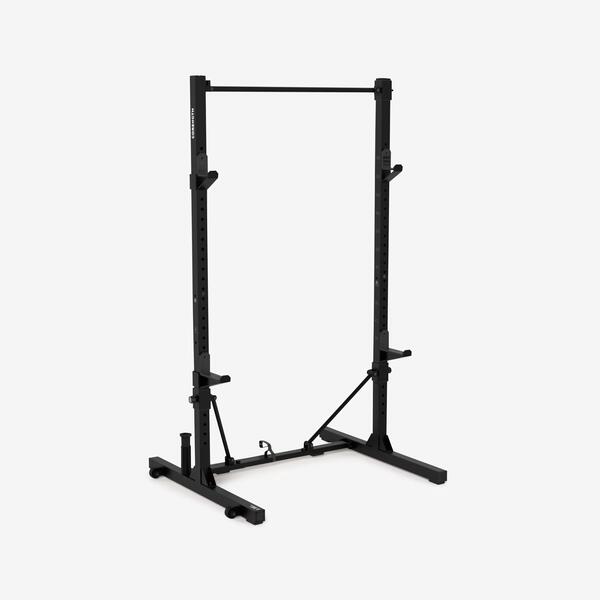
Multi-gyms, dip stations and racks, including fold-down options.
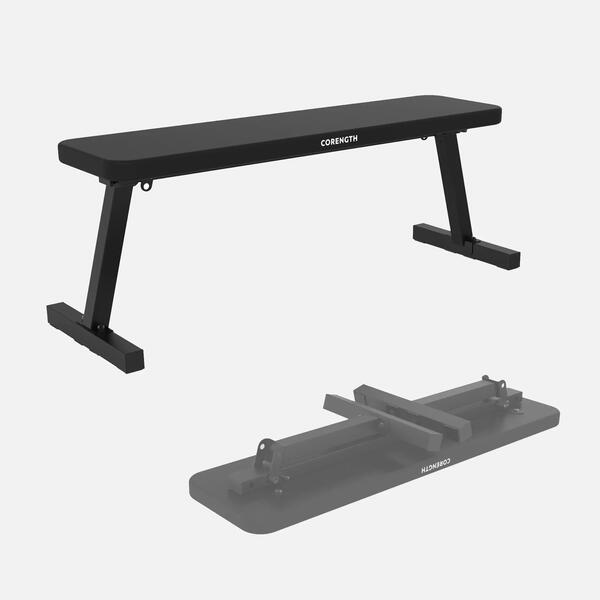
Adjustable and flat benches, with folding options that store away.
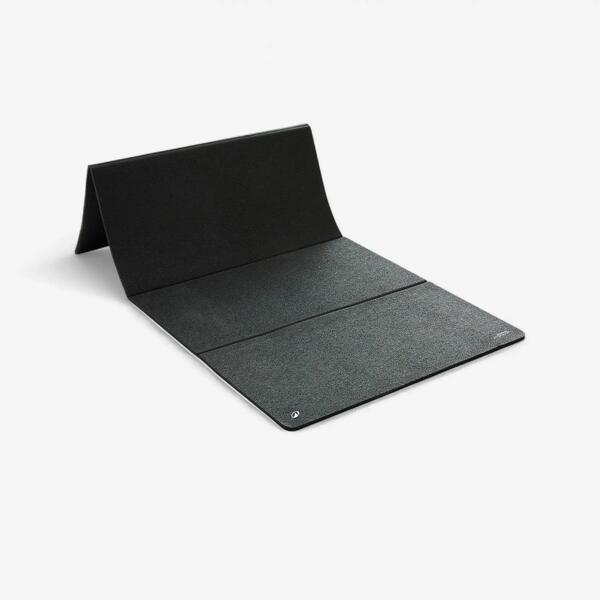
Cushioned mats for stretching, core work and warm-ups.
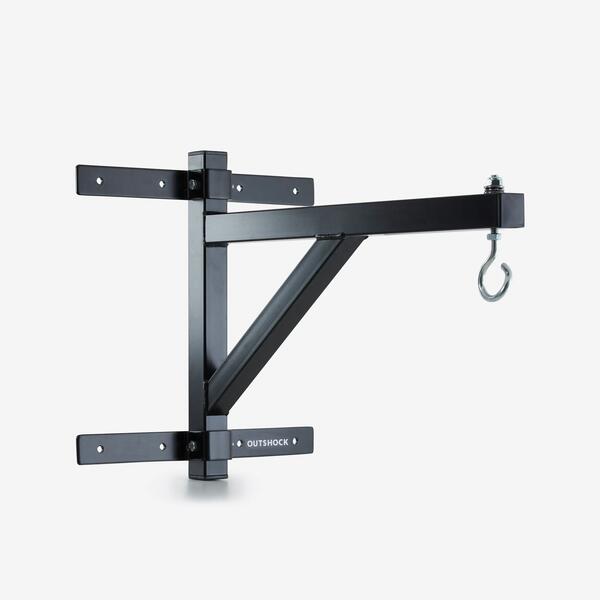
Wall brackets, ceiling hooks and stands for hanging a bag.
Thicker rubber tiles handle heavier lifting and set-down weights better than thin foam. Foam jigsaw mats are lighter and softer underfoot, which suits floor work and bodyweight training. Check the listed thickness and match it to how you train.
Measure the floor, the ceiling height and the space the car still needs. Racks and benches list their footprint, so mark it out with tape first. Leave room to load a bar and to step back from it.
Racks and stands list a maximum load, so check it covers what you own and what you plan to add. Keep the heaviest pieces on the lowest tiers. Clear walkways mean nobody trips over a stray plate.
If the garage still holds a car or bikes, fold-down racks and folding benches let you reclaim the floor after a session. Wall-mounted gear needs solid fixing points, so follow the product's installation guidance and get help if you are unsure.
You have cleared a corner and want a safe floor plus somewhere to put a few weights.
The car still parks there, so your gear needs to fold, stack or hang out of the way.
Your plates and dumbbells have outgrown the floor and need a proper home.
| Item | Why it matters | Tip |
|---|---|---|
| Rubber floor tiles | Protect the slab and soften the noise of set-down weights | Cover the whole area where you lift and set weights down |
| Exercise mat | Adds comfort for stretching and floor work | Roll it up after use so it stays clean |
| Squat or power rack | Lets you train with a bar more safely | Set the safety arms before every session |
| Dumbbell or plate rack | Keeps weights off the floor and easy to find | Store the heaviest pieces on the lowest tier |
| Weight bench | Opens up presses, rows and step-ups | A folding bench frees up space for the car |
| Wall bracket or hooks | Gets a bag off the floor and out of the way | Fix into solid structure and follow the product's guidance |
| Airflow and water | Garages can trap heat in warmer months | Open the door, train in cooler hours and keep water close |
Concrete is hard on equipment, on set-down weights and on your body during floor work. Rubber tiles absorb some of that impact, protect the slab and cut down on noise. If you mostly train with bodyweight or light dumbbells, a good exercise mat or foam jigsaw mats may be enough to start with.
It depends on what you lift and how often weights meet the floor. Thicker rubber gives more protection for heavier barbell work, while thinner tiles or foam suit lighter training. Check the thickness listed on each product and think about the heaviest thing you might set down hard.
Measure the ceiling height and compare it with the rack's listed height, then allow extra room overhead if you plan to do pull-ups. Some racks are shorter or fold flat against the wall. If space is tight, squat stands or a fold-down rack can be a better fit.
Use racks rated for the load and keep the heaviest pieces low. Dumbbell racks, weight trees and kettlebell racks keep everything off the floor so nobody trips. Keep the area clear of children and pets when you are not training.
It can be, as long as the wall and fixings can carry the load. Follow the product's installation guidance, fix into solid structure and ask a qualified tradesperson if you are unsure what your wall is made of. Check the fixings regularly once the gear is in use.
Start with a solid floor and a home for every weight, then add pieces as your training grows. We are here when you are ready.
Free delivery on orders over $150. Members get our lifetime warranty.