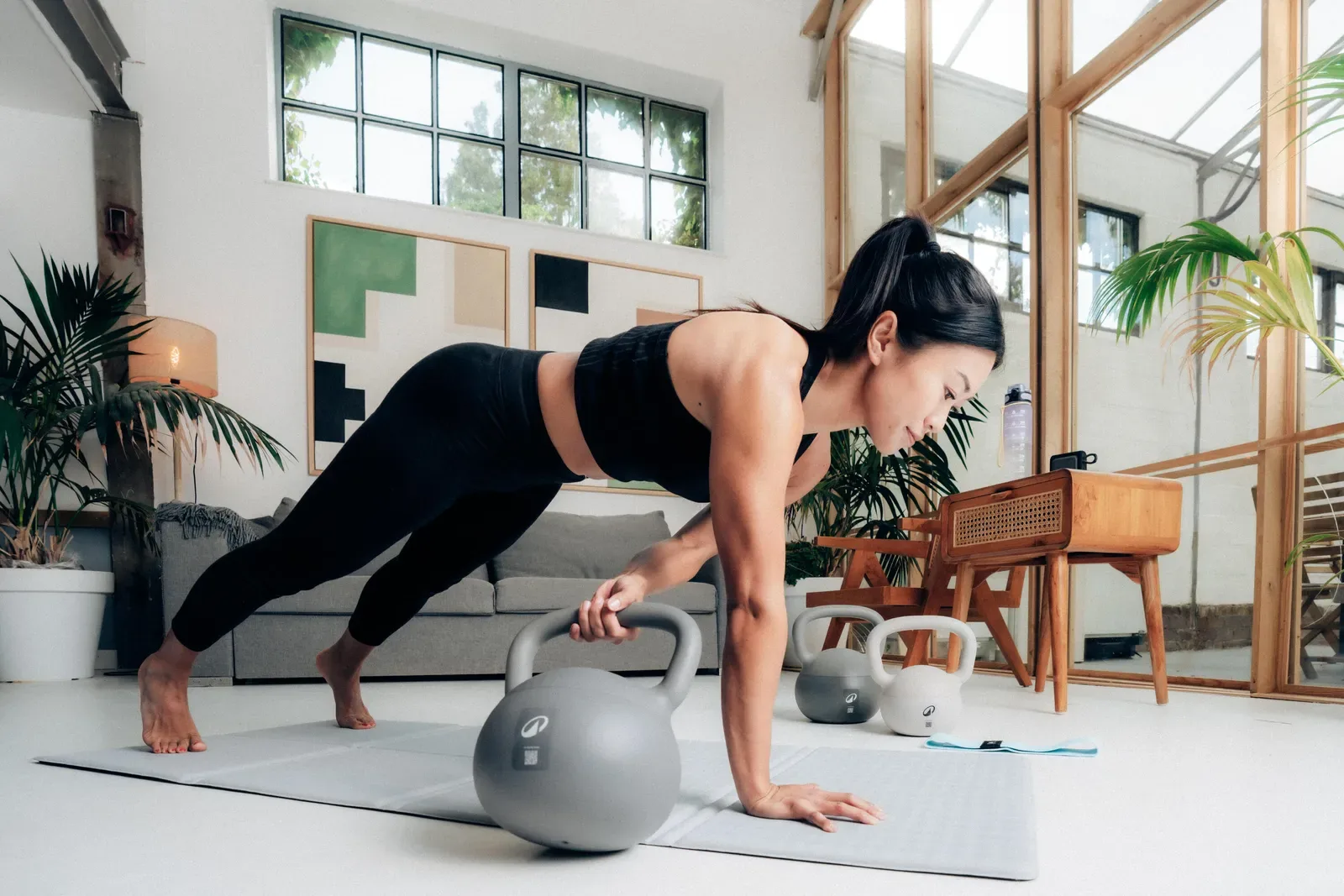
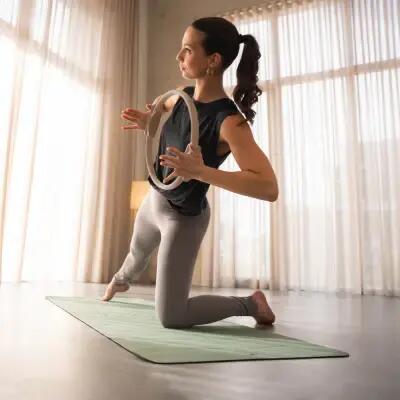
Busy people short on time
A kettlebell and a ball can run a full-body circuit in a short session. There is no machine to set up.
Functional training builds strength you use every day: lifting, carrying, twisting and pushing. Here is the gear we would choose for training this way at home, and how to fit it into a small space.
Six ranges for swinging, throwing, carrying and moving well.
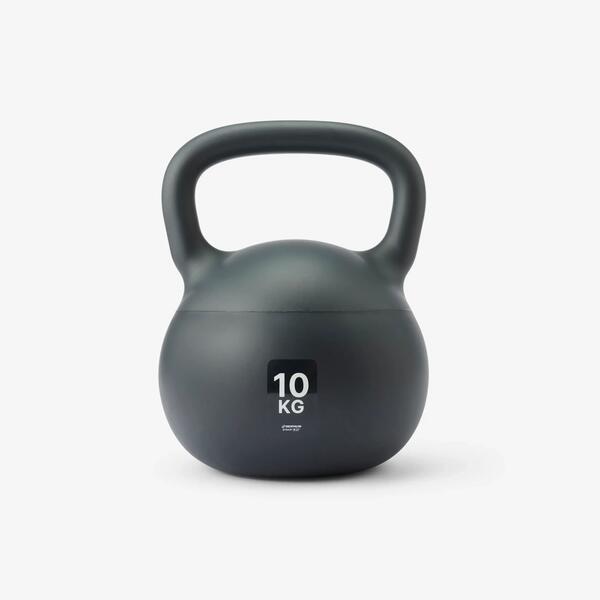
Cast iron, competition, soft and adjustable kettlebells.
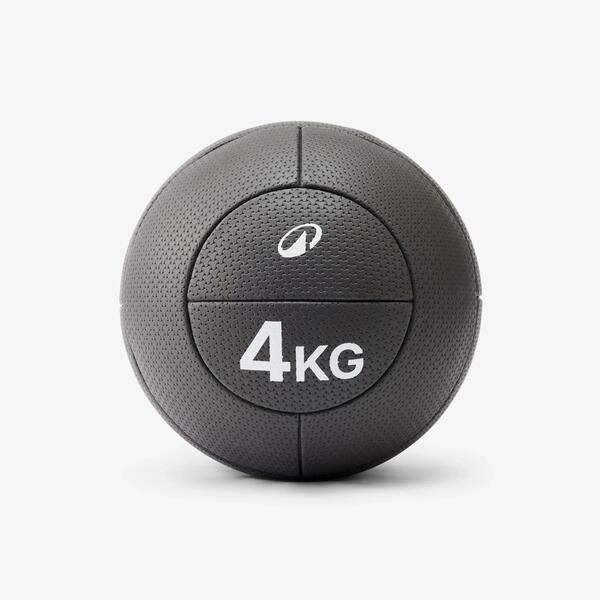
Medicine, slam and wall balls, plus some gym balls.
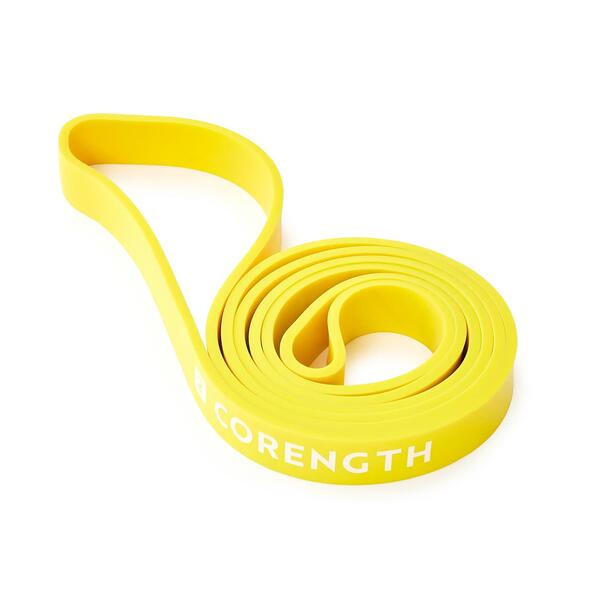
Loop, fabric and handled bands for every level.
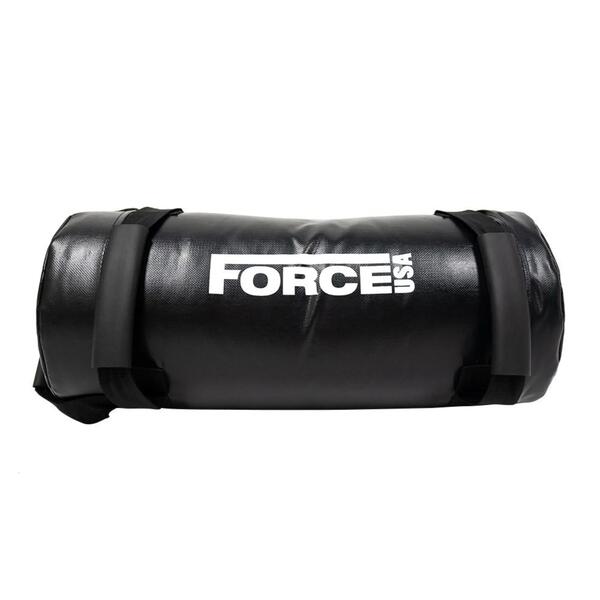
Sandbags, core bags and power bags for awkward loads.
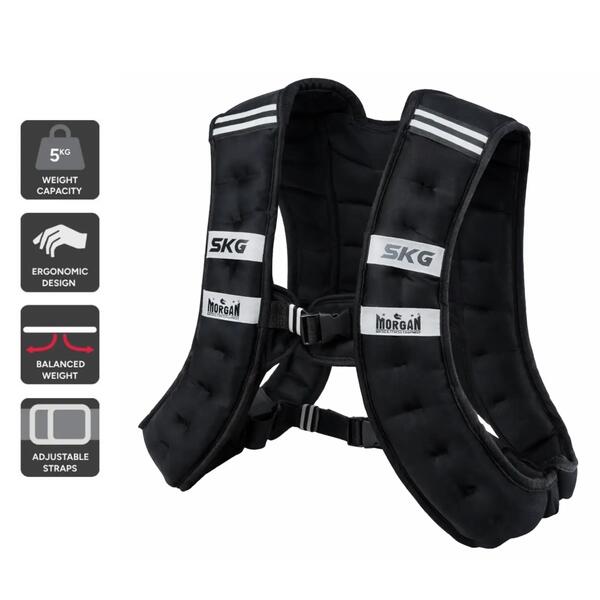
Adjustable and fixed vests for loaded walks and circuits.
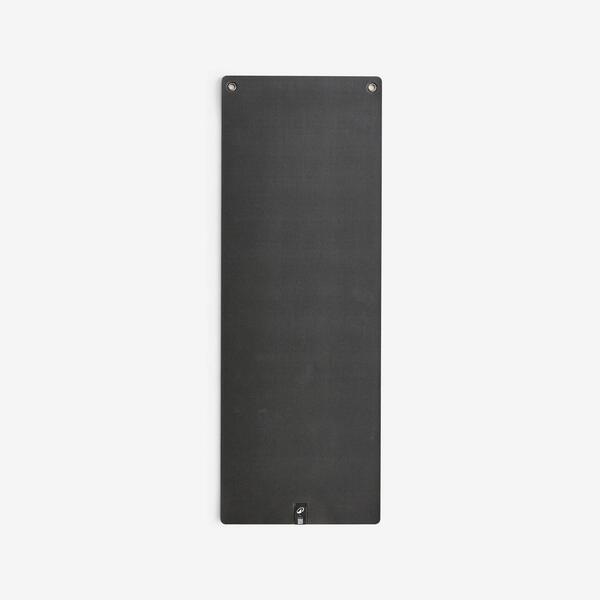
Fitness mats, jigsaw tiles and rubber gym flooring.
Choose loads you can move with good form for every rep. It is better to start light and build up than to grind through heavy sets. Adjustable kettlebells and vests let you grow without buying more.
Swings, slams and carries need clear room around you. Measure a spot away from furniture, windows and walls before you buy. An outdoor area or garage works well for throws.
Slams and set-downs are loud and hard on floors. Rubber tiles or a thick mat soften the impact. In an apartment, check your building's rules and train at sensible hours.
Bands, sandbags and soft kettlebells tuck away into a cupboard. Heavier bells and balls are easier to manage on a rack or low shelf. Keep everything off walkways when you finish.
A kettlebell and a ball can run a full-body circuit in a short session. There is no machine to set up.
Throwing, carrying and rotating moves support the way you move in sport. They also build general fitness for active weekends.
This kit covers a lot of ground for its size. It pairs well with a bench or dumbbells later on.
| Item | Why it matters | Tip |
|---|---|---|
| Kettlebell | Swings, squats, presses and carries | Learn the hip hinge before swinging heavier |
| Medicine ball | Throws, twists and core work | Pick a weight you can throw with speed |
| Slam ball | Powerful slams that don't bounce back | Use it on rubber flooring or outdoors |
| Sandbag or core bag | Awkward loads for carries and lifts | Start lighter, since shifting sand feels heavier |
| Resistance band | Light load for warm-ups and accessory moves | Anchor it securely before you pull |
| Weighted vest | Adds load to walks, lunges and circuits | Make sure it sits snug and doesn't bounce |
| Floor mat or tiles | Protects floors and cuts noise | Cover the full area where you drop or slam |
Functional training uses moves that look like everyday life: lifting, carrying, pushing, pulling and twisting. Instead of isolating one muscle, it trains several together. Kettlebells, medicine balls and sandbags suit it well because they make you control the load through a full range of motion.
A kettlebell is the most versatile first buy, since it covers swings, squats, presses and carries. A set of resistance bands adds variety for very little space. After that, a medicine or slam ball and a sandbag give you throwing and carrying work. A good floor mat or tiles protects your floor from day one.
Yes, with a few adjustments. Choose softer kit like soft kettlebells and bands, lay down a thick mat and skip slams and drops if noise travels. Check your building's rules and think about floor load before bringing in heavy equipment. Train at sensible hours to keep neighbours on side.
A medicine ball is often bouncy or firm, which suits passing, wall throws and twists. A slam ball is designed to absorb impact and not bounce back, so it suits overhead slams into the floor. Many people start with one medicine ball and add a slam ball once they have suitable flooring.
Pick a weight you can swing and squat with good form for a full set. If you are unsure, go lighter and focus on technique first, then move up. Adjustable kettlebells are handy if you want room to grow. If you are returning from injury or are pregnant, check with a health professional first.
A few well-chosen pieces cover most functional moves. Start with what suits your space and add as you go.
Free delivery on orders over $150. Members get our lifetime warranty.