Track Every Step with the Right Fitness Tracker Watch
Whether you're starting your fitness journey or tracking regular workouts, a fitness tracker watch can help you stay motivated. Beginners may prefer simple activity tracking, while more advanced users can benefit from features that monitor workouts, heart rate and daily progress. Discover Decathlon Australia's fitness tracker watches and find the features that suit your goals.
What to consider when choosing a fitness tracker watch
Tracking type
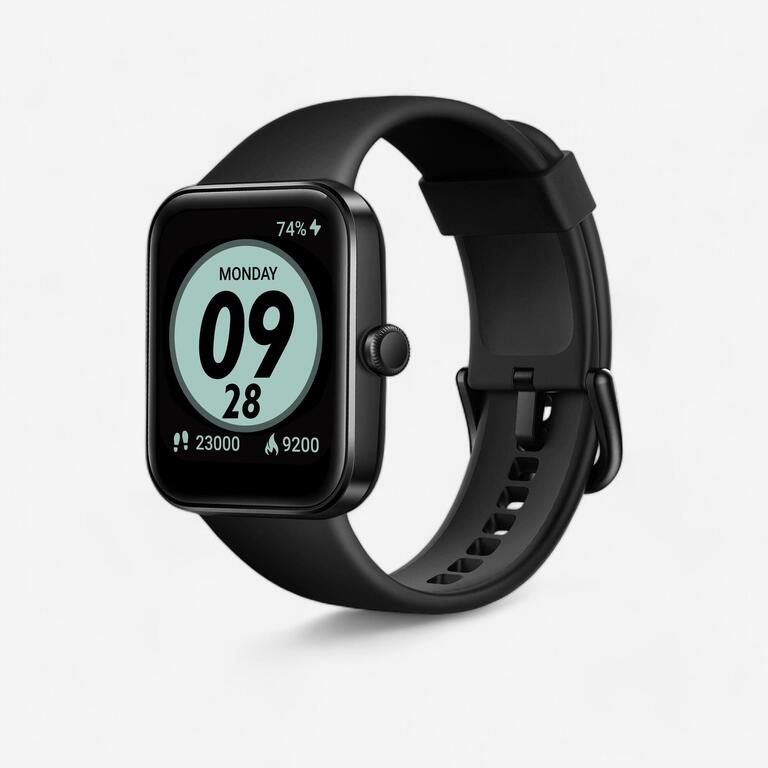
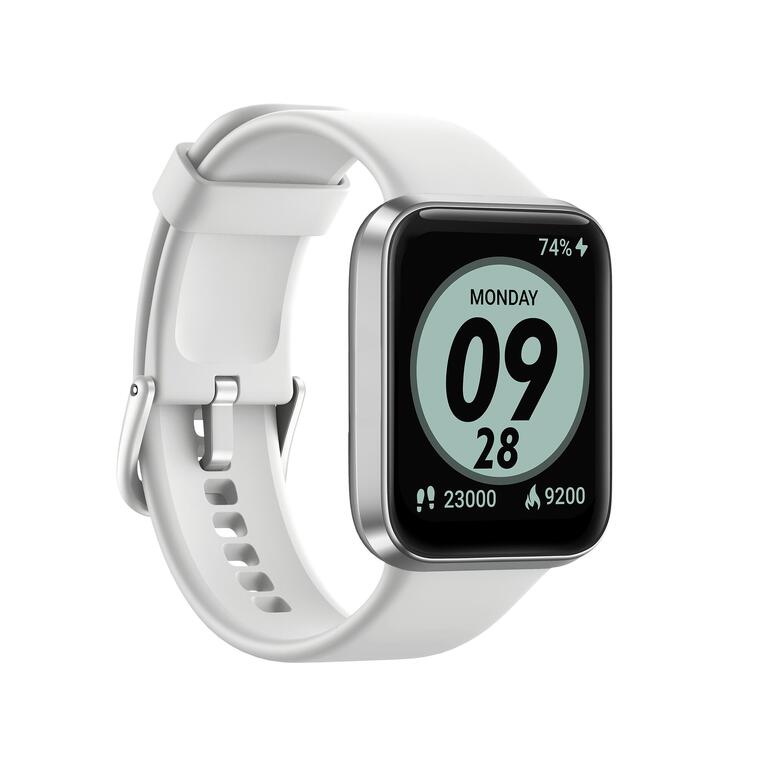
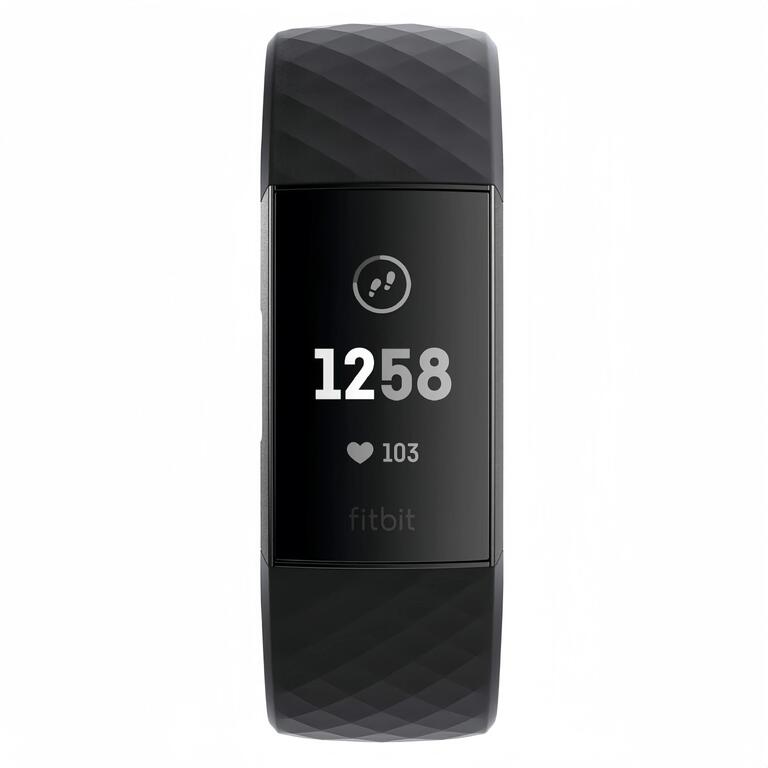
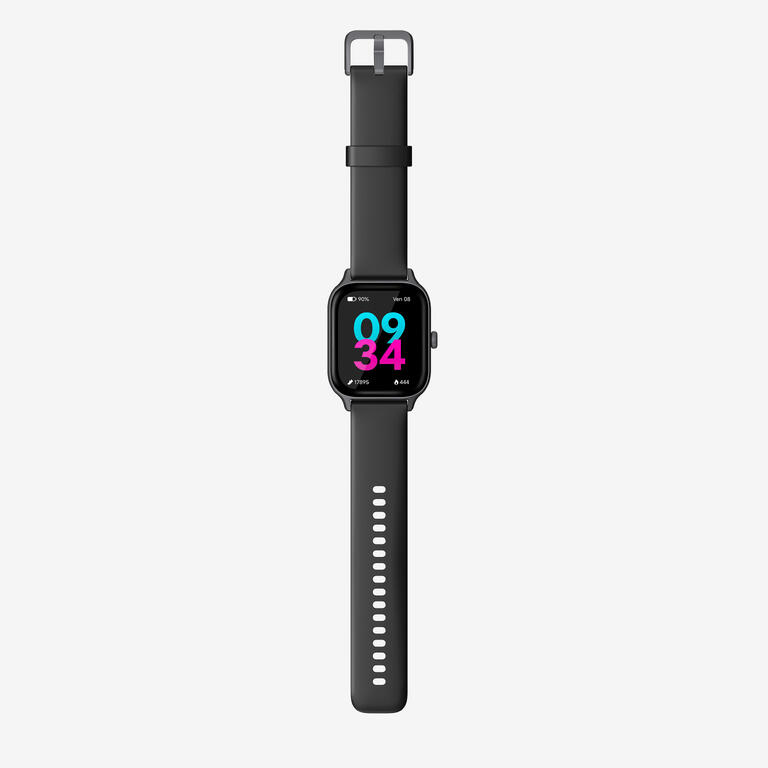
Decide what you want to track. The FIT100 uses built-in GPS for distance, pace and routes. The CW500 skips GPS and instead tracks wrist heart rate across 13 sports. The NNE Living tracker keeps it to everyday steps and wellness. Match the watch to the data you'll actually use, not the longest feature list.
Heart rate and health
Decide how much health data you want. The CW500 tracks wrist heart rate across 13 sports, plus sleep, stress and SpO2. The FIT100 focuses on GPS activity. The NNE Living tracker keeps to the basics. If you train by heart-rate zones, the CW500 is the pick. If you mainly want distance and pace, GPS matters more than HR.
Battery life
Battery length decides how often you charge. The CW500 runs about a week per charge, so it can track sleep without a nightly top-up. GPS models drain faster when you're tracking routes. If you want set-and-forget wear, longer battery wins. If you mostly track sessions, shorter battery is less of an issue.
Comfort and fit
A tracker earns its keep only if it's comfortable enough to wear constantly. A light case and secure band keep it in place through workouts and sleep. The CW500's touchscreen and button make it easy to check on the move. If you'll wear it overnight for sleep data, comfort matters most. For daytime-only wear, fit is more flexible.
People getting started with tracking. The basic fitness tracker watch keeps things simple with step counting and activity monitoring without overwhelming you. It's straightforward to use and maintain, brilliant if you just want to start building awareness of your daily movement.
Regular fitness enthusiasts. The mid-range fitness tracker watch is designed for frequent daily use. The responsive tracking and durable construction protect your data during regular workouts, while extended battery life supports consistent monitoring throughout your active routine.
Dedicated fitness enthusiasts. The advanced fitness tracker watch is suited to people who train regularly and want more detailed insights. Features such as GPS, advanced activity modes and additional sensors can help support a wider range of fitness activities.
Looking after your fitness tracker watch
Charge your fitness tracker watch regularly according to the manufacturer's recommendations. After exercise, wipe it clean with a soft, damp cloth to remove sweat and allow it to dry completely before wearing or storing it again. Store your watch in a cool, dry place away from direct sunlight when not in use, and avoid exposing it to unnecessary moisture or extreme temperatures. Decathlon fitness tracker watches are backed by a 2-year warranty for added peace of mind.
Fitness tracker watches by type
Type
Best for
Basic and entry-level watches
People exploring fitness basics. Step tracking without complexity for casual use.
Daily fitness tracking, all-round activity monitoring, home and on-the-go.
Mid-range feature watches
Running, cycling, outdoor training and GPS tracking.
Does a fitness tracker watch need GPS to track distance?
Some models have built-in GPS and map your real distance and route. Others estimate distance from your step count, which is fine for daily activity but less exact for runs. If accurate distance matters, choose the GPS model.
How accurate is wrist heart rate for training?
Wrist heart rate is reliable for tracking effort and daily trends across multiple sport modes. For steady activity it's accurate; during short, sharp intervals a chest strap still reads faster changes better. For most training and all-day monitoring, the wrist sensor does the job.
Which fitness tracker is best for sleep tracking?
How often do I need to charge a fitness tracker watch?
What's the difference between a fitness tracker and a smartwatch?
For sleep tracking, pair sleep stages with heart rate, stress and SpO2 data. A longer battery life is essential so it stays on overnight without nightly charging. This makes reliable sleep tracking practical.
It depends on the model and features. The CW500 lasts about a week per charge. GPS models like the FIT100 drain faster when you're actively tracking routes. If you want to wear it overnight for sleep without daily charging, longer battery life is the deciding factor.
A fitness tracker is built around activity, heart rate and sleep, with long battery life and a simple focus. A smartwatch adds apps, calls and a richer screen, but needs charging more often. If your goal is tracking your health rather than replacing your phone, a fitness tracker fits better.
Track What Matters to You
Want to know how much you're actually moving each day? Our fitness tracker watches give you reliable data across different activity levels. Tested by real Australians doing their thing, built to handle the rigours of daily life, and backed by a 2-year warranty so you can track with confidence.
 All SportsMenWomenKidsAccessoriesEquipment and LeisureHealth & NutritionBest DealsNew ArrivalsMarketplace
 Hiking & Trekking
 Swimming
 Cycling
 Fitness (Yoga/Pilates)
 Camping
 Running