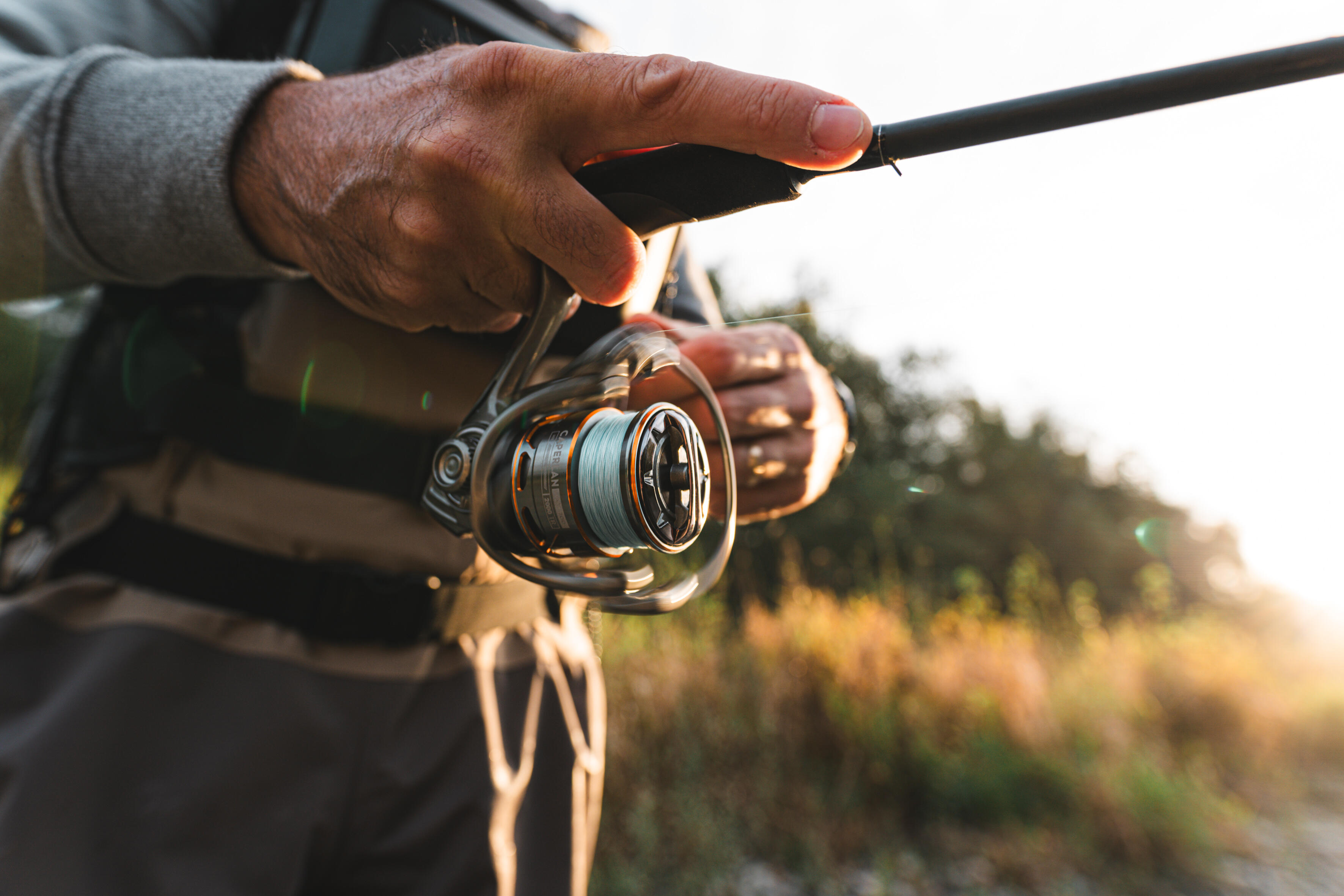
A fishing reel is the engine of your fishing setup, handling the cast and the fight. It needs to be smooth, reliable and matched to your rod and fishing style. Whether you're fishing casually or targeting specific species, the right reel delivers smoother casting, better control and more confident fish handling.
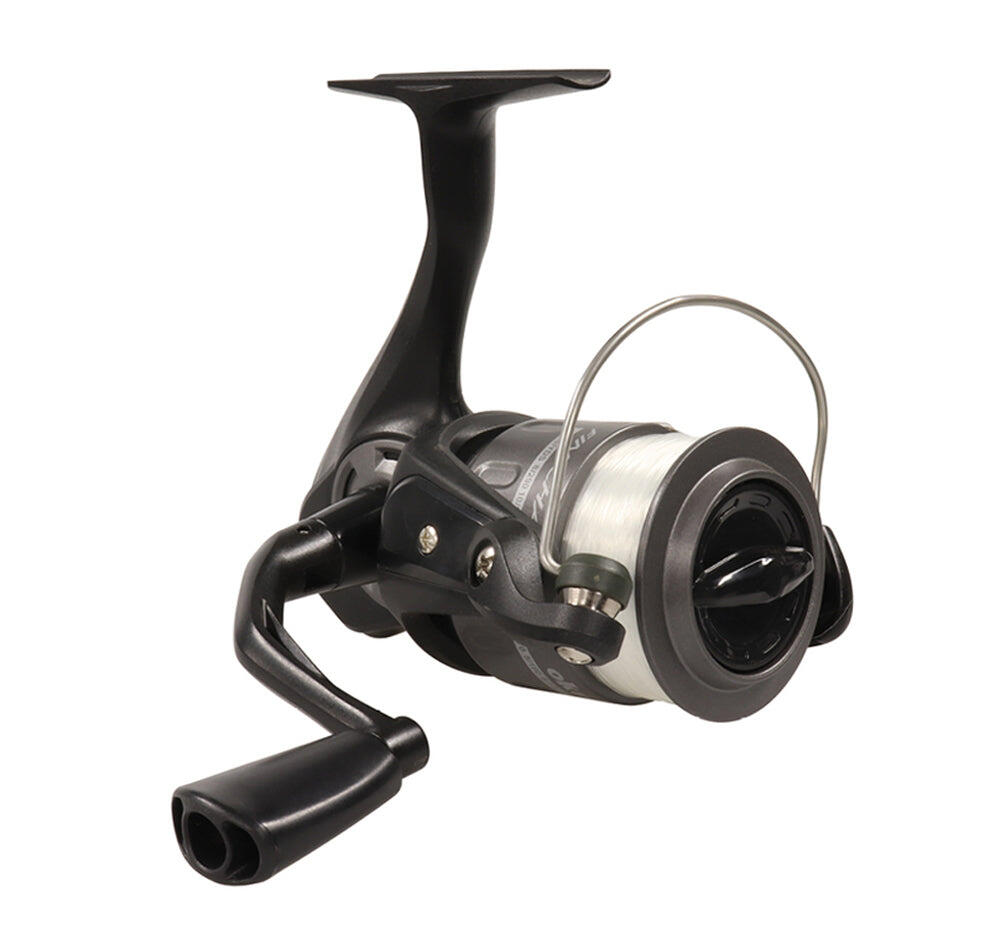
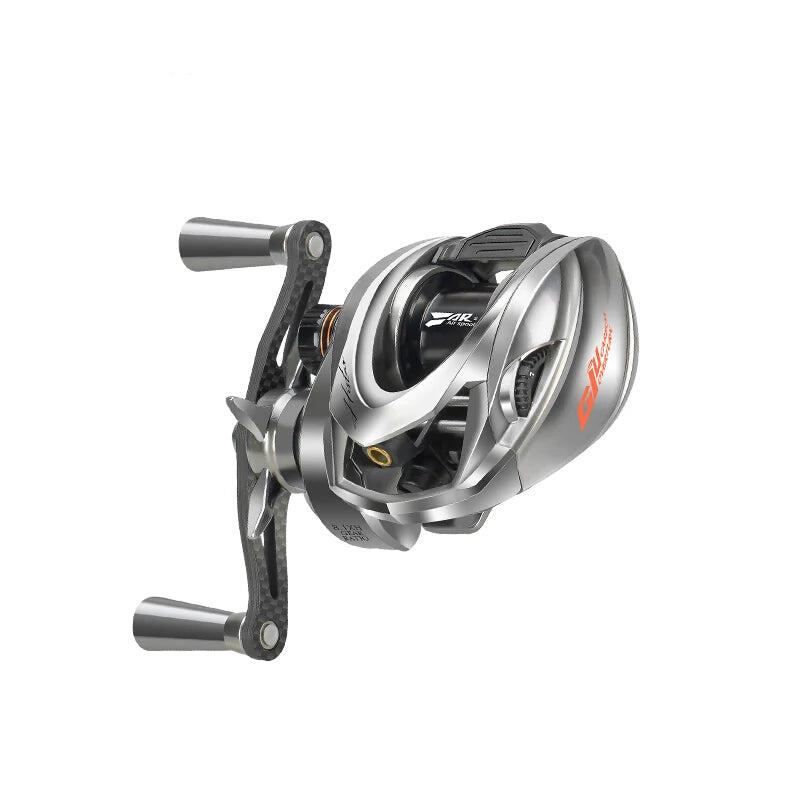
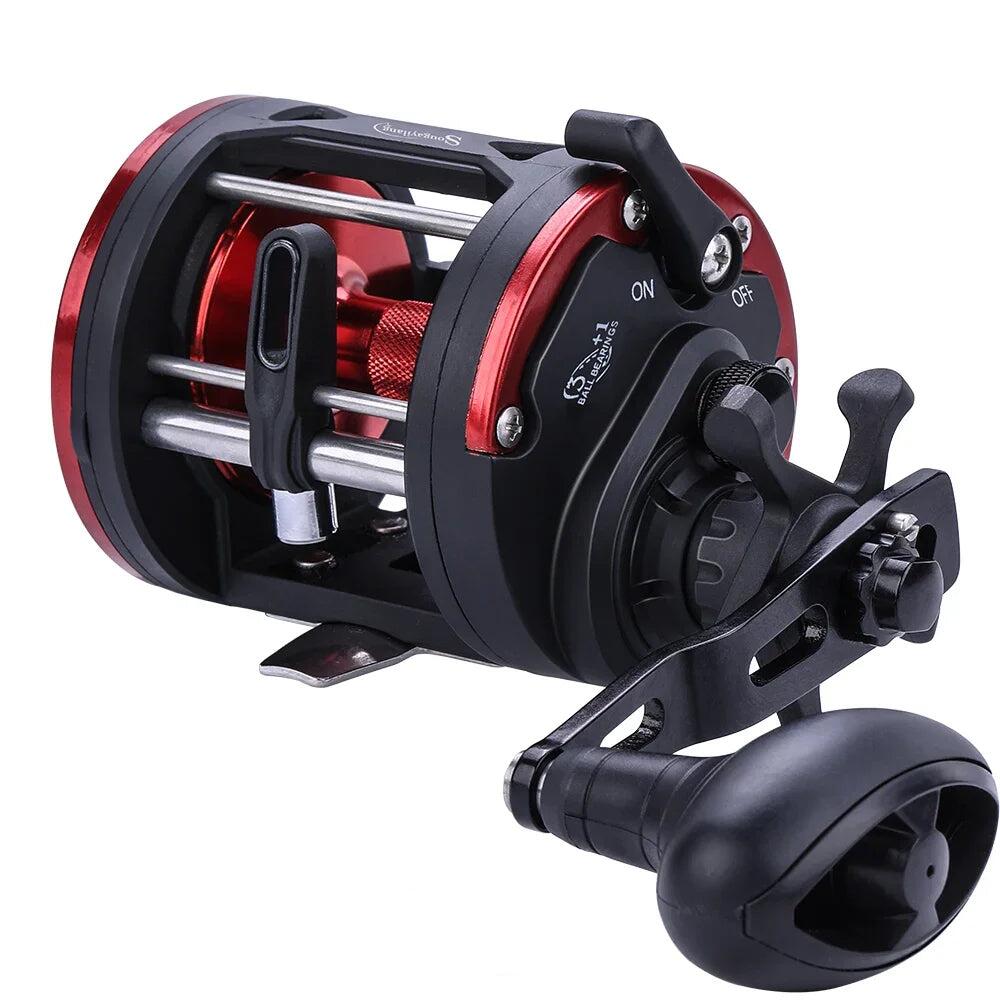
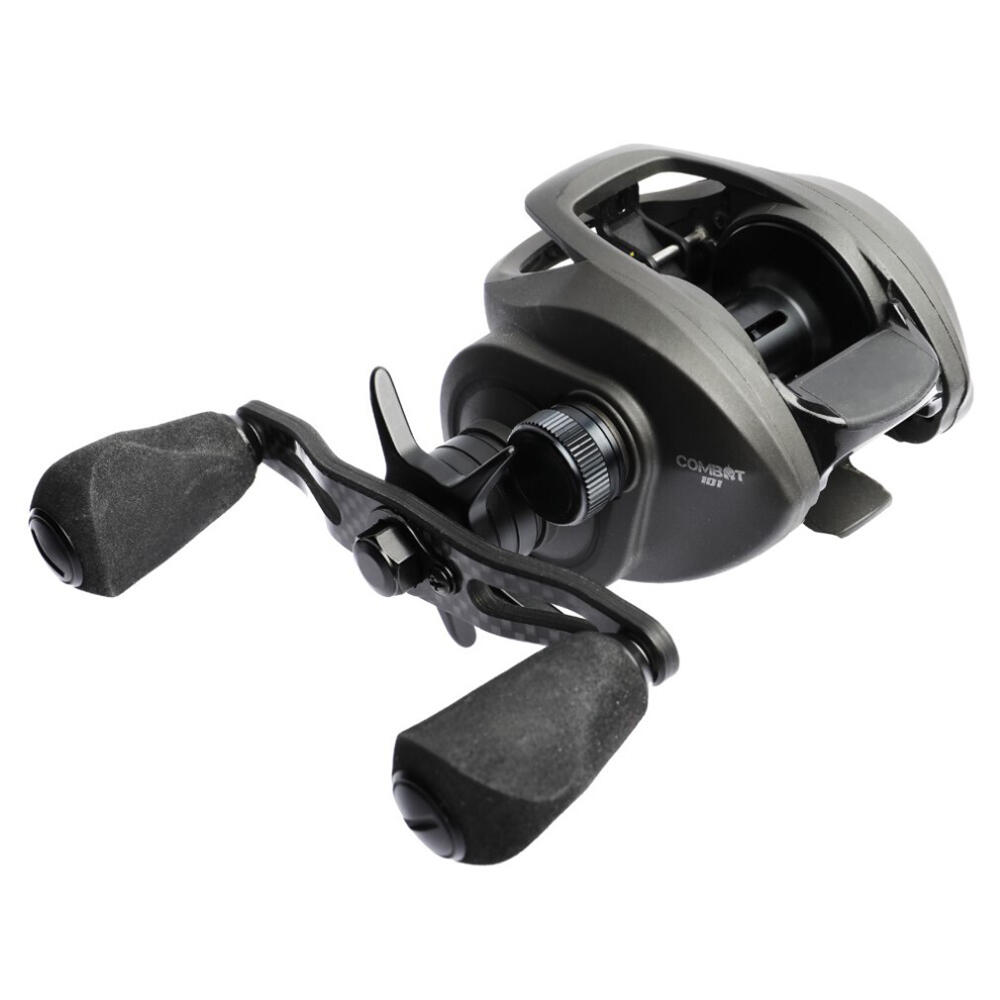
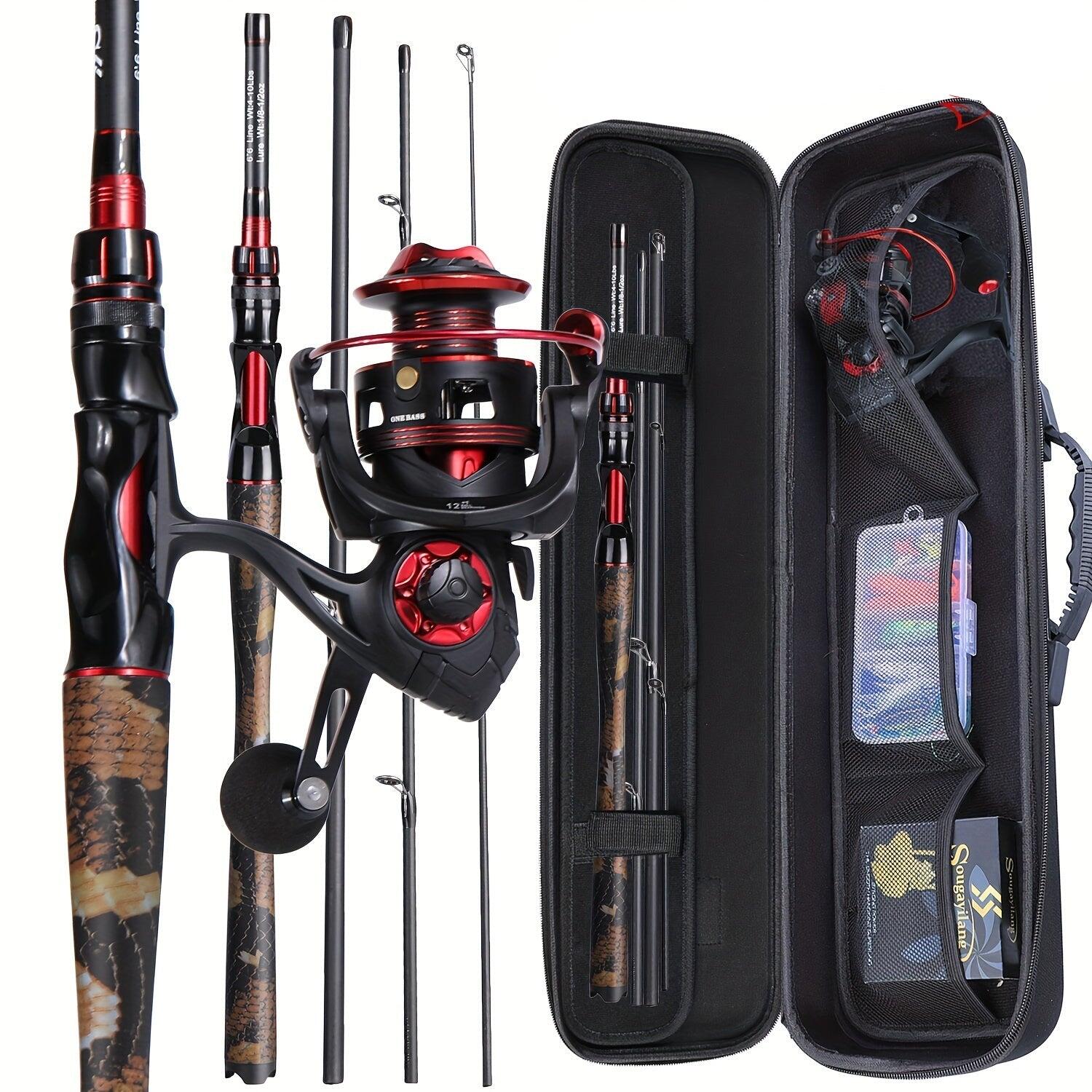
Different reel types suit different fishing techniques and experience levels. Spinning reels are versatile and easy to use, baitcaster reels offer greater casting control for experienced anglers, while overhead reels are commonly used for larger fish and offshore fishing. Choose a reel that matches your preferred fishing style and skill level.
Reel Size
Reel size affects the amount of line the reel can hold and the type of fish it's designed to target. Smaller reels are ideal for lighter tackle and freshwater fishing, while larger reels provide the line capacity and strength needed for bigger species and saltwater conditions. Match the reel size to your rod, line and target fish for balanced performance.
Drag System
A smooth drag system helps control powerful fish by allowing the line to release steadily under pressure. The right drag setting reduces the risk of line breakage while giving you better control throughout the fight. Look for a reel with a reliable drag system that suits the size and strength of the fish you plan to catch.
Durability and Corrosion Resistance
Fishing reels are exposed to water, sand and regular outdoor use, so durable construction is essential. Corrosion-resistant materials and sealed components help protect the reel in both freshwater and saltwater environments, improving reliability and extending its performance over time.
Recreational Fishers. Perfect for relaxed fishing trips at lakes, rivers or local piers. A reliable fishing reel offers smooth casting and easy handling, making every outing more enjoyable.
Freshwater Anglers. Designed for those targeting freshwater species in rivers, lakes and dams. Choose a fishing reel that balances smooth performance, durability and control for your preferred fishing style.
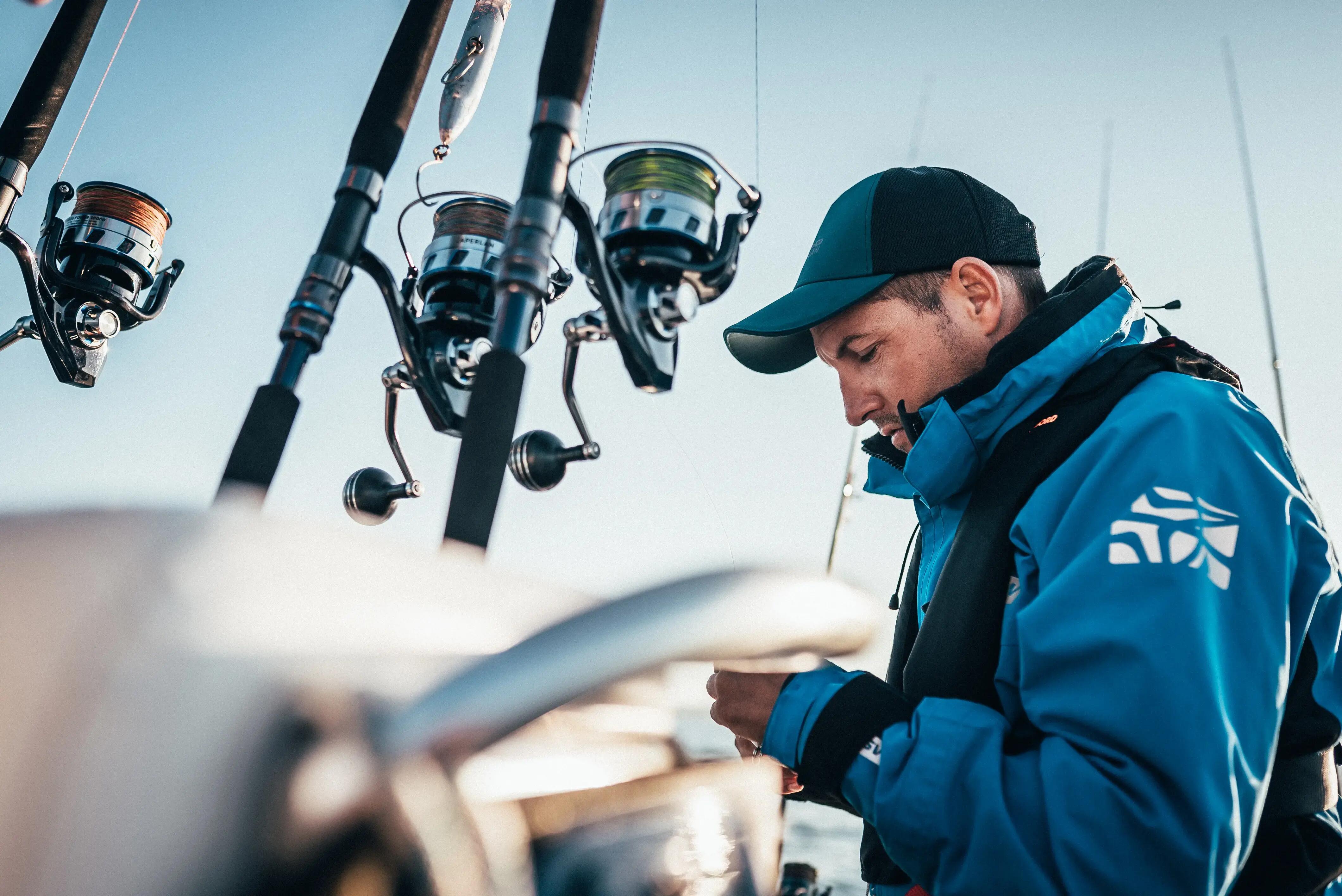
Saltwater Fishers. Fishing in coastal or offshore environments requires reels built to handle tougher conditions. Look for corrosion-resistant designs with the strength and reliability needed for saltwater fishing.
Caring for fishing reels
Rinse thoroughly with fresh water after every outing, especially saltwater trips, as salt causes rapid internal bearing corrosion. Dry completely before storing. Release the drag before extended storage to prevent sustained pressure on internal components. Never submerge the entire reel. Store in a protective case in a cool location. Check that the bail clicks smoothly and line feeds without resistance.
What's the difference between a spinning reel and a baitcasting reel?
Spinning reels are easy to use and a popular choice for beginners, offering smooth casting with a lower risk of tangles. Baitcasting reels provide greater casting accuracy and control, making them well suited to experienced anglers using heavier lines and lures.
What does gear ratio mean on a fishing reel?
Gear ratio refers to how much line is retrieved with each turn of the handle. Higher gear ratios retrieve line more quickly, making them suitable for faster fishing techniques, while lower gear ratios provide more cranking power when retrieving larger lures or fighting bigger fish.
How many ball bearings does a fishing reel need?
Can I use any fishing reel with any fishing rod?
Do fishing reels require regular maintenance?
Ball bearings help a fishing reel operate more smoothly, but quality is just as important as quantity. A well-built reel with fewer high-quality bearings can perform better than one with a larger number of lower-quality bearings. Consider the overall construction and intended use rather than focusing only on the bearing count.
Not always. Fishing reels should be matched to the rod's reel type, size and line rating to ensure balanced performance and comfortable handling. Choosing a compatible reel and rod helps improve casting, retrieval and overall fishing experience.
Yes. Cleaning your fishing reel after use, especially following saltwater fishing, helps remove dirt, sand and salt that can affect performance over time. Regular care and occasional lubrication of moving parts can also help keep your reel operating smoothly and extend its lifespan.
Find the Reel That Matches Your Style
A well-matched fishing reel helps improve casting, retrieval and control, making every fishing trip more enjoyable. From versatile spinning reels to powerful baitcasters and overhead reels, the right choice depends on where you fish and the techniques you use. A dependable reel is an essential part of a balanced fishing setup, ready for every cast.
 All SportsMenWomenKidsAccessoriesEquipment and LeisureHealth & NutritionBest DealsNew ArrivalsMarketplace

 Hiking & Trekking
 Swimming
 Cycling
 Fitness (Yoga/Pilates)
 Camping
 Running