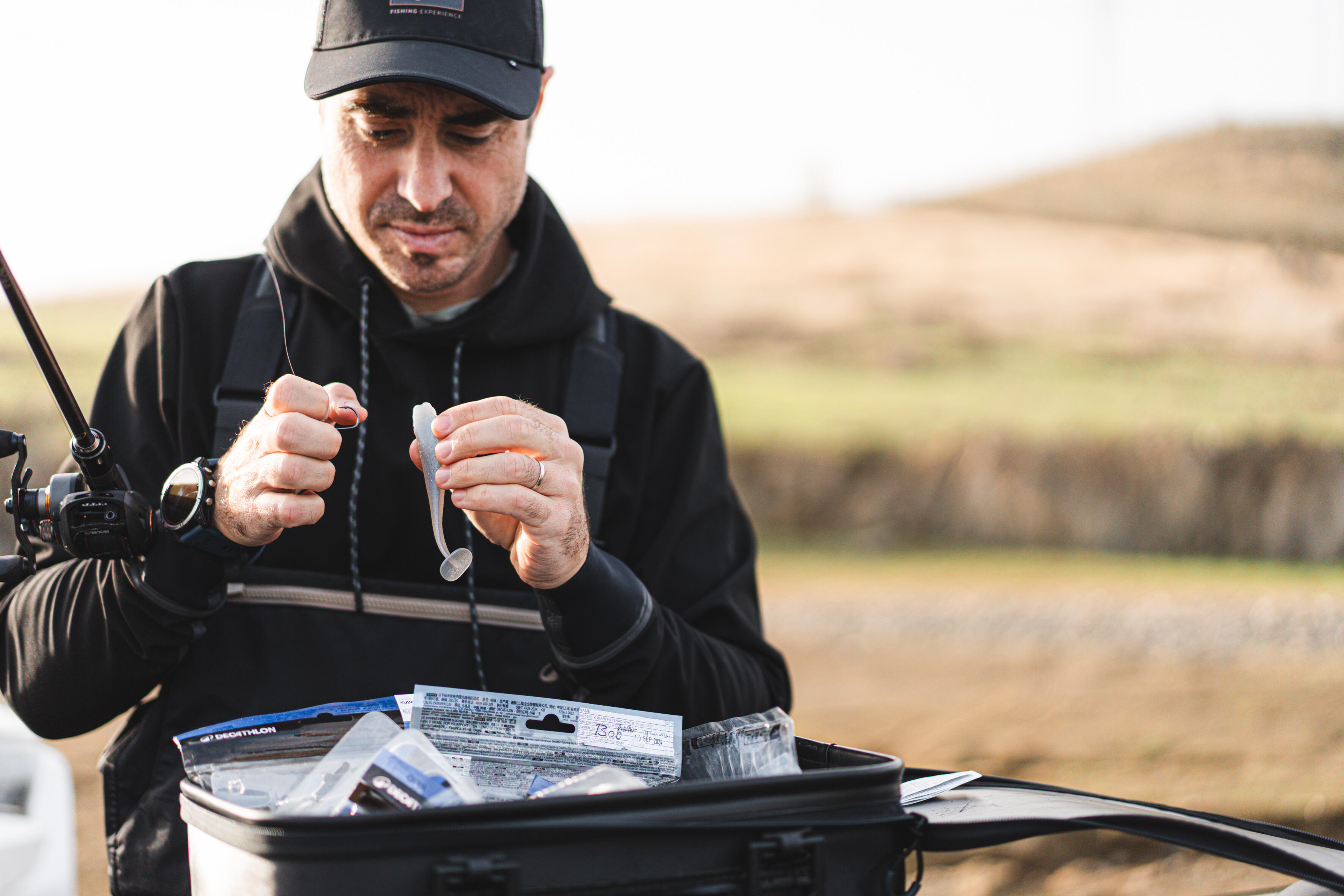
Lures are about triggering strikes through action and presentation. Different fish respond to different shapes, colours and movements depending on where you're fishing and what's in the water. Building a collection of trusted lures in various styles gives you options to match conditions and increase your chances of success.
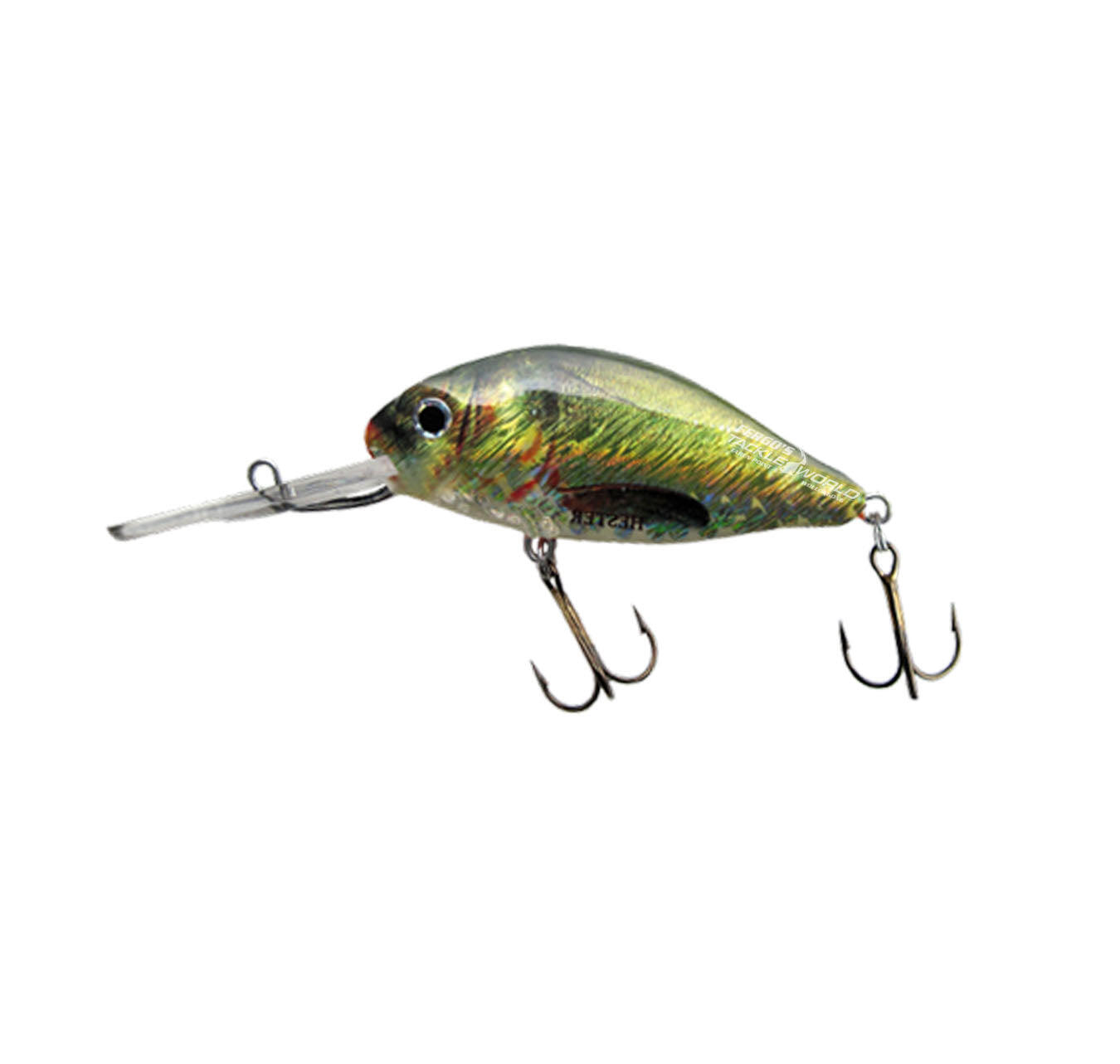
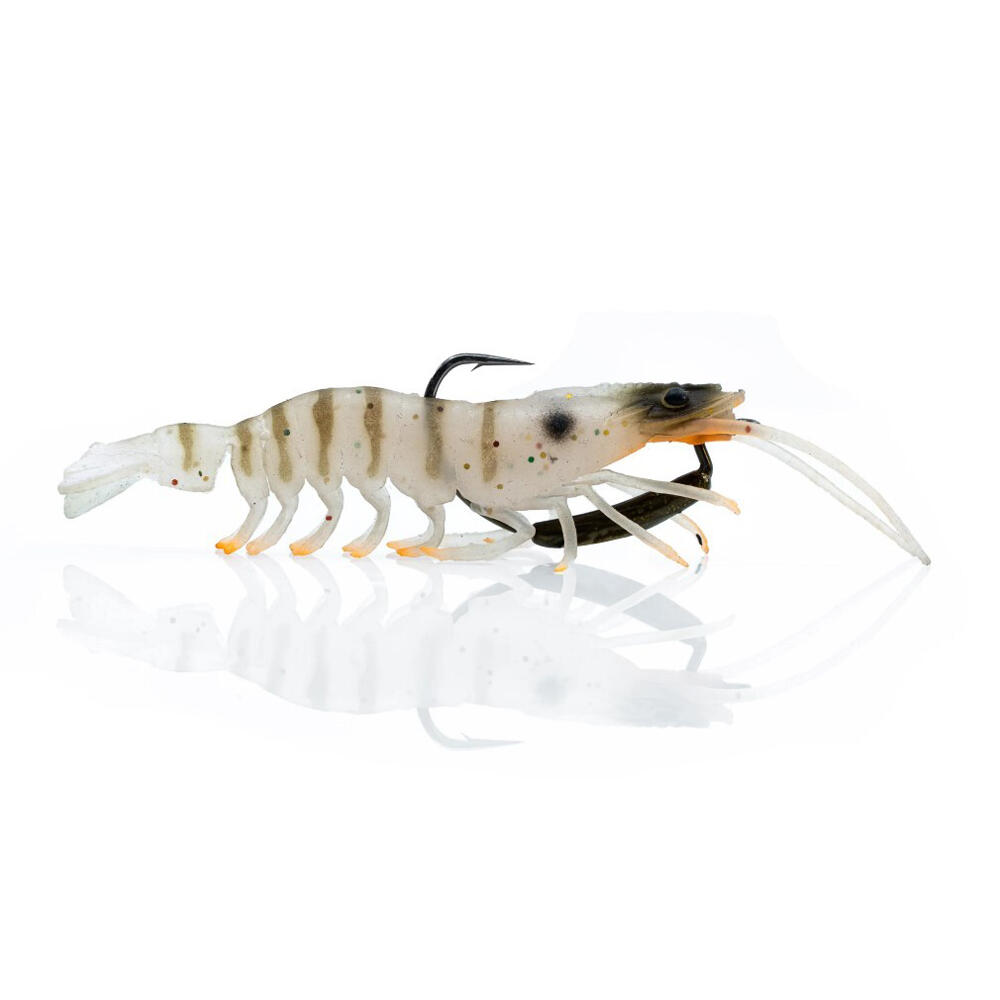
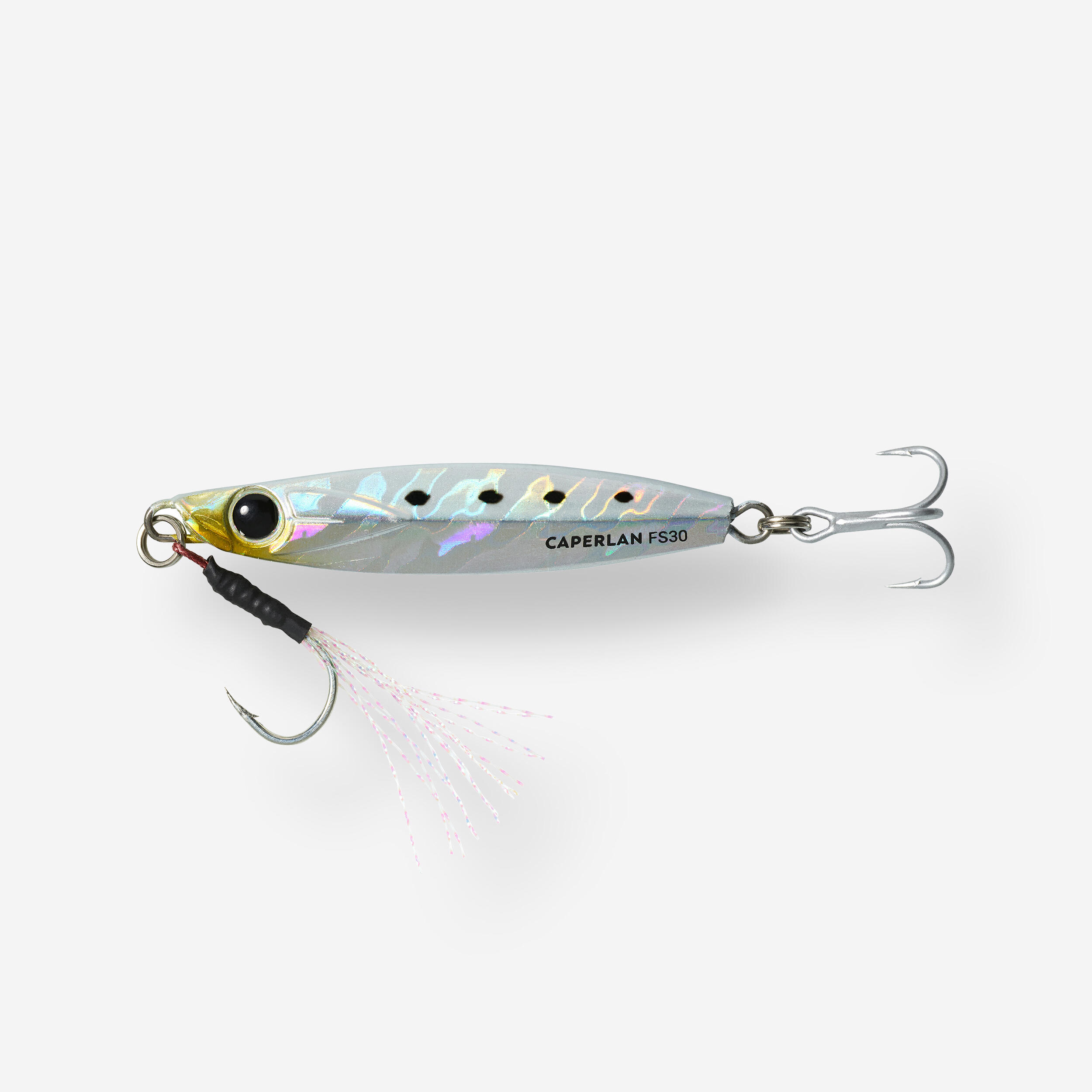
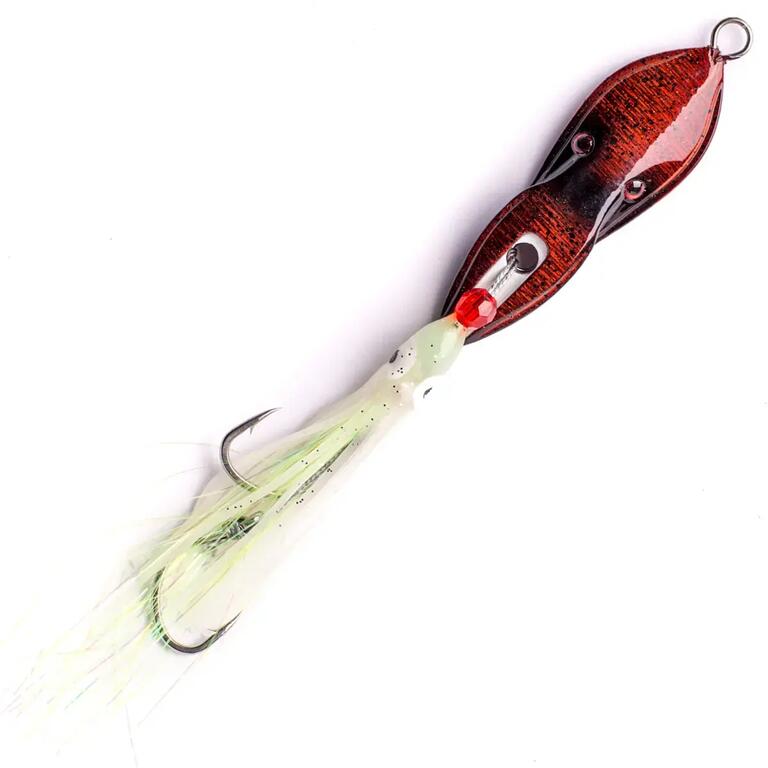
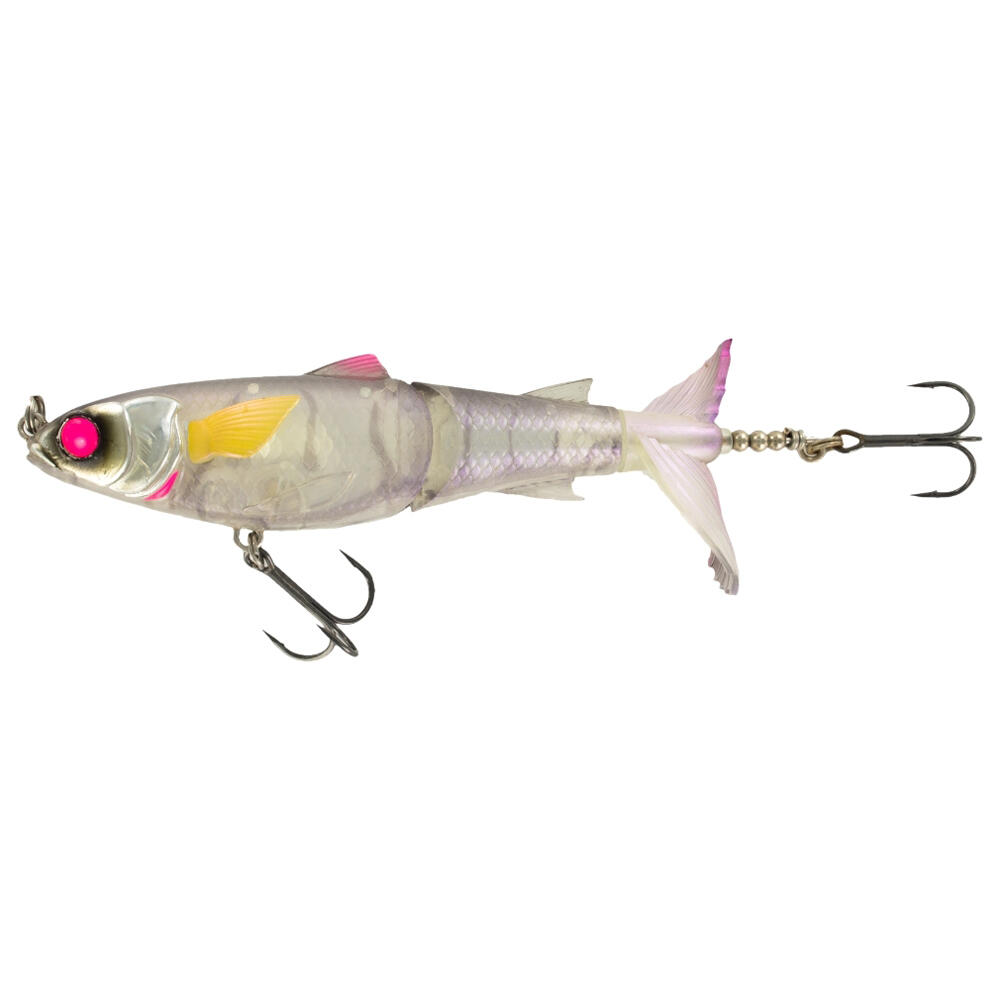
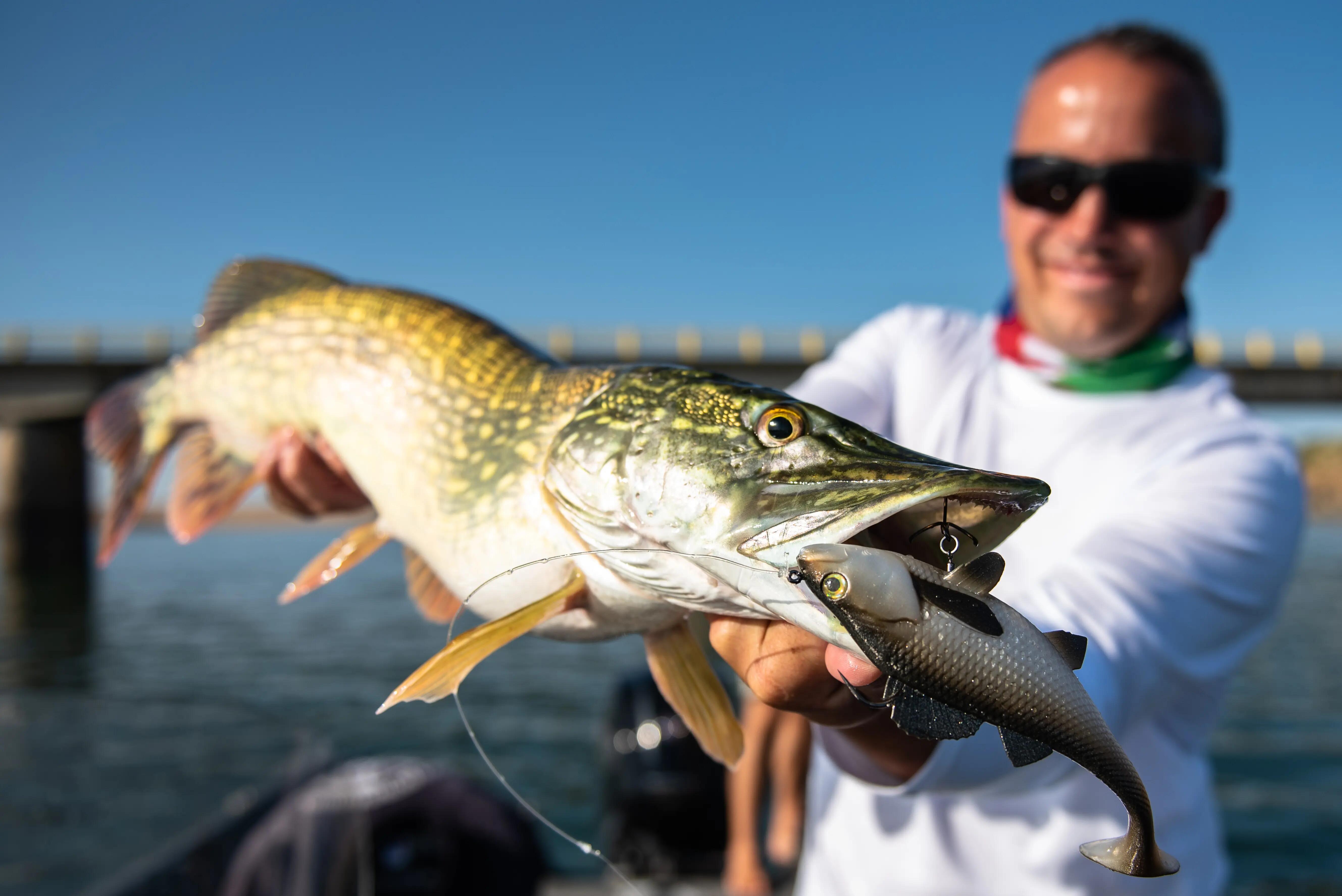
Hard lures, such as crankbaits and hard-bodies, rely on their built-in action and diving depth to attract fish, while soft lures, like soft plastics, mimic natural movement and are usually fished with a jig head. Matching lure type to your target species and fishing technique makes a real difference in how effectively it's presented in the water.
Colour
Lure colour choice generally comes down to water clarity and light conditions. Brighter, more vibrant colours stand out better in murky or stained water, while natural, more subdued tones blend in better in clear water where fish are more selective. Matching colour to local baitfish can also improve results, particularly in clear conditions.
Diving Depth
Diving depth determines where in the water column a lure works best, and it's usually listed on the packaging or specs. Shallow-diving lures suit fish holding near the surface or in shallow water, while deep-diving lures reach fish sitting lower in the water column, such as around structure or drop-offs.
Action and Movement
The way a lure moves through the water, whether it wobbles, darts or has a tight vibration, affects how attractive it is to fish in different conditions. Slower, subtler actions often work better in cold or clear water, while faster, more erratic movements can trigger strikes in warmer or murkier conditions.
Recreational Fishers. Perfect for relaxed fishing trips in lakes, rivers or along the coast. Versatile fishing lures make it easy to target a range of species while trying different retrieval techniques.
Target Species Anglers. If you're fishing for a specific species, choosing the right lure can improve your chances of success. Match the lure's size, action and colour to the fish you're aiming to catch.
Technique-Focused Anglers. Ideal for fishers who enjoy experimenting with different lure styles and presentations. Carrying a variety of lure styles helps you adapt to changing water conditions and fish behaviour.
Caring for fishing lures
Store fishing lures in a dry tackle box with separate compartments to help prevent hooks from tangling and finishes from becoming damaged. After each trip, especially in saltwater, rinse them with fresh water and allow them to dry completely before putting them away. Check hooks regularly for signs of rust or wear, and replace them when needed to keep your lures performing at their best.
What's the difference between hard lures and soft plastic lures?
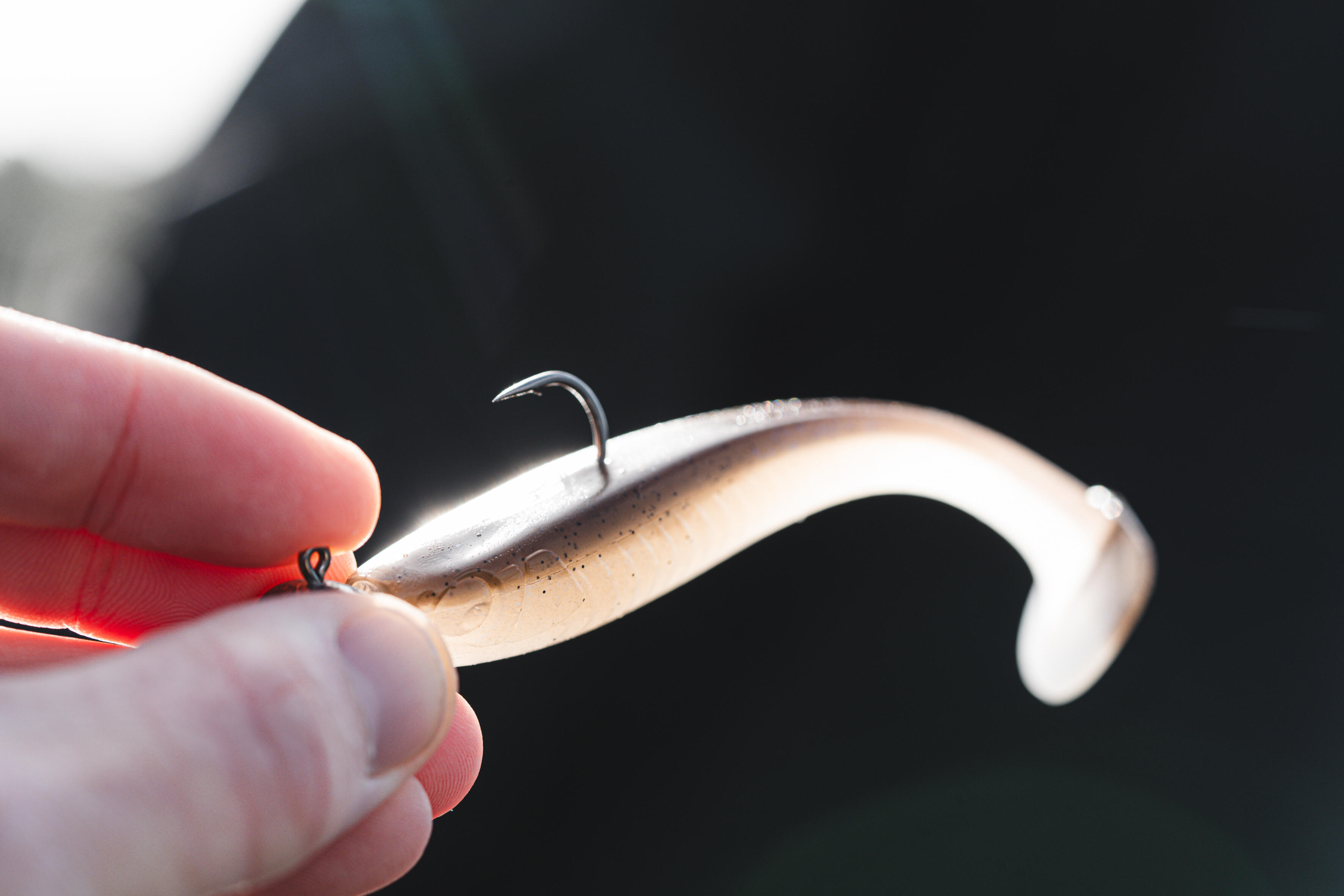
Hard lures have a fixed body and are designed to create movement through actions such as wobbling or diving. Soft plastic lures are more flexible and imitate natural prey, offering versatile rigging options to suit different fishing techniques and target species.
How do I choose the right lure colour?
The best lure colour depends on water clarity, light conditions and the species you're targeting. Bright colours are often easier to see in murky water, while natural colours can be more effective in clear conditions where fish are feeding more selectively.
What lure depth should I choose?
Do soft plastic lures need a specific hook?
How many fishing lures should I carry?
Choose a lure that matches the depth where fish are most active. Shallow-diving lures are ideal for surface and near-surface fishing, while deeper-diving lures are designed to reach fish holding further down the water column. Product specifications usually indicate the lure's diving depth.
Yes. Soft plastic lures are typically paired with jig heads or worm hooks that match the lure's size and the species you're targeting. Choosing the right hook helps improve lure action, hook-up rates and overall performance.
Carrying a selection of lure types, sizes and colours gives you more flexibility to adapt to changing conditions and target different species. A small range of proven lures is often more practical than carrying an oversized collection.
Stock Up for Your Next Trip
The right mix of lure types, sizes and colours helps you adapt to changing water clarity, light and target species throughout the day. Keeping a variety of lure types on hand makes it easier to adapt to changing water conditions, target species and fishing techniques throughout the day. Explore our fishing lures to build a tackle box ready for anything.
 All SportsMenWomenKidsAccessoriesEquipment and LeisureHealth & NutritionBest DealsNew ArrivalsMarketplace

 Hiking & Trekking
 Swimming
 Cycling
 Fitness (Yoga/Pilates)
 Camping
 Running