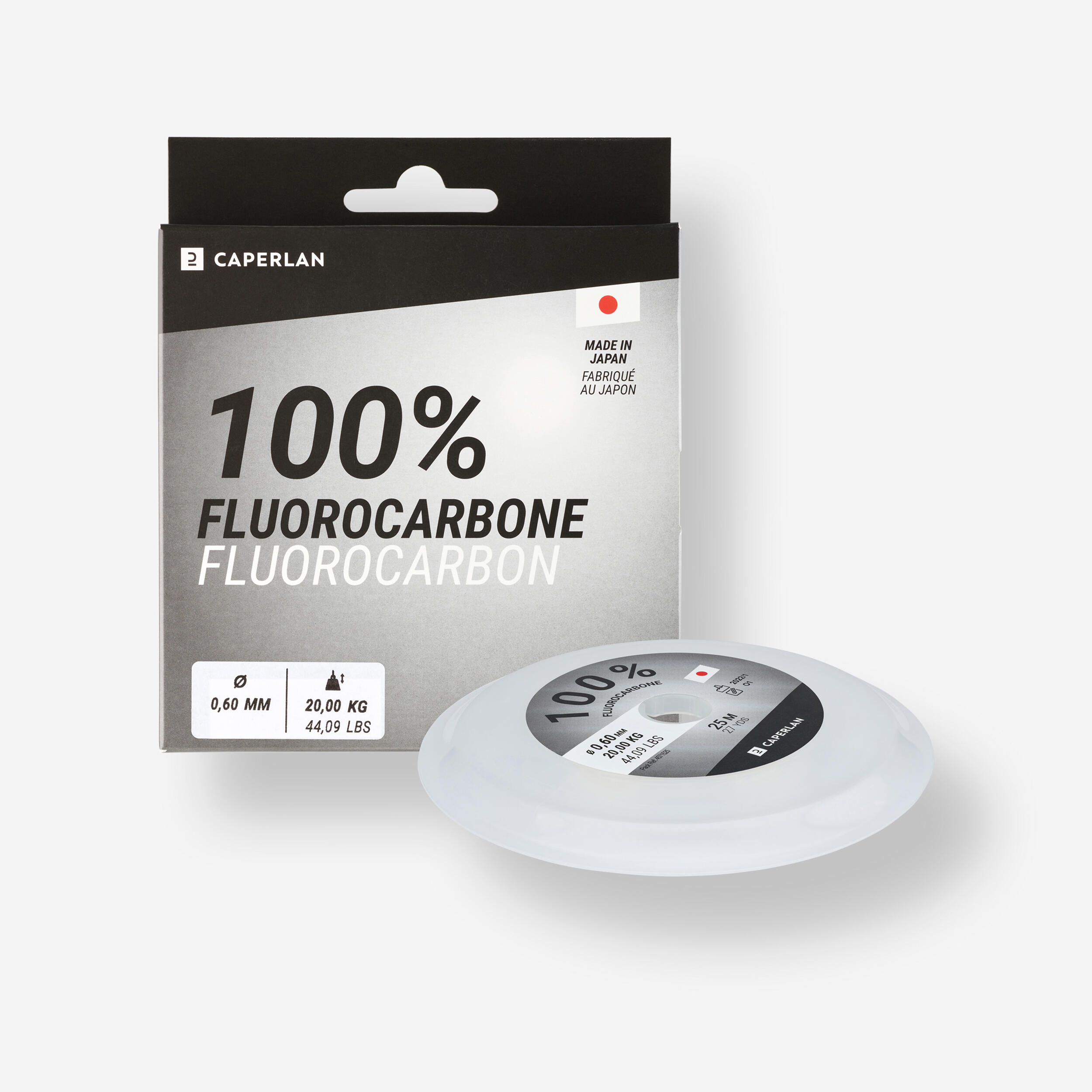
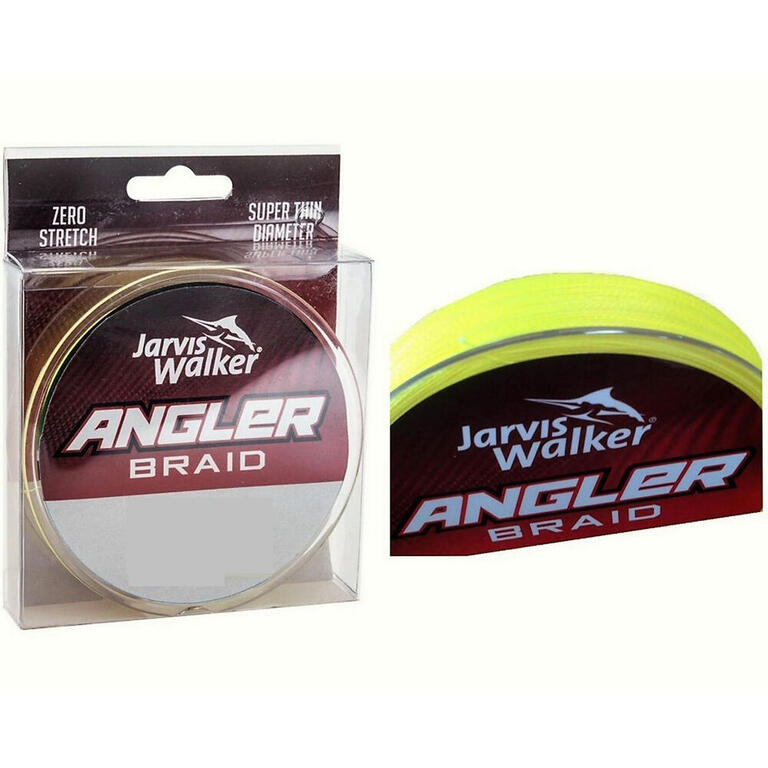
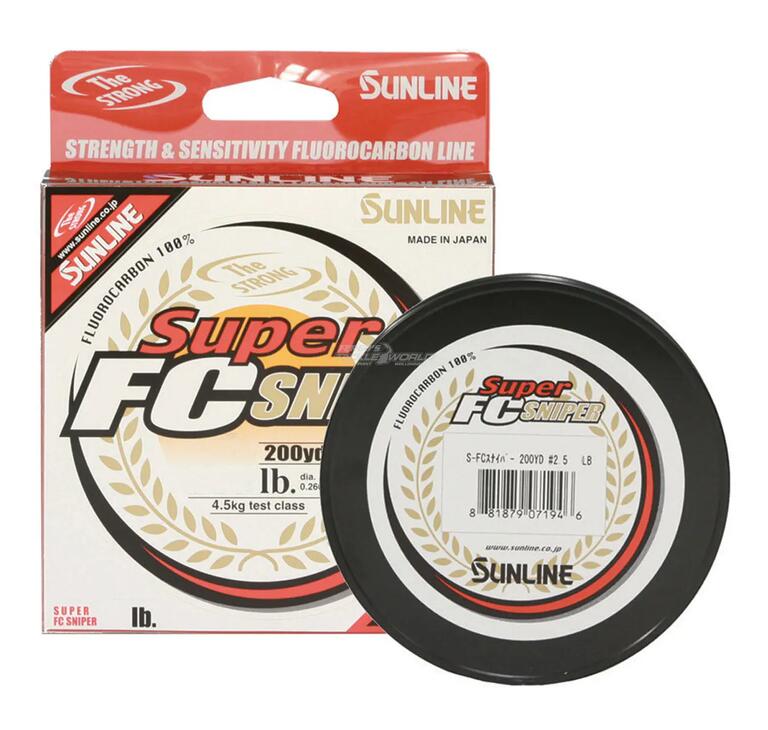
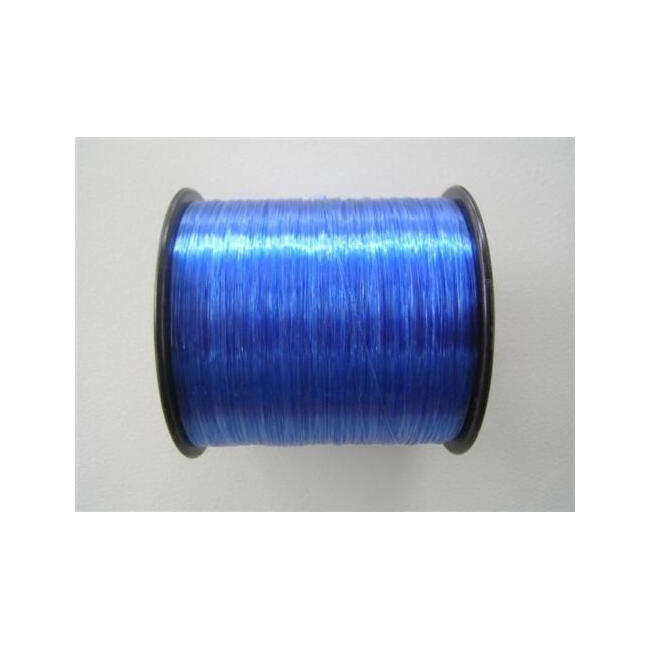
Your line is the only thing connecting you to the fish, so it has to suit the water you're in. Salt and fresh place different demands on strength, abrasion resistance and sensitivity. We stock fluorocarbon for leaders when fish are wary, braid when you want distance and feel, and monofilament when you want stretch and a line you can track by eye.
Different fishing lines are designed for different techniques and conditions. Monofilament is versatile and easy to handle, braided line offers excellent strength and sensitivity, while fluorocarbon is less visible underwater. Choosing the right line type helps you get the best performance for your fishing style and the conditions you'll be fishing in.
Breaking Strain
Breaking strain refers to the amount of weight a fishing line is designed to handle. Lighter lines suit smaller fish and finesse techniques, while heavier lines provide the strength needed for larger species or fishing around rocks, timber and other structure. Match the breaking strain to your target fish and the capabilities of your rod and reel.
Diameter and Casting Performance
The diameter of a fishing line influences both casting performance and durability. Thinner lines generally cast further and allow lures or bait to move more naturally, while thicker lines offer greater strength and abrasion resistance. Finding the right balance helps improve casting distance, lure presentation and overall fishing performance.
Visibility
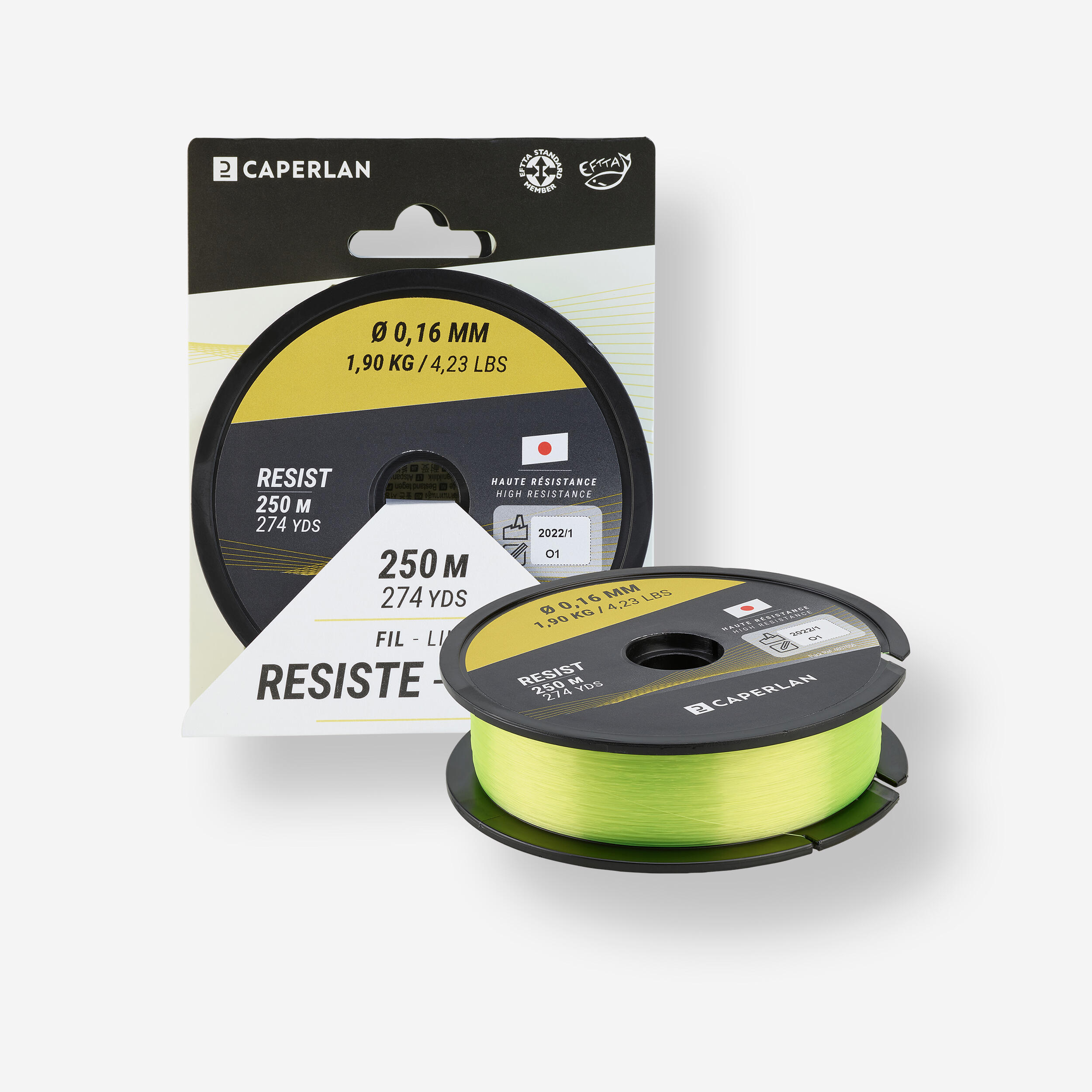
The visibility of your fishing line can influence how fish respond in different conditions. Clear or low-visibility lines are well suited to clear water and cautious fish, while high-visibility lines make it easier to track your line and detect subtle bites. Consider the water conditions and your fishing technique when choosing the right option.
Freshwater Anglers. Ideal for those fishing in lakes, rivers and dams. Choose a fishing line that offers the right balance of strength, sensitivity and castability for your preferred freshwater species.
Saltwater Fishers. Designed for anglers tackling coastal waters, estuaries and offshore environments. Look for durable fishing lines that can handle tougher conditions, larger fish and increased abrasion.
Versatile Anglers. Perfect for fishers who enjoy different techniques or target a variety of species throughout the year. Keeping the right fishing line for different conditions helps you get the best performance from every outing.
Maintaining fishing line
After each session, rinse the reel and spool with fresh water to prevent salt degradation. Store in a shaded, cool place, as UV light weakens line materials over time. Release drag tension between sessions to reduce material fatigue from sustained pressure. Before long-term storage, transfer the line to a backup reel to prevent line memory. Replace annually or if you notice discoloration, fraying or reduced casting distance.
What's the difference between monofilament, braided and fluorocarbon fishing line?
Monofilament is versatile and easy to handle, making it a popular choice for general fishing. Braided line offers high strength with a thinner diameter for improved casting distance and sensitivity, while fluorocarbon is valued for its low visibility underwater and excellent abrasion resistance. The best option depends on your fishing style and conditions.
What fishing line strength should I choose?
The right line strength depends on the species you're targeting, your rod and reel setup, and where you'll be fishing. Lighter lines suit smaller fish and finesse techniques, while heavier lines provide greater strength for larger fish or fishing around rocks, timber and other structures.
How often should I replace my fishing line?
Can I combine different types of fishing line?
Does fishing line need to match my reel?
Fishing line should be replaced when it shows signs of wear such as fraying, discolouration or reduced strength. Saltwater, sunlight and frequent use can shorten its lifespan, so inspecting your line regularly helps maintain reliable performance.
Yes. Many anglers use braided or monofilament line as the main line and attach a fluorocarbon leader for added abrasion resistance and lower visibility underwater. This combination provides the benefits of each line type while adapting to different fishing conditions.
Yes. Fishing line should match your reel's recommended line capacity and diameter for the best casting and retrieval performance. Checking your reel's specifications helps ensure the line is suitable for your setup and reduces the risk of overfilling or underfilling the spool.
Spool Up with the Right Line
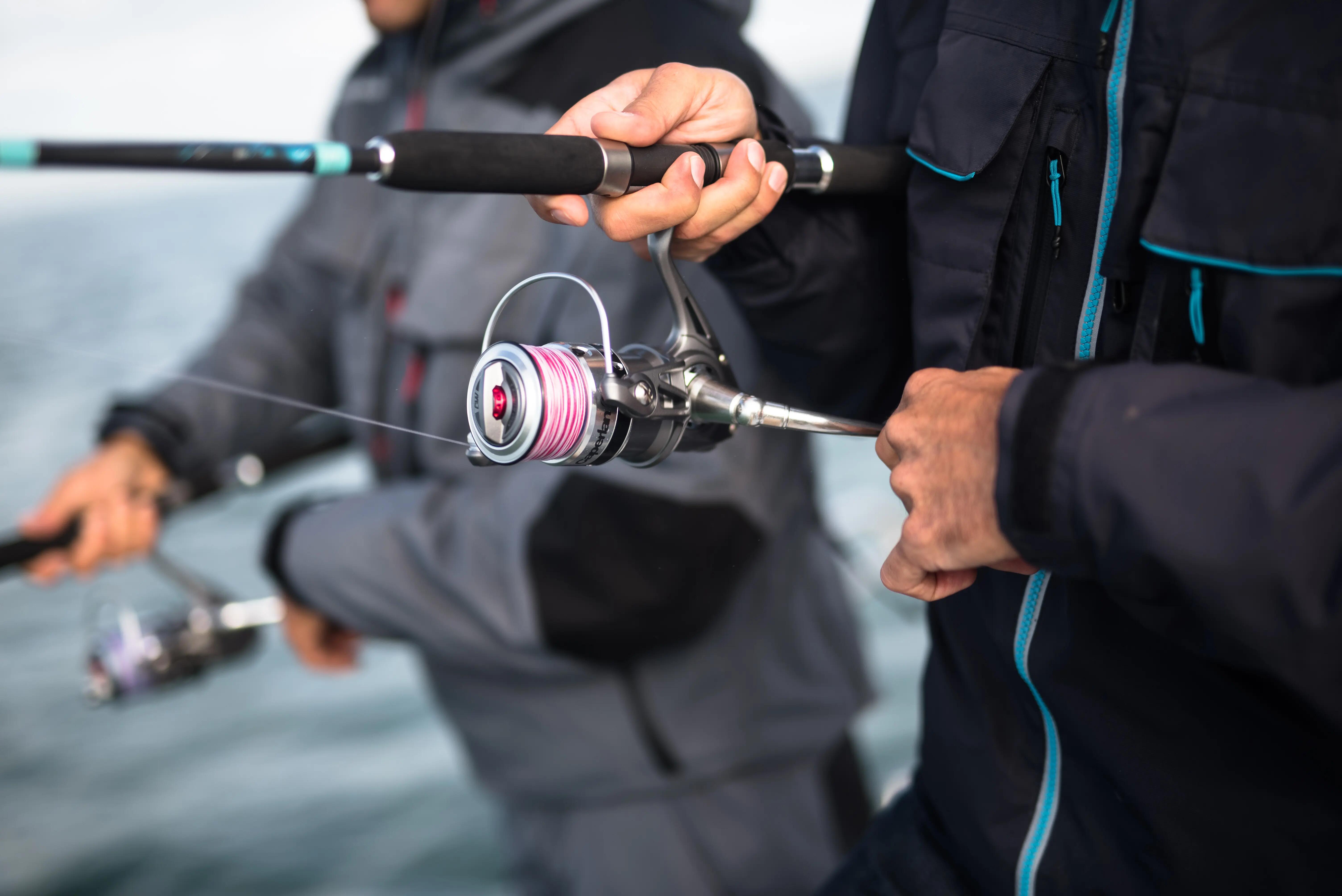
Choosing the right line type and weight sets you up for stronger casts, better sensitivity and fewer break-offs when it counts. Matching your fishing line to your reel, target species and fishing style helps improve casting, control and overall performance on the water. Choose the fishing line that suits your reel, target species and technique.
 All SportsMenWomenKidsAccessoriesEquipment and LeisureHealth & NutritionBest DealsNew ArrivalsMarketplace
 Hiking & Trekking
 Swimming
 Cycling
 Fitness (Yoga/Pilates)
 Camping
 Running
