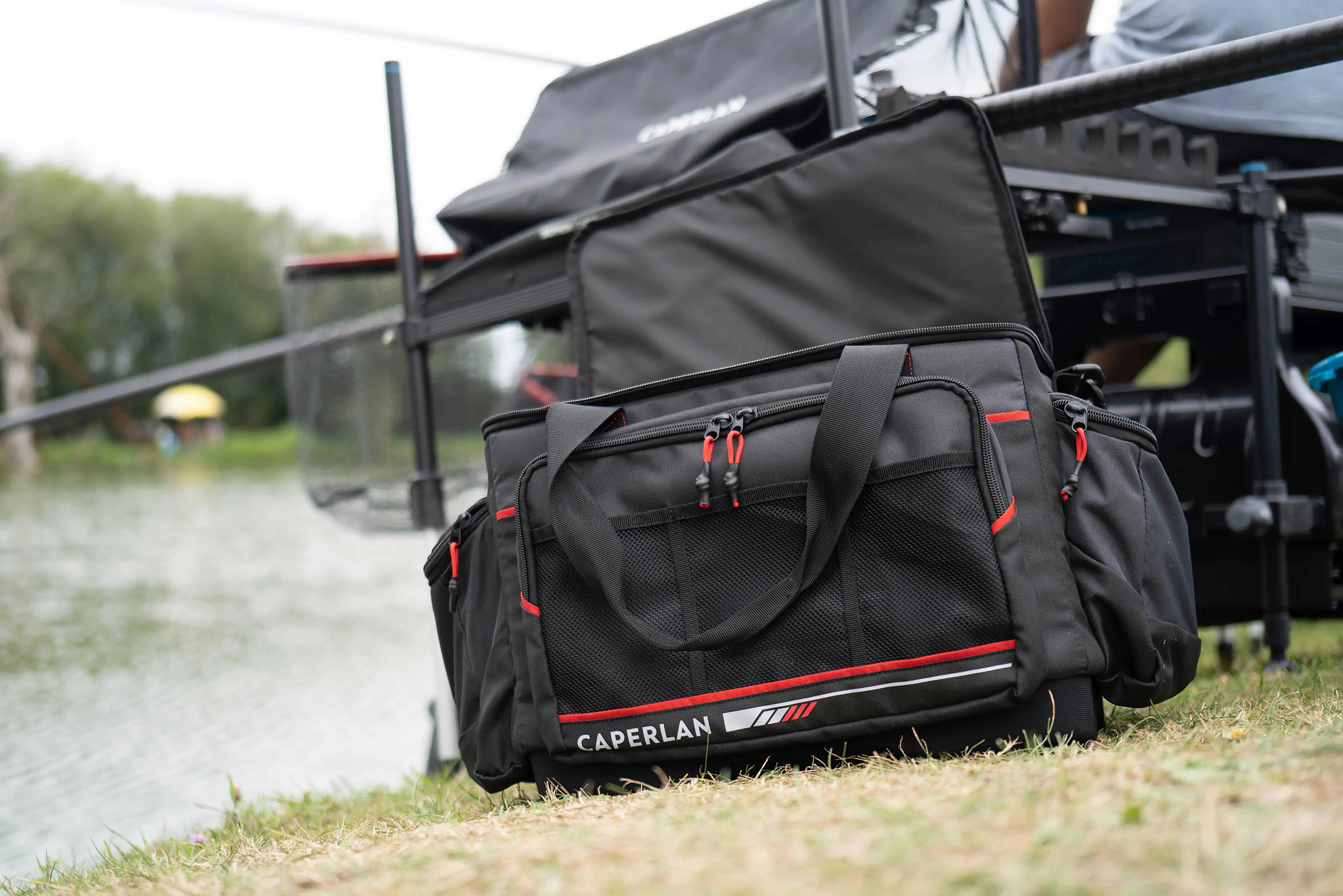
A good fishing bag keeps your tackle organised, protected and accessible on every trip. It should be able to handle wet conditions, rough handling and regular outdoor use. Whether you fish casually or seriously, the right bag makes carrying gear easier and helps you find what you need when the fish are biting.
Size it on the length of the trip rather than the amount of tackle you own. A full day on the bank needs room for a jumper, water and lunch alongside the gear. A short evening session doesn't. Bags around 8 to 20 litres cover most trips, and anything bigger tends to get carried half empty.
Storage and Organisation
A fishing bag carries more than tackle, so what matters is separation: somewhere for a jumper that isn't pressed against the bait, an outside pocket for pliers, a spot for lunch. One large main compartment plus a few smaller ones usually beats lots of equal-sized pockets, which sound organised but end up with everything crammed in the biggest one.
Carry Style and Comfort
The way you carry your fishing bag can make a big difference during longer outings. Adjustable shoulder straps, padded handles and backpack-style designs improve comfort, while choosing a carry style that suits your fishing setup makes it easier to carry your gear from your vehicle to the shore, riverbank or jetty.
Durability and Water Resistance
Fishing bags are regularly exposed to water, dirt and changing weather, so durable construction is essential. Water-resistant or waterproof materials help protect your gear from splashes, rain and damp conditions, while reinforced fabrics stand up to regular outdoor use and help extend the life of your bag.
Casual Fishers. Ideal for short fishing trips where you only need a few essentials. Compact fishing bags keep tackle, tools and personal items organised without adding unnecessary bulk.
Regular Anglers. If you fish often, choose a bag with multiple compartments and enough space for tackle boxes, tools and extra accessories. Organised storage makes it easier to find what you need while you're on the water.
All-Day Adventures. Perfect for longer fishing trips where you're carrying additional gear, clothing and supplies. Larger fishing bags with generous storage and comfortable carrying options help keep everything organised from start to finish.
Looking after fishing bags
Empty all compartments after fishing trips and rinse with fresh water, especially the interior pockets where salt and moisture can affect your gear. Wipe down zips to remove salt crystals that can jam mechanisms. Dry completely before storing to prevent moisture-related problems. Check the bag regularly for signs of mould or mildew, and allow it to air dry completely before storing.
Fishing bags by type
Type
Best for
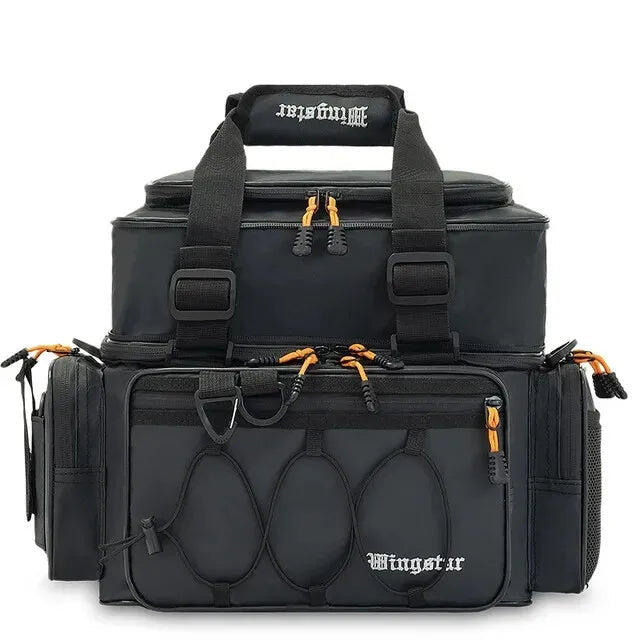
Fishing bags with boxes
Keeping lure boxes sorted and easy to lift out.
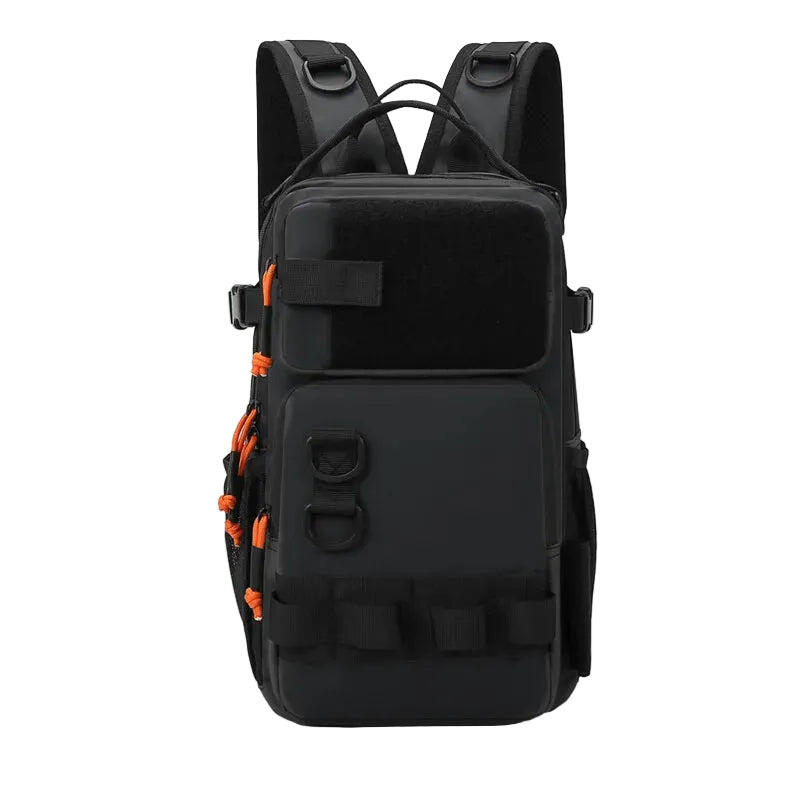
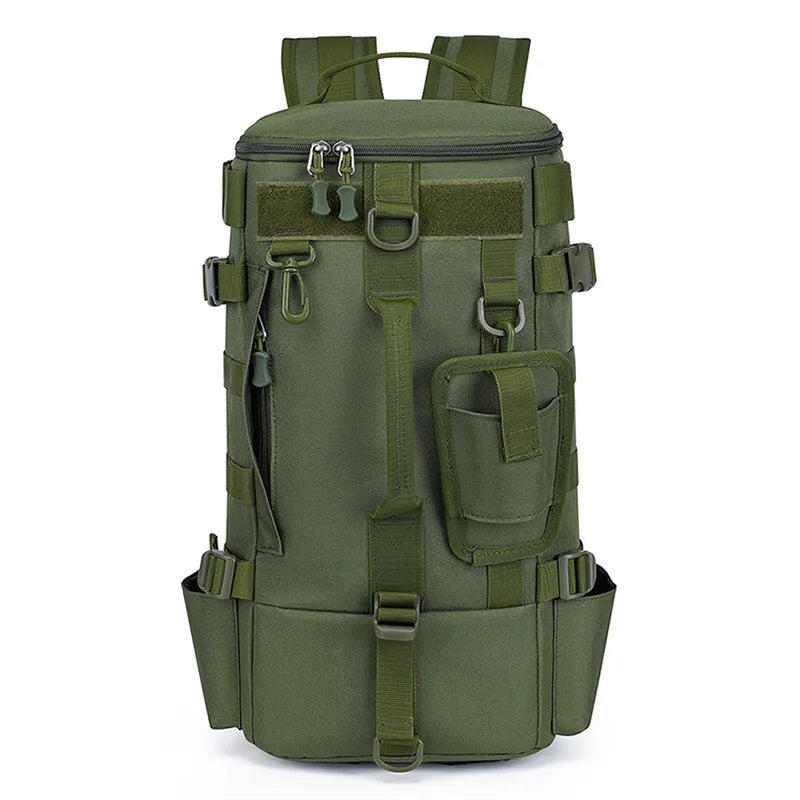
Carrying gear hands-free over longer walks.
Fishing backpacks
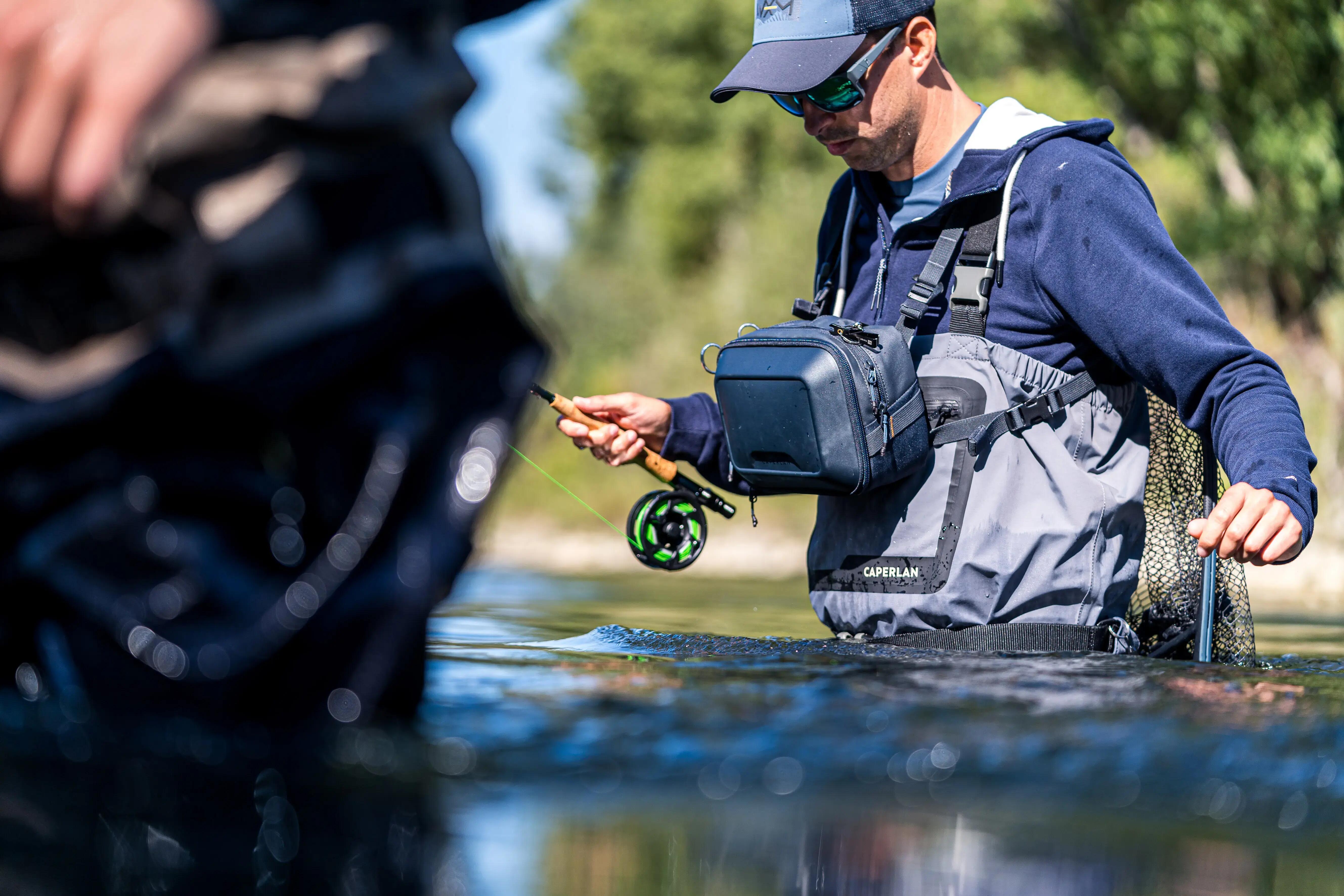
Moving light along the bank with gear at the front.
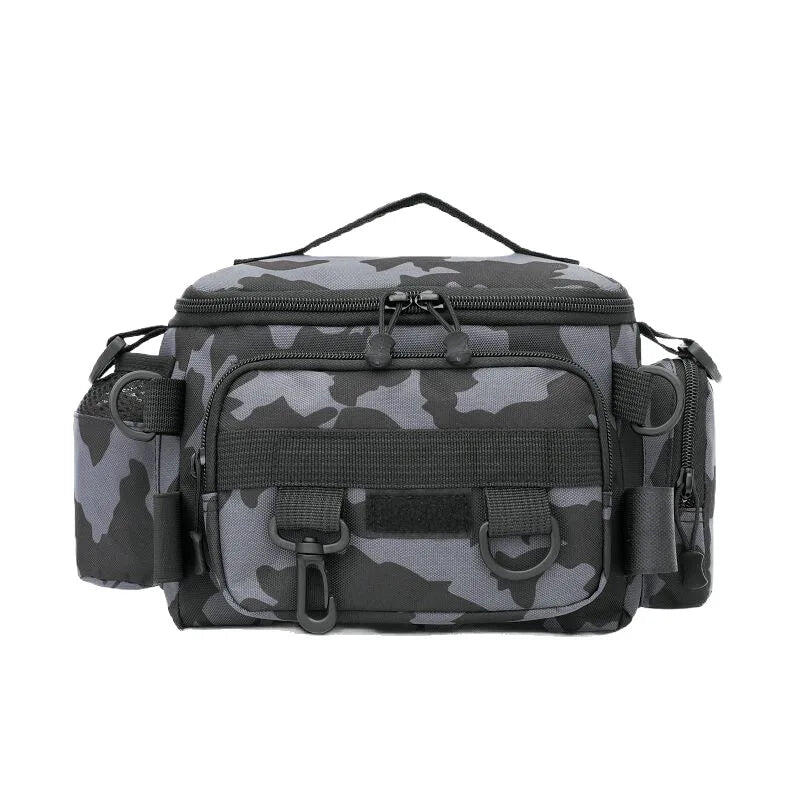
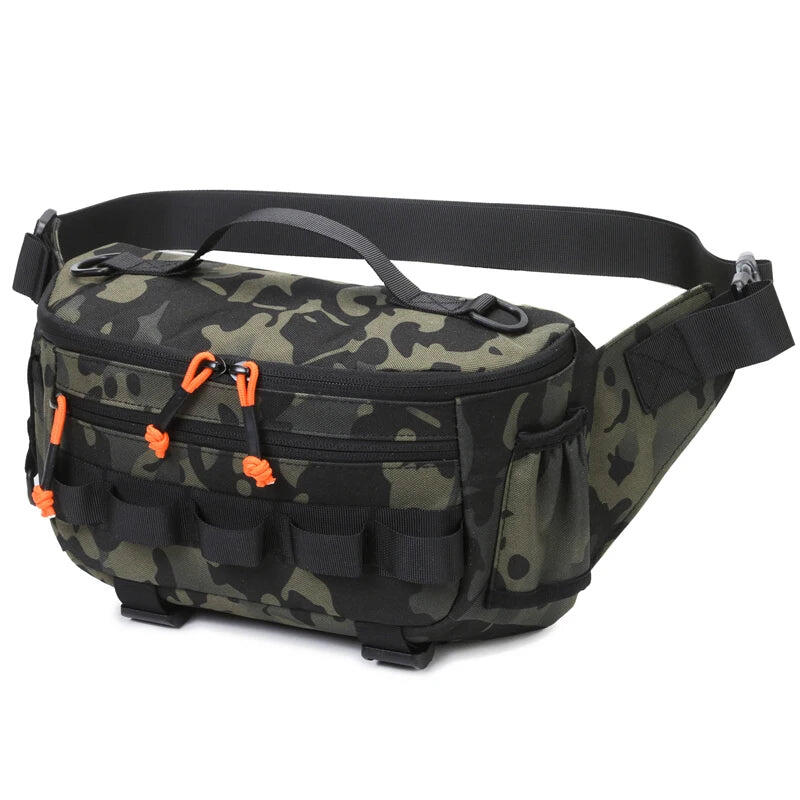
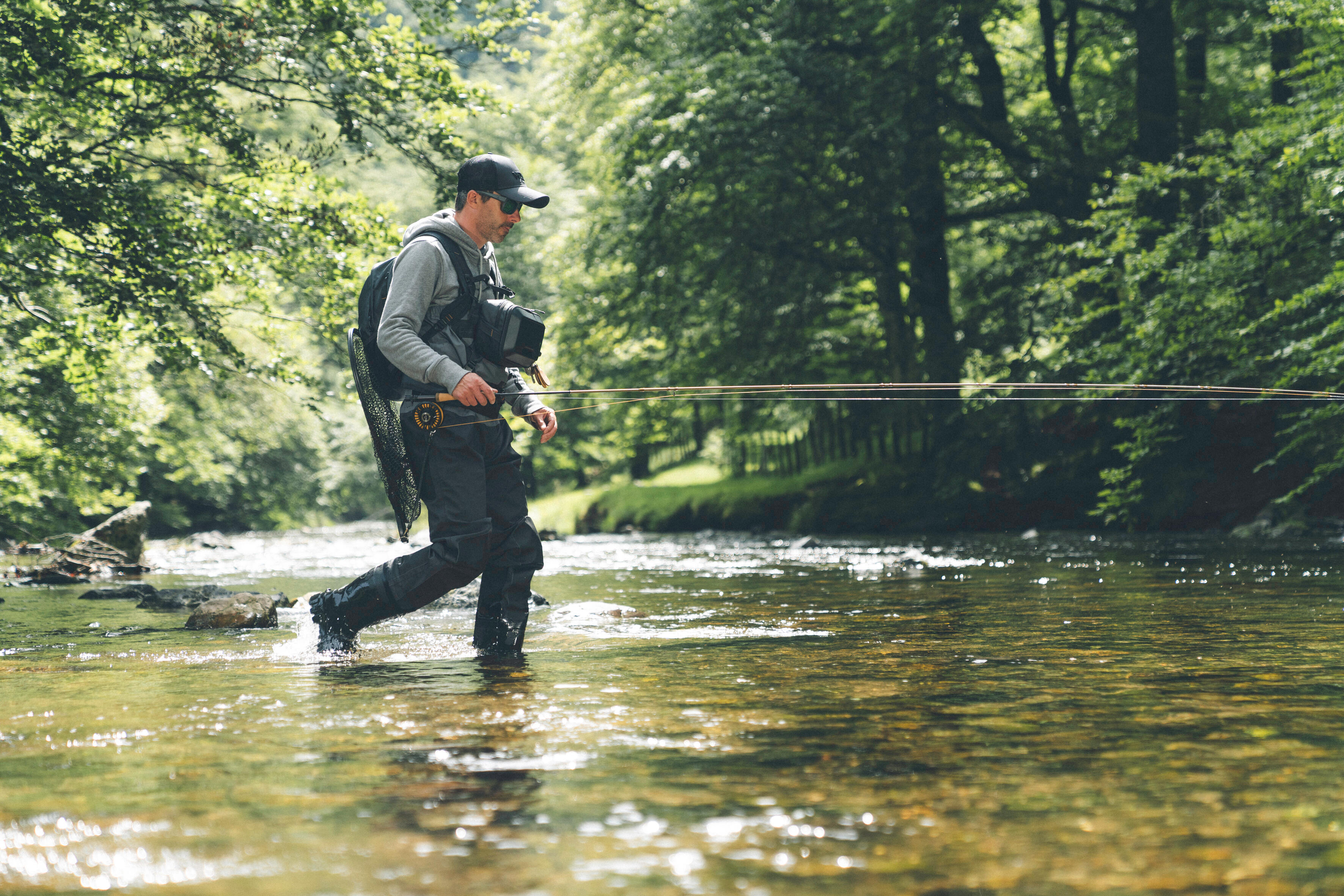
Chest and waist bags
Short evening sessions with a handful of essentials.
What's the difference between a fishing bag and a tackle bag?
A fishing bag is designed to carry a range of fishing gear, including clothing, tools, food and accessories. A tackle bag focuses on organising tackle trays, lures and terminal tackle with dedicated compartments. Many tackle bags also include space for additional gear, so the right choice depends on what you typically carry.
What size fishing bag should I choose?
The right size depends on how much gear you carry and the length of your fishing trips. Compact bags are suitable for short sessions and essential equipment, while larger bags provide extra space for tackle boxes, tools, clothing and other accessories.
Are fishing bags waterproof?
How many compartments should a fishing bag have?
Can I use a fishing bag for other outdoor activities?
Water-resistant rather than waterproof, in most cases. A fishing bag is carrying clothing and food as well as tackle, so look for a coated base that can sit on wet ground and a lid that sheds rain. If you need something genuinely sealed for a phone or a wallet, put a dry pouch inside the bag rather than relying on the bag itself.
The ideal number of compartments depends on how you like to organise your gear. Multiple pockets and storage sections make it easier to separate tackle, tools, personal items and other essentials, helping you find what you need more quickly while fishing.
Yes. Many fishing bags are also suitable for camping, hiking and other outdoor activities thanks to their durable construction and organised storage. Choose a size and layout that suits the gear you plan to carry.
Carry Your Gear with Ease
An organised fishing bag keeps your tackle, tools and essentials neatly stored and within easy reach throughout your trip. Choosing the right size and layout makes it easier to carry your gear and stay organised wherever you fish. Find the fishing bag that suits your next adventure.
 All SportsMenWomenKidsAccessoriesEquipment and LeisureHealth & NutritionBest DealsNew ArrivalsMarketplace

 Hiking & Trekking
 Swimming
 Cycling
 Fitness (Yoga/Pilates)
 Camping
 Running