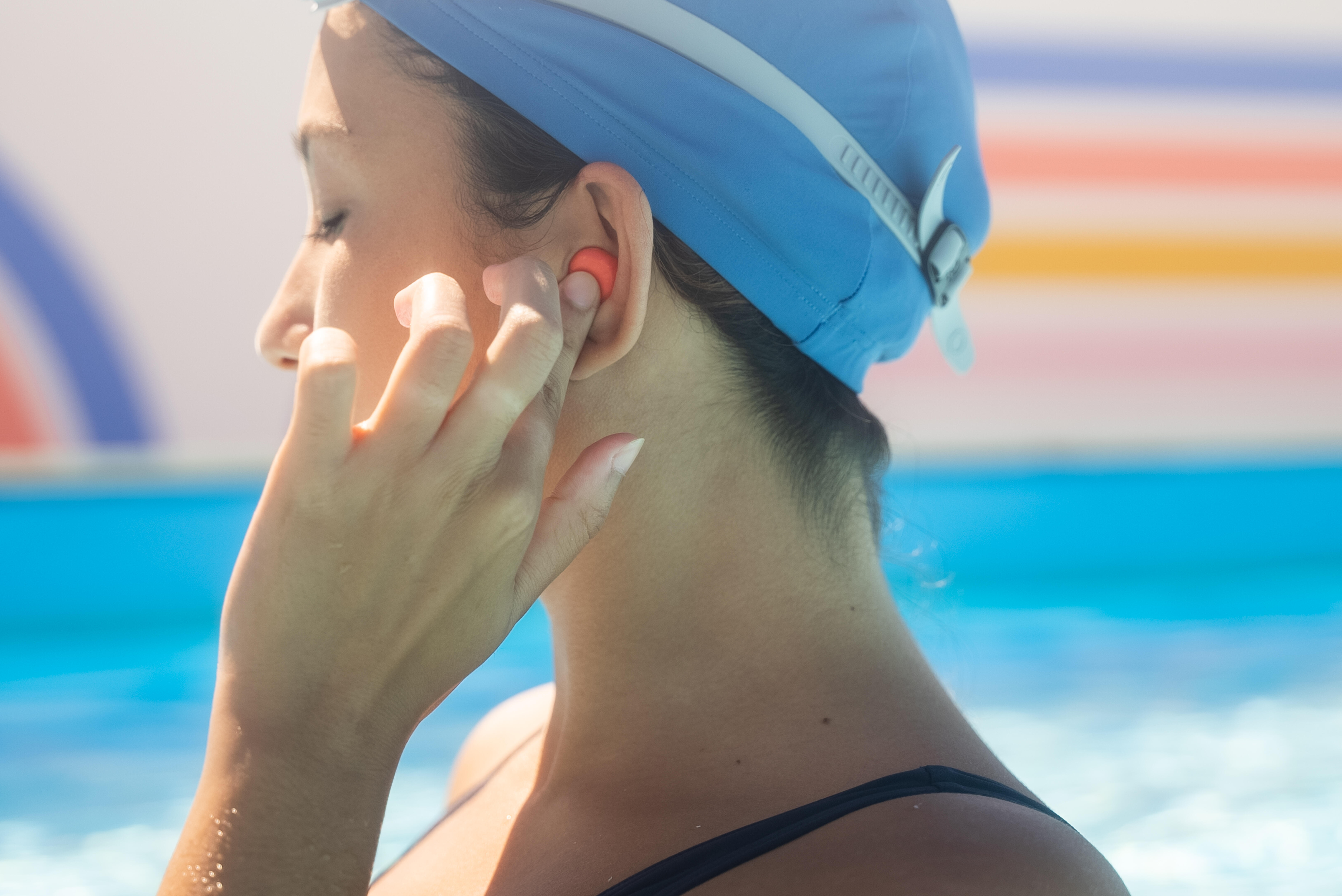
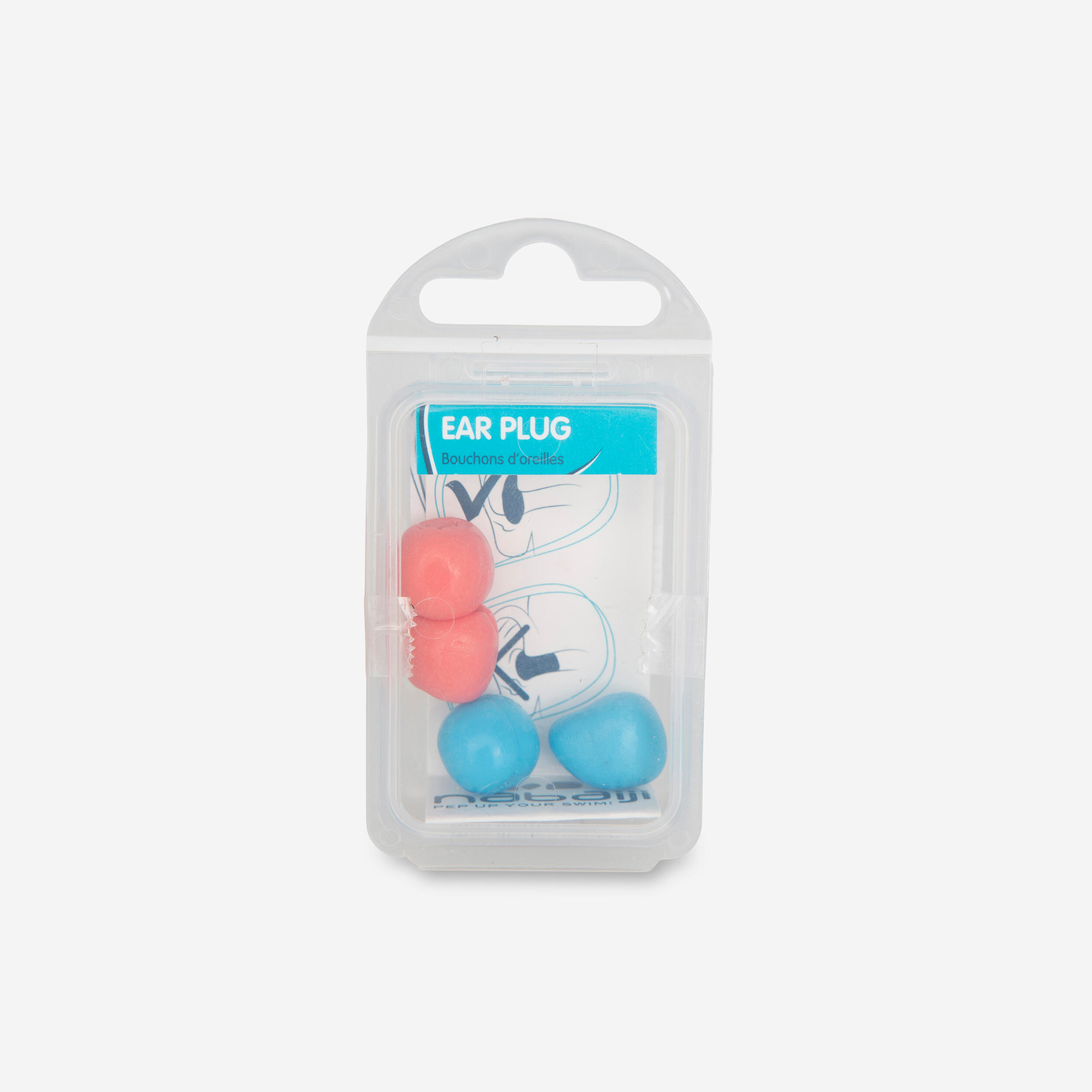
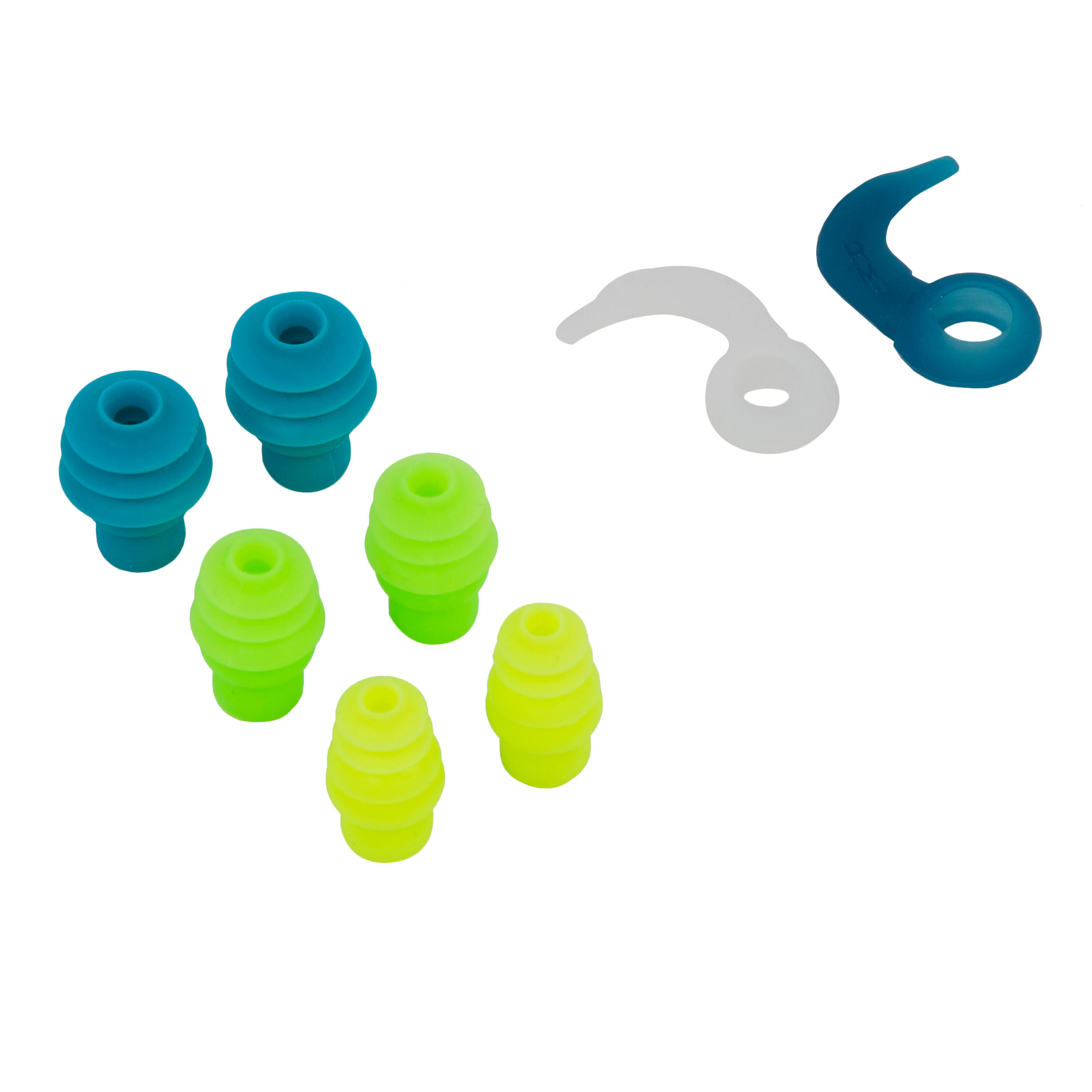
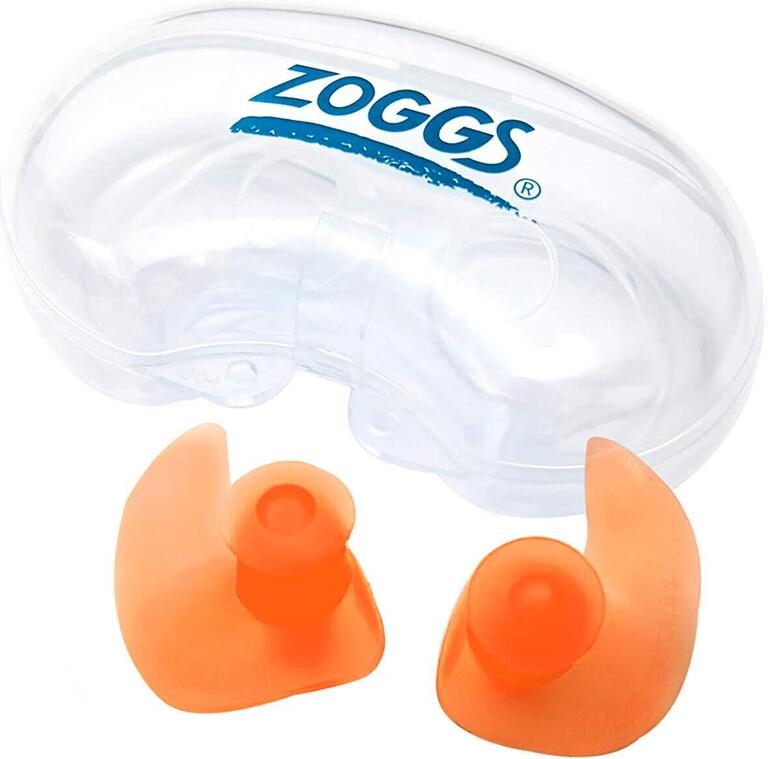
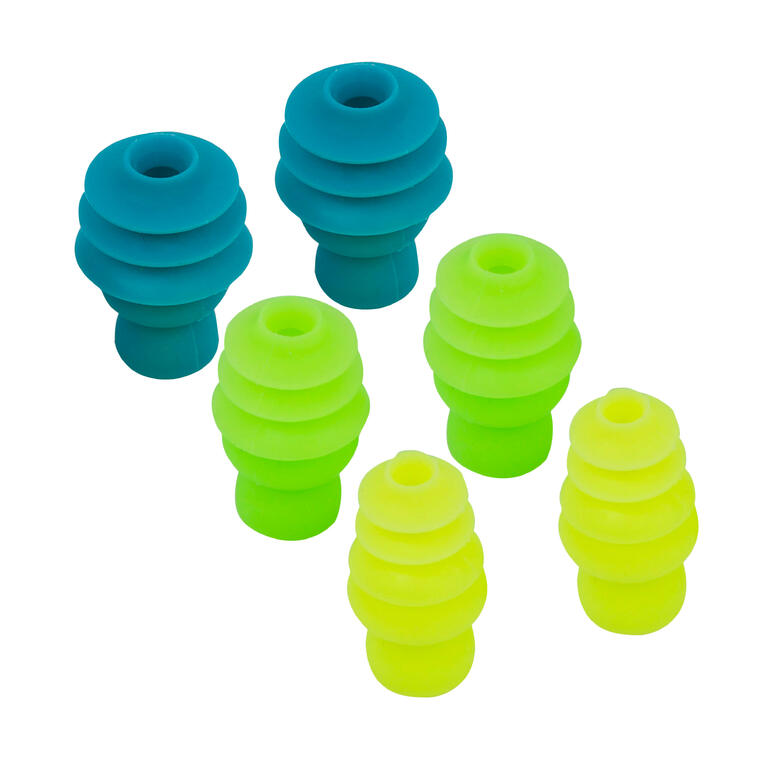
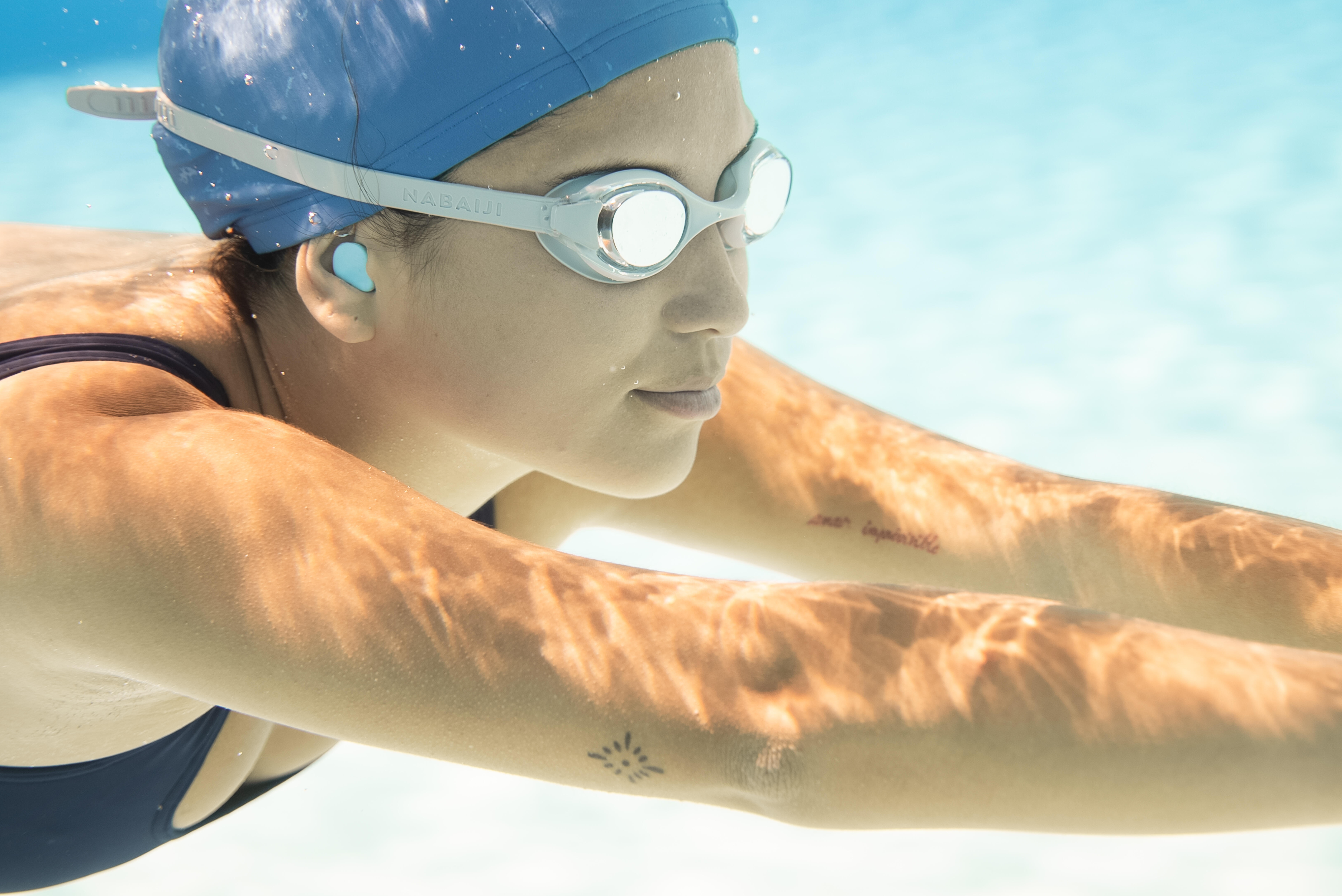
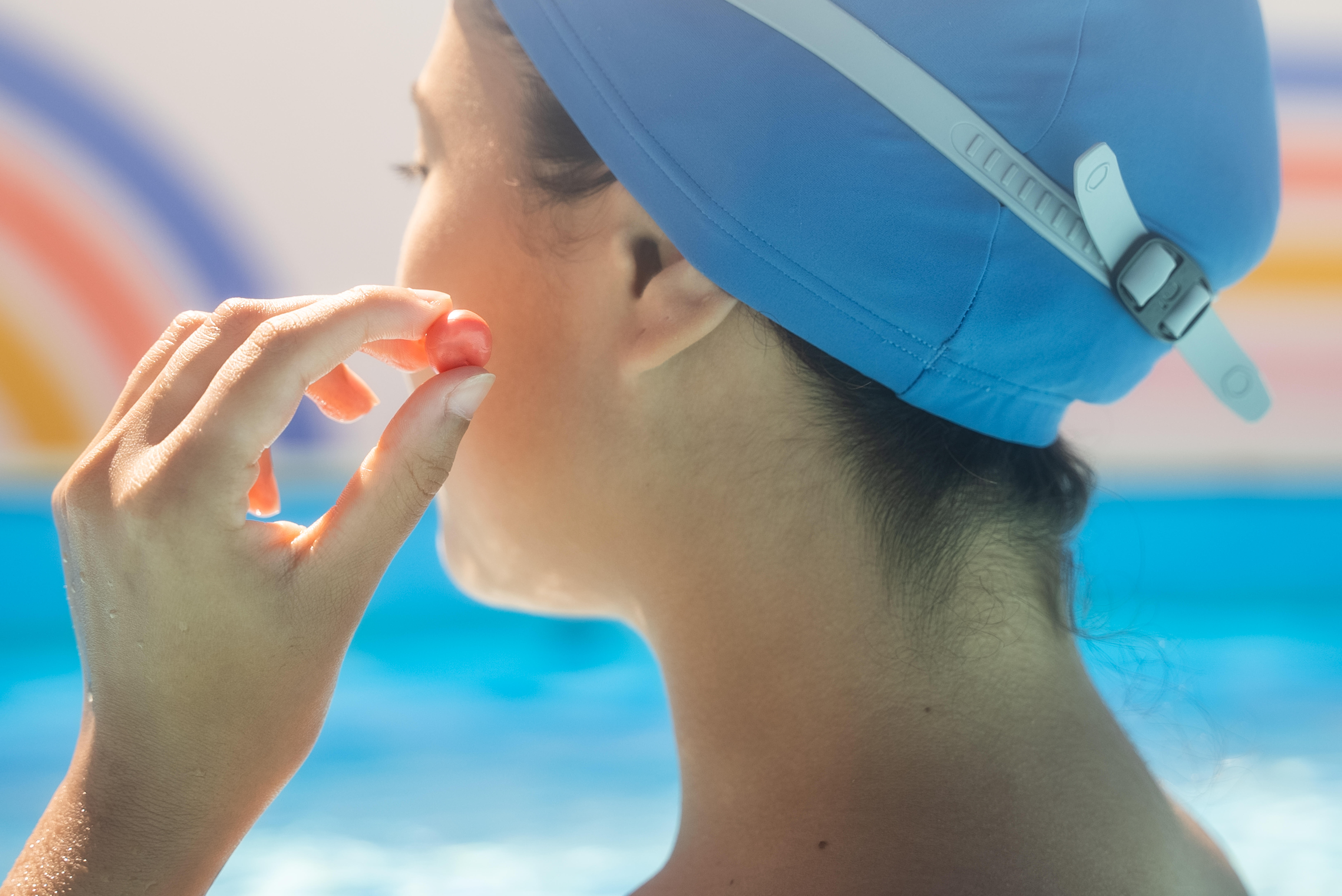
Water trapped in your ears takes the enjoyment out of a swim. The trick is a plug that seals without pressing, which is why we make them in a few different materials: malleable thermoplastic that moulds to the ear, and silicone cones in three sizes so you can find your fit rather than force one. Try them in the pool before a long session.
A reliable seal is the difference between staying protected and getting water in your ears. Plugs that fit snugly create an airtight barrier, but a loose fit lets water seep around the edges. Everyone's ear canal is slightly different, so what works for a mate might not work for you. Custom-mouldable silicone or foam plugs adapt to your shape better than fixed sizes, which matters more if you've struggled with leaks in the past.
Material and lifespan
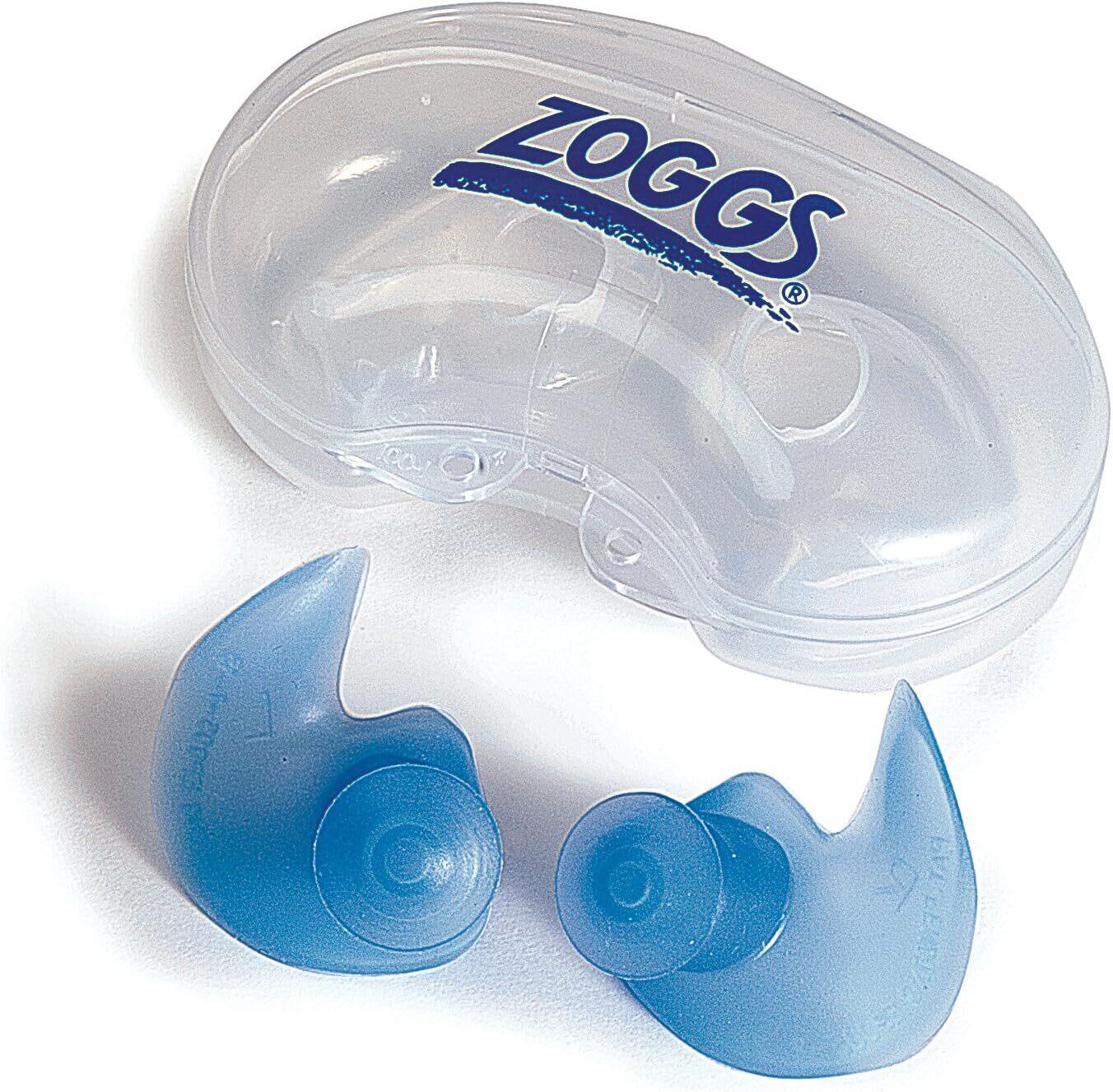
Silicone plugs last for months and only need rinsing after use, making them practical for regular swimmers. Foam plugs give a better seal but lose effectiveness as they compress, so you'll replace them more often. Wax moulds instantly to your ear and works well for occasional swimmers, but you throw it away after each session. Think about your swimming schedule and budget for replacements over a season, not just the initial cost.
Comfort on insertion
Rigid plugs are harder to insert and can feel uncomfortable or painful if you push too hard. Flexible materials slip in easier with less pressure on your ear canal. Designs with smooth edges and a tapered stem go in more comfortably than chunky ones. Your ears will adapt after a few uses, but if insertion hurts or feels difficult from day one, you might prefer a different style or material.
Ease of removal
Plugs should come out cleanly without leaving residue or irritating your ear. Some designs have a wider base or a small stem to grab, making removal straightforward. Others need gentle rocking to release. If removal is fiddly or leaves you feeling uncomfortable, you're less likely to wear them regularly. Check what other swimmers say about how easy they are to get out after a session.
Occasional swimmers and pool users. You swim a few times a month. These plugs provide straightforward water protection without unnecessary features, and are easy to clean and store.
Regular swimmers managing ear health. You swim weekly and want reliable protection against ear infections. These plugs offer a secure fit that holds through your sessions without shifting.
Competitive swimmers and water sports enthusiasts. You train hard and need ear plugs that stay secure during vigorous activity. Built for intense sessions and extended water exposure.
Caring for ear plugs for swimming
After each swim, dry thoroughly with a soft cloth and allow them to air dry completely on a clean surface. Once fully dry, store in a ventilated case or small pouch with good airflow rather than sealed containers. Moisture trapped inside causes mould and odour development. Inspect the seal regularly for hardening or cracks, which indicate the plugs need replacing to maintain your water protection. Keep away from direct heat and sunlight, which can degrade silicone and foam materials over time.
Ear plugs for swimming by type
Type
Best for
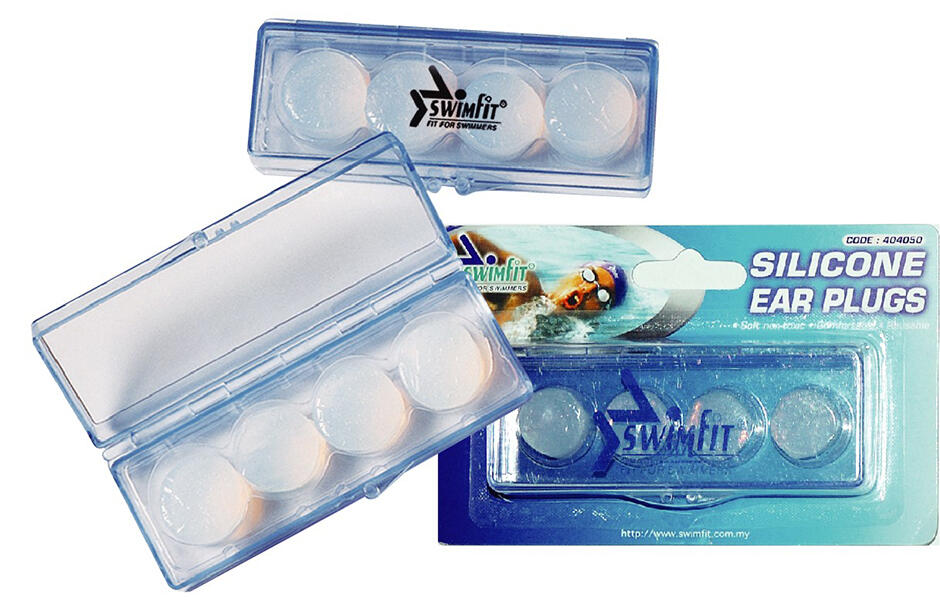
Silicone Ear Plugs
Regular swimming, water sports and a secure, reusable fit.
Swimmers who want a customised fit to help keep water out.
Mouldable Ear Plugs
Lap swimming and active movement with a secure fit.
Conical Ear Plugs
Comfortable, ergonomic fit that mirrors the shape of the ear.
How do I know which size ear plugs will actually fit my ears?
Start with medium and test them before your next swim to see how they feel. If they slip out repeatedly during swimming, try moving up a size. If they feel too tight or uncomfortable, go down a size. The right fit should stay secure without pinching or creating pressure in your ear canal.
Should I buy foam or silicone ear plugs for swimming?
We stock malleable thermoplastic and silicone rather than foam. Thermoplastic plugs soften with body heat and mould to the shape of your ear, which suits sensitive ears and irregular canals. Silicone cones come in graded sizes and seal more firmly, which most lap swimmers prefer. Foam is made for noise rather than water and swells once wet, so it's the wrong tool here.
Can I reuse my ear plugs or do I need to replace them regularly?
What if my ears are sensitive or easily irritated?
Are Decathlon ear plugs worth the cost compared to cheaper alternatives?
Silicone and rubber plugs are reusable and can last through an entire swimming season with proper care. Foam plugs wear faster and may need replacing sooner depending on how often you swim. Check your plugs regularly for material breakdown or loss of grip.
Choose a softer material like malleable thermoplastic and start with shorter sessions so your ears get used to them. Rinse and dry your outer ear after swimming. If you get recurring pain, discharge or muffled hearing, see a GP or pharmacist rather than working around it with a different plug, because ear plugs manage water rather than treat a problem.
Ours are built to be reused across a season rather than thrown away, and the silicone sets come in three sizes so you can find a seal instead of settling for one. Cheaper plugs tend to work loose mid-lap or harden over a few months. If you swim weekly, a pair that stays in is worth more than the difference in price.
Protecting Your Ears While You Swim
Water in your ears doesn't have to be part of swimming. A plug that seals the canal without pressing on it keeps water out and lets you get on with the session. Fit matters more than material, so try a pair on a short swim before committing to a long one. If you have ongoing ear trouble, talk to a GP before relying on plugs.
 All SportsMenWomenKidsAccessoriesEquipment and LeisureHealth & NutritionBest DealsNew ArrivalsMarketplace
 Hiking & Trekking
 Swimming
 Cycling
 Fitness (Yoga/Pilates)
 Camping
 Running