Paddlers
Kayakers and SUP riders can clip a dry bag to deck lines and keep a phone in a sealed pouch close to hand.
A good dry sack keeps your spare layers, food and phone dry when the weather turns or the boat tips. We'll help you pick the right size and style, from a small window bag to a roomy duffle.
Options from our dry bags range, sorted by how much you carry and how.
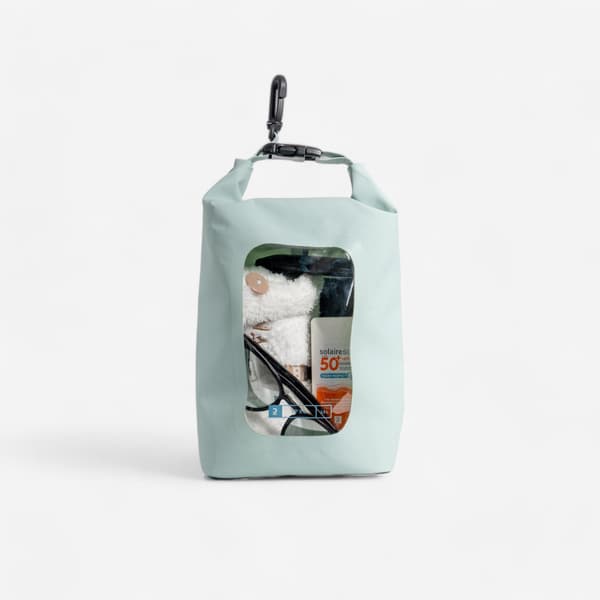
Small window bags for keys, snacks and phones.
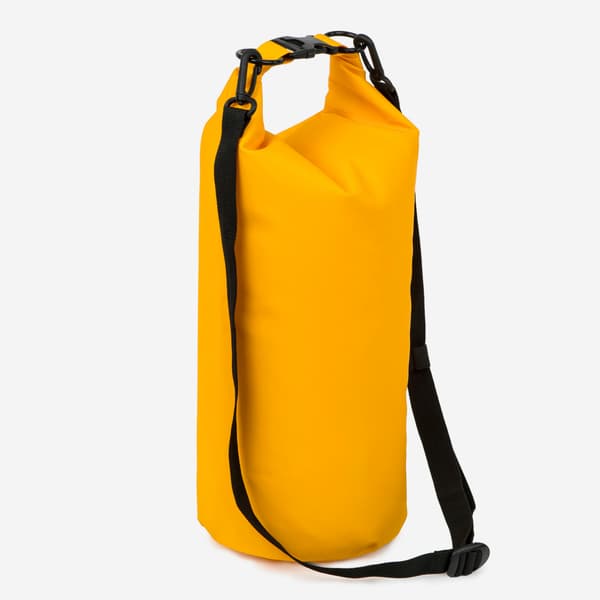
Mid-size 10 litre bags for day trips out.
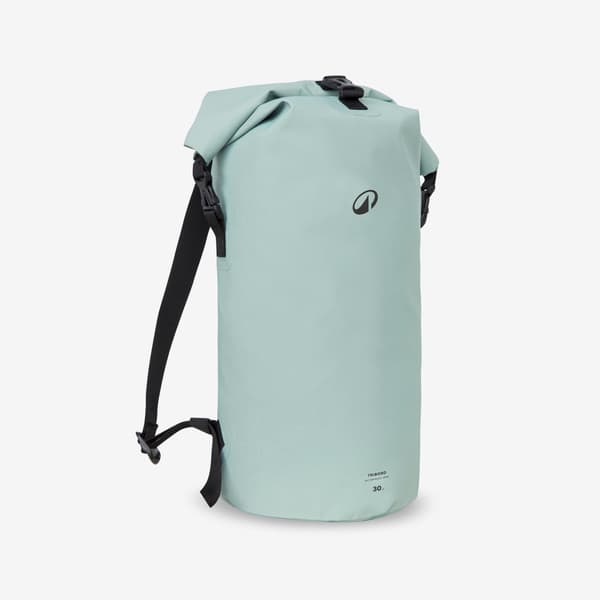
Larger 20 to 30 litre bags for camp kit.
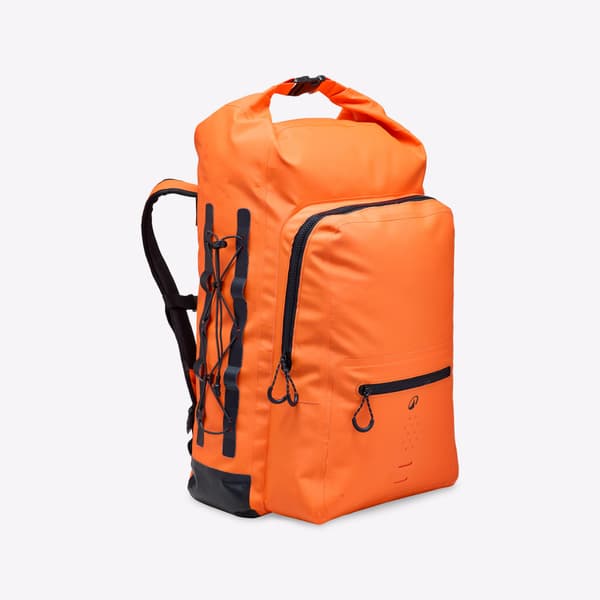
Waterproof backpacks with straps for longer walks.
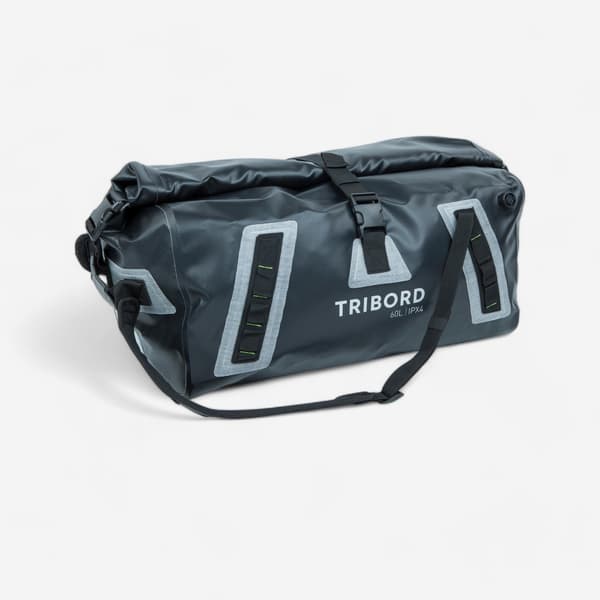
Roomy waterproof duffles for boats and travel.
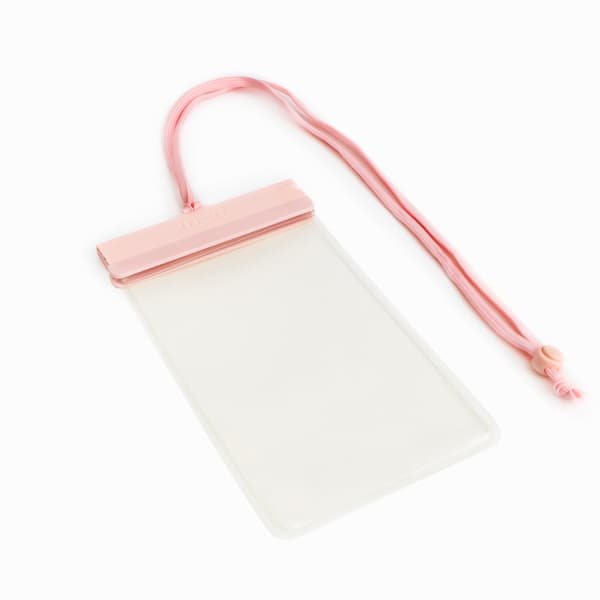
Sealed phone pouches for days on the water.
Check the waterproof rating on the label. Many of our dry bags are rated IPX6, which means they're built for heavy splashes, spray and rain rather than being held underwater. For gear that might go under, look at a higher rating, such as our IPX8 phone pouches.
Small 2.5 to 5 litre bags suit keys, snacks and a phone. Around 10 litres holds a spare layer and lunch for the day. For overnight trips, 20 to 30 litres gives room for clothes and camp kit.
Most dry sacks seal with a roll-top that clips shut. Roll it down tightly several times before you clip it, and follow the maker's guidance on the label. Squeeze out spare air first so the bag packs smaller.
A simple strap is fine for a kayak or a day at the beach. If you'll walk any distance, a waterproof backpack spreads the weight across both shoulders. For boats and travel, a duffle opens wide for easy packing.
Kayakers and SUP riders can clip a dry bag to deck lines and keep a phone in a sealed pouch close to hand.
A dry sack inside your pack keeps your sleeping layers dry through rain and creek crossings.
Keep sand, spray and wet towels away from your phone, keys and snacks.
| Option | Best for | Good to know |
|---|---|---|
| Small window bag | Keys, phone, snacks | The clear window helps you find things without opening it. |
| 10 litre dry bag | Day paddles and beach days | Fits a spare layer and lunch with room to roll the top. |
| 20 to 30 litre dry bag | Overnight camping and paddling trips | Room for clothes or camp kit, depending on size. |
| Waterproof backpack | Walking to the water | Two straps make longer carries more comfortable. |
| Waterproof duffle | Boat trips and travel | A wide opening makes packing and finding gear easier. |
| Waterproof phone pouch | Phones on the water | Choose one with a lanyard and test it before your trip. |
They're two names for the same thing: a waterproof bag that seals, usually with a roll-top, to keep gear dry. Hikers often say dry sack, while paddlers tend to say dry bag. You'll find both styles in our dry bags range.
It depends on the rating. Many of our dry bags are rated IPX6, which means they handle heavy splashes, spray and rain, but they aren't designed to be held underwater. A dry bag that floats after a capsize will usually keep its contents dry for a short time, but for anything that must survive immersion, choose a product with a higher rating, such as an IPX8 phone pouch, and always check the label.
Think about what goes inside, then size up a little so you can still roll the top. A 2.5 to 5 litre bag suits keys, a phone and snacks. Around 10 litres is a good all-rounder for day trips, and 20 to 30 litres suits overnight camping or paddling. Several smaller bags often pack better than one big one.
Push out the spare air, then line up the top edges so they sit flat. Roll the top down tightly several times, following the guidance on the bag, and clip the buckle. If you're unsure, do a test at home by sealing some paper inside and splashing the bag before you head out.
Yes, and it's a smart move. Most hiking packs aren't fully waterproof, so a dry sack inside keeps your sleeping layers and spare clothes dry in heavy rain or at creek crossings. Use a separate small bag for your phone, first aid kit and anything you'll need quickly.
A good dry sack takes one worry off your mind, whatever the weather does. Find everything else for your next trip in our bags and backpacks range.
Free delivery on orders over $150. Members get our lifetime warranty.