First-time hikers
Start here if you're heading out on your first marked trail. It covers the basics without loading you up.
A good day on the trail starts with a well-packed bag. Here is what we take on a day hike in Australia, why each item earns its spot and how to keep the load light.
The six things we never leave the car park without.
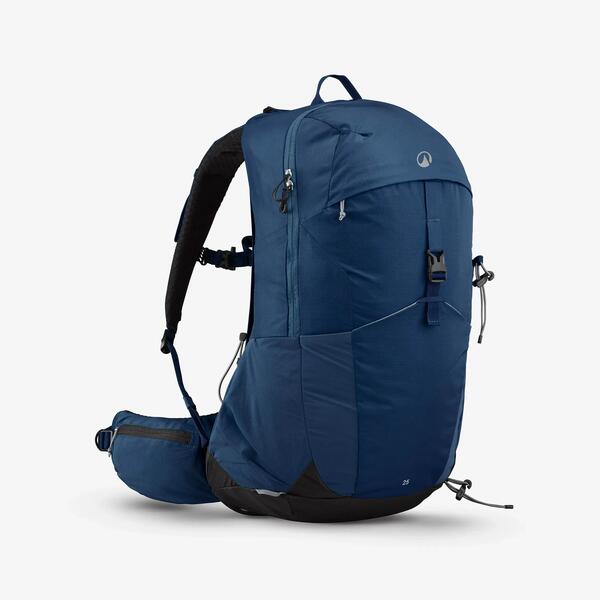
Compact packs and bags sized between 10 and 30 litres.
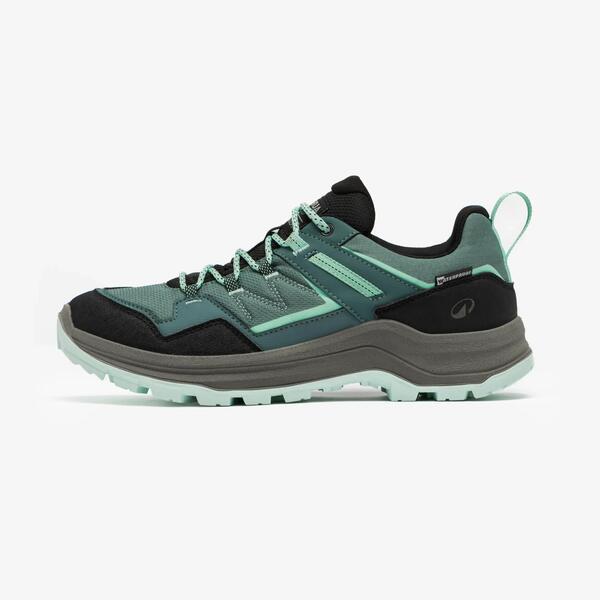
A wide choice of shoes and boots for the trail.
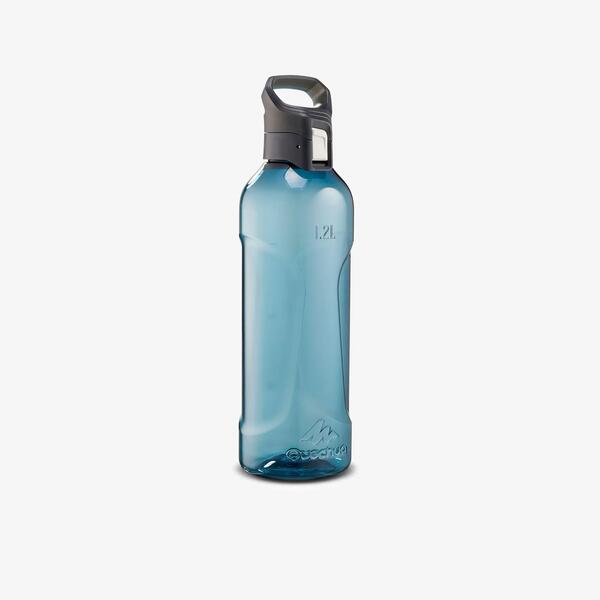
Bottles and flasks to keep you drinking all day.
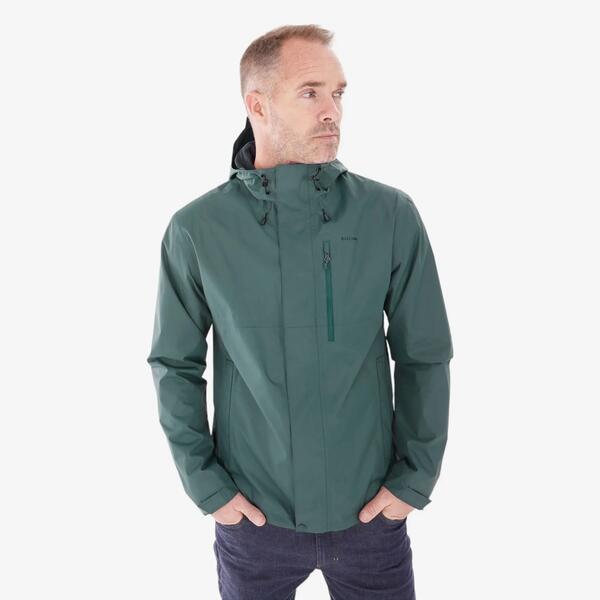
Layers to keep showers and wind off you.
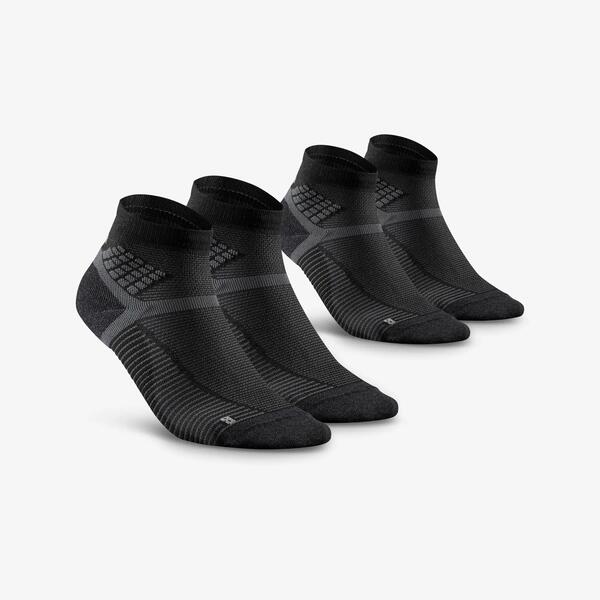
Socks to pair with your boots on long walks.
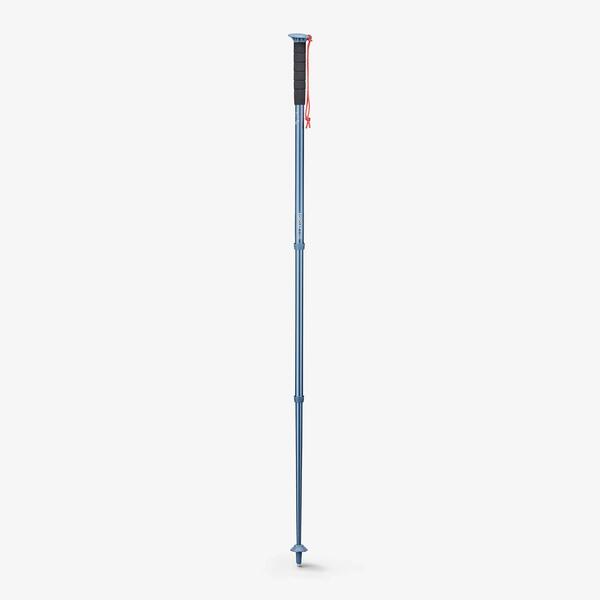
Single poles and pairs to steady you on hills.
For a day out, a pack somewhere between 10 and 30 litres usually does the job. Look for padded straps, a hip belt if you carry more, and side pockets you can reach without stopping.
How much you need depends on the heat, the climb and your body, so plan generously. Check before you go whether there's any water on the track, and never count on it being drinkable untreated.
Grip matters more than looks on loose gravel and wet rock. Take a few short walks in fresh shoes first, and wear the socks you'll hike in when you try them on.
Australian weather can turn quickly, especially in the mountains. A light rain jacket that folds into your pack covers you for showers, wind and a cool summit.
Start here if you're heading out on your first marked trail. It covers the basics without loading you up.
Little legs tire fast, so pack extra snacks and water. Let older kids carry a small pack of their own.
Use it as a quick check before you leave the house. It's easy to forget the head torch until you need it.
| Item | Why it matters | Tip |
|---|---|---|
| Daypack | Carries everything comfortably | Pack heavy items close to your back |
| Water | Heat and effort drain you quickly | Carry more than you think you'll need |
| Snacks and lunch | Keeps your energy steady | Pick foods that won't melt or crush |
| Hiking shoes and socks | Grip and comfort on rough ground | Wear them in before a long walk |
| Rain jacket | Weather can change without warning | Keep it near the top of your pack |
| Hat and sunscreen | Australian sun is strong year round | Reapply sunscreen through the day |
| Head torch | Walks often take longer than planned | Check the battery before you leave |
| First aid kit, phone and map | Helps you handle small problems | Tell someone your route and return time |
The core list is a comfortable daypack, plenty of water, snacks or lunch, worn-in hiking shoes, a rain jacket, sun protection, a head torch and a small first aid kit. Add a phone, a map or downloaded route and a little cash. Adjust for the season and the track, and check park alerts before you leave.
Most people are happy with something between 10 and 30 litres. Shorter, easy walks suit the smaller end, while longer days with extra layers, more water and lunch suit 20 to 30 litres. Try it on loaded if you can, and look for straps that sit comfortably on your shoulders.
There's no single answer, because heat, distance, climbing and your own body all change how much you drink. Plan generously, sip often rather than waiting until you're thirsty, and carry extra on hot days. Check before you go whether the route has water, and treat any you collect from creeks or tanks.
On a short, well-formed track, comfortable runners can be fine. On rocky, wet or steep ground, hiking shoes or boots give you better grip and more protection underfoot. Whatever you choose, wear them in first and pair them with socks that suit long walks to help prevent blisters.
A basic first aid kit, a charged phone, a head torch and a map or downloaded route cover most situations. Let someone know where you're going and when you expect to be back. In remote areas, many walkers also carry a personal locator beacon, and some parks hire them out.
Pack the list, check the weather and enjoy the track. Everything you need for the day is in one place.
Free delivery on orders over $150. Members get our lifetime warranty.