Buying a size to grow into
Oversized pads slip, rub and slow a young batter down. A pair that fits now is safer and easier to run in.
Good cricket pads let you stride forward and run hard without a second thought about your shins. Here is what matters in fit, weight and batting side, plus the pads in our range for juniors and adults.
Pick by size and batting side, then finish the kit.
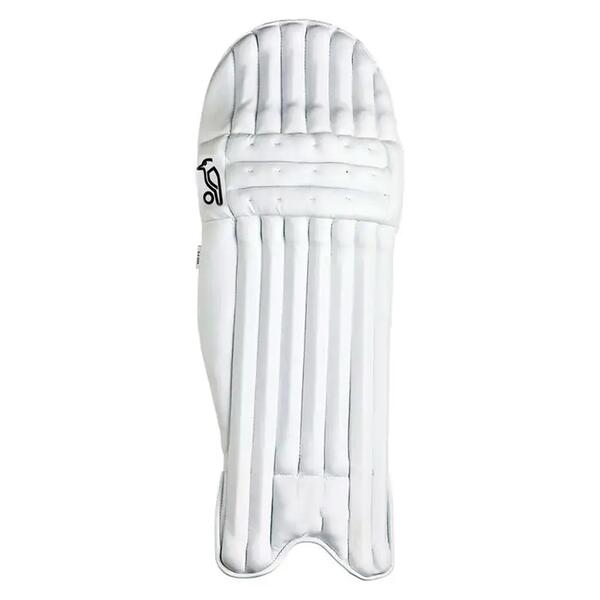
Junior and youth sizes for younger, growing batters.
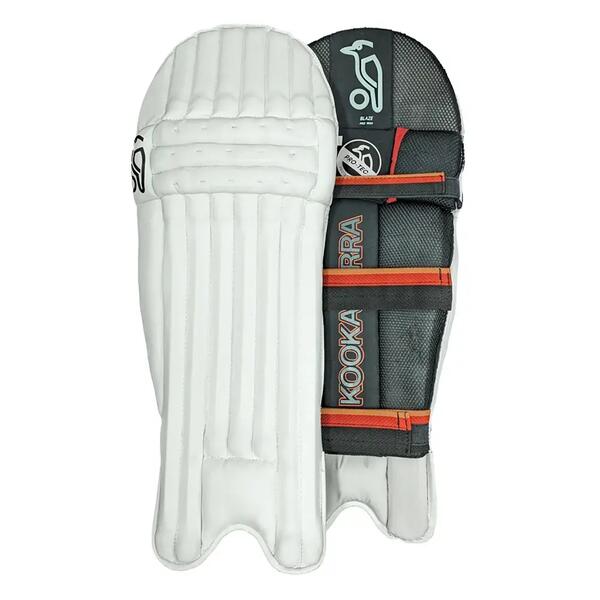
Small adult, men's and oversized men's fits.
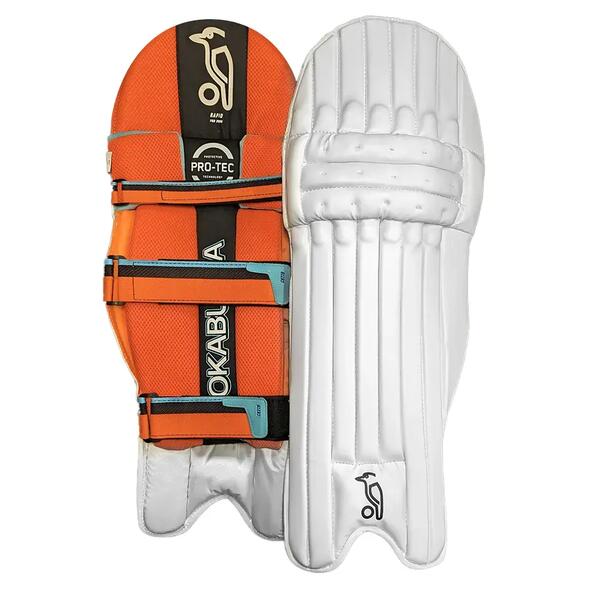
Left-hand, right-hand and ambidextrous pads to choose from.
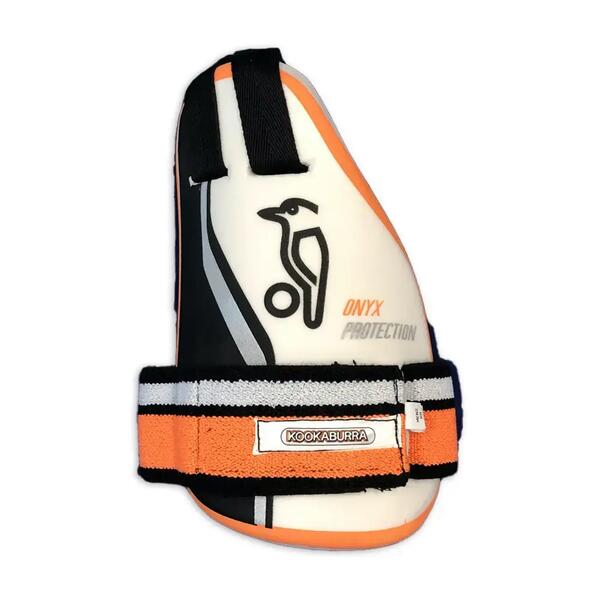
A few inner thigh guards sit within this range.
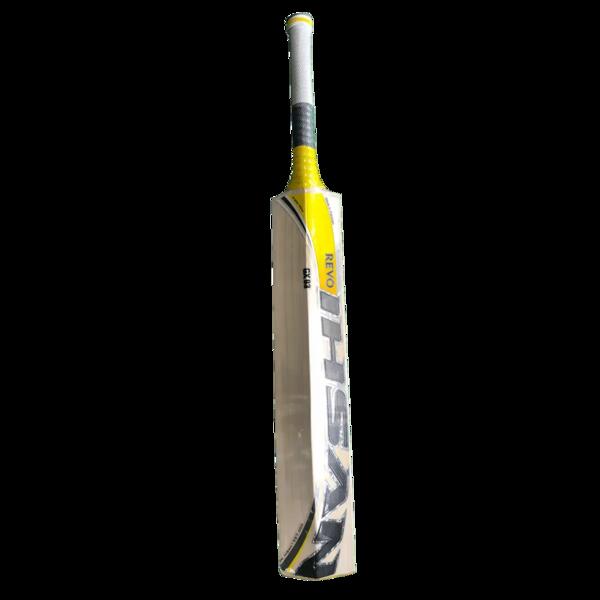
English willow, Kashmir willow and backyard bats.
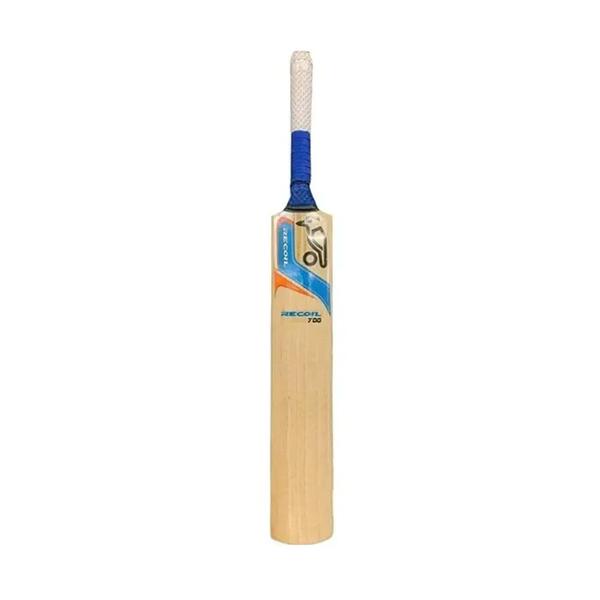
Bats, pads, helmet grilles and whites from Kookaburra.
Stand up straight in the pads: the knee roll should sit centred over your kneecap. The bottom should cover the top of your foot without catching your spikes. Pads that are too long make running awkward, and short ones leave the knee exposed.
Some pads are cut for one side, with extra wing protection on the outside of the front leg. Right-handers lead with the left leg, left-handers with the right. Ambidextrous or dual-wing pads suit either, which helps in a shared team kit bag.
Lighter pads make quick singles and long innings less tiring. Heavier, more padded models feel reassuring against faster bowling. Pick the lightest pair that still gives you confidence for the pace you face.
Look for firm padding down the shin, a well-shaped knee roll and a solid wing on the outside. Three straps that hold the pad snug stop it twisting when you move. A separate inner thigh guard covers the gap the pad leaves.
Oversized pads slip, rub and slow a young batter down. A pair that fits now is safer and easier to run in.
A pad cut for the wrong side puts the thicker wing where you need it least. Check the side before you buy, or choose an ambidextrous pair.
Strap the pads snug, not crushing. You should be able to bend your knee fully and run without the straps digging in.
| Size label | Usually suits | Fit check |
|---|---|---|
| Small junior and junior | Younger children starting hard-ball cricket | Knee roll on the kneecap, foot covered |
| Youth | Teenagers between junior and adult sizes | Room to bend the knee fully |
| Small adult | Older teens and shorter adults | No gap between pad top and thigh |
| Adult or men's | Most adult batters | Straps snug without digging in |
| OSM (oversize men's) | Taller adults with longer legs | Pad bottom clears your spikes |
Go by leg length and height rather than age, because children of the same age grow at very different rates. Stand up straight with the pad strapped on: the knee roll should sit centred over your kneecap and the bottom should cover the top of your foot. Junior and youth sizes suit most children and teens, while small adult, adult and oversize men's cover grown-ups from shorter to taller. If you fall between two sizes, the smaller one usually moves better.
Some are. Pads cut for one side carry a thicker wing on the outside of the front leg, which is the leg facing the bowler. A right-handed batter leads with the left leg, so they want the extra wing on that pad. Ambidextrous or dual-wing pads have wings on both sides and suit either batter, which makes them handy for families and club kit bags.
Let them dry fully after every game or net session, ideally in a shaded, airy spot, because damp padding breeds odour and weakens the stitching. Wipe the facing with a damp cloth and a little mild soap, and avoid soaking them or putting them in a washing machine unless the maker says it's fine. Store them flat or hanging, not crushed under a heavy bag, so the shin and knee padding keep their shape.
For hard-ball cricket, batters are generally expected to wear leg pads along with a helmet, an abdominal guard and batting gloves. Many junior associations set their own protective gear rules for matches and training, so check with your club before the season starts. For soft-ball or backyard games with a tennis ball, pads are usually optional.
Pads protect the shin and knee, but they leave the inside of the front thigh open, and that's a common spot to get hit. An inner thigh guard straps on under your trousers to cover it. Many batters add one once they start facing quicker bowling. Right-handers wear it on the left thigh and left-handers on the right, so check the side when you buy.
Find a pair that fits your size and batting side, then get out to the nets with confidence.
Free delivery on orders over $150. Members get our lifetime warranty.