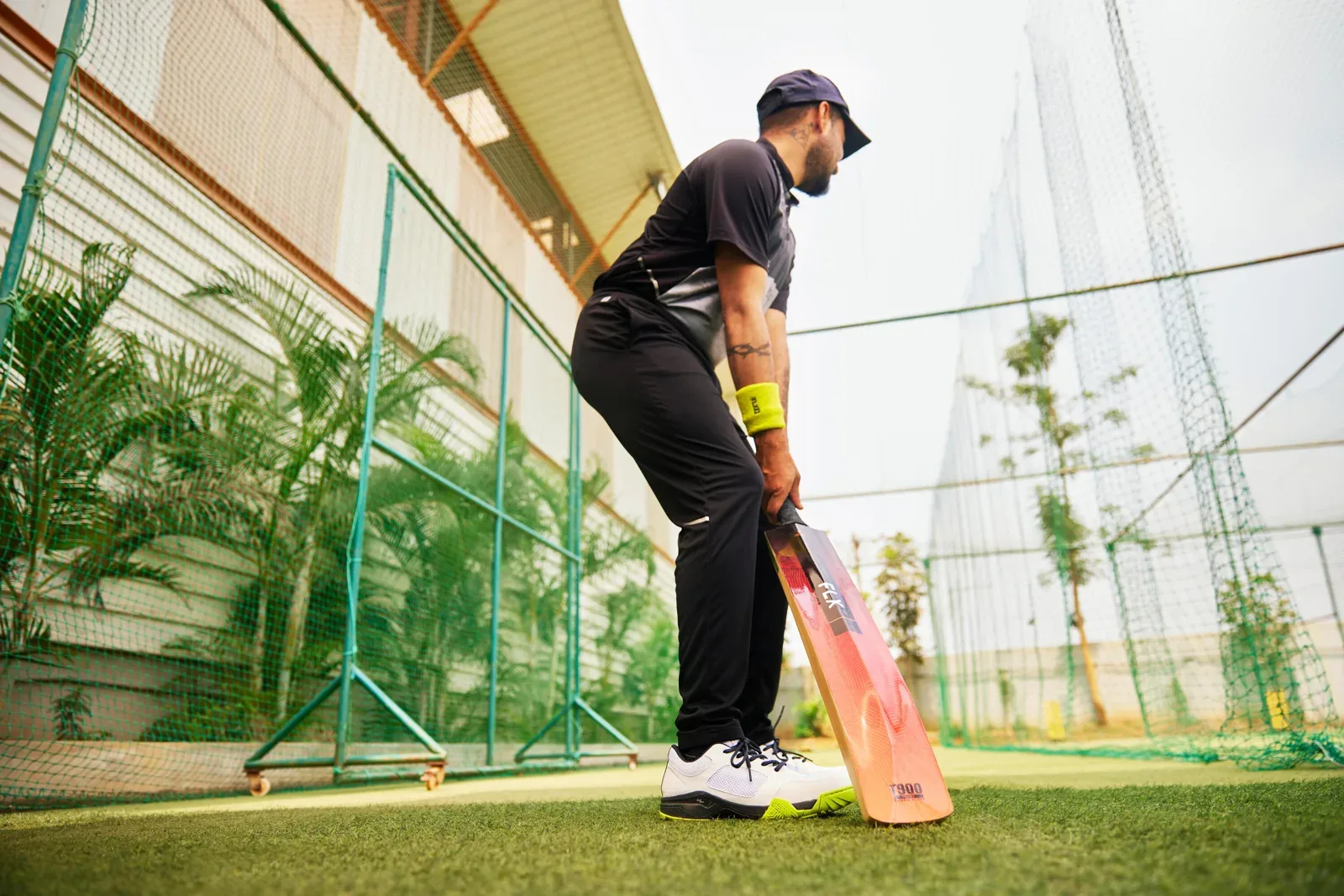
Buying too big for a junior
An oversized bag is heavy before it is even packed. Choose a size your child can lift into the car on their own.
A good cricket kit bag keeps your bat, pads and whites together and gets them to the ground in one trip. Here is how we pick the right size and style for juniors, club players and weekend hitters.
Wheeled, carried or compact, plus the gear that goes inside.
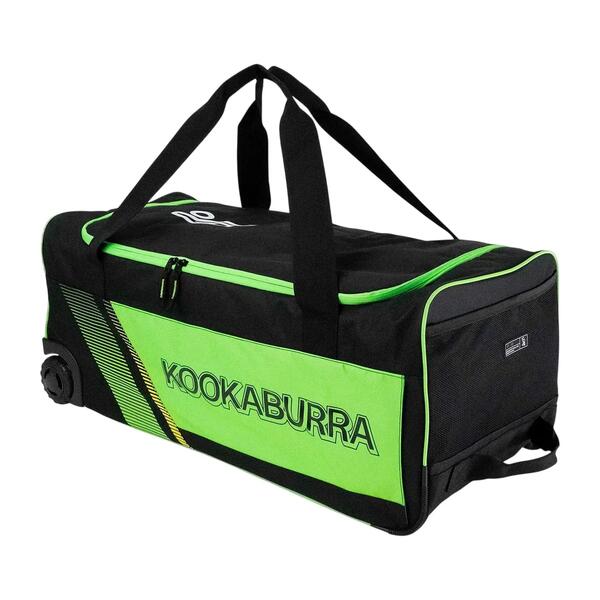
Wheeled options that take the weight off your shoulder.
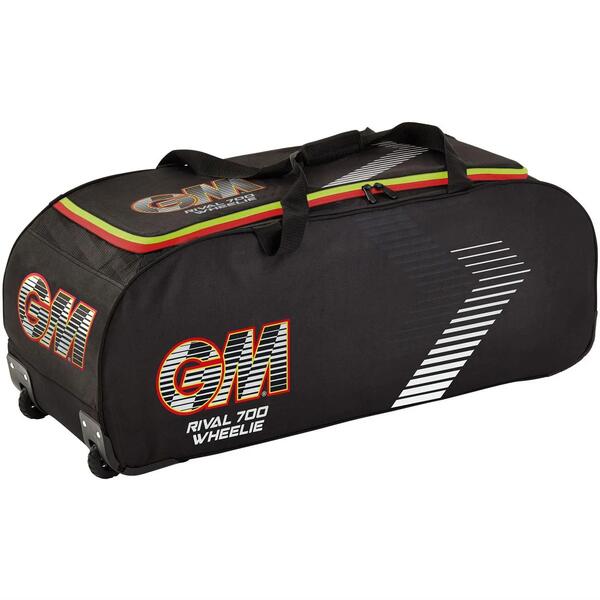
Roomy holdalls you carry by the handles or strap.
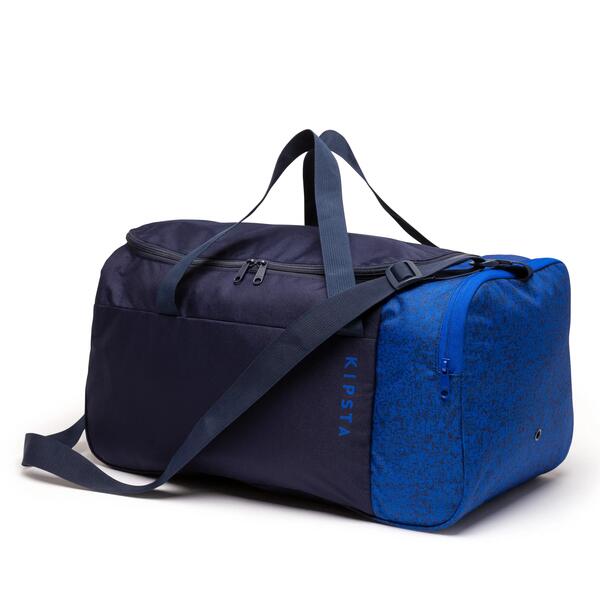
Smaller duffles that suit a junior's lighter kit.
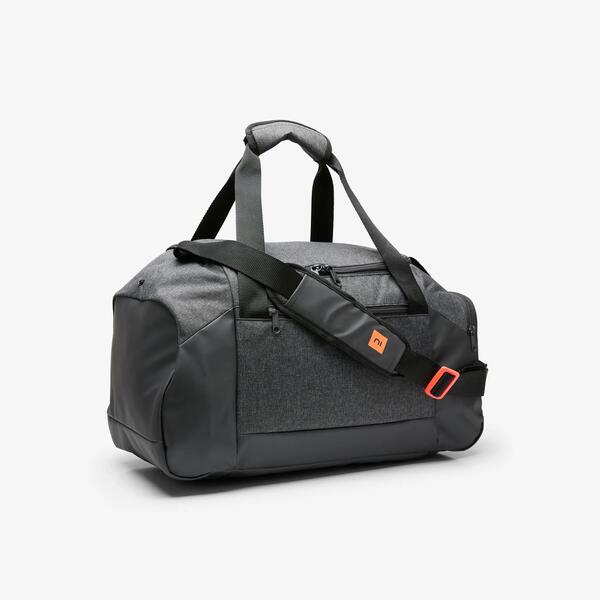
Options with a separate pocket for your spikes.
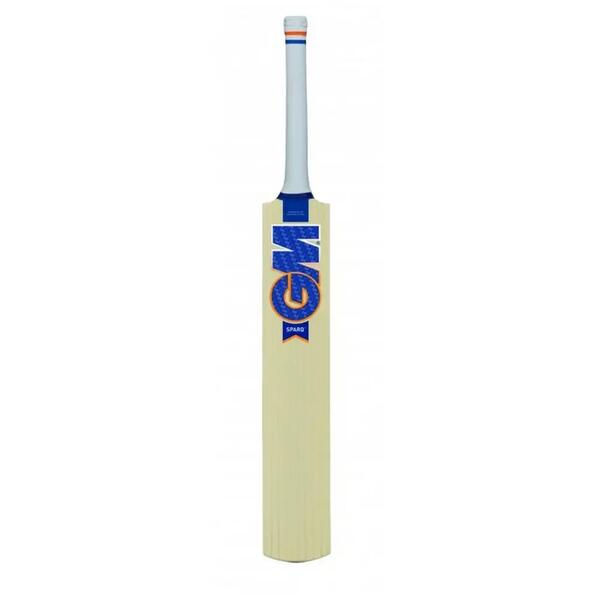
Bats for backyard games through to club cricket.
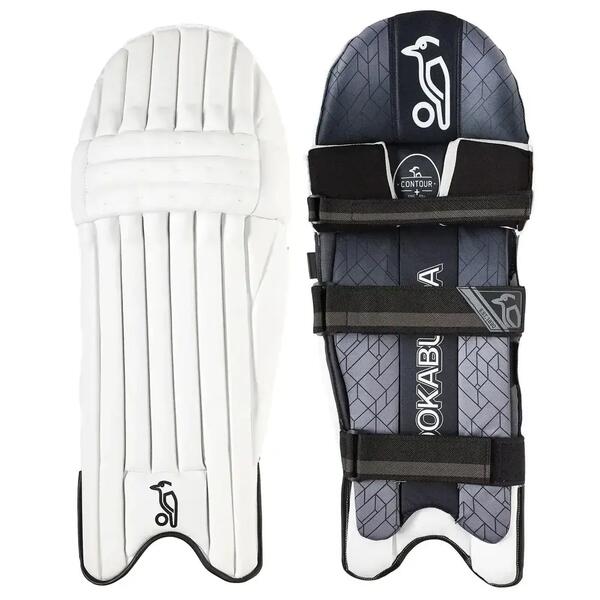
Batting pads in junior, youth and adult sizes.
Lay out everything you carry on match day, then pick a bag with a little room to spare. Juniors with a bat, pads and a water bottle need far less space than a senior carrying a helmet, two bats and spare whites.
Wheels take the load off your back when the walk from the car park is long. A holdall is lighter and easier to throw in a boot, which suits shorter trips and younger players.
A separate pocket keeps muddy spikes and sweaty socks away from clean whites. If your bag has no shoe pocket, a small shoe bag inside does the same job.
Kit bags get dragged across car parks and change rooms, so look for a sturdy base and solid zips. Check the handles and strap anchor points, because they carry the full weight of the kit.
An oversized bag is heavy before it is even packed. Choose a size your child can lift into the car on their own.
Damp gloves and whites left zipped up overnight start to smell fast. Open the bag and air everything out after each game.
Check the bag is long enough for your bat before you buy. A bat poking out of the zip wears the bag and the blade.
| Bag type | Best for | Keep in mind |
|---|---|---|
| Wheeled duffle | Seniors and keepers with a full kit | Heavier to lift into a car boot |
| Holdall | Club players on short walks | All the weight sits on your shoulder |
| Compact duffle | Juniors and backyard games | Check it fits pads and a bat |
| Sports bag with shoe pocket | Training nights and light kit | Less room for helmets and pads |
Most juniors carry a bat, a pair of pads, gloves, a box, a cap and a water bottle, so a compact duffle or holdall is usually enough. Look for a bag they can lift and carry without help, as a half-empty large bag is still awkward for small players. As they move into hard-ball cricket and add a helmet and thigh guard, step up a size.
A wheelie bag suits players with a full kit and a long walk from the car, because the wheels carry the weight. A holdall is lighter, cheaper to replace and easier to fit into a car boot or team bus. Many senior players and keepers prefer wheels, while juniors and casual players often find a holdall simpler.
Smell comes from sweat and moisture trapped inside, so the fix is airflow. Take everything out after each game, hang up damp gloves and whites, and leave the bag open to dry. A wipe with mild soapy water every few weeks, plus a separate bag for spikes, keeps things fresher for longer.
A packed kit bag can be heavy for a young player, so keep the load sensible and only pack what they need for that day. Show them how to lift with bent knees and carry on both shoulders where the bag allows, or use wheels for longer walks. If a child complains of back or shoulder pain, lighten the load and check with a health professional.
Many cricket holdalls and wheelie bags are long enough to take a full-size bat, but sizes vary, so check the bag's length against your bat before you buy. A senior short-handle bat is roughly 85 cm long, while junior bats are shorter. If the bat sits loose, a bat cover stops it rubbing against helmets and grilles in transit.
Pick the bag that suits your kit and your walk to the ground, then fill it with the gear from our cricket range.
Free delivery on orders over $150. Members get our lifetime warranty.