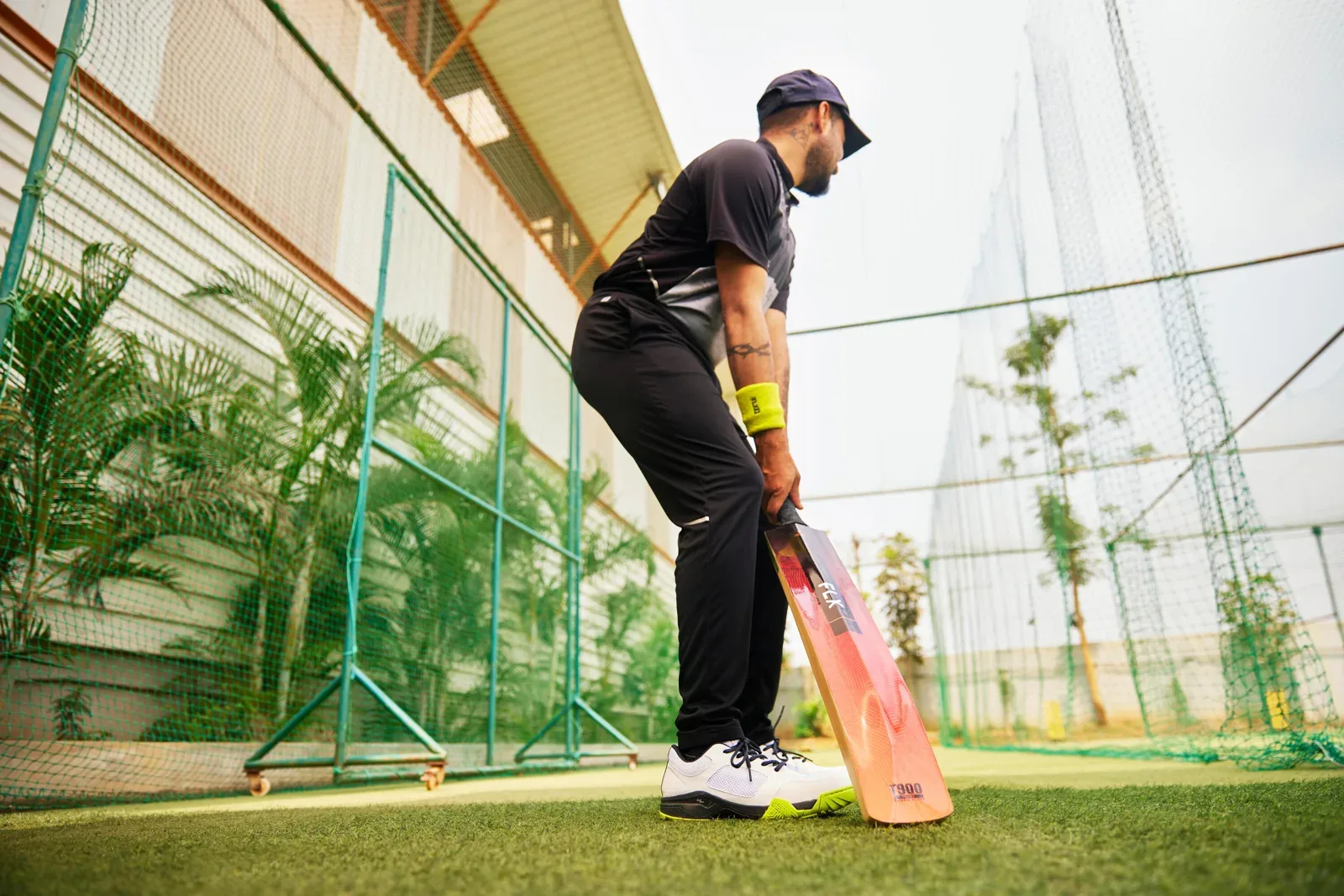
Buying a size to grow into
A loose helmet can slip over your eyes or shift on impact. Buy for the head you have today, especially for junior players.
A good cricket helmet sits snug, lets you see the ball clearly and stays put when you move. Here is what to check before you buy, and the helmets and grilles in our range.
A full helmet for new batters, or a fresh grille for the one you own.
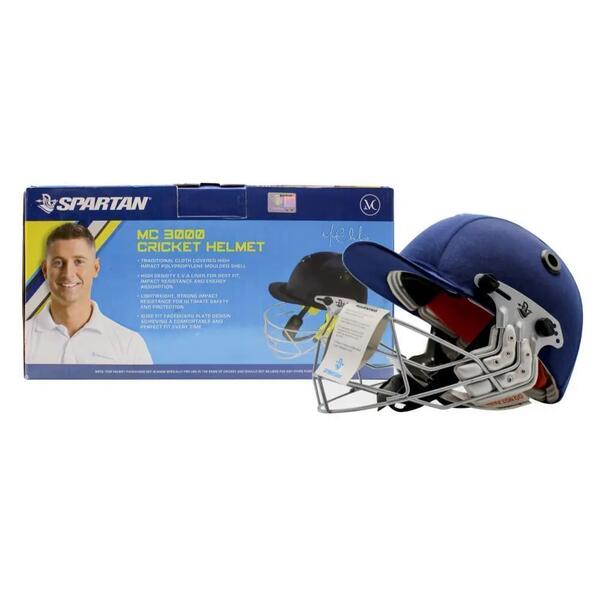
A full batting helmet with shell and grille fitted.
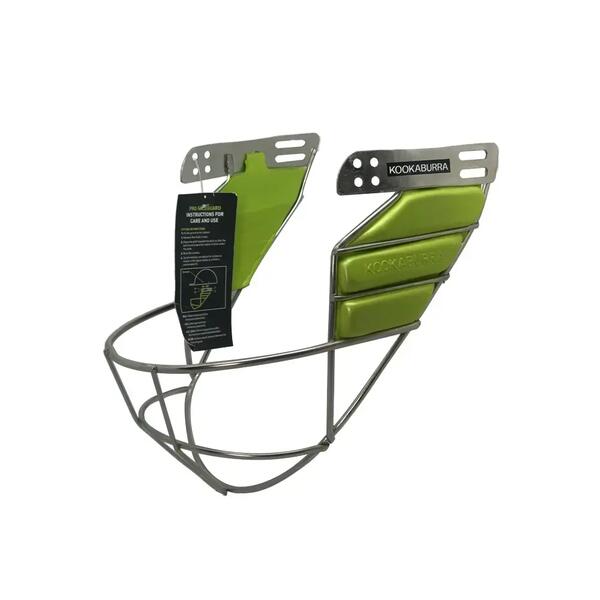
Lighter replacement grilles to refresh a worn helmet.
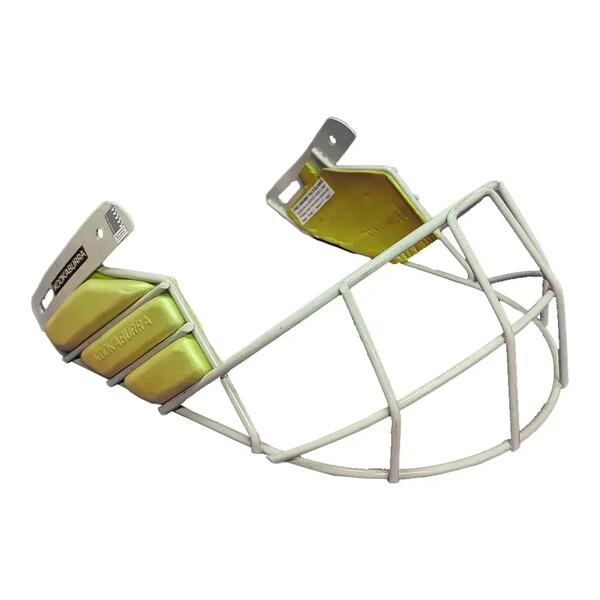
Coated steel guards, a tough and budget friendly choice.
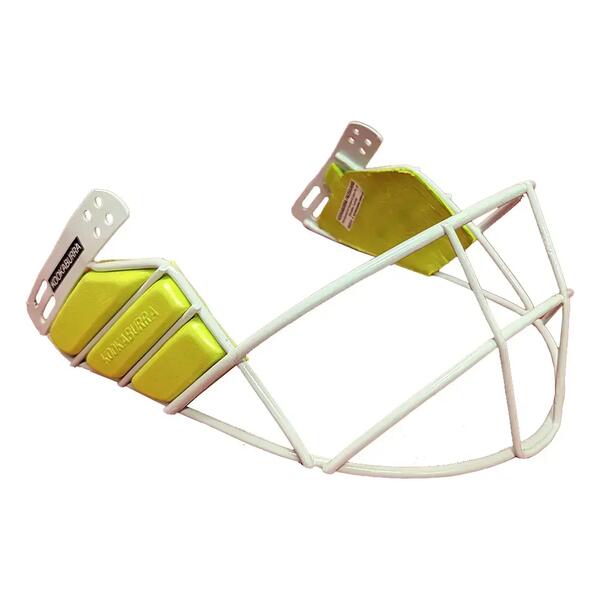
Grilles in small and medium to match your shell.
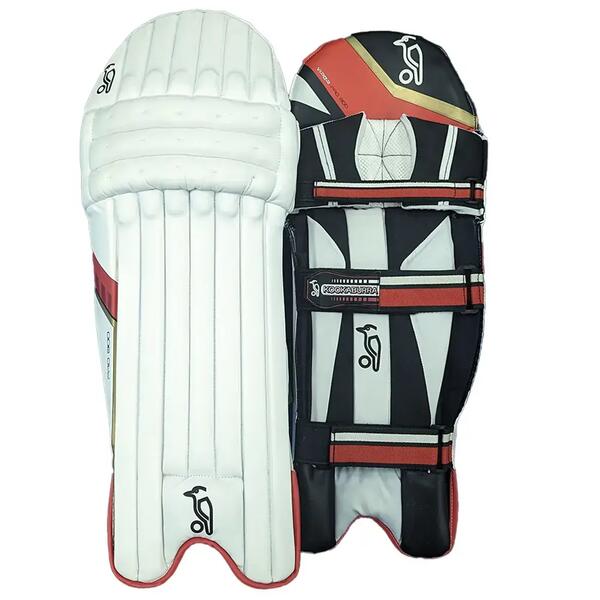
Leg guards in junior, youth and adult sizes.
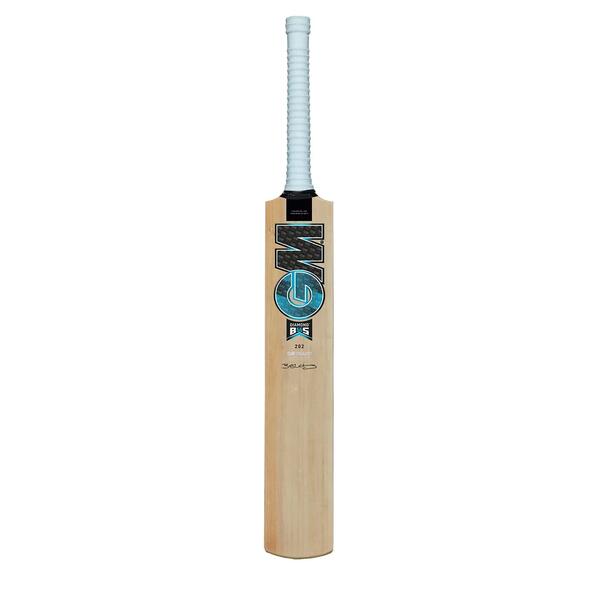
English and Kashmir willow bats for juniors and adults.
Measure around your head just above the eyebrows and match it to the size guide. The helmet should sit level, with the peak just above your eyes, and not rock when you shake your head.
Cricket Australia recommends helmets that meet the current British Standard, BS 7928. Check the product details or label, and ask your club or association what they require.
The gap between the peak and the grille should be small enough that a ball cannot pass through. Grilles are made for specific shells, so a replacement must match your helmet's brand, model and size.
Look for soft padding that sits evenly and a chin strap that clips firmly without pinching. A comfortable helmet is one you will keep on for every ball you face.
A loose helmet can slip over your eyes or shift on impact. Buy for the head you have today, especially for junior players.
A grille from another brand or model may not fit or protect properly. Only fit a replacement made for your exact helmet.
A heavy blow can damage the shell or grille even when nothing looks wrong. Have it checked, and replace parts when in doubt.
| Option | Best for | Check before buying |
|---|---|---|
| Complete helmet | New batters, or anyone replacing an old helmet | Head measurement and safety standard |
| Titanium grille | Players who want a lighter face guard | Made for your helmet's brand, model and size |
| Coated steel grille | Club and junior players after a tough, lower cost option | Slot and hole pattern matches your shell |
| Small or medium grille | Matching a replacement to your current helmet | The size printed inside your helmet |
Wrap a soft tape measure around your head about 1cm above the eyebrows and over the widest part at the back, then compare it with the size guide on the product page. When you try the helmet on, it should feel snug all round, sit level with the peak just above your eyes, and stay put when you nod or shake your head. If it moves, try a smaller size or adjust the fit system. Juniors should be sized for their head today, not for next season.
Both do the same job of stopping the ball reaching your face. Titanium is lighter for its strength, so the helmet feels less front heavy over a long innings, but it usually costs more. Coated steel is heavier and very durable, which makes it a sensible choice for club, school and junior cricket. Pick the material that suits your budget, then make sure the grille is made for your helmet.
Cricket Australia recommends that batters, wicketkeepers standing up to the stumps and close fielders wear a helmet that meets the current British Standard, BS 7928. Many associations and clubs make this a rule, so check with yours before match day. Look for the standard on the product details or the label inside the helmet, and ask us if you are unsure.
Replace or have the helmet checked after any heavy blow, even if you cannot see damage, because the shell and liner can be weakened inside. Also look for cracks, a bent or loose grille, worn padding or a strap that will not hold. A helmet that no longer fits snugly, often the case as juniors grow, should be replaced too.
No. Grilles are designed for particular shells, and the slot and hole pattern, size and fixing points need to match your helmet. Fitting the wrong one can leave a gap a ball can pass through. The replacement grilles in our range are made for specific helmet models in small and medium, so check the product name and description against your helmet before you order.
Find a helmet that fits well, or refresh the one you trust with a new grille.
Free delivery on orders over $150. Members get our lifetime warranty.