Using a leather ball in the backyard
A hard ball with no protective gear is how most casual cricket injuries happen. Keep leather for the nets and the field.
The right cricket ball depends on the format you play, the age of the players and whether it's for nets or match day. Here's what matters, and the balls in our range that fit.
Leather balls for every format, plus the gear that goes with them.
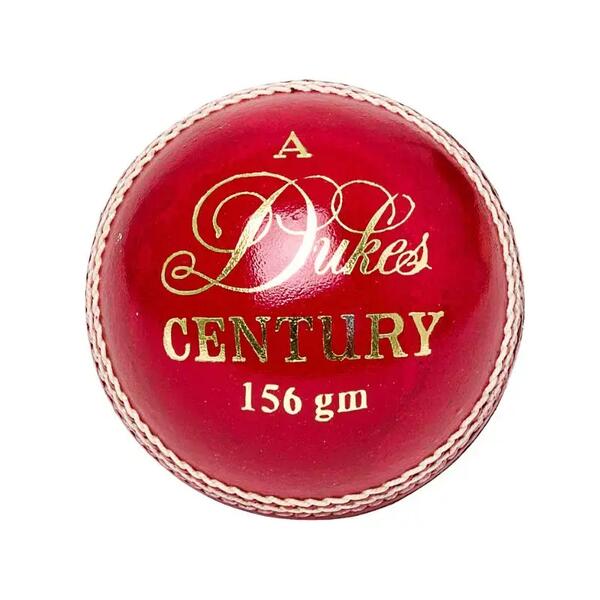
Red leather balls for traditional club matches.
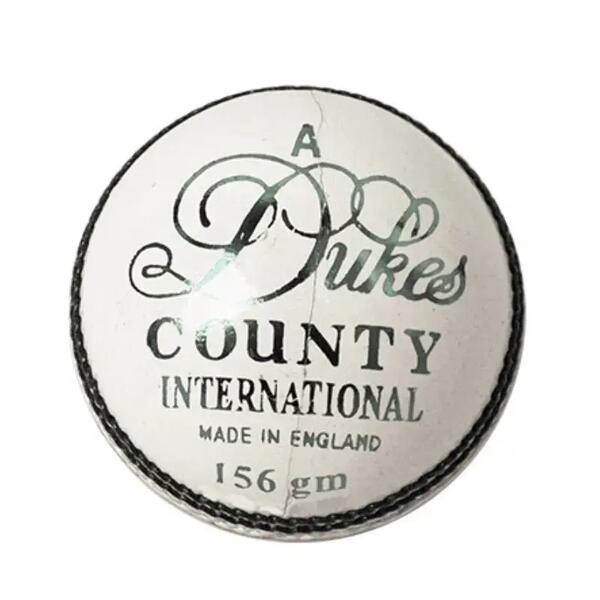
White leather options for one-day and limited-overs cricket.
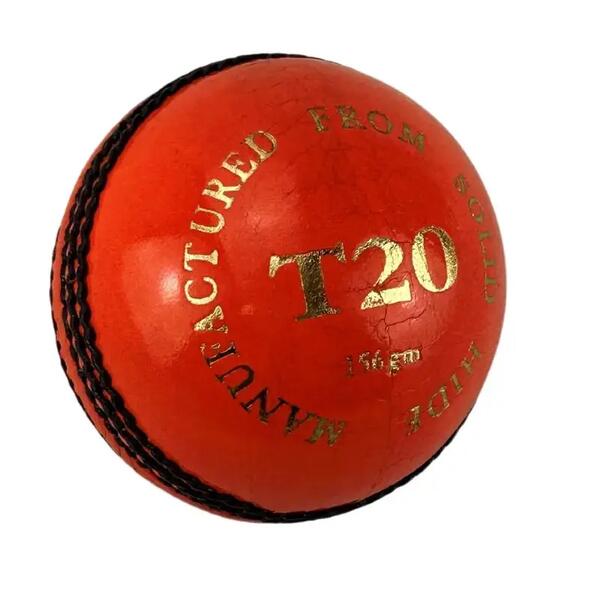
A high-visibility orange option for T20 and practice.
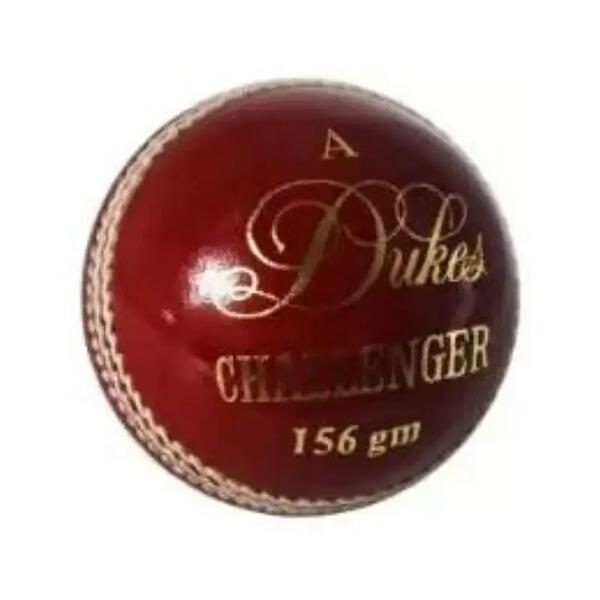
Several grades, from net sessions to match day.
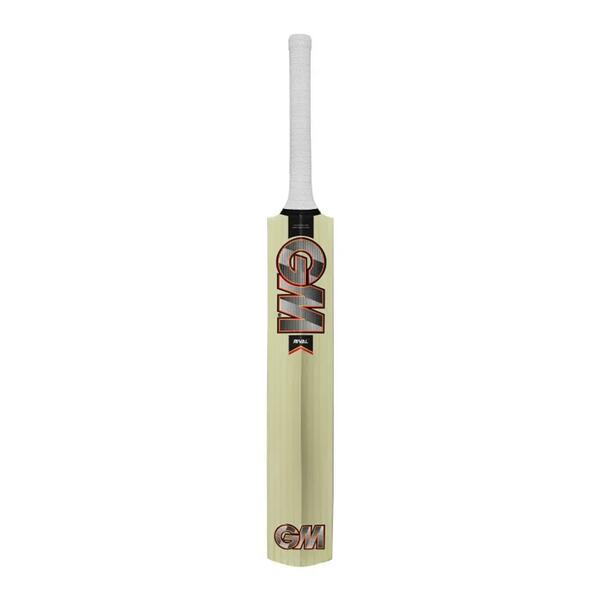
Willow bats for juniors and adults, plus grips.
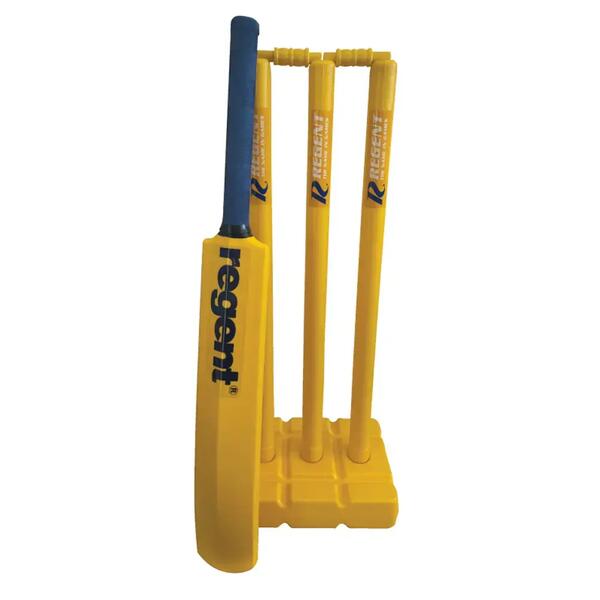
Bat and ball sets for beach and park games.
Red balls are the traditional choice for longer club matches played in whites. White balls show up against coloured clothing, so they suit one-day and limited-overs games. Check what your league uses before you buy.
Senior men's balls are the heaviest, with lighter balls set for women's and junior cricket. Using the right weight protects young arms and makes bowling feel natural. Your club or association will confirm what's needed.
Match-grade balls use better leather and tighter stitching, so they hold their shape and seam for longer. Training grades cost less and are fine for nets and fielding drills. Many players keep one of each.
A leather ball is hard, so batters need a helmet, pads and gloves. For backyard games or beginners, a soft or tennis-style ball keeps things fun and safe. Move up to leather once the basics are in place.
A hard ball with no protective gear is how most casual cricket injuries happen. Keep leather for the nets and the field.
A senior ball is too heavy for most young bowlers. Ask the club which weight their age group plays with.
Nets and fielding drills scuff a ball fast. Keep a separate practice ball so your match ball stays in good shape.
| Ball type | Best for | Good to know |
|---|---|---|
| Red leather | Longer club matches in whites | The traditional ball, and the one most clubs use for multi-day games |
| White leather | One-day and limited-overs cricket | Easy to see against coloured kit, but shows wear sooner |
| Bright coloured leather | T20, practice and casual hits | Easy to spot in the field and in long grass |
| Soft or tennis-style | Beginners, kids and backyard games | Safe without full protective gear, and bounces more |
It depends on who's playing. Under the Laws of Cricket, a men's ball weighs between 155.9g and 163g, a women's ball between 140g and 151g, and a junior (under 13) ball between 133g and 144g. Junior formats often use lighter or softer balls again, so it's worth checking with your club or association before you buy. If you're unsure, ask the coach what the age group plays with.
The colour is mostly about visibility. Red balls are traditional for longer matches played in white clothing, while white balls are used in one-day and limited-overs cricket where players wear coloured kit. Brighter balls, such as orange, are easy to spot and work well for practice and casual games. White balls tend to show dirt and wear sooner than red ones, so they may need replacing more often.
Wipe it with a dry cloth after each session and let it dry naturally if it gets damp, away from heaters and direct sun. Heat and moisture can dry out the leather and loosen the stitching. Store it somewhere cool and dry, and keep your match ball apart from your practice balls so it doesn't pick up extra scuffs.
Batters facing a leather ball should wear a helmet, pads, batting gloves and an abdominal guard, and wicketkeepers need their own gloves and pads. Fielders close to the bat often wear a helmet too. For younger players, follow the club's safety guidance and make sure play is supervised. If you're just starting out, a soft ball lets you learn the skills before stepping up.
If you play in a team, the club usually supplies match balls, so a training ball for nets and fielding practice is often the better buy. Training grades cost less and are built to take a beating. If you're buying for a social game or want to practise with the same feel as match day, a higher grade ball holds its shape and seam for longer. Many players keep one of each.
Pick the colour and grade that suit your game, then gear up for the season ahead with the rest of our cricket range.
Free delivery on orders over $150. Members get our lifetime warranty.