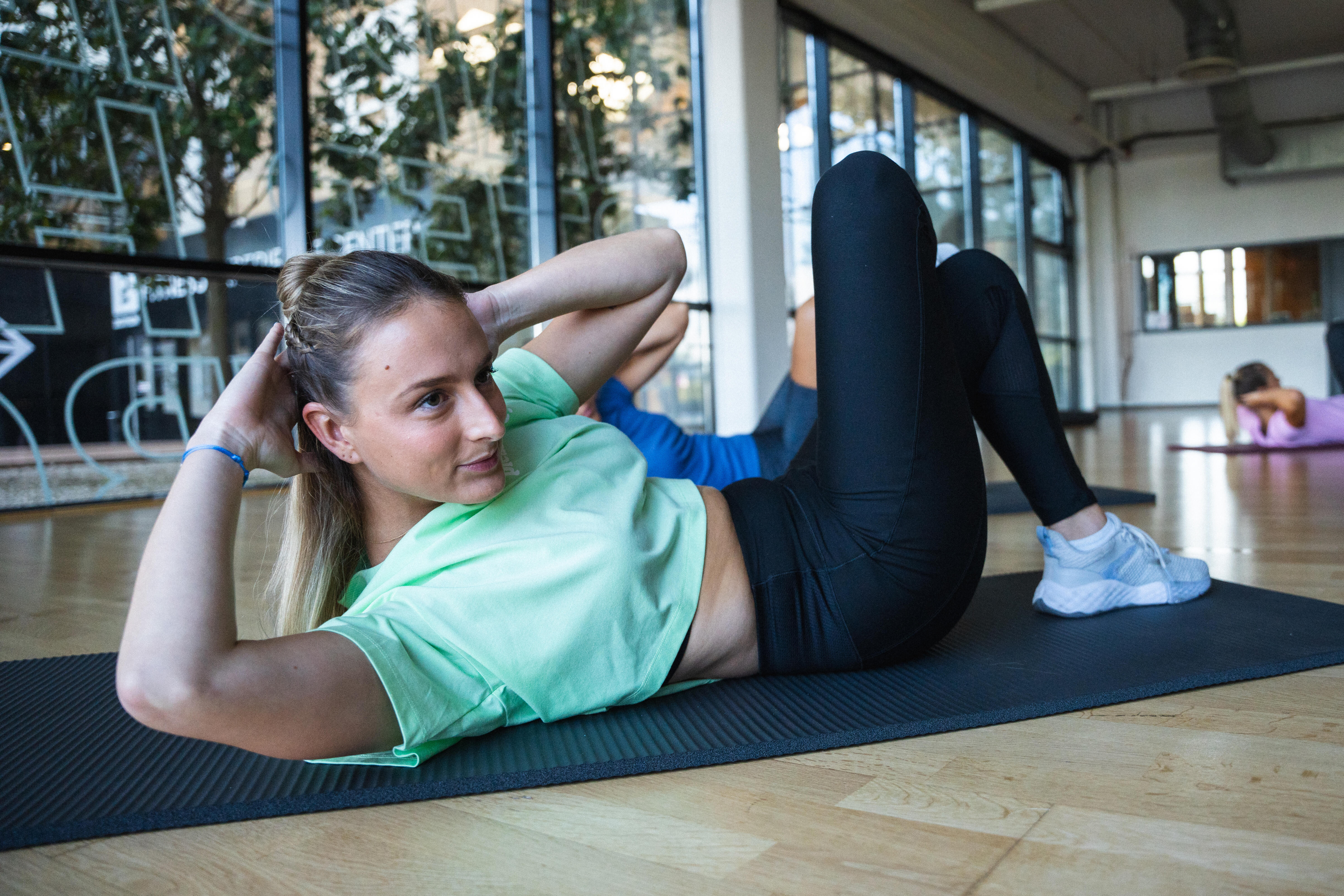
Compression leggings provide close-fitting coverage for running, workouts and other active routines. Their streamlined construction stays close to the body as you move, making them easy to wear alone or underneath other sportswear. From demanding training sessions to everyday active wear, they're a versatile layer for people who prefer compression as part of their routine.
Lighter compression can feel more comfortable for everyday training and longer wear, while firmer compression provides a more held-in feel during demanding sessions. Check the product's stated compression level and match it to your activity and comfort preference. The firmest option isn't automatically the best if it restricts how comfortably you can move.
Fit and Sizing
Compression leggings should fit firmly and evenly without digging into the waist, creating uncomfortable pressure points or restricting your natural movement. Follow the product's sizing guide carefully rather than choosing a smaller size for extra tightness. The right fit should feel secure while still allowing you to squat, bend and move comfortably.
Activity and Use
Match your compression leggings to the activity you'll wear them for most. Running involves continuous, repetitive movement, while gym training can include lifting, squats, lunges and cardio in the same session. If you train across several activities, look for a pair that balances compression with comfortable movement.
Fabric and Breathability
Training in close-fitting leggings can build up heat and moisture, particularly during running or high-intensity workouts. Look for breathable, moisture-managing fabrics that stay comfortable as your session progresses. Stretch is equally important, allowing the material to follow your movements while maintaining its close fit.
Everyday trainers. You want a close, supportive feel for regular gym sessions, fitness classes or general workouts. Lighter compression can provide a comfortable fit while still allowing plenty of freedom to move.
High-intensity trainers. You run, tackle circuits or train at higher intensities where a secure fit matters. Look for breathable, stretchy compression leggings that stay comfortably in place through repeated movement.
Recovery-focused athletes. You include compression garments in your post-training routine. Look for leggings with a clearly stated compression level or graduated compression rather than assuming a tighter fit provides the same function.
How to Look After Compression Leggings
Wash compression leggings according to the care label to protect the elastic fibres responsible for their close, supportive fit. Turn them inside out and use a gentle wash where recommended rather than exposing the fabric to unnecessary heat or friction. Avoid high-temperature drying, which can affect elasticity over time. Let the leggings dry completely before folding them away for your next training session.
Compression leggings by type
Type
Best for
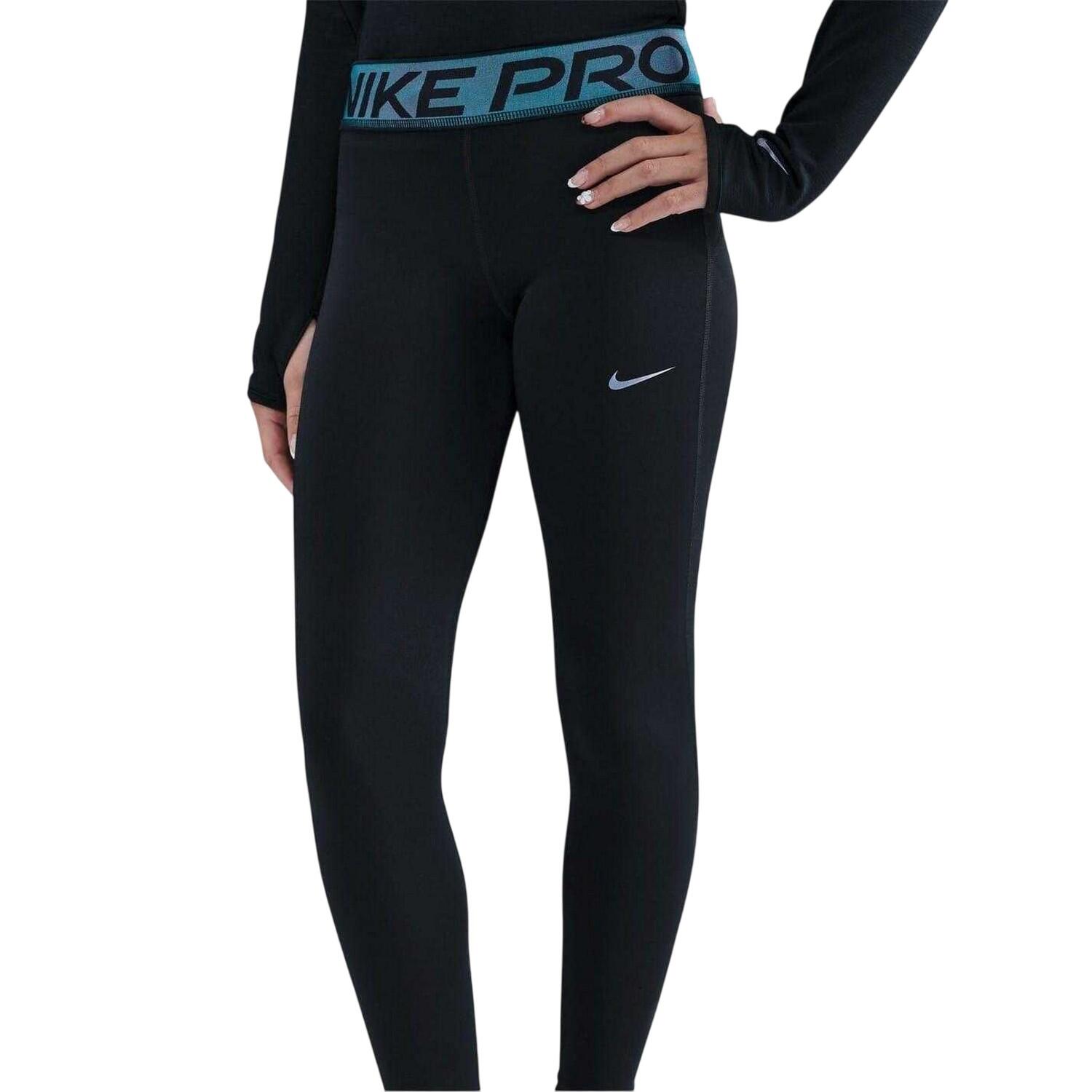
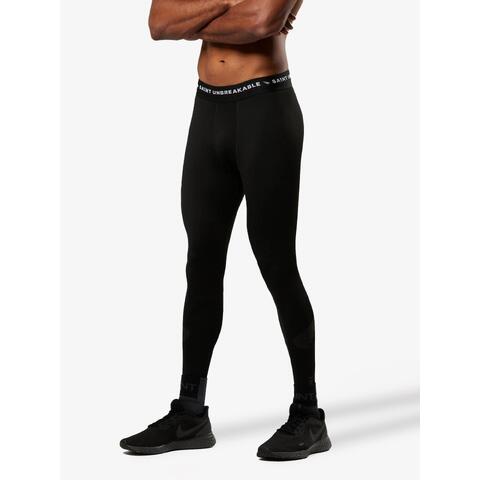
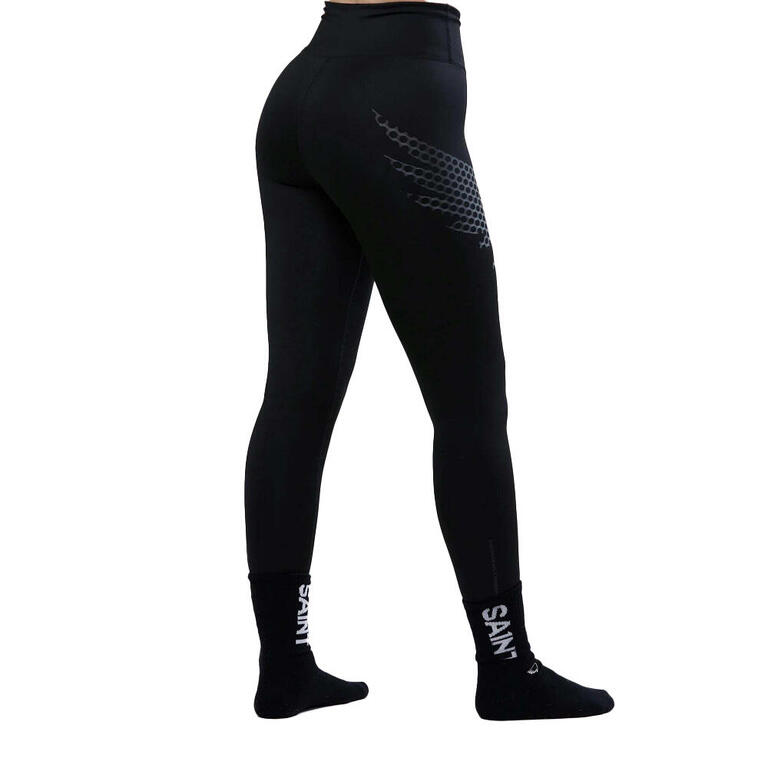
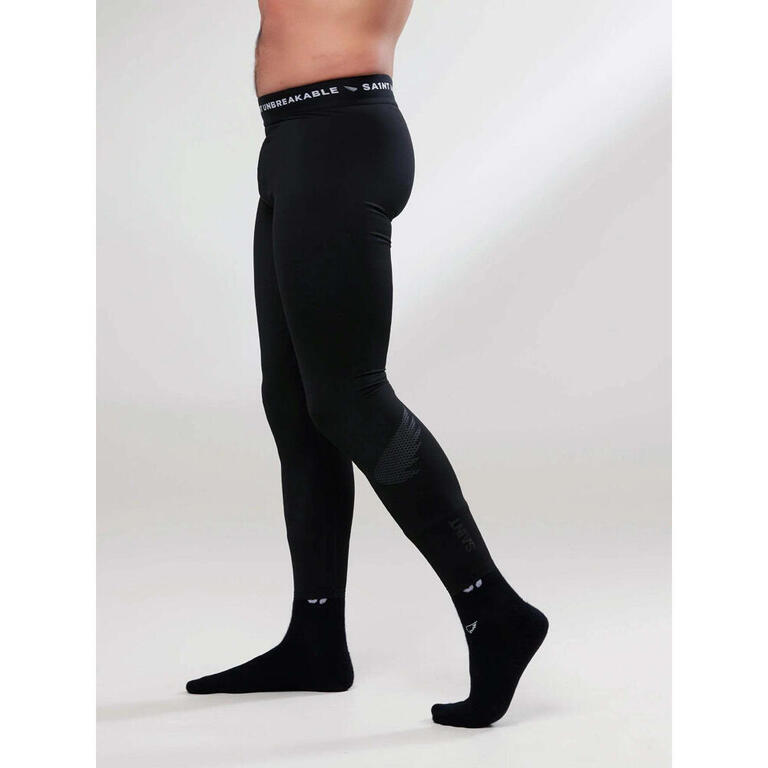
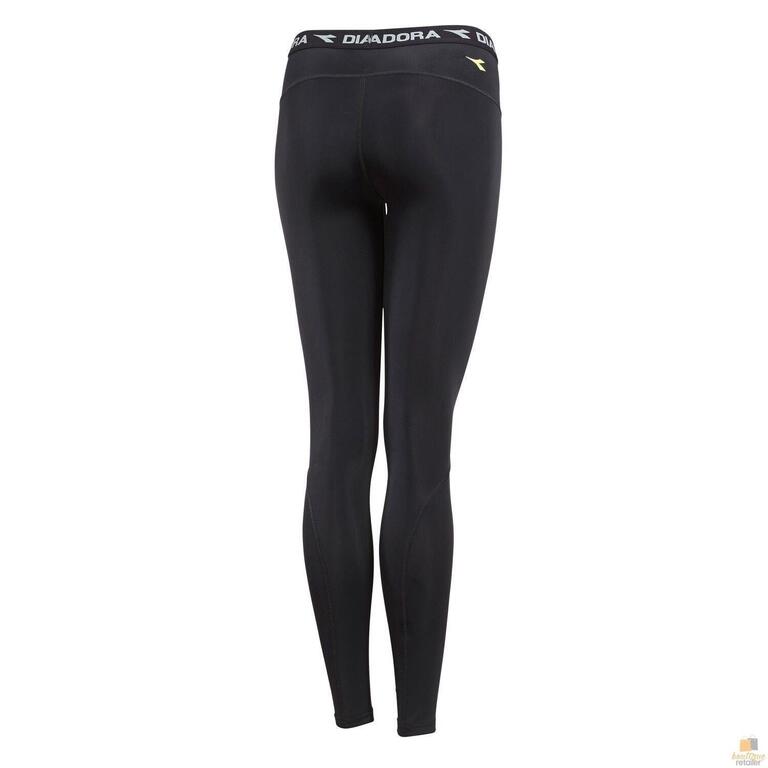
Full-length compression leggings
Training and running when you want support and full leg coverage.
Workouts where a secure, supportive feel around the waist matters.
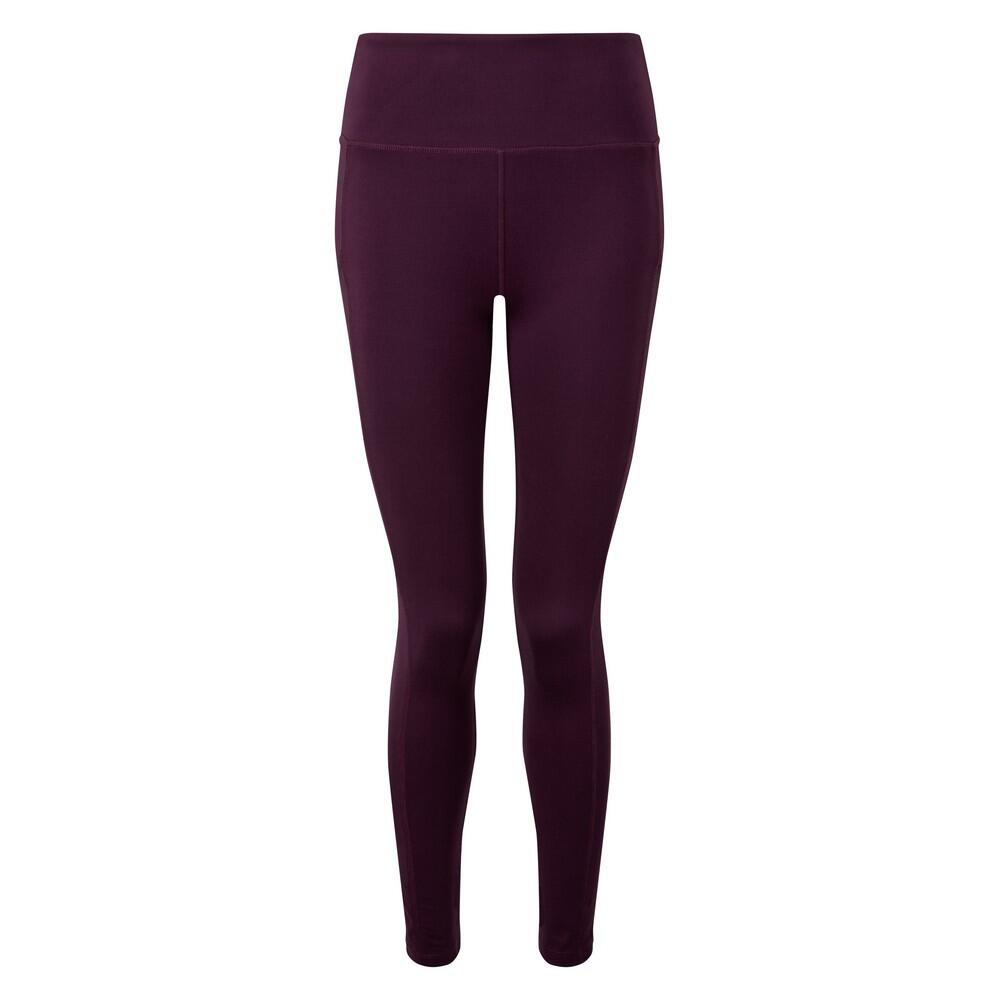
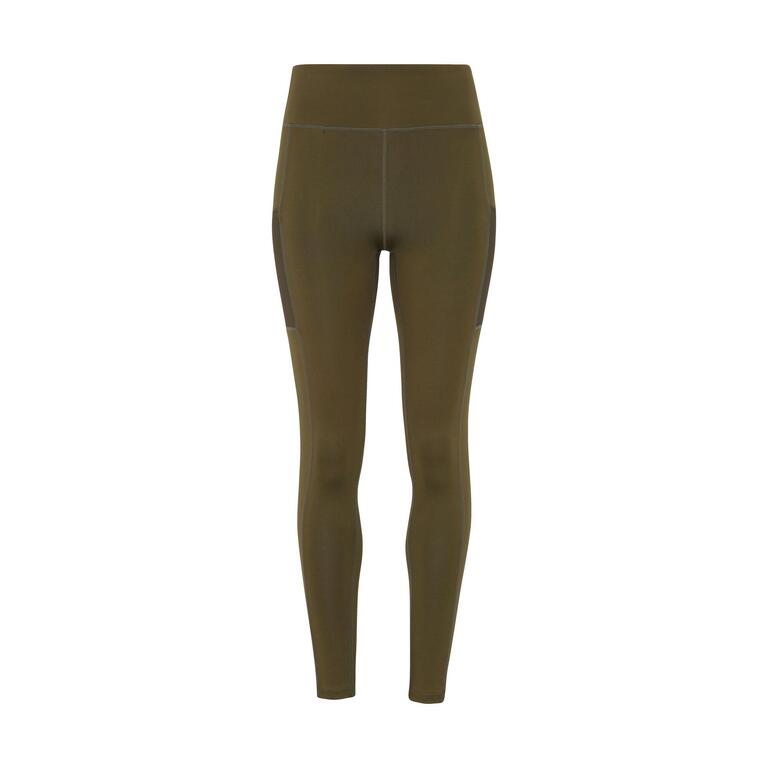
High-waisted compression leggings
Warmer sessions or anyone wanting slightly less lower-leg coverage.
7/8 compression leggings
Longer sessions where fewer seams can help reduce friction.
Compression leggings provide a close, supportive fit around the legs during exercise. Some people prefer that held-in feeling for running, gym training or recovery, whilst others simply find it more comfortable than loose activewear. The level of compression varies between products, so check the individual specifications.
How tight should compression leggings feel?
They should feel noticeably snug without causing pain, numbness or restricting normal movement. You should still be able to squat, bend and move comfortably. If the waistband digs in excessively or the fabric feels restrictive rather than supportive, try another size or compression level.
Can I wear compression leggings for a full workout?
Do I wear underwear under compression leggings?
Are compression leggings the same as normal gym tights?
Yes, provided they fit correctly and feel comfortable. Their close fit works well for activities involving repeated movement because there is little loose fabric to shift around. If you're new to compression clothing, start with your usual training session and see how the fit feels over time.
You can. It largely comes down to personal comfort and the construction of the leggings. If you do wear underwear underneath, a close-fitting, moisture-managing style can help reduce visible lines and excess fabric bunching during exercise.
Not necessarily. Both fit closely, but compression leggings apply a firmer level of pressure around the legs. Standard gym tights may focus more on stretch, coverage and general workout comfort without the same compressive feel.
Support That Moves With Your Training
Compression leggings should support movement without becoming something you constantly notice or adjust. Different levels of coverage, stretch and compression suit gym sessions, running and recovery days alike. Focus on what feels secure for your routine and gives you the freedom to keep moving comfortably.
 All SportsMenWomenKidsAccessoriesEquipment and LeisureHealth & NutritionBest DealsNew ArrivalsMarketplace
 Hiking & Trekking
 Swimming
 Cycling
 Fitness (Yoga/Pilates)
 Camping
 Running