 All SportsMenWomenKidsAccessoriesEquipment and LeisureHealth & NutritionBest DealsNew ArrivalsMarketplace
Compass That Points You in the Right Direction
Choosing your compass depends on the terrain you're tackling. Beginners benefit from something easy to read and reliable to build confidence. Day hikes on familiar trails work with any decent compass, but serious trekking requires accuracy and durability. Orienteering and navigation challenges need precision. We've got options for every adventure.
Navigate With Confidence
Which compass do you actually need?
Choose based on your navigation style.
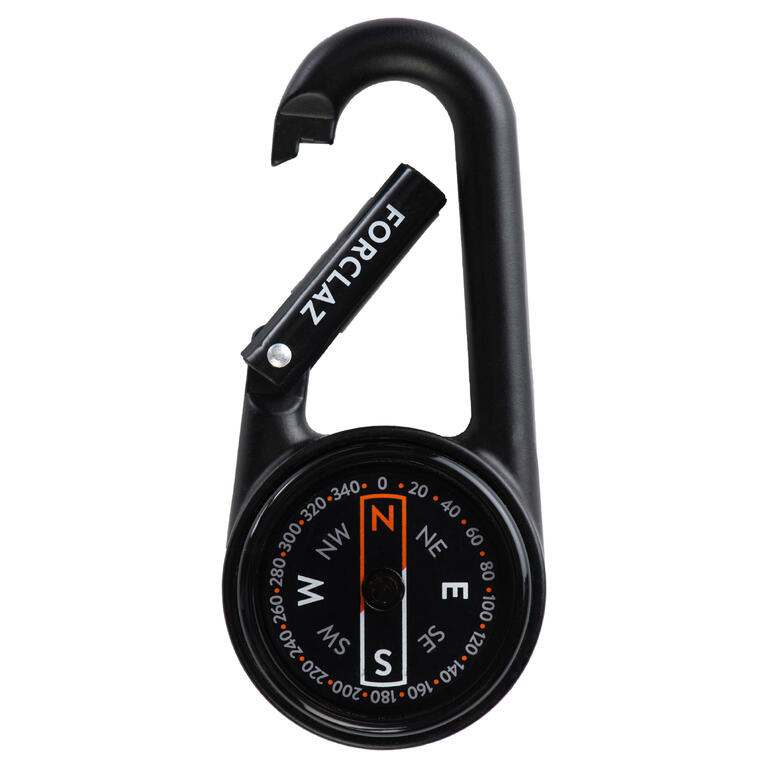
QUICK DIRECTION FINDING
Simple navigation support for outdoor trips
What to prioritise
Accuracy and readability
Snap Hook Compass
Check it Out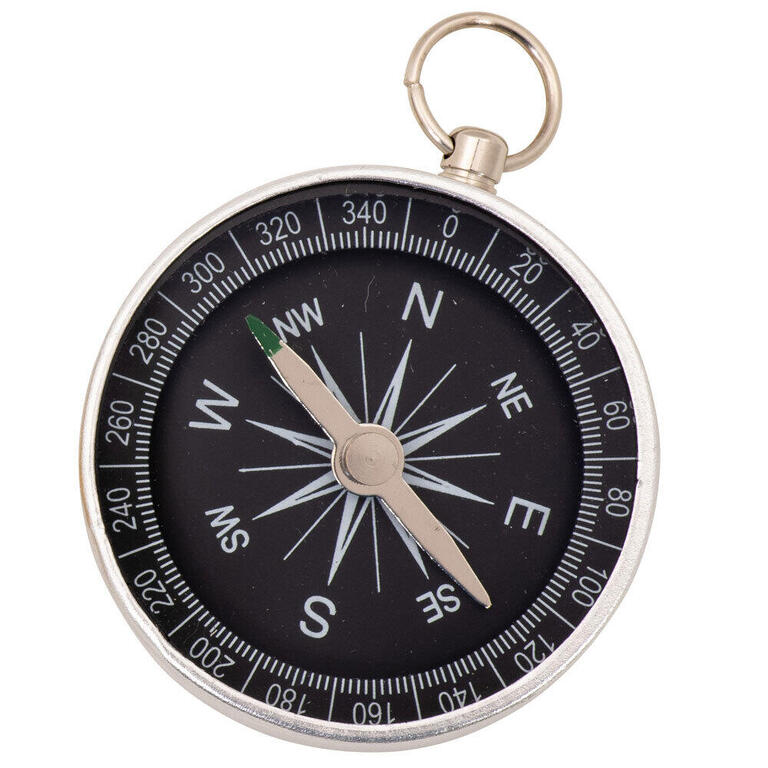
METAL COMPASS PRECISION
Durable navigation tool for outdoor exploring
What to prioritise
Accuracy and reliability
Discovery Metal Compass
Check it Out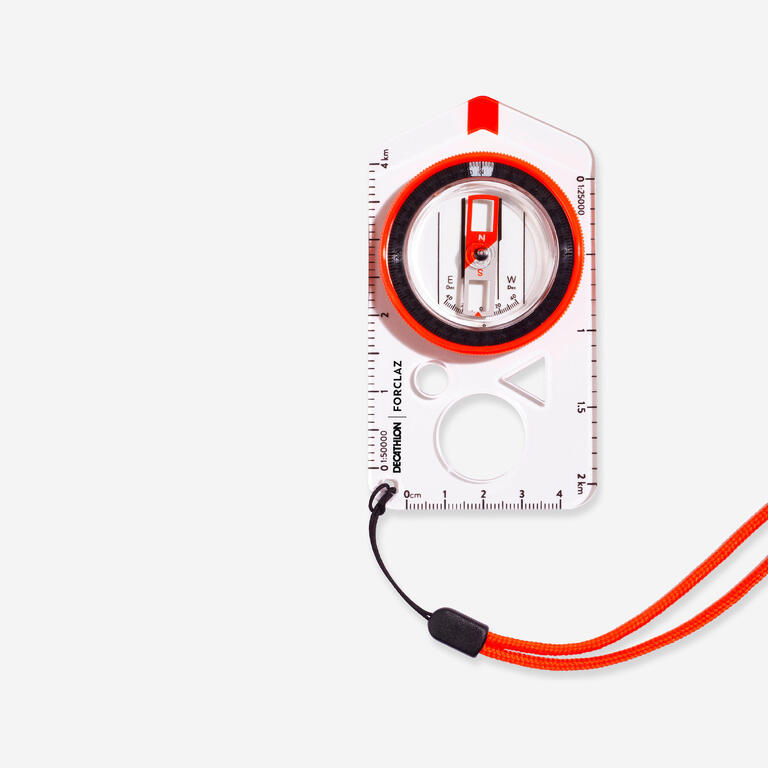
BASEPLATE NAVIGATION
Detailed orientation support for hiking routes
What to prioritise
Precision and control
Baseplate Hiking Compass
Check it Out
Check All Compasses
What to look for in a compass

Accuracy
Accuracy keeps you on track when it matters. Look for a compass with a clear bezel and a needle you can trust in any terrain. Magnetic declination adjustment is handy for accounting for regional differences in your area. Casual hikers generally do fine with a standard compass for both day trips and longer adventures. If you know you're tackling serious navigation challenges, that might change what you're after.
Design
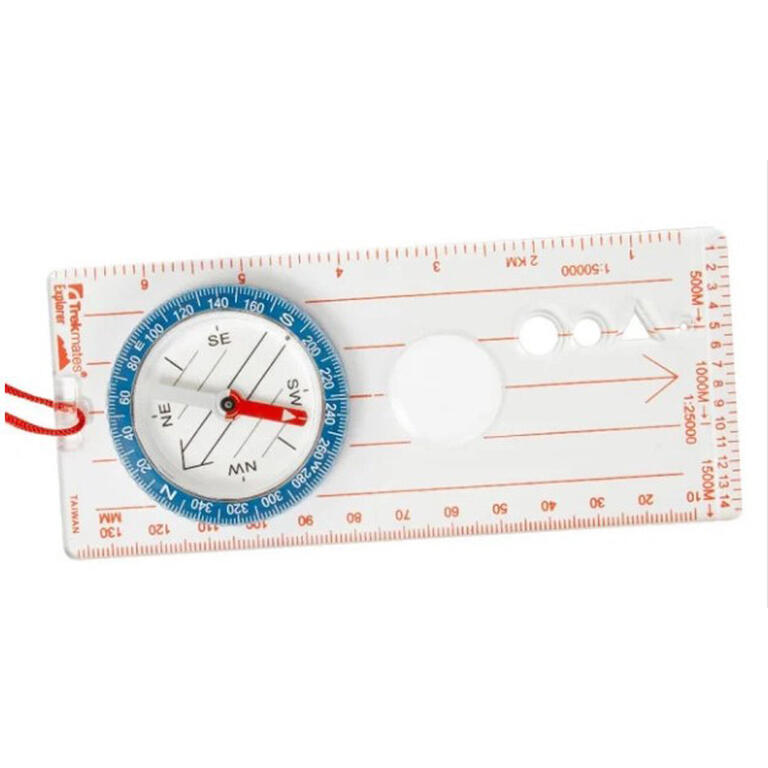
Design matters more than you'd think for navigation. Baseplate compasses are straightforward and work brilliantly with maps. Lensatic compasses give greater precision for serious navigation but need more skill to use. Thumb-loop options are lightweight and easy to carry on longer hikes. Most standard navigation compasses balance ease of use with durability for everyday trekking and map work.
Readability
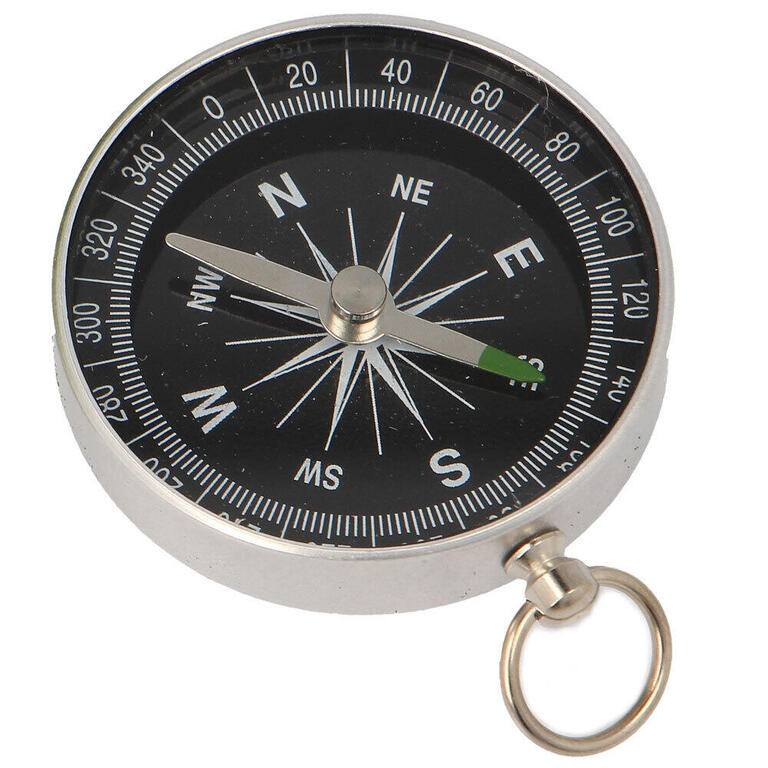
Look for clear markings and a bright bezel that's easy to read in low light. The needle should move freely and settle quickly without lag. Spend a few sessions getting familiar with how it handles before relying on it for serious navigation. Checking your bearings at home first builds confidence when you're out.
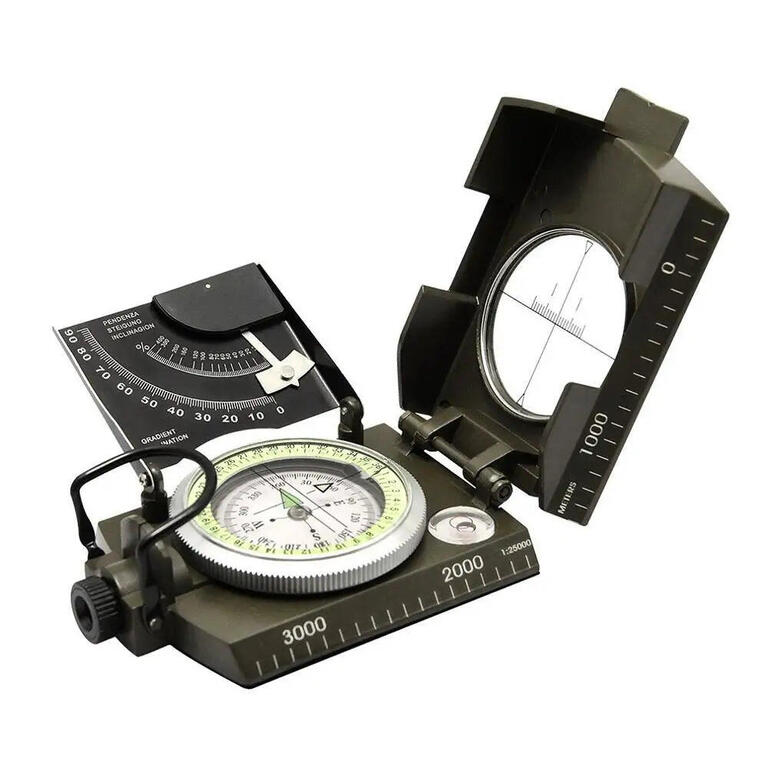
Weight
Weight affects how easy your compass is to carry during long hikes and outdoor trips. Lightweight compasses are more comfortable for regular trekking, whilst slightly heavier models often feel sturdier in hand. Think about how often you'll carry it and the type of navigation you'll be doing.
Check All Compasses
Who is this for?
First-time buyers. This beginner compass is straightforward and reliable for basic navigation. Simple to use, easy to maintain, and everything you need to find your way without overthinking it.
Regular hikers and trekkers. This standard compass handles frequent navigation on established trails and backcountry routes. Reliable precision and durability keep working when you need them most.
Serious navigators and orienteers. This advanced compass is built for accuracy and precision. It performs in challenging terrain and complex navigation scenarios where precision is essential.

Keeping your compass reliable
Give it a quick wipe with a dry cloth after each outing. Steer clear of strong magnets as they mess with accuracy. Handle carefully because rough drops damage the needle mechanism inside. Keep it in a cool, dark spot away from sun and heat. Before you rely on it for navigation, check the needle spins freely and settles fast. All compasses come with a 2-year warranty through Decathlon.

Compasses by type
Type
Best for
Beginner and basic compasses
First-time buyers, casual hiking, day trips.
Regular hikers, all-round navigation, trail and backcountry.
Standard compasses
Orienteering, serious navigation, technical terrain.
Precision compasses
Trekking, wilderness navigation, map reading.
Specialist compasses
Check All Compasses
Explore our Top Sports
 Hiking & Trekking
 Swimming
 Cycling
 Fitness (Yoga/Pilates)
 Camping
 Running
Frequently asked questions
How accurate should a beginner compass be?
Basic accuracy is all you need when starting out. It's accurate enough for casual navigation and won't overwhelm you with unnecessary features or complexity.
Is a basic compass suitable for all navigation?
For casual hiking, yes. A basic compass offers reliable navigation for established trails and familiar terrain. For serious orienteering, wilderness navigation or technical terrain, a precision compass is more appropriate as it provides greater accuracy.
What is the best compass for backcountry navigation?
How long does a compass last?
What is the best compass for low-light conditions?
For backcountry navigation, a precision compass is worth the investment. It gives you the accuracy you need for remote terrain, map reading and complex navigation in wilderness settings.
A well-maintained compass can last many years. Check regularly for a sluggish needle, cloudy bezel or loss of accuracy, as these indicate wear.
Look for a compass with luminous markings and a bright bezel in low-light conditions. You'll find it much easier to read bearings at dawn, dusk or when it's overcast.
Find Your Way With The Right Compass
Navigation demands a compass you can trust. Whether on established trails or exploring new terrain, you need reliable bearings and accuracy. We've built compasses for real navigation conditions. Shop in-store or call for advice. 2-year warranty. Get gear you can rely on.
Check All Compasses
About Us
> Who We are> Membership> Sustainability> Sustainable product conception> Innovation> Price Drop> EventsCUSTOMER SERVICE
> Contact Us> Return Policy> Terms of Service> Privacy Policy> Warranty Information> Promotional Terms & ConditionsJOIN US
> CareersSERVICES
> Our services> Maintenance and Repair> Product Personalisation> Raquet Stringing> Rentals> Buy backSHOP AT DECATHLON
> Our Stores> Decathlon Marketplace> Second Life> Click & Collect> Delivery> Sports AdviceMedia & Press
> media.australia@decathlon.com