Weekend sport players
A cold pack in the freezer is handy after a big game or a long run.
Cold after a hard session, warmth on a chilly morning: many people find both have a place in their routine. Here is how we would put together a simple, sensible setup at home.
From a simple pack to a cold plunge, in the order we would add them.
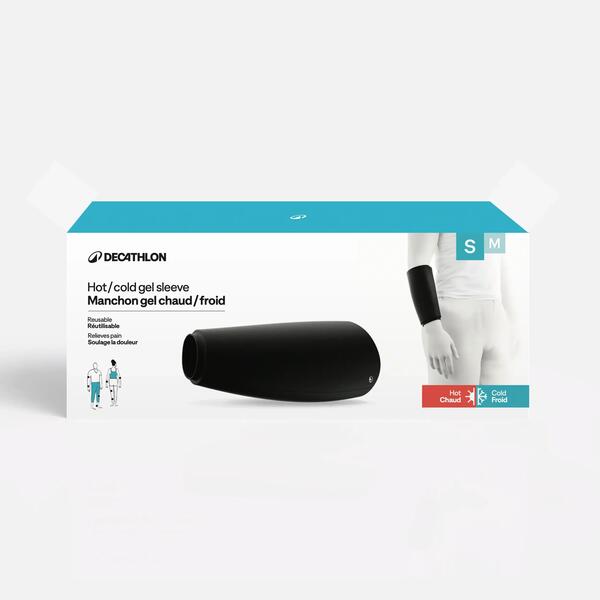
Gel packs, cool packs and an ice bag.
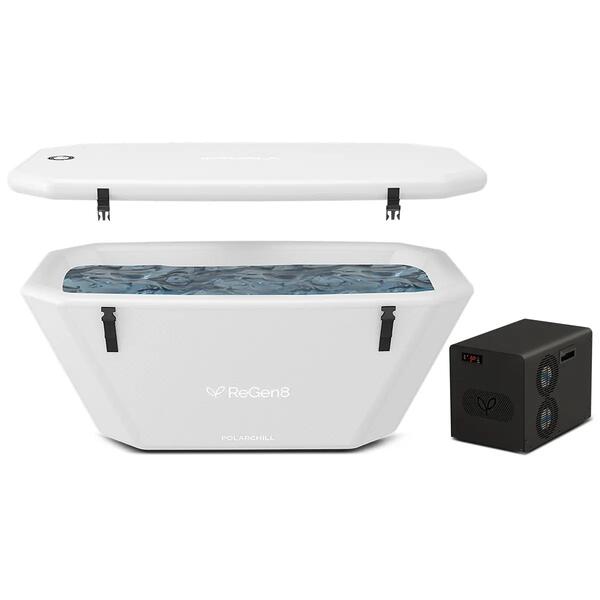
Cold plunge tubs with chillers, some with heating zones.
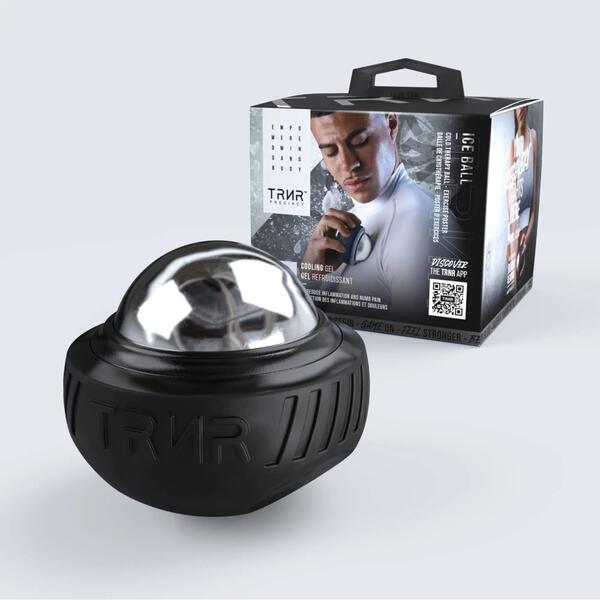
Massage balls and tools, including some you chill first.
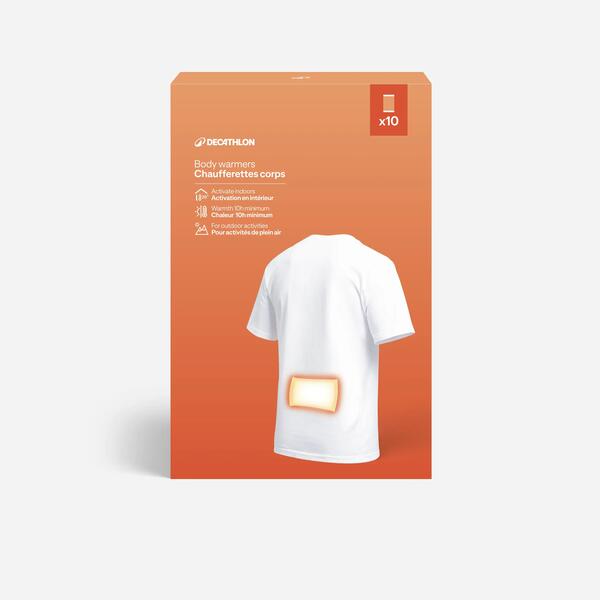
Air-activated warmers for hands, feet and body.
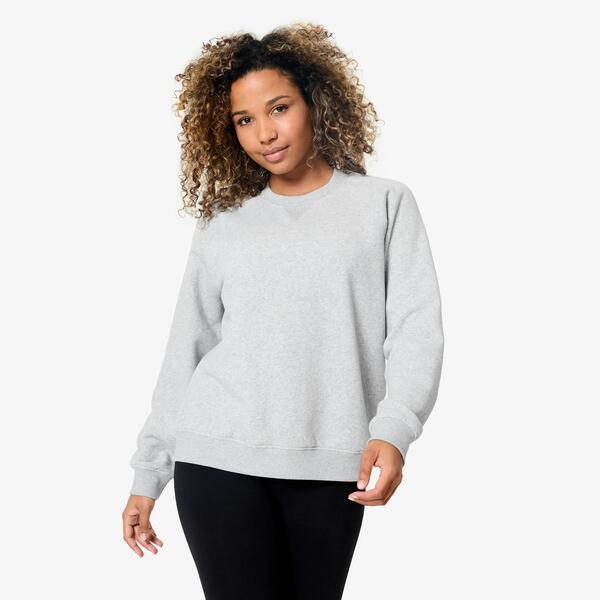
Hoodies, sweatshirts and jackets to pull on afterwards.
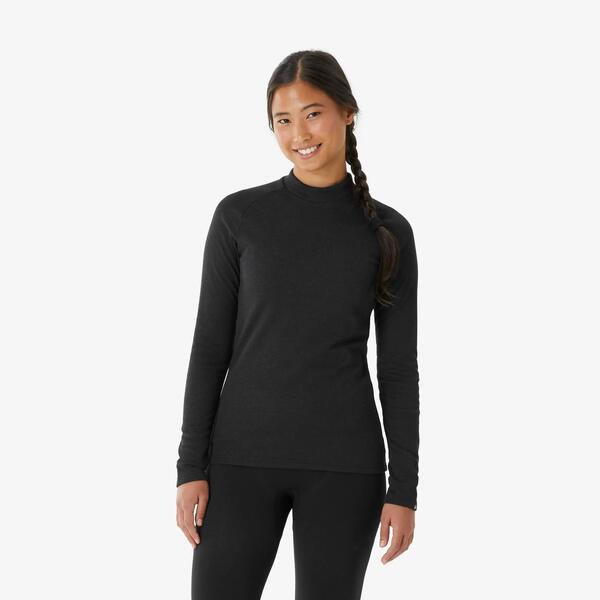
Thermal tops and bottoms for cold-weather sessions.
Keep cold and heat sessions short and follow the instructions that come with your pack. Check your skin as you go, and stop if it feels numb, stings or looks unusual.
Wrap a pack in a thin cloth rather than putting it straight on bare skin. Don't use cold or heat on skin that already feels numb.
Gel packs and ice bags can be used again and again. Chill or warm them only as the label directs, and wipe them clean between uses.
A gel pack fits in the freezer door, but a cold plunge tub needs floor space, a level surface and power for the chiller. Measure up before you commit.
A cold pack in the freezer is handy after a big game or a long run.
Warmers and a thermal layer take the edge off cold starts and slow cool-downs.
A portable tub brings cold water home. Check with your GP first if you have a heart condition or other health concerns.
| Item | Why it helps | Tip |
|---|---|---|
| Hot and cold packs | Cold or warmth for one small area | Wrap in a cloth and keep sessions short |
| Ice bag | Fill with ice and water when needed | Empty and dry it after each use |
| Portable ice bath | Full cold immersion at home | Start with short dips and have someone nearby |
| Chilled massage ball | Cool rolling for small areas | Chill it as the product instructions say |
| Hand and body warmers | Pocket heat on cold days | Stick body warmers to clothing, not skin |
| Hoodie or jacket | Keeps you warm as you cool down | Pull it on soon after you finish |
| Thermal base layer | A warm layer under your kit | Choose a snug but comfortable fit |
Many people reach for cold soon after a hard session or a knock, and warmth later on or for general stiffness. There's no single rule that suits everyone, so notice what feels better for you. If you have swelling, pain that lingers or an injury you're unsure about, see a GP or physio before treating it yourself.
Follow the instructions that come with your pack, as guidance varies by product. Keep sessions short, wrap the pack in a cloth and check your skin as you go. Stop straight away if your skin feels numb or very sore, and never use a pack on skin that is already numb.
Cold water immersion isn't right for everyone. If you have a heart condition, high blood pressure or circulation problems, or you're pregnant, talk to your GP before trying it. Start with short dips at a temperature you can manage, have someone nearby and get out if you feel unwell, dizzy or too cold.
A gel pack stays flexible when chilled, so it moulds around a knee or shoulder, and some can be warmed too if the label allows. An ice bag is filled with ice and water when you need it, so there's nothing to freeze ahead of time. Both suit small areas, and plenty of people keep one of each.
Pull on a dry layer soon after you finish, before you start to feel chilled. A thermal base layer under a hoodie or jacket holds warmth well, and air-activated warmers in your pockets help on cold mornings. Change out of damp kit as soon as you can.
Start with a pack in the freezer and add only what you'll really use. Everything else for recovery is in our massage and muscle recovery range.
Free delivery on orders over $150. Members get our lifetime warranty.