Riders swapping gearing
Fitting a cassette with a bigger or smaller range starts with taking the old one off.
Taking off a cassette lets you clean it properly, swap gearing or replace a worn one. The right removal tool makes it a ten-minute job, so here is how to pick one that fits your bike.
Our cassette and freewheel tools, plus what to pair them with.
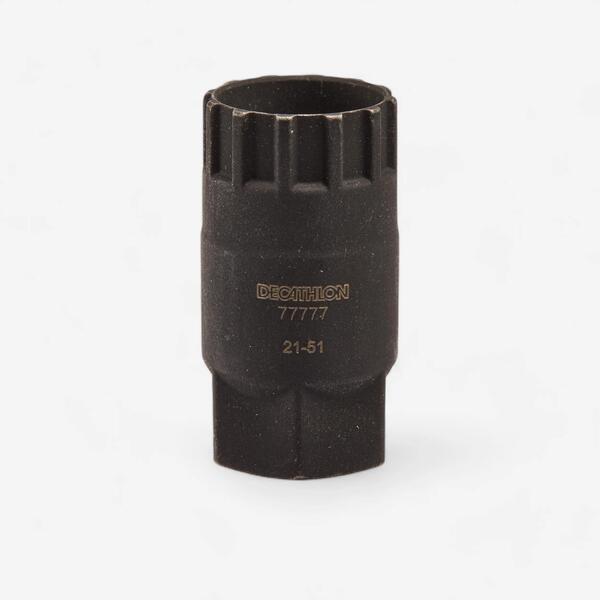
Our cassette wrench sits beside the cassettes it removes.
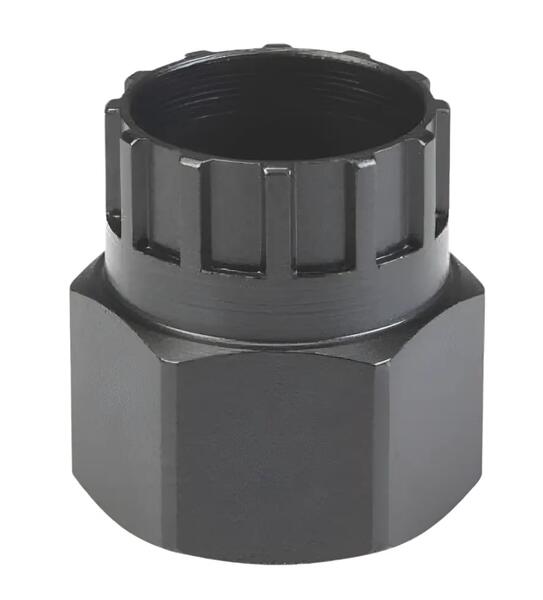
Includes splined lockring tools for removing cassettes.
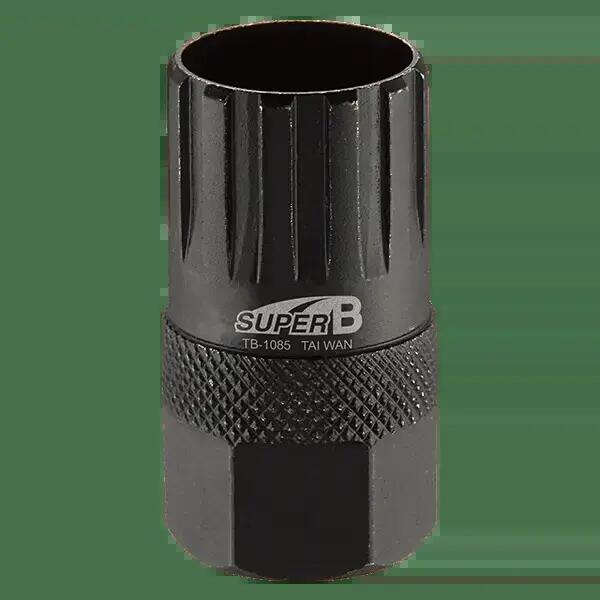
Shimano-fit removers sit here with our trail tools.
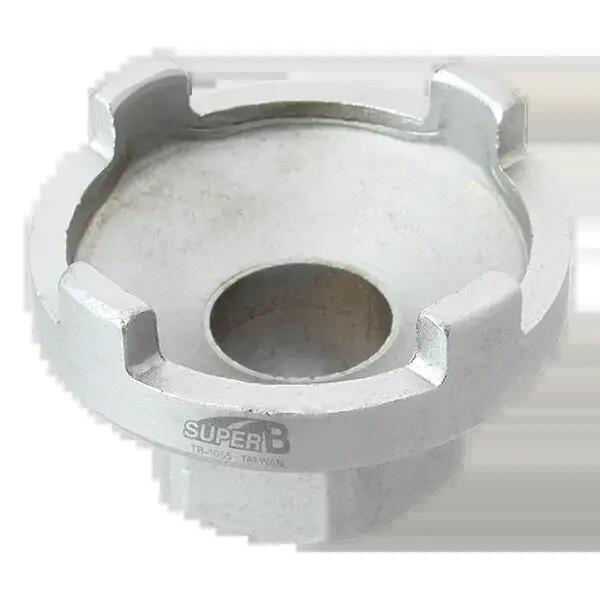
Includes notched removers for BMX screw-on freewheels.
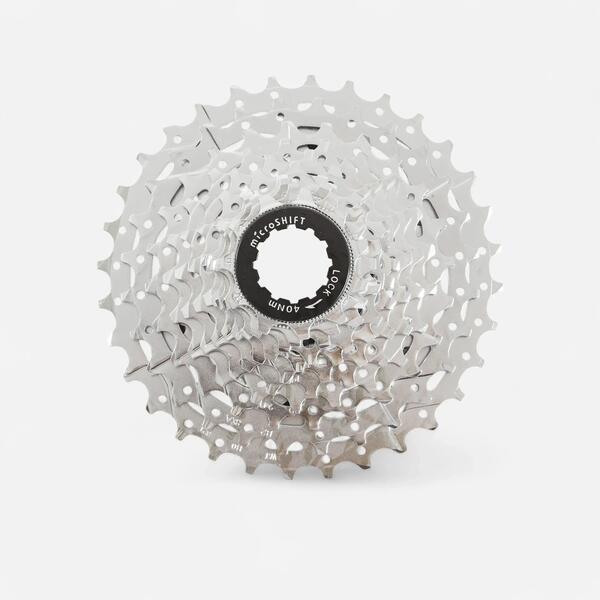
Cassettes from 7 to 11 speed when yours wears out.
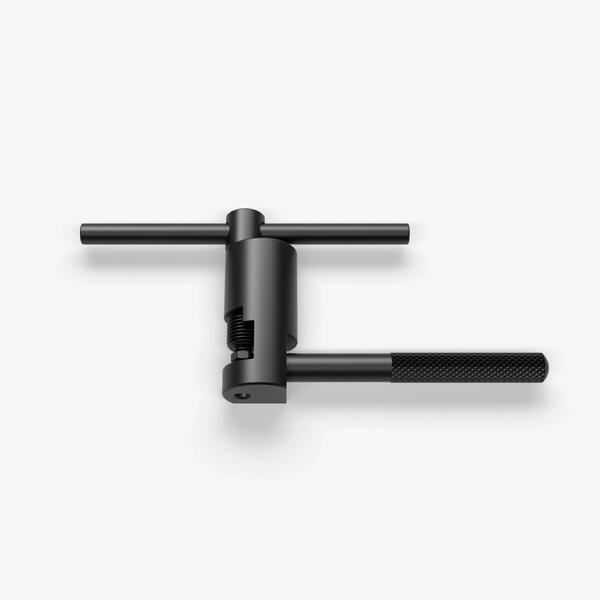
Chain tools for fitting a fresh chain alongside.
Most modern bikes have a cassette that slides onto a freehub and is held by a lockring. Older and many entry-level bikes use a screw-on freewheel, which needs a different remover. Look at the centre of the gears: a lockring with splines usually means a cassette.
Lockring tools are made for specific spline patterns. Shimano and SRAM cassettes commonly share one pattern, while Campagnolo and some others use their own. Check your cassette brand before you buy so the tool seats fully.
As you turn the lockring, the cassette wants to spin with it. A chain whip, or a similar holding tool, stops it moving while you undo the lockring. Freewheels do not need one, as they unscrew as a single unit.
Lockrings are tightened firmly, so you need a long handle or an adjustable spanner to turn the tool. Some removers have a built-in handle, others take a spanner or socket. Make sure you have the matching drive in your kit.
Fitting a cassette with a bigger or smaller range starts with taking the old one off.
Removing the cassette lets you clean each sprocket and the freehub body properly.
Replacing a worn chain often means a worn cassette too, so the tool pays for itself.
| Option | Fits | Also need |
|---|---|---|
| Cassette lockring tool | Splined cassette lockrings | Chain whip and a spanner |
| Cassette remover wrench | Cassette lockrings, with a handle | Chain whip |
| Freewheel remover | Screw-on freewheels | A large spanner or vice |
| Replacement cassette | Matching speed and freehub | Fresh chain if the old one is worn |
You need a cassette lockring tool that matches your cassette's spline pattern, a chain whip (or similar holding tool) and a spanner or handle to turn the lockring tool. Some removal wrenches have a handle built in, which saves a step. Take the wheel out of the bike and remove the skewer or axle first.
Look at the centre of the rear gears with the wheel out. A cassette has a splined lockring that stays still when you spin the gears backwards, as it sits on a freehub. A freewheel has notches or splines that turn with the gears, because the ratchet is built into the gear block itself.
No. Shimano and SRAM cassettes commonly share the same lockring spline, so one tool often covers both, but Campagnolo and some other brands use different patterns. Freewheels also need their own removers, with notches or splines that vary by maker. Check your cassette or freewheel brand before choosing a tool.
Standard cassette lockrings undo anticlockwise, while you hold the cassette still with a chain whip. Expect it to feel stiff and to release with a click from the serrated edges. When refitting, tighten to the figure recommended by the cassette maker, ideally with a torque wrench.
Signs include a fresh chain skipping under load, hooked or shark-fin shaped teeth, or gears that won't index smoothly. Replacing the chain before it wears too far helps the cassette last longer. If you are unsure, a bike workshop can check chain and cassette wear for you.
With the right removal tool, a cassette swap or deep clean becomes a simple home job. Find the tools and parts you need in our cycling range.
Free delivery on orders over $150. Members get our lifetime warranty.