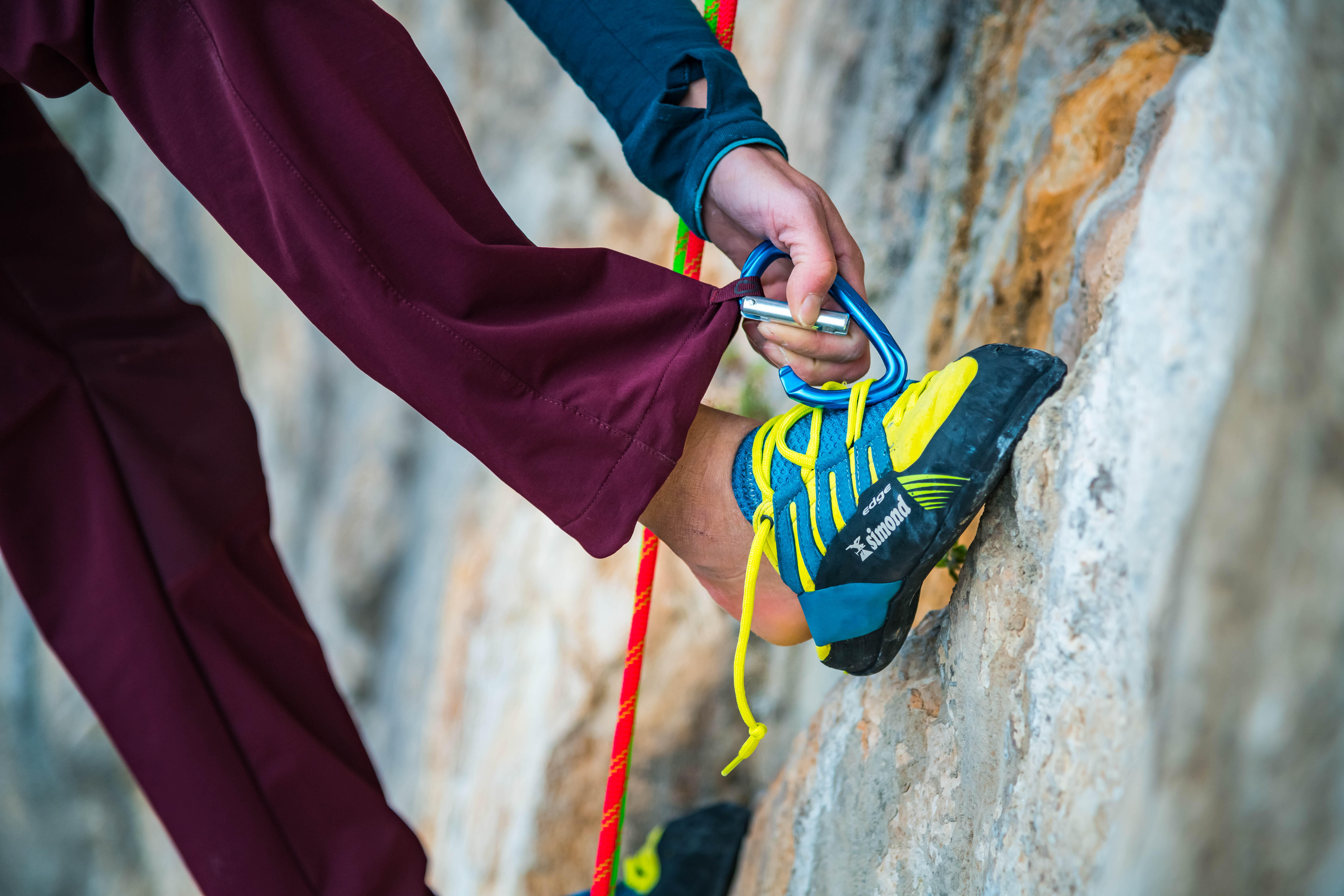
The right carabiner depends on what you need it for. Lightweight ones attach compatible accessories, while rated climbing carabiners meet the strength and safety standards those activities need. Not every carabiner suits the same job.
Start with what you'll actually use the carabiner for, as that decides the type and rating you need. Accessory carabiners are handy for keys or lightweight gear, but aren't made to hold a person's weight. For climbing or other safety-critical activities, always choose a carabiner rated for that purpose and check its markings before use.
Locking Mechanism
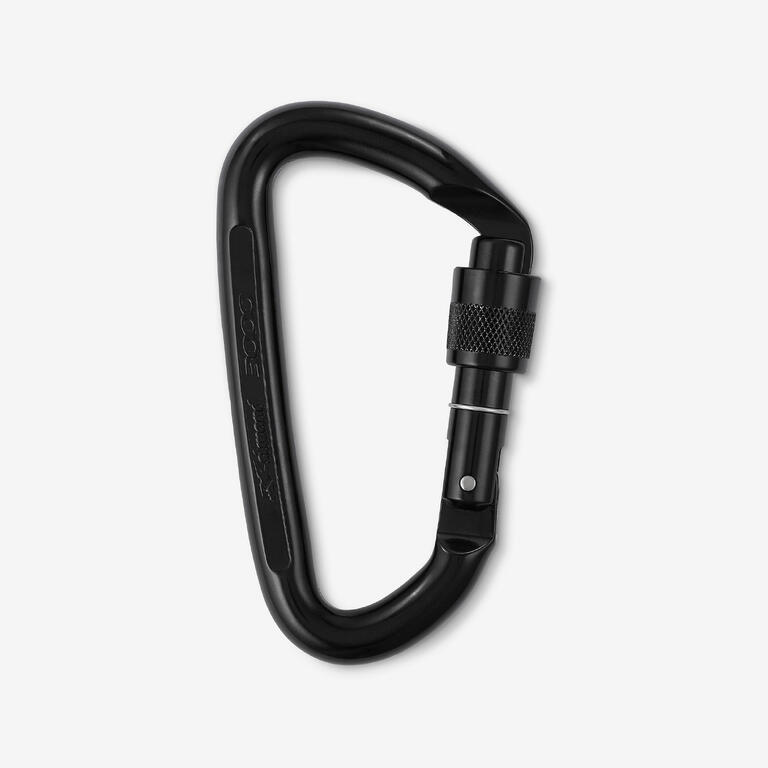
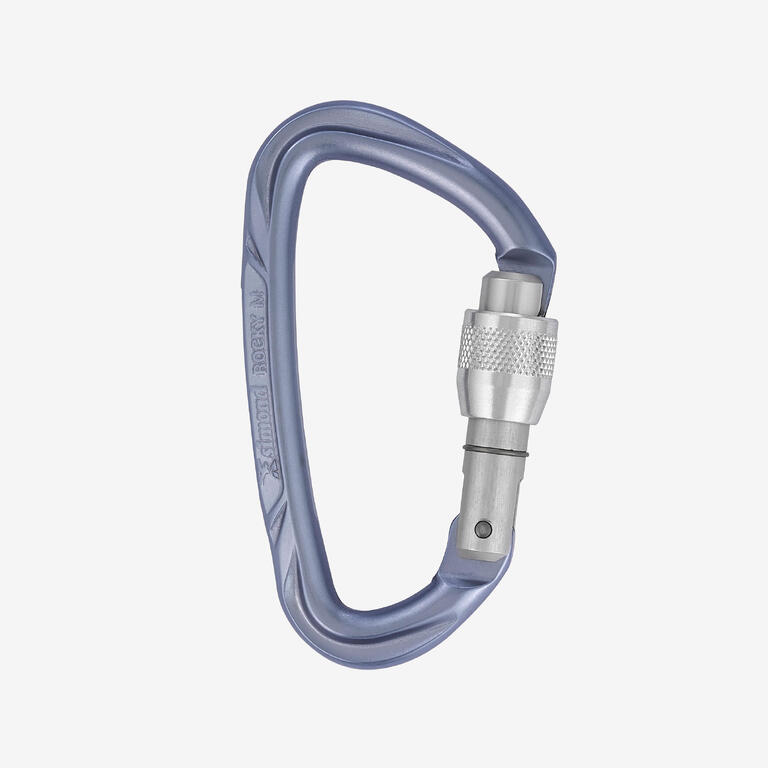
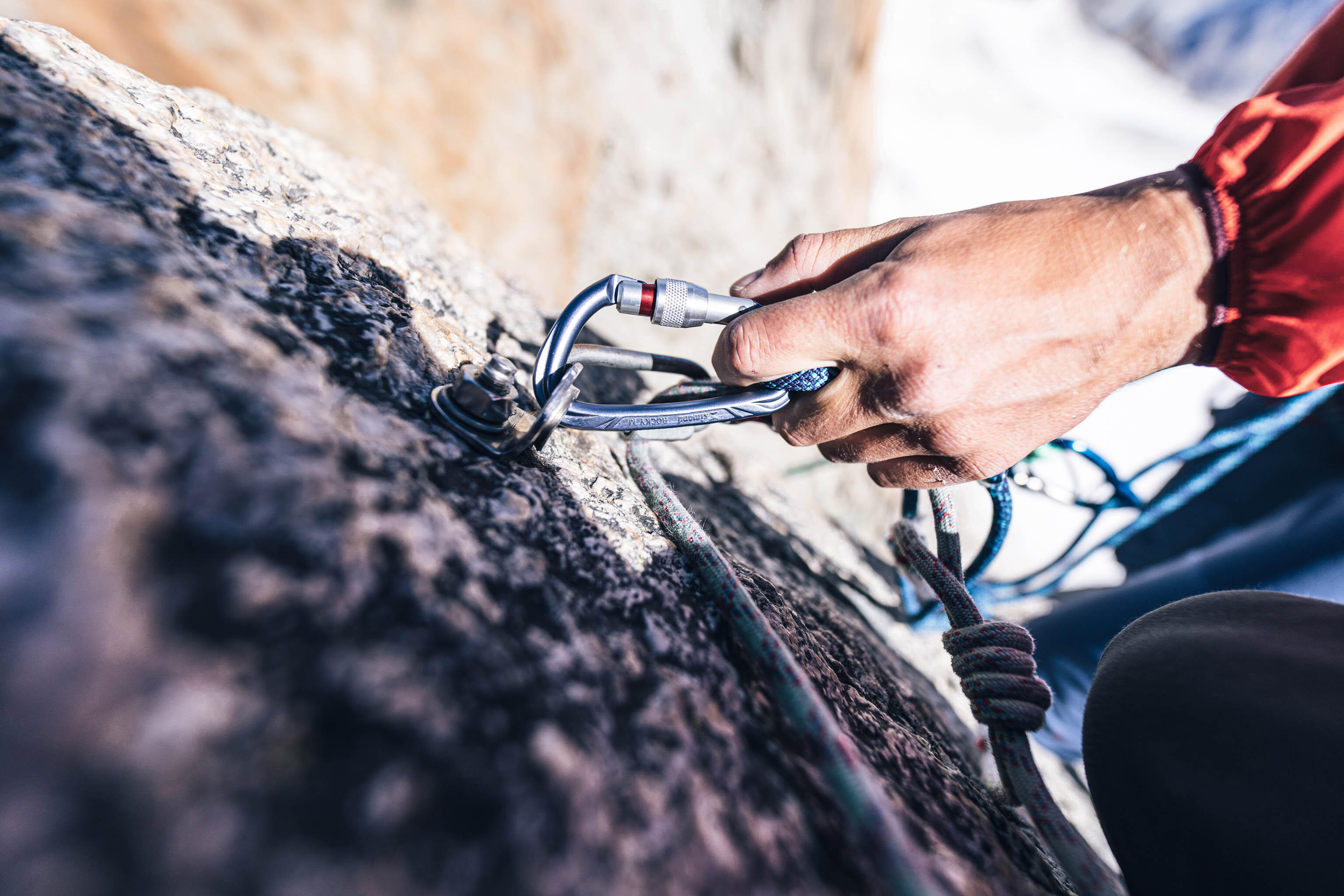
The gate and locking system affect both security and ease of use. Non-locking carabiners are quick to clip and unclip, while screwgate models use a manual locking sleeve to help prevent accidental opening. Automatic locking carabiners lock when the gate closes, offering added security for climbing and technical activities where a secure connection matters.
Strength and Material
For climbing, always check that the carabiner's strength rating suits your intended use. Aluminium offers a balance of strength and low weight, while steel is generally heavier and can offer greater durability. Consider both the required rating and how much weight you want to carry.
Shape and Opening
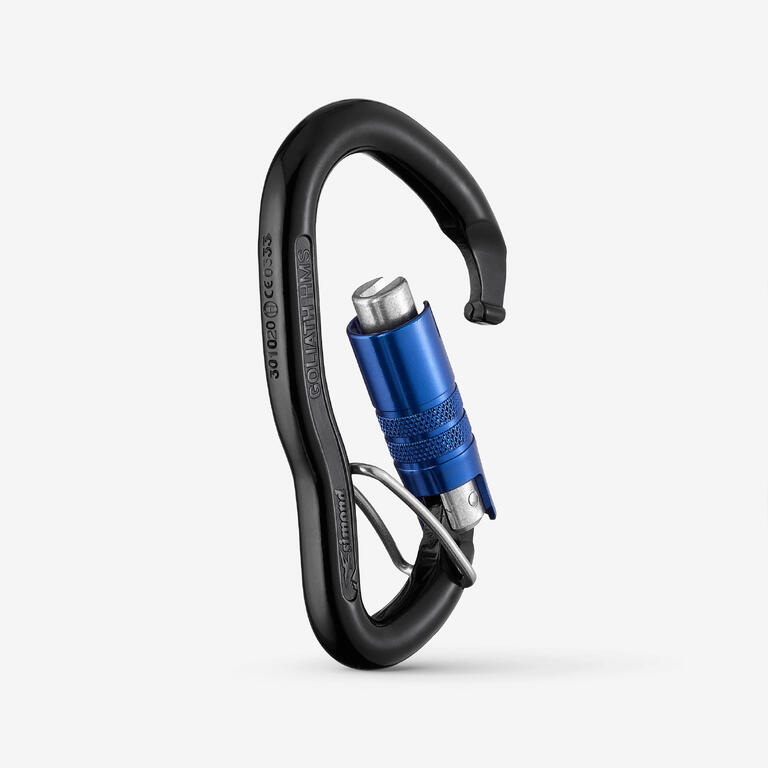
Carabiner shape affects how easily it works with ropes, slings and other compatible equipment. HMS or pear-shaped designs provide more room for certain belay setups, while compact shapes suit simpler connections. Choose a shape that matches your equipment and activity.
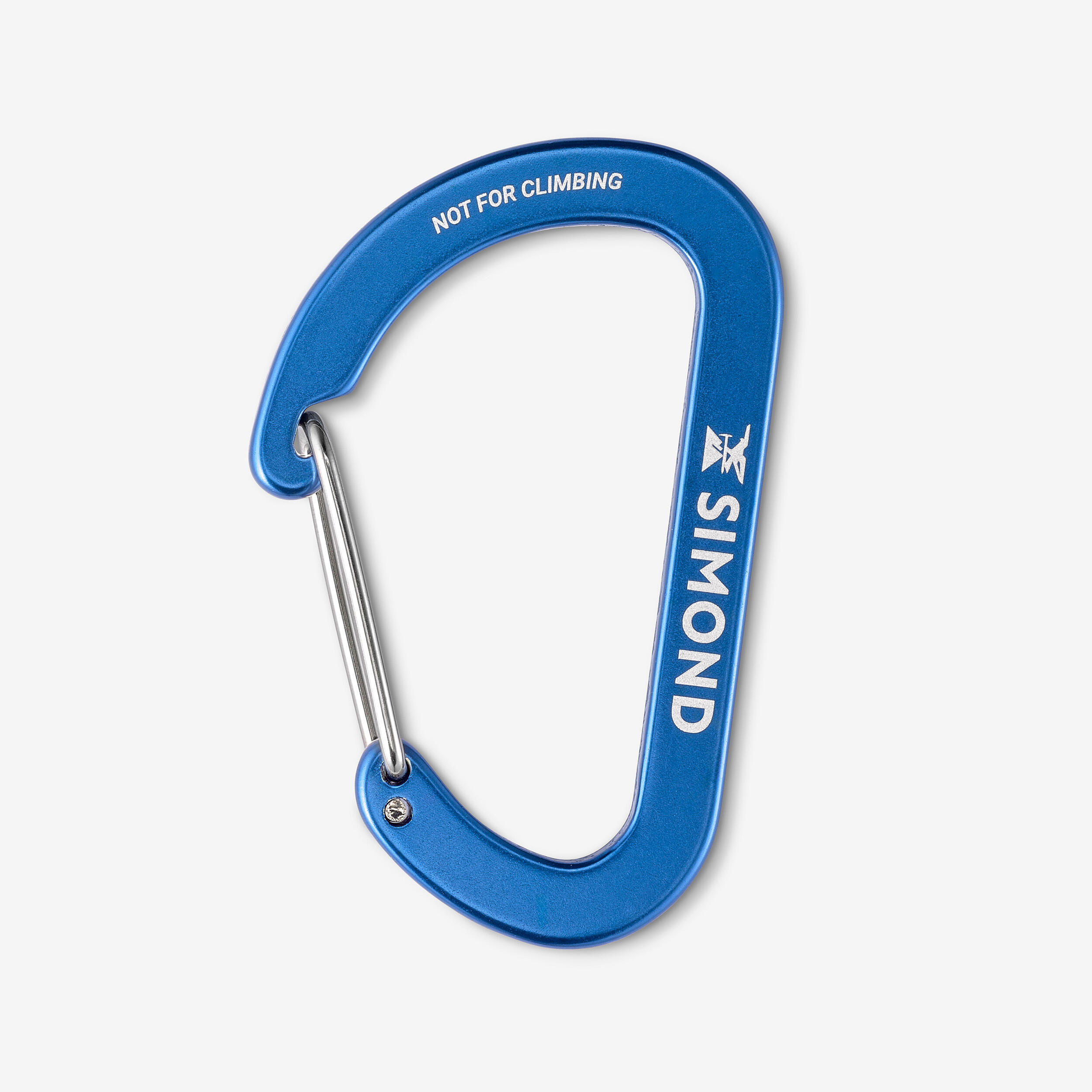
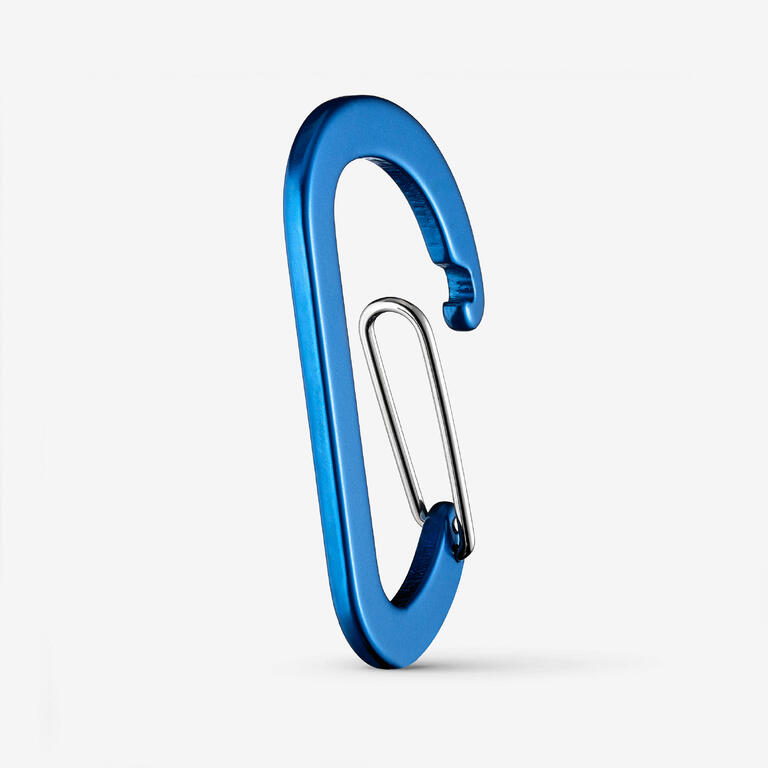
Light gear carriers. For clipping keys or lightweight accessories to a bag or belt, an accessory carabiner keeps smaller items together and within easy reach. Always check that it's designed for non-climbing use.
Hikers and campers. Carabiners offer a practical way to organise and attach compatible gear around your pack or campsite. Choose the size and gate style based on what you're carrying and how often you need to access it.
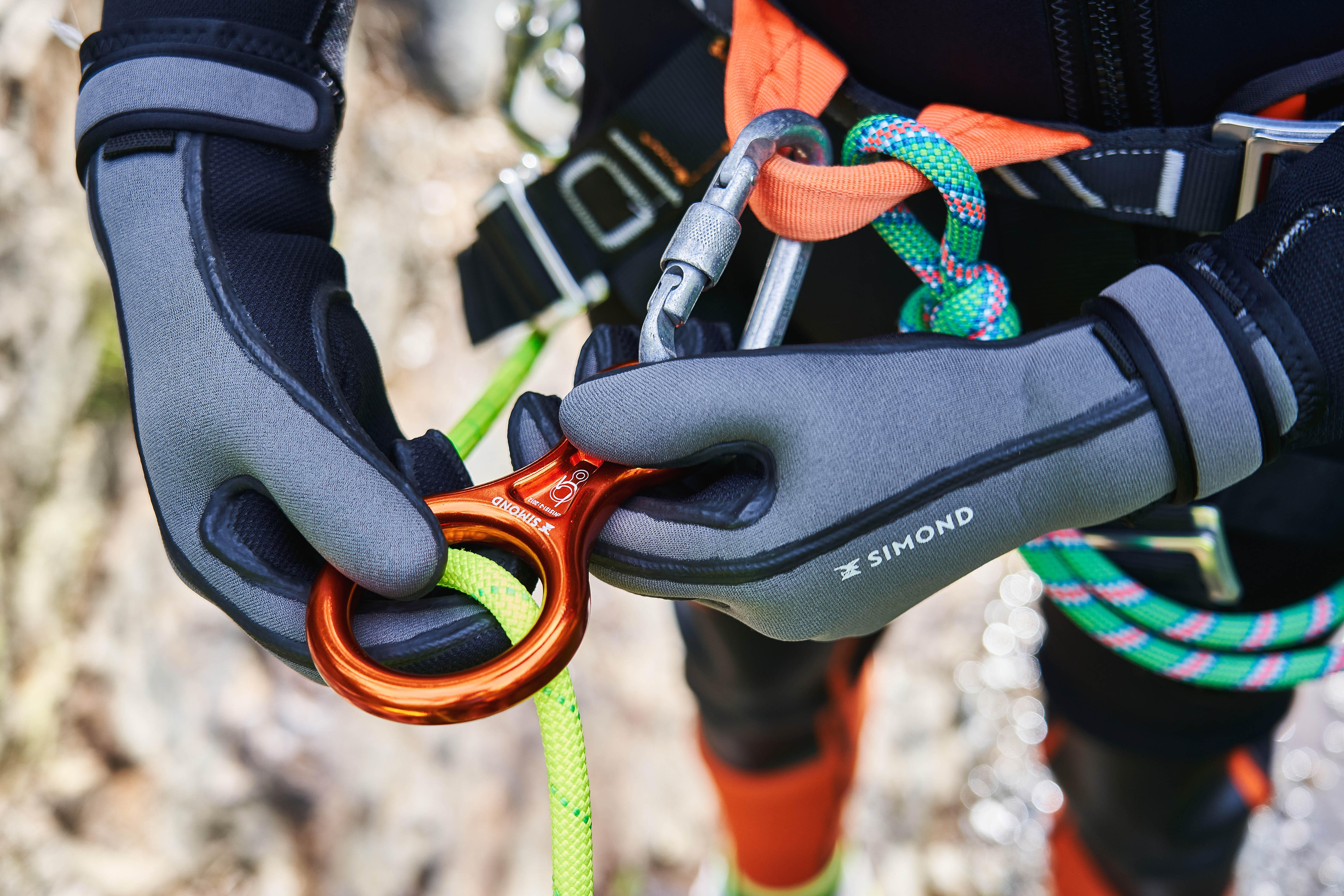
Climbers and belayers. For climbing and belaying, choose a safety-rated carabiner specifically designed for the activity. The right locking mechanism, shape and strength rating will depend on how it fits into your climbing setup.
Caring for your carabiner
Keep your carabiner clean and free from dirt, sand and moisture that could interfere with the gate or locking mechanism. Check regularly for visible wear, corrosion or deformation, and make sure the gate opens, closes and locks as intended before use. If the carabiner is used for climbing, always follow the manufacturer's instructions for cleaning, inspection, maintenance and when the equipment should be retired.
Carabiners by type
Type
Best for
Accessory carabiners
Keys, lightweight gear and non-climbing everyday use.
Quick clipping and climbing setups where their use is appropriate.
Non-locking carabiners
Climbing, belaying and connections requiring manual locking.
Screwgate carabiners
Climbing and belaying where added locking security is preferred.
No. Accessory carabiners designed for keys or lightweight gear aren't necessarily rated to support a person. For climbing or mountaineering, only use a carabiner specifically designed and rated for that purpose, and always check its markings and manufacturer guidance before use.
What's the difference between locking and non-locking carabiners?
Non-locking carabiners allow quick clipping and unclipping, whilst locking models include a mechanism that helps prevent the gate from opening accidentally. Screwgate models lock manually, whilst automatic locking designs engage when the gate closes. Choose the type suited to your activity and setup.
What does HMS mean on a carabiner?
When should I replace a carabiner?
Is aluminium or steel better for a carabiner?
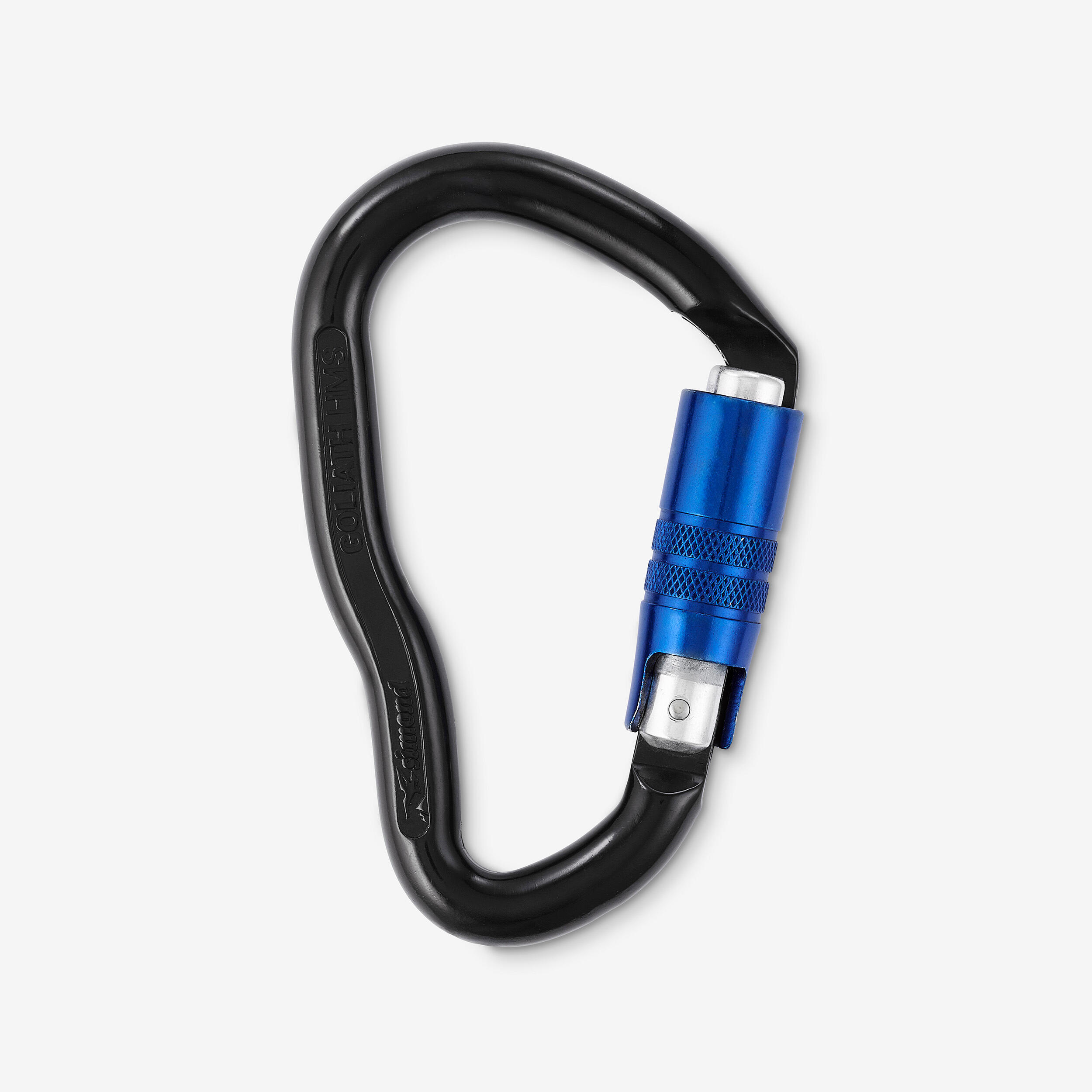
HMS generally refers to a wider, pear-shaped carabiner that gives extra space for certain rope and belay setups. The shape can make it easier to fit compatible belay devices or multiple connections, depending on the climbing system you're using.
Check your carabiner regularly for excessive wear, corrosion, deformation or problems with the gate and locking mechanism. If it no longer opens, closes or locks correctly, stop using it for safety-critical activities and follow the manufacturer's inspection and retirement guidance.
It depends on how you'll use it. Aluminium carabiners offer a strong balance of low weight and performance, making them common for climbing, whilst steel models are heavier but can provide greater durability for demanding or frequent use. Always prioritise the correct rating and intended use over material alone.
Choose the Right Clip for the Job
The right carabiner starts with knowing exactly what it's for. Organising lightweight gear and connecting equipment in a climbing setup call for different shapes, locking mechanisms and ratings. Explore the options, check the intended use and pick one that fits your setup.
 All SportsMenWomenKidsAccessoriesEquipment and LeisureHealth & NutritionBest DealsNew ArrivalsMarketplace
 Hiking & Trekking
 Swimming
 Cycling
 Fitness (Yoga/Pilates)
 Camping
 Running