First-time campers
A quick-pitch tent and simple kit make the first trip far less daunting.
A long weekend is the perfect amount of time to get away without a big pack-up. We would keep the kit simple: a tent that pitches fast, a comfy night's sleep, cold food and a few camp kitchen basics.
The gear we would pack for two or three nights, most important first.
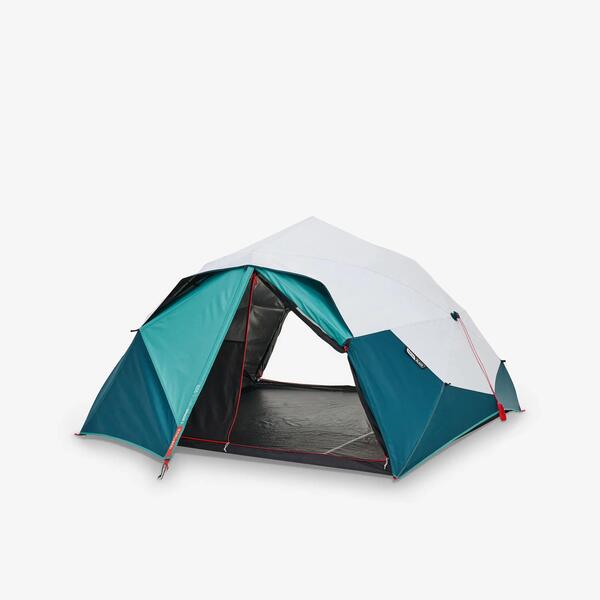
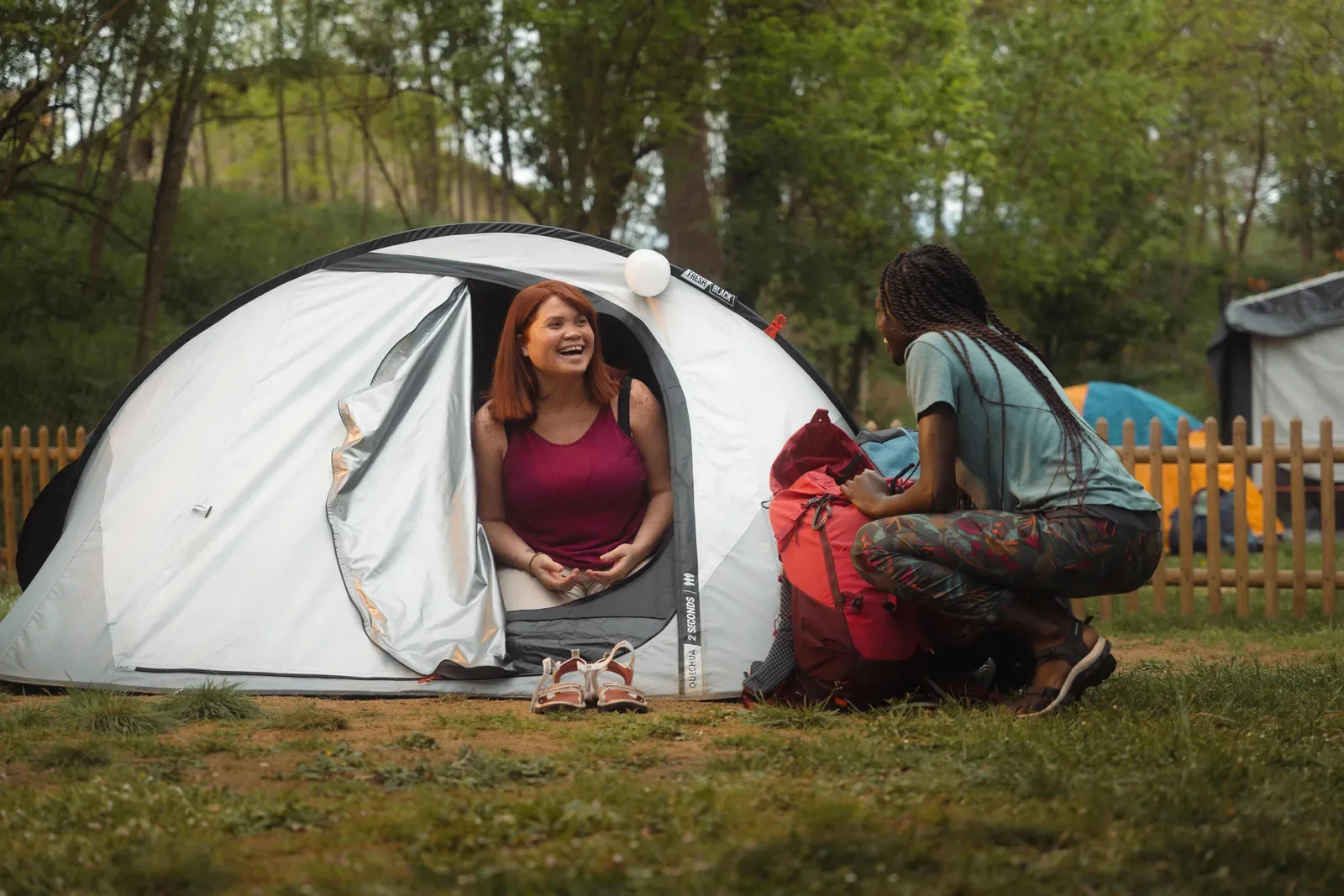
Pop-up tents that pitch fast, so camp starts sooner.
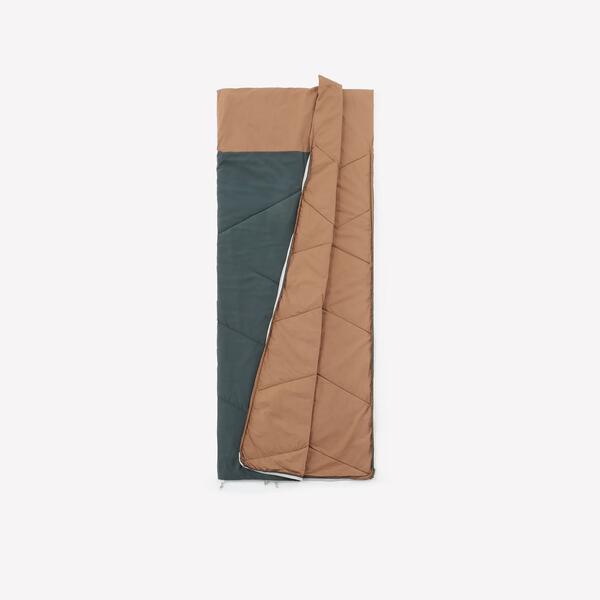
Sleeping bags with temperature ratings to suit the season.
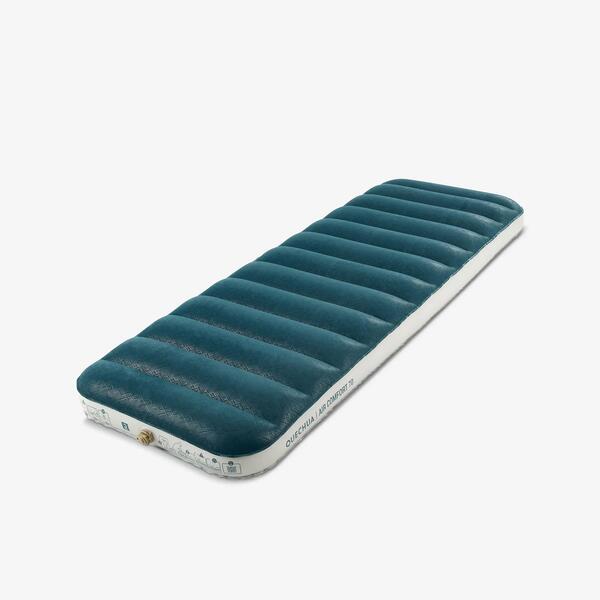
Air beds, self-inflating mats and foam pads, plus pumps.
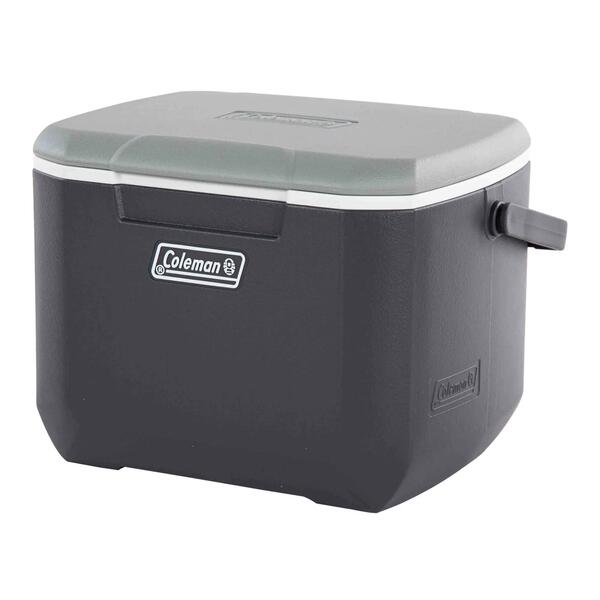
Hard and soft cooler boxes, plus freezer packs.
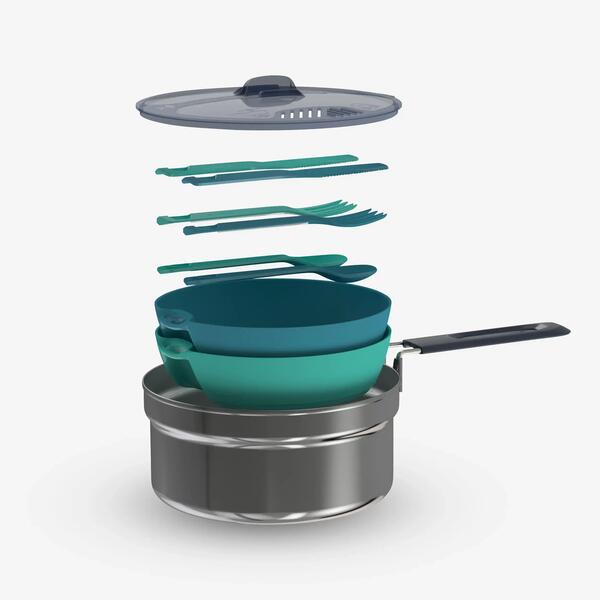
Stoves, cooksets, mugs and cutlery for the camp kitchen.
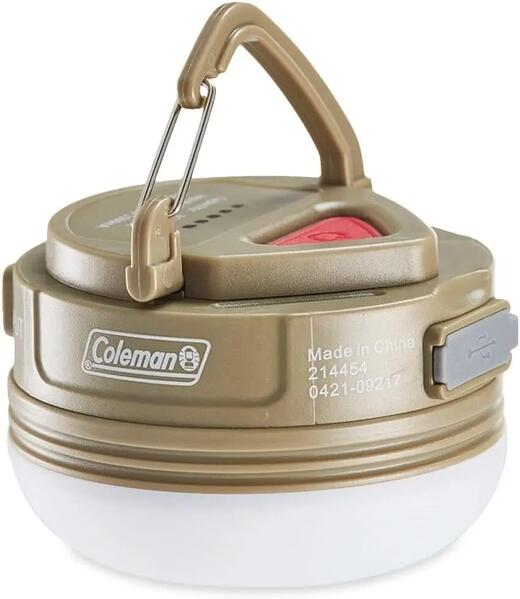
Lanterns to light the tent, the table and camp.
Arriving after a long drive is easier with a tent that goes up fast. Practise pitching and folding it at home once, so there are no surprises at the campsite.
Check the comfort temperature on your sleeping bag against the overnight lows you expect, and add a mattress or mat for insulation from the ground. Nights can be cooler than the daytime suggests.
Look at the tent's waterproof rating and pack a tarp if rain is possible. Check the forecast before you leave and pitch on slightly higher ground.
Short trips are about easy loading and unloading. Choose gear that fits the car with room left for food, water and the cooler.
A quick-pitch tent and simple kit make the first trip far less daunting.
Comfortable sleep and cold food keep everyone happy for a couple of nights away.
Pack-and-go gear that lives in the boot makes it easy to leave on a Friday.
| Item | Why it matters | Tip |
|---|---|---|
| Tent | Shelter for sleeping and storing gear | Practise pitching at home first |
| Sleeping bag | Keeps you warm overnight | Match the comfort rating to the forecast |
| Mattress or mat | Comfort and insulation from the ground | Pack the pump if it needs one |
| Cooler | Keeps food and drinks cold | Pre-chill it and pack frozen bottles |
| Cooking set | Easy meals at camp | Plan simple meals before you go |
| Lantern | Light around camp after dark | Charge it fully before you leave |
| Camping chairs | Somewhere comfy to sit | Fold-flat chairs save boot space |
As early as you can. Popular campgrounds, especially in national parks and near the coast, often book out well ahead of busy weekends and school holidays. Check the booking system for the park or campground you have in mind, and keep a back-up option nearby in case your first choice is full.
A tent, a sleeping bag and mattress for each person, a cooler, a way to cook, water and a light for after dark cover the basics. Add chairs, a table and some shade if you are car camping and have the space. We would also pack a small first aid kit and check whether the site has drinking water before relying on it.
Look at the comfort temperature rather than the extreme figure, and compare it with the overnight low where you are going. Inland and higher areas can be much colder at night than the coast, even in warm months. If you tend to feel the cold, choose a bag rated a few degrees warmer than you need and add a liner or blanket.
An air mattress is usually the comfier choice for car camping, as it is thicker and closer to a bed, but it needs a pump and can feel cool underneath. A self-inflating mat packs smaller and adds insulation from the ground. Plenty of campers use an air bed in the tent and keep a self-inflating mat as a spare.
Chill the cooler and the food before you leave, and pack it full, since empty space warms up faster. Frozen water bottles work as ice and give you drinking water as they melt. Keep the cooler in the shade, open it as little as you can, and store raw meat sealed at the bottom.
A few good basics are all a short trip needs. When you are ready to plan the next one, our full camping range is here.
Free delivery on orders over $150. Members get our lifetime warranty.