Complete beginners
A bar, a band and a mat cover the basic pulls, pushes and core work. That is plenty for the first few months.
Calisthenics asks for far less kit than most people expect. Here is the starter equipment we would pick first, why each piece earns its place and how to set it all up safely at home.
Six ranges that cover pulling, pushing, grip and steady progress.
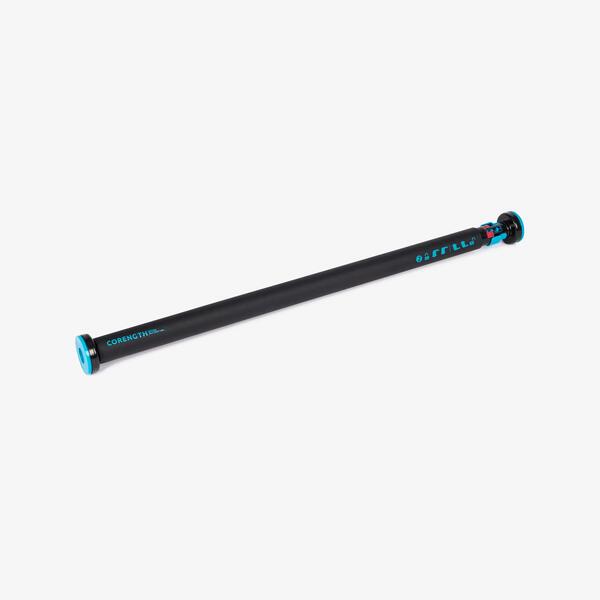
Doorway bars, push-up grips, parallettes and dip stands.
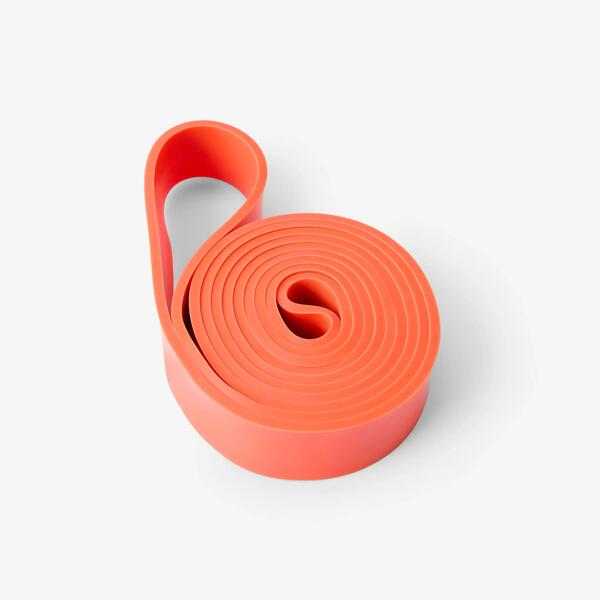
Loop bands and fabric bands across many resistance levels.
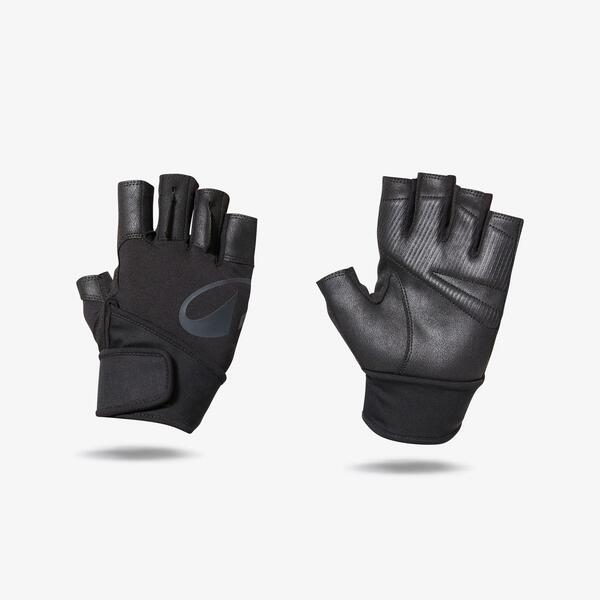
Gloves, wrist supports, handgrips and lifting straps for training.
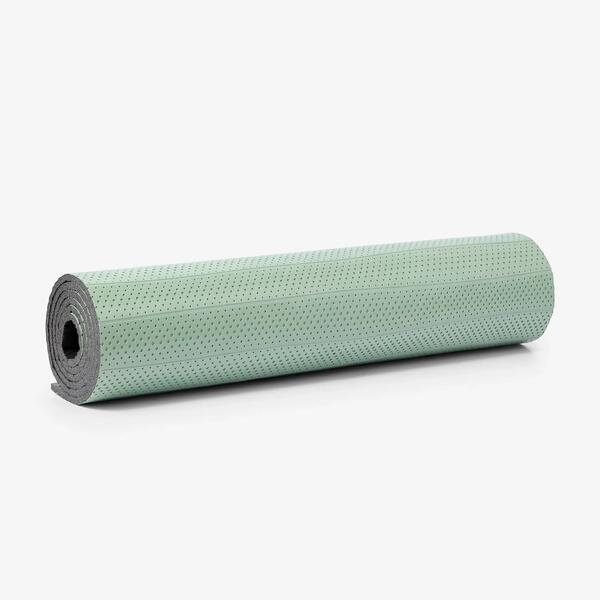
Fitness, yoga and Pilates mats for floor-based moves.
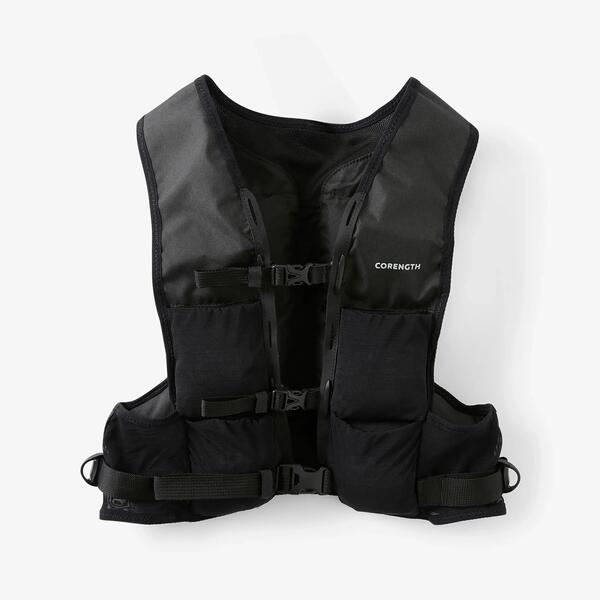
Adjustable and fixed vests to add load to bodyweight work.
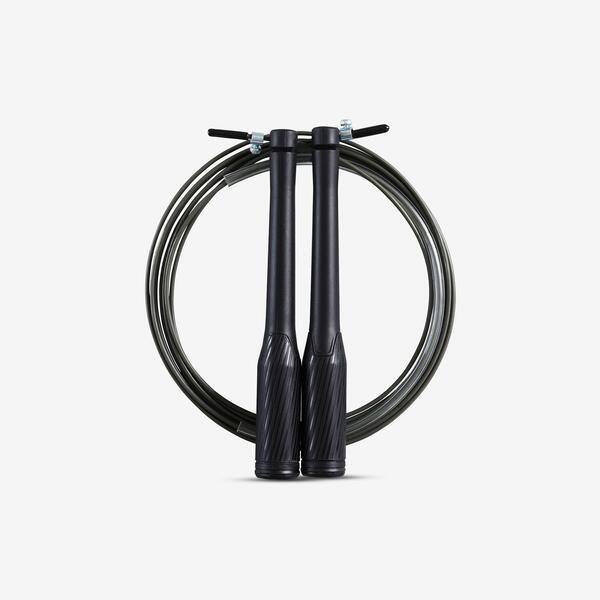
Speed, weighted and kids' skipping ropes for warm-ups.
Doorway bars need a solid frame of the right width and depth, so measure before you order. Wall-mounted bars need fixings that suit your wall. If you rent, check what your lease allows first.
Every bar, dip stand and parallette has a stated limit. Stay within it and follow the setup guidance. Give the bar a firm test pull before your first hang.
Bands make pull-ups and dips possible before you can do a full rep. A heavier band gives more help, a lighter one less. Two or three strengths let you ease off the help over time.
Hanging and pushing put a lot through your hands and wrists. Push-up grips keep wrists straighter, and gloves can save your palms while they toughen up. Use whichever feels better for you.
A bar, a band and a mat cover the basic pulls, pushes and core work. That is plenty for the first few months.
Most of this kit packs into a cupboard or hangs in a doorway. It suits apartments and shared homes well.
If you already lift, calisthenics adds bodyweight strength and control. It works on days you can't get to the gym.
| Item | Why it matters | Tip |
|---|---|---|
| Doorway pull-up bar | Pull-ups, chin-ups and dead hangs | Measure the frame and check the weight limit first |
| Push-up grips or parallettes | Deeper push-ups with straighter wrists | Master low holds before trying L-sits |
| Resistance bands | Assisted pull-ups and dips | Swap to a lighter band as you get stronger |
| Exercise mat | Comfort for core and floor work | Pick a thicker mat for knees and hard floors |
| Gloves or wrist support | Grip and comfort on the bar | Keep them for longer sessions if you prefer bare hands |
| Skipping rope | A quick warm-up before you train | A few easy minutes is enough to get going |
| Weighted vest | Progress once bodyweight feels easy | Add load only when your form stays clean |
You can start with the floor and your own body weight, but a pull-up bar opens up the whole pulling side of training. Add a resistance band so you can practise pull-ups and dips before you can do full reps. A mat makes core and floor work more comfortable. Everything else, like a vest or parallettes, can wait until you want more challenge.
A doorway bar is safe when it suits your frame and you set it up as the instructions describe. Measure the width and depth of the frame first, stay within the stated user weight and test it with a firm pull before you hang. Avoid kipping or swinging moves on a doorway bar, since they put extra force through the frame.
A heavier band gives more help at the bottom of the pull-up, which suits beginners. As you get stronger, move to a lighter band so your muscles do more of the work. Having two or three strengths makes it easy to step down gradually instead of jumping straight to unassisted reps.
They're not essential, but many people find them kinder on the wrists because your hands stay in a neutral position. They also let you go a little deeper in a push-up and practise holds like the L-sit. If push-ups on the floor feel fine, they can be a later addition.
Add a vest once you can do your target reps of a move with clean, controlled form. Start light and build up slowly, and keep some sessions unweighted. If you are returning from injury or are pregnant, check with a health professional before adding load.
You don't need a full gym to get strong with your own body weight. Pick the basics, train often and add kit as you progress.
Free delivery on orders over $150. Members get our lifetime warranty.