Your hands absorb repeated impact whenever you strike, so preparation starts before the gloves go on. Boxing wraps, also called boxing hand wraps, add a supportive layer around the hands, knuckles and wrists through bag work, pad sessions and sparring. Find a wrap that feels secure and comfortable, then get your hands ready for the rounds ahead.
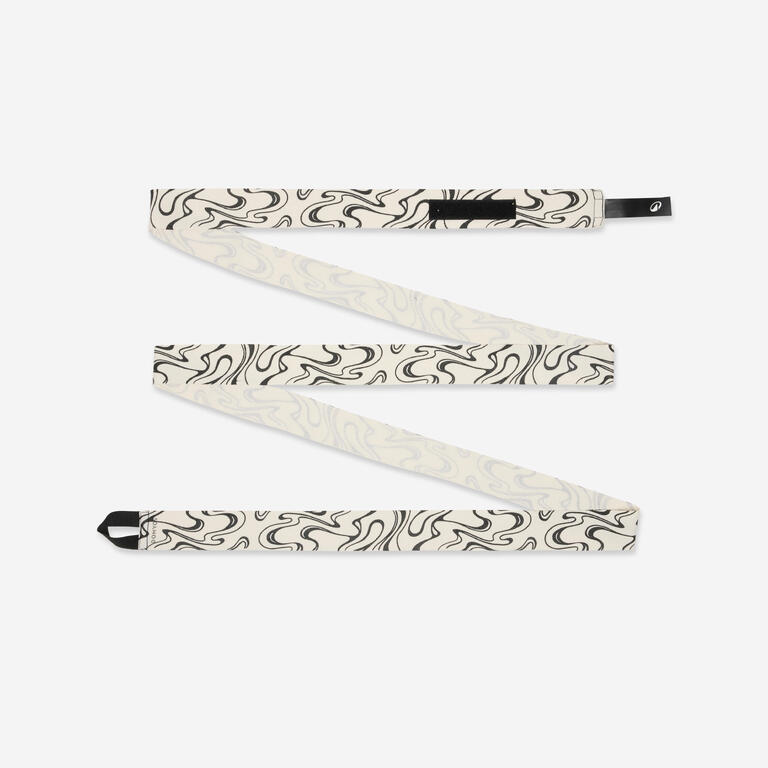
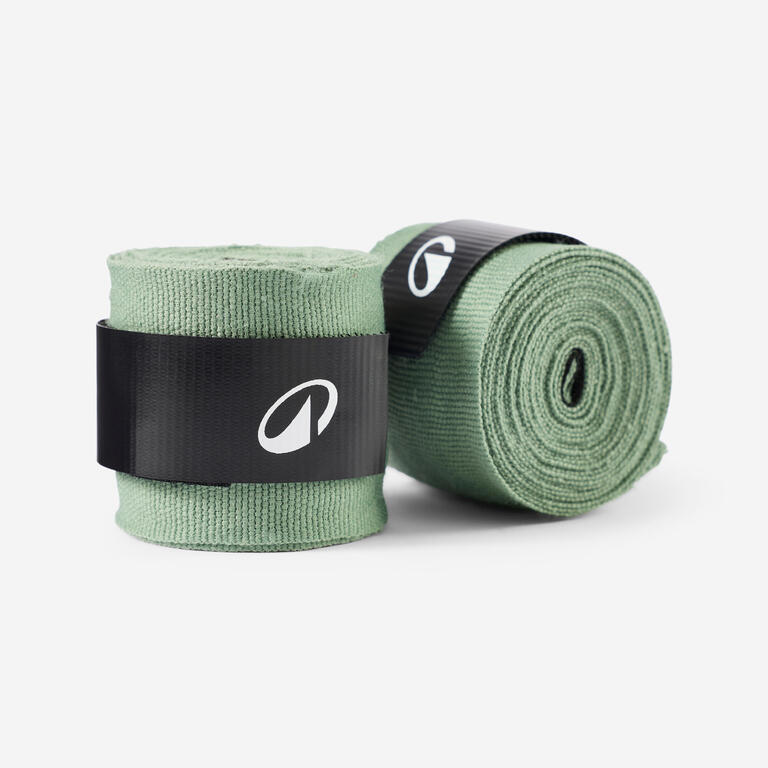
Wrap length determines how much material you have to cover and support your hands, knuckles and wrists. Shorter wraps can be quicker and simpler to put on, while longer options give you more material to build coverage around key areas. Consider your hand size, wrapping technique and how much support you prefer rather than assuming the longest option is always best.
Material and Elasticity
The material affects how boxing wraps feel, stretch and conform around your hands. Cotton provides a soft, breathable feel, while elasticated blends offer more flexibility for a closer, more adaptable fit. Look for enough stretch to wrap securely without creating excessive compression, and consider breathable, moisture-managing fabrics for longer or sweatier sessions.
Durability
Boxing wraps go through repeated stretching, tightening and washing, particularly when you train regularly. Look for durable fabric, secure stitching and a fastening that can withstand frequent use without fraying or losing its hold. Good construction helps the wraps maintain their shape, fastening and feel through repeated training sessions.
Closure
A secure closure helps keep your boxing wraps firmly fastened throughout training. Hook-and-loop closures are common because they're quick to secure and easy to adjust, but the fastening should also sit comfortably around the wrist without adding excessive bulk. Look for a closure that holds reliably as you punch and move.
Casual trainers. You want straightforward hand and wrist coverage for fitness boxing or occasional bag sessions. Shorter, easy-to-wrap options keep preparation simple without adding more material than you need.
Frequent bag and pad trainers. You put in repeated rounds throughout the week and need wraps that stay comfortable and secure. Longer, durable options provide more material for coverage around the hands, knuckles and wrists.
Sparring and heavy-training boxers. Your hands deal with harder, more sustained striking during regular training. Look for enough length, support and durability to handle the extra demands beneath your gloves.
Looking After Your Boxing Wraps
Wash boxing wraps regularly to remove the sweat and dirt they collect underneath your gloves. Secure hook-and-loop closures before washing where recommended, and follow the care label, particularly for wraps containing elastic fibres. Let them dry completely before storing them so they're fresh and ready for your next session. Once dry, roll the wraps neatly to prevent tangling and make them easier to grab before training.
Boxing wraps by type
Type
Best for
Short boxing wraps
Quick wrapping, lighter sessions and everyday training
Regular sessions and balanced hand and wrist coverage
Medium-length boxing wraps
More extensive wrapping around the hands, knuckles and wrists
Long boxing wraps
A closer fit and flexible wrapping around the hand
Boxing wraps and gloves serve different roles and are commonly worn together. Wraps sit directly around your hands and wrists beneath the gloves, while boxing gloves provide the padded outer surface used for striking.
Should boxing wraps cover my knuckles?
Boxing wrapping techniques generally distribute material around the knuckles, hands and wrists rather than concentrating it in one area. The exact coverage depends on your wrap length, hand size and wrapping technique.
Why do my boxing wraps loosen during training?
What boxing wraps are better for sweaty hands?
How many pairs of boxing wraps do I need?
Wraps can loosen because of inconsistent tension, an insecure fastening or the way they're applied around the hand. If the material starts shifting inside your gloves, stop and rewrap it rather than continuing with a loose fit.
Look for breathable, moisture-managing materials that remain comfortable underneath your gloves as you train. Whatever material you choose, let your wraps dry fully after use and wash them regularly according to their care instructions.
One pair can be enough for occasional training. If you train several times a week, having multiple pairs is practical because you'll have a clean, dry set available while another pair is being washed or drying.
Wrap Up and Get Moving
Boxing wraps don't need to make getting ready complicated. Once you've found a wrapping style that feels secure and comfortable beneath your gloves, they quickly become part of the routine. Keep a clean pair of hand wraps ready, wrap up and move on to what you're really there for, the training.
 All SportsMenWomenKidsAccessoriesEquipment and LeisureHealth & NutritionBest DealsNew ArrivalsMarketplace


 Hiking & Trekking
 Swimming
 Cycling
 Fitness (Yoga/Pilates)
 Camping
 Running